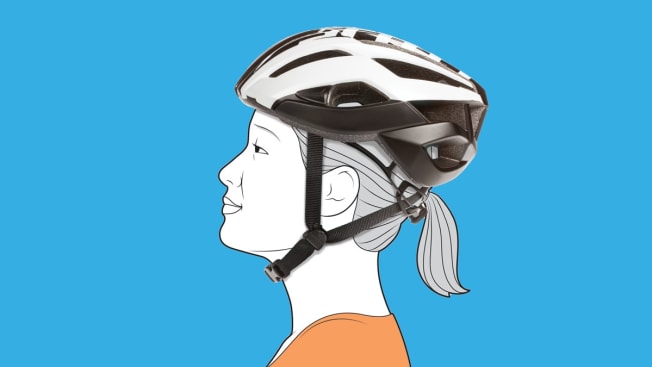
When it comes to biking, your helmet isn’t just an accessory—it’s your lifeline. But did you know that a helmet that doesn’t fit right can put you at risk instead of keeping you safe?
You might think any helmet will do, but the truth is, how your bike helmet fits can make all the difference in protecting your head during a fall or accident. You’ll discover exactly how your bike helmet should fit to give you the best protection and comfort.
Keep reading—your safety depends on it.
Choosing The Right Helmet Size
Picking the right helmet size is key to safety and comfort. A helmet that fits well protects your head better. It also feels more comfortable on long rides.
We will look at how to measure your head, use size charts, and try helmets on. These steps help you find the best fit.
Measuring Your Head Correctly
Use a soft tape measure to find your head size. Wrap it around your head about one inch above your eyebrows. Keep the tape snug but not tight. Note the measurement in centimeters or inches.
- Place tape above eyebrows and ears
- Keep tape level all around
- Measure twice for accuracy
- Write down the measurement
Helmet Size Charts
Helmet makers use size charts to match head size to helmet size. Each brand may have slight differences. Check the chart before buying.
| Head Circumference | Helmet Size | Common Labels |
| 50-54 cm | Small | S |
| 55-58 cm | Medium | M |
| 59-62 cm | Large | L |
| 63-66 cm | Extra Large | XL |
Trying Helmets On
Put the helmet on and fasten the strap. It should fit snugly but not squeeze your head. Move the helmet side to side and up and down. It should stay in place without pressure points.
- Check if helmet sits level on your head
- Adjust straps so they are tight but comfortable
- Feel for any gaps between head and padding
- Wear the helmet for 5-10 minutes to test comfort

Credit: www.youtube.com
Positioning The Helmet
Wearing a bike helmet properly protects your head during a fall or crash. The helmet must sit correctly to give the best protection. Positioning the helmet right is key to staying safe.
This guide helps you check if your helmet fits well. Focus on helmet placement, avoiding tilt, and forehead coverage. These steps make sure your helmet stays secure.
Helmet Placement On The Head
Place the helmet level on your head. It should sit low on your forehead, about one or two finger widths above your eyebrows. This position protects your forehead and the top of your head.
- Keep the helmet centered from side to side.
- Ensure it covers the top of your head well.
- Check that it does not rock back or forth.
Avoiding Helmet Tilt
The helmet should not tilt forward, backward, or to the sides. Tilt can expose parts of your head to injury. It also makes the helmet less stable during rides.
| Common Tilt | Risk |
| Tilting Forward | Exposes forehead |
| Tilting Backward | Exposes back of head |
| Tilting Sideways | Reduces stability |
Checking The Forehead Coverage
Your helmet should cover your forehead well. A good fit covers about two fingers’ width above your eyebrows. This coverage helps protect your forehead bones in impact.
Check forehead coverage by:
- Looking straight ahead in a mirror.
- Measuring the gap between your eyebrows and helmet edge.
- Adjusting straps or helmet position if the gap is too large.
- Ensuring the helmet does not slide up during movement.
Adjusting Helmet Straps
A bike helmet must fit well to protect you properly. Adjusting the straps is key to a snug and safe fit.
Straps keep the helmet secure on your head. Learning to adjust them correctly helps prevent accidents.
Securing The Chin Strap
The chin strap keeps the helmet from moving side to side. It should fit low on your chin.
Fasten the buckle and tighten the strap until it feels snug but not painful.
- Place the strap under your chin
- Buckle securely with no twists
- Tighten so only one or two fingers fit under
Adjusting Side Straps
Side straps form a “Y” shape around your ears. They help keep the helmet steady.
Move the sliders so the straps meet just below your ears. This helps keep the helmet balanced.
- Check that straps sit comfortably around ears
- Adjust sliders to align straps under ears
- Ensure straps are not twisted or loose
Strap Tightness Tips
Straps should be tight enough to hold the helmet firmly. Loose straps reduce safety.
Test tightness by shaking your head gently. The helmet should not move much but feel comfortable.
- Straps should allow one or two fingers under the chin strap
- Helmet should not slide forward or backward
- Adjust straps if you feel pressure or pain
Performing Fit Tests
Wearing a bike helmet that fits well is very important for safety. To make sure your helmet fits right, you need to do some simple fit tests.
These tests help check if the helmet stays in place and feels comfortable during your ride.
The Roll Test
The roll test checks if your helmet stays on your head during a crash. Place your hands on the front and back of the helmet.
Try to roll the helmet forward and backward. The helmet should not move easily. If it moves, tighten the straps or try a smaller size.
Shake And Move Test
Shake your head from side to side and move it up and down with the helmet on. The helmet should feel snug but not too tight.
If the helmet shifts or slides, adjust the straps or the fit system inside the helmet to keep it secure.
Comfort And Pressure Points
Wear the helmet for a few minutes to check comfort. It should feel even all around without any strong pressure spots.
If you feel pain or discomfort, try adjusting the padding or try a different helmet shape. Comfort is key for long rides.
Helmet Maintenance And Replacement
Keeping your bike helmet clean and in good shape is very important. A well-maintained helmet protects your head better during rides.
Helmets do wear out over time. Knowing when to replace your helmet ensures your safety on the road.
Cleaning Your Helmet
Clean your helmet regularly to remove dirt and sweat. Use mild soap and warm water with a soft cloth.
Avoid strong chemicals or solvents. They can damage the helmet’s material and reduce safety.
- Remove the inner pads if possible and wash them separately.
- Use a soft brush to clean vents and small spaces.
- Dry your helmet naturally; do not use a hairdryer or heater.
When To Replace A Helmet
Replace your helmet after a crash, even if it looks fine outside. The inside can be damaged.
Helmets also get old and lose their strength over time. Most experts say to replace helmets every five years.
- Replace after any strong impact or crash
- Replace if straps or buckles are broken
- Replace if foam inside is cracked or crushed
- Replace helmets older than five years
Storage Tips
Store your helmet in a cool, dry place away from sunlight. Heat and sun can weaken the helmet materials.
Keep your helmet away from sharp objects and heavy items that could damage it.
- Use a helmet bag or soft cloth cover
- Avoid placing heavy things on top of the helmet
- Keep helmet out of direct sunlight and heat
- Store in a place with low humidity

Credit: yankel.co.uk
Common Fit Mistakes To Avoid
Wearing a bike helmet correctly is key for safety. Many people make simple errors that reduce protection. Knowing what to avoid helps keep you safer on the road.
This guide covers common fit mistakes. Fixing these will improve your helmet’s fit and comfort.
Wearing A Loose Helmet
A loose helmet can move during a crash and fail to protect your head. It should fit snugly without causing pain.
- Check that the helmet does not slide from side to side.
- Try shaking your head gently to test fit.
- Use the sizing pads inside to adjust tightness.
- Replace the helmet if it feels too loose even after adjustments.
Ignoring Strap Adjustments
Straps keep the helmet in place. Loose or twisted straps reduce helmet effectiveness and can cause injury.
| Common Strap Issues | Solution |
| Straps too loose | Tighten straps so they feel snug but comfortable |
| Straps twisted | Straighten straps flat against your skin |
| Chin strap too high or low | Position strap under your chin with one finger space |
| Side straps not adjusted | Adjust side sliders to form a V shape around your ears |
Choosing Style Over Safety
Some helmets look cool but do not fit well or meet safety standards. Always pick helmets that protect you first.
- Check for safety certifications like CPSC or ASTM on the label.
- Choose designs that fit your head shape well.
- Try helmets on before buying to ensure comfort and fit.
- Avoid helmets that sit too high or do not cover your forehead.

Credit: ibikesafe.org
Frequently Asked Questions
How Tight Should A Bike Helmet Fit?
A bike helmet should fit snugly without causing discomfort. It must not move when you shake your head. Proper fit ensures maximum protection during impact.
Where Should The Bike Helmet Sit On My Head?
The helmet should sit level on your head, about one inch above your eyebrows. This position protects your forehead and temple areas effectively.
How To Adjust Bike Helmet Straps Correctly?
Straps should form a “V” under each ear and buckle snugly under the chin. You should be able to fit one or two fingers between the strap and chin.
How Do I Know If My Bike Helmet Is Too Loose?
If your helmet shifts or slides easily, it’s too loose. A properly fitted helmet stays in place during movement and impact.
Conclusion
A bike helmet must fit snugly for the best protection. It should sit level on your head, not tilted back. Straps must be tight but comfortable, securing the helmet firmly. Check that the helmet does not move when you shake your head.
A proper fit can prevent serious injuries during a fall. Always try on different sizes to find your perfect fit. Remember, a well-fitted helmet keeps you safe and confident on every ride. Safety starts with the right fit.