Are you thinking about buying a used car? Before you make that important decision, you need to know the full story behind the vehicle.
How can you check car history to avoid costly surprises? Knowing a car’s past can save you from hidden problems, expensive repairs, and even safety risks. You’ll discover simple, effective ways to uncover everything you need to know about a car’s history.
Keep reading to protect your investment and drive with confidence.
Why Check Car History
Understanding the history of a car before making a purchase can be the deciding factor between a great investment and a costly mistake. Imagine buying a car that seems perfect on the outside, only to find out later that it’s been in multiple accidents. Checking the car history helps you avoid such pitfalls and ensures peace of mind.
Risks Of Buying Without History
When you skip checking a car’s history, you’re essentially buying blind. The vehicle might have hidden issues like flood damage or a salvaged title. These issues can lead to unexpected repair costs and safety risks.
A friend of mine once bought a used car without checking its history. Within months, he faced recurring engine problems, costing him thousands. This cautionary tale highlights the importance of due diligence.
Benefits Of A Clean Record
On the flip side, a clean car history is a green light. It indicates the car has been well-maintained and hasn’t been through traumatic events. This often means fewer repairs and a longer lifespan for the vehicle.
Additionally, a car with a clean record typically has a higher resale value. If you ever decide to sell, buyers are more likely to trust and pay more for a car that has a clear history.
Would you rather gamble with your money or make an informed choice? Checking a car’s history is a small step that can save you from a world of trouble.
Gathering Basic Vehicle Details
Gathering basic vehicle details is the first step to check a car’s history. These details provide the foundation for accurate and thorough reports. Without the right information, the search can become confusing or incomplete.
Focus on finding key identifiers and important data. These help verify the vehicle’s identity and reveal its past records. Accurate details ensure the report covers all aspects, such as accidents, ownership, and service history.
Finding The Vin
The Vehicle Identification Number (VIN) is the most important detail. It is a unique 17-character code assigned to every car. The VIN acts like a fingerprint for the vehicle.
You can find the VIN in several common places:
- On the dashboard, near the windshield on the driver’s side
- Inside the driver’s side door frame
- On the vehicle’s registration or insurance documents
- Under the hood, stamped on the engine block
Make sure to write down the entire VIN without mistakes. Even one wrong character can lead to incorrect reports.
Other Important Information
Besides the VIN, gather other key details to complete the vehicle profile. These include:
- Make and model of the car
- Year of manufacture
- License plate number
- Odometer reading (mileage)
- Color and body style
This information helps cross-check the VIN data. It also aids in identifying the exact car version and any recalls or issues linked to it.
Using Online Vehicle History Reports
Using online vehicle history reports is one of the smartest ways to check a car’s past before buying. These reports gather essential information about the vehicle’s background, offering you a clearer picture of what you’re getting into. They save you time, reduce surprises, and help you negotiate better.
Popular Report Providers
You might wonder which services are reliable for checking car history. Some names pop up repeatedly because of their accuracy and comprehensive details. Here are a few widely trusted providers:
- Carfax:Known for its extensive database and detailed accident reports.
- AutoCheck:Offers unique scoring to compare vehicles and highlights title issues.
- VinCheckPro:Free and paid options, useful for quick checks on theft or salvage status.
- National Motor Vehicle Title Information System (NMVTIS):Government-backed, focusing on title and salvage data.
Choosing the right provider depends on what you need to know and how much detail you want.
What Reports Include
Wondering what exactly these reports show? They go beyond just the basics and reveal critical information that can affect your decision.
| Report Section | Details Included |
|---|---|
| Title History | Checks if the car has a clean title or if it’s been branded as salvage, rebuilt, or flooded. |
| Accident Records | Lists reported collisions, damage severity, and repair history. |
| Odometer Readings | Tracks mileage over time to spot potential rollbacks or inconsistencies. |
| Recall Information | Alerts you about any open recalls and whether repairs were made. |
| Ownership History | Shows the number of previous owners and the type of use (personal, rental, fleet). |
Imagine finding out a car you liked was in a major accident but the seller never mentioned it. Would you still buy it? These reports help you avoid such costly mistakes.
Checking Title And Ownership Records
Checking title and ownership records reveals important facts about a car’s past. This step helps avoid hidden problems. A clean title means the car has no major issues. Ownership records show how many people owned the car and its history. These details protect buyers from fraud or unexpected costs.
Title Status And Liens
The title status tells if a car is clear or has issues. A clear title means no legal claims or debts on the car. A branded title shows damage or special conditions like salvage or flood damage.
Liens are debts tied to the car. The previous owner might still owe money to a lender. This can cause legal trouble for new owners. Checking for liens avoids buying a car with unpaid loans.
- Verify the title status with the DMV or online services.
- Check for any liens recorded on the title.
- Request a lien release if the car was financed before.
Previous Owners And Usage
Ownership history shows how many people had the car. Fewer owners usually mean better care. More owners may hint at problems or frequent repairs. Knowing the usage helps understand the car’s condition.
Look for signs of commercial use, like rental or taxi service. These cars often have more wear and tear. Personal use cars tend to be better maintained and driven less aggressively.
- Get a full ownership report from a trusted vehicle history service.
- Note the number of previous owners and their usage type.
- Ask for maintenance records if possible.
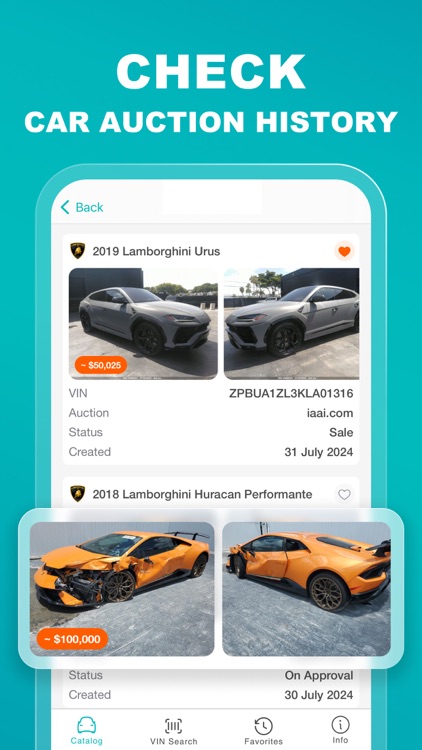
Inspecting Accident And Damage History
Inspecting a car’s accident and damage history reveals important details about its past. This helps avoid costly repairs and safety risks. Damage reports show if the vehicle had serious crashes or minor dents. Understanding these reports guides better buying decisions.
Types Of Damage To Look For
- Frame damage: A bent or twisted frame affects safety and handling.
- Airbag deployment: Indicates a strong impact during a crash.
- Paint repairs: Signs of patched up damage or rust prevention.
- Flood damage: Corrosion in wiring and engine parts can cause issues.
- Suspension damage: Affects ride comfort and vehicle control.
- Windshield or window damage: Cracks or replacements may hide accidents.
Interpreting Damage Reports
Damage reports list repairs and incidents the vehicle experienced. Check the severity of each issue. Minor dents or scratches are usually not a concern. Major repairs like frame straightening need careful consideration.
Note the timing of the damage. Recent repairs may indicate ongoing problems. Old damages properly fixed often pose less risk. Look for consistent details across the report and physical inspection.
Use the report to ask the seller specific questions. Confirm if repairs were done by professionals. Verify if replacement parts are original or aftermarket. A clear and honest damage history adds confidence in the purchase.

Credit: apps.apple.com
Verifying Service And Maintenance Records
Verifying service and maintenance records is a crucial step in checking a car’s history. These records tell the story of how well the car was cared for. They reveal if the car had regular check-ups or if any major repairs were done. This information helps predict the car’s future reliability and performance.
Importance Of Regular Maintenance
Regular maintenance keeps a car running smoothly. It prevents small problems from becoming big, costly repairs. A well-maintained car often lasts longer and performs better. It also holds its value higher in the market.
Oil changes, tire rotations, brake checks, and fluid replacements are common maintenance tasks. These simple steps protect the engine and other vital parts. Without regular care, cars can develop serious issues that affect safety and efficiency.
Where To Find Service History
Service history can be found in several places. The car’s owner might keep paper receipts or a service booklet. These documents list all maintenance work done over time.
Authorized dealerships and repair shops often store service records digitally. They can provide a full report upon request. Online vehicle history reports may also include maintenance data.
Always ask the seller for service records before buying. Missing records do not always mean bad care, but their presence adds confidence. Checking these records helps make a smart buying decision.
Using Physical Inspection And Expert Advice
Using physical inspection and expert advice offers a clear picture of a car’s history. It helps reveal hidden issues that online reports might miss. You get to see the car up close and understand its true condition. Expert advice adds value by pointing out problems only trained eyes can spot.
Hiring A Mechanic
A professional mechanic brings experience and knowledge to the inspection. They know what signs to watch for in used cars. Mechanics can spot repairs, accidents, or wear and tear easily. Hiring one saves time and reduces risk. They provide a detailed report on the car’s health. This advice helps in making a smart buying decision.
What To Check During Inspection
Start with the car’s exterior and interior condition. Look for dents, scratches, or rust spots. Check the tires for even wear and tread depth. Open the hood to inspect the engine and fluids. Listen for unusual noises when the engine runs. Test the brakes and suspension for smooth operation.
- Check the odometer for mileage consistency
- Inspect the lights and indicators for proper function
- Look for signs of water damage inside the car
- Test all seat belts and safety features
- Review the vehicle identification number (VIN) on the car and documents
Physical inspection combined with expert advice reduces surprises after purchase. It offers peace of mind and real insight into the car’s history.
Cross-checking With Government And Insurance Databases
Cross-checking car history with government and insurance databases is vital. These sources hold accurate, official data. They help reveal hidden issues that sellers may not mention. Accessing these records can prevent costly surprises after buying a car.
Government databases track vehicle recalls and legal statuses. Insurance databases show claim histories and accident reports. Using both gives a fuller picture of the car’s past. This step adds confidence to your purchase decision.
Recall Information
Government agencies maintain recall records for all vehicles. Recalls address safety defects or problems. Checking recalls ensures the car is safe to drive. You can enter the vehicle identification number (VIN) online. The system shows if the car has unresolved recalls.
Recall details include:
- Type of defect found
- Manufacturer’s recommended repairs
- Status of recall completion
Ignoring recall checks risks owning an unsafe car. Always verify this information before buying.
Insurance Claims History
Insurance databases track claims made on the car. Claims reveal accidents, damages, or theft reports. This history shows how well the car was cared for. A clean record suggests fewer problems.
Insurance claim details include:
- Date and type of incident
- Damage severity
- Repair costs
Knowing claim history helps estimate future repair needs. It also affects the car’s resale value. Cross-checking this data protects you from hidden risks.
Red Flags And Warning Signs
Recognizing red flags and warning signs in a car’s history is crucial. These clues can reveal hidden problems or dishonest practices. Spotting them helps avoid costly mistakes and ensures a safer purchase. Below are key warning signs to watch out for when checking car history.
Inconsistent Information
Inconsistent details in a car history report raise concerns. Differences in mileage records, accident reports, or service dates need attention. For example, if the odometer reading drops or jumps unexpectedly, it may indicate tampering. Conflicting data about previous damages or repairs can hide serious issues. Always compare the report with the seller’s information carefully.
Unusual Ownership Patterns
Frequent changes in ownership in a short time suggest problems. Cars sold multiple times within a year or two might have hidden defects. Some owners sell quickly to avoid costly repairs or legal issues. Also, a history showing owners from different states can complicate tracking the car’s condition. Understanding ownership patterns helps assess the vehicle’s reliability and history better.

Credit: theusaleaders.com
Final Tips For Confident Car Buying
Buying a car is a big decision, and feeling confident about your choice makes all the difference. You want to avoid surprises and ensure the vehicle is worth your investment. These final tips will help you bring everything together and trust your decision when checking a car’s history.
Combining Multiple Sources
Relying on just one report might leave gaps in the car’s story. Use several sources like Carfax, AutoCheck, and the National Motor Vehicle Title Information System. Each platform may reveal different details, from accident history to title issues.
Think about asking the seller for maintenance records and running a quick VIN check with your local DMV. Gathering a wide range of information lets you build a clearer picture of the vehicle’s past.
Trusting Your Instincts
Numbers and reports matter, but so does how you feel about the car and the seller. If something feels off during the test drive or negotiation, pause and reconsider. Sometimes, your gut picks up on details a report can’t show.
Remember a friend who ignored a bad feeling and later faced costly repairs? Don’t let excitement cloud your judgment. Trust your instincts alongside the facts to make a smart choice.
Credit: www.nerdwallet.com
Frequently Asked Questions
How Do I Find A Car’s History Report?
You can find a car’s history report using its VIN on websites like Carfax or AutoCheck. These reports show previous accidents, ownership, and title status. Using a reputable service ensures accurate and detailed information to help you make informed decisions.
What Information Is Included In A Car History Report?
A car history report includes accident records, title status, service history, and previous owners. It may also list mileage records and recalls. This information helps buyers assess a vehicle’s condition and avoid potential issues before purchase.
Can I Check Car History For Free?
Some websites offer limited free car history checks using the VIN. However, detailed reports usually require a fee. Free checks can provide basic info, but paid reports are more comprehensive and reliable for making informed buying decisions.
Why Is Checking Car History Important Before Buying?
Checking car history reveals hidden problems like accidents or title issues. It helps avoid costly repairs and fraud. Knowing a car’s past ensures you buy a reliable vehicle and negotiate a fair price confidently.
Conclusion
Checking a car’s history helps avoid costly mistakes. It shows past accidents, repairs, and ownership details. Knowing this information saves time and money. Use trusted sources and enter the car’s VIN for accurate results. Always take a few minutes to check before buying.
It gives peace of mind and protects your investment. Don’t skip this step when buying a used car. Simple, quick, and smart.