Craving a delicious cake or batch of cupcakes but find yourself out of powdered sugar? You’re not alone.
Many home bakers face this issue, and it can be frustrating when you want that perfect, smooth icing to top off your creation. But don’t worry! You can still achieve a delectable icing without reaching for powdered sugar. In this guide, we’ll explore simple and innovative alternatives that will not only satisfy your sweet tooth but also add a unique twist to your baked goods.
Get ready to discover easy solutions that will have you wondering why you ever needed powdered sugar in the first place. Read on to unlock the secrets of making icing that’s just as delightful and irresistible.
Ingredients Needed
Making icing without powdered sugar is easier than it sounds. The right ingredients create a smooth, sweet texture. Knowing what to use helps keep your recipe simple. Focus on common kitchen items and easy substitutes for powdered sugar. These ingredients work well to achieve that classic icing taste.
Common Substitutes For Powdered Sugar
- Granulated Sugar – Can be ground into a fine powder using a blender.
- Caster Sugar – Finer than granulated sugar and dissolves quickly.
- Brown Sugar – Adds a slight caramel flavor and moisture.
- Confectioners’ Sugar Alternatives – Mix cornstarch with granulated sugar for a powdered effect.
- Honey or Maple Syrup – Use for natural sweetness and moisture, but adjust other liquids.
Essential Pantry Items
- Butter – Softened for creamy texture and rich flavor.
- Milk or Cream – Helps thin the icing to the perfect consistency.
- Vanilla Extract – Adds a sweet, aromatic flavor to the icing.
- Cornstarch – Thickens the icing and prevents clumping.
- Lemon Juice – Adds a fresh, tangy taste and balances sweetness.

Credit: www.copymethat.com
Simple Icing Recipes
Simple icing recipes without powdered sugar can save your baking day when you’re in a pinch. These easy alternatives use common kitchen ingredients and still deliver that sweet, smooth finish you want on cakes, cookies, or cupcakes. Let’s look at a few straightforward ways to make icing that works just as well.
Using Granulated Sugar
You can create a simple syrup from granulated sugar to make icing. Start by boiling equal parts sugar and water until the sugar dissolves completely and the mixture thickens slightly.
Once cooled, whisk in a little butter or cream cheese for richness and flavor. This icing won’t be as fluffy as powdered sugar versions but offers a glossy, sweet glaze perfect for drizzling.
Using Cornstarch And Sugar
Cornstarch can help thicken your icing when combined with regular sugar. Mix sugar, cornstarch, and a pinch of salt in a saucepan, then add milk slowly and heat gently while stirring.
When it thickens, remove from heat and beat in a bit of butter for creaminess. This method creates a smooth, spreadable icing that holds well and tastes clean without graininess.
Using Honey Or Syrup
Honey and syrup bring natural sweetness and moisture to icing without any need for powdered sugar. Combine honey or maple syrup with softened cream cheese or butter, then add a splash of milk to adjust consistency.
This icing is naturally glossy and has a rich flavor profile that pairs beautifully with spiced or nutty baked goods. Have you tried swapping sugar for honey in your frosting before?
Step-by-step Preparation Tips
Creating icing without powdered sugar might seem tricky at first, but with the right approach, you can achieve a smooth and creamy texture that rivals store-bought versions. The key lies in understanding each step of the preparation and adjusting as you go. Let’s dive into practical tips that will help you master this process easily.
Grinding Sugar At Home
Start by turning regular granulated sugar into a finer powder. A high-speed blender or a coffee grinder works well for this task. Pulse the sugar in short bursts, checking frequently to avoid overheating or clumping.
Make sure your sugar is completely dry before grinding. Moisture will cause it to clump and won’t create the smooth texture needed for icing. If you don’t have a grinder, consider using a mortar and pestle to crush small batches manually.
Mixing Techniques
Once you have your finely ground sugar, combine it with butter or cream cheese for a rich base. Use a hand mixer or stand mixer to blend at medium speed. This helps incorporate air, making your icing light and fluffy.
Don’t rush the mixing. Gradually add liquids like milk or vanilla extract to prevent the icing from becoming too runny. Watch the texture closely—too much liquid can make it difficult to spread.
Adjusting Consistency
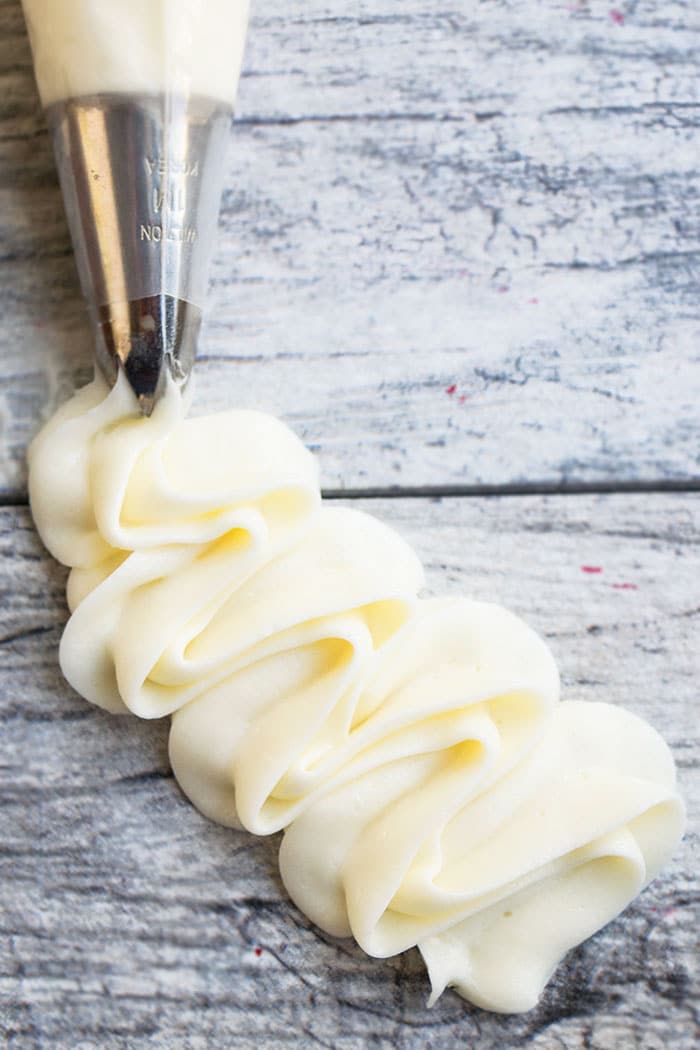
Consistency is everything when it comes to icing. If your mixture feels too thick, add a teaspoon of milk or cream at a time until you reach your desired softness. On the other hand, if it’s too thin, sprinkle in a bit more of your homemade powdered sugar.
Test the icing by spreading a small amount on a plate. Does it hold its shape but still spread easily? If not, adjust accordingly. This hands-on approach ensures your icing works perfectly for decorating or frosting.
Credit: cakewhiz.com
Flavor Variations
Flavor variations can transform a simple icing made without powdered sugar into something truly special. By adjusting the taste, you can match the icing perfectly to your dessert or your mood. It’s all about experimenting with ingredients that bring out unique profiles and make your icing stand out.
Adding Vanilla Or Extracts
Vanilla extract is a classic way to add depth to your icing. Just a teaspoon can enhance the sweetness and add a warm aroma that makes the icing feel homemade and comforting.
But don’t stop at vanilla. Almond, coconut, or even peppermint extract can shift the flavor entirely. Imagine a hint of peppermint in your icing for holiday treats or almond for a nutty twist. These extracts are easy to find and require only a small amount to make a big difference.
Incorporating Cocoa Or Spices
If you want a richer, more complex icing, try adding cocoa powder. It turns your icing into a chocolatey delight without the need for powdered sugar. Use unsweetened cocoa and adjust the sweetness with honey or syrup to keep the balance right.
Spices like cinnamon, nutmeg, or ginger also work wonders. A pinch of these can add warmth and a subtle kick. Ever thought about how a dash of cinnamon could elevate your frosting for autumn-themed cakes? It’s simple, yet effective.
- Add 1-2 teaspoons of cocoa powder to your base icing.
- Sprinkle ¼ teaspoon of cinnamon or nutmeg for a spiced touch.
- Mix well and taste as you go to find your perfect flavor.
Which flavor will you try first? Don’t hesitate to mix and match extracts and spices to create your signature icing. Your next dessert could be your best yet.
Storage And Usage Tips
Storing icing made without powdered sugar requires care to keep it fresh and tasty. Proper storage helps maintain the right texture and flavor for your baked treats. Using the icing wisely can enhance your desserts and prevent waste.
Keeping Icing Fresh
Store homemade icing in an airtight container. Keep it in the refrigerator to slow spoilage. Bring it to room temperature before use for smooth spreading. Stir gently to restore texture if it thickens. Avoid leaving icing out for long periods to prevent drying or spoilage.
Best Uses For Homemade Icing
This icing works well on cookies, cupcakes, and cakes. Use it as a glaze or a thin layer for a light sweetness. It also makes a great filling between cake layers. Experiment with adding flavors like vanilla or lemon for variety. Use quickly after making for the best taste and texture.

Credit: www.youtube.com
Frequently Asked Questions
Can I Use Granulated Sugar For Icing Instead Of Powdered Sugar?
Yes, you can use granulated sugar by blending it into a fine powder. This homemade powdered sugar works well for smooth icing.
What Ingredients Replace Powdered Sugar In Homemade Icing?
Common alternatives include cornstarch, milk, butter, and vanilla extract. These combine to create a smooth, sweet icing without powdered sugar.
How Do I Make Icing Without Powdered Sugar?
Mix butter and milk with cornstarch and vanilla extract. Whisk until smooth and creamy for a perfect icing substitute.
Will Icing Taste Different Without Powdered Sugar?
Icing may taste slightly less sweet and have a different texture. Proper mixing helps achieve a smooth, tasty alternative.
Conclusion
Making icing without powdered sugar is easy and quick. You only need a few simple ingredients. Try using granulated sugar, cornstarch, or cream cheese for different flavors. Mixing well is the key to smooth texture. You can adjust sweetness to your taste.
This way, you don’t need to buy special sugar. Enjoy decorating your cakes with homemade icing. It saves money and adds a personal touch. Give these methods a try next time you bake. Simple, tasty, and ready in minutes.