
Are you struggling to figure out how to measure 2 3 cup accurately for your recipe? You’re not alone.
Getting the right amount can make all the difference in how your dish turns out. Whether you don’t have the exact measuring tool or just want a quick trick, this guide will show you simple, foolproof ways to measure 2 3 cup every time.
Keep reading, and you’ll never have to guess again.

Credit: rhondasues.com
Choosing The Right Measuring Tools
Measuring ingredients correctly is important in cooking and baking. Using the right tools helps you get the exact amount you need.
Different tools work best for dry and liquid ingredients. Knowing which to use can save time and avoid mistakes.
Dry Vs Liquid Measuring Cups
Dry and liquid measuring cups look similar but work differently. Dry cups are usually made of plastic or metal and meant to be filled to the top and leveled off.
Liquid cups are often glass or clear plastic with measurements marked on the side. They let you see the level of liquid to avoid spills.
| Type | Material | Best for | How to Use |
| Dry Measuring Cups | Plastic, Metal | Flour, Sugar, Grains | Fill, then level off with a straight edge |
| Liquid Measuring Cups | Glass, Clear Plastic | Water, Oil, Milk | Place on flat surface and check eye level |
Using Spoons For Precision
Spoons help measure small amounts of ingredients. They are good for spices, baking powder, and extracts.
- Use level teaspoons or tablespoons for accuracy.
- Fill the spoon and level it with a flat edge.
- Use measuring spoons, not regular spoons from your kitchen.
- Check the measurement marks on the spoon handle.
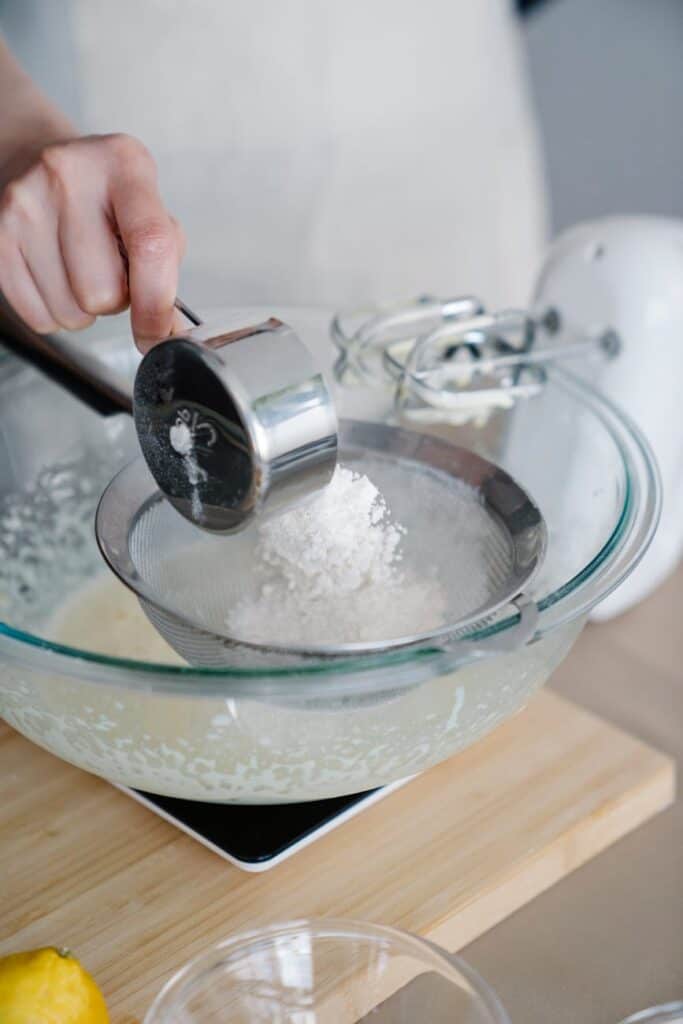
Credit: www.recipesandplaces.com
Converting 2/3 Cup To Other Units
Measuring ingredients accurately is important in cooking and baking. Sometimes, you need to convert cups to other units. This guide shows how to convert 2/3 cup into tablespoons, teaspoons, milliliters, and fluid ounces.
Knowing these conversions helps you follow recipes better. It also makes measuring easier if you lack certain tools.
Tablespoons And Teaspoons
Two-thirds of a cup equals a specific number of tablespoons and teaspoons. This helps when you only have small measuring spoons.
Here are the conversions:
- 2/3 cup = 10 tablespoons and 2 teaspoons
- Since 1 cup = 16 tablespoons, multiply 2/3 by 16
- 2/3 × 16 = 10.67 tablespoons, or 10 tablespoons + 2 teaspoons
Milliliters And Fluid Ounces
Milliliters and fluid ounces are common units in many kitchens. Converting 2/3 cup to these units is simple.
Use these conversions:
- 2/3 cup = 158 milliliters (ml)
- 2/3 cup = 5.33 fluid ounces (fl oz)
- 1 cup = 240 milliliters or 8 fluid ounces
- Multiply 2/3 by 240 for milliliters
- Multiply 2/3 by 8 for fluid ounces
Techniques For Accurate Measurement
Measuring 2/3 cup of ingredients is easy with the right technique. Accuracy helps your recipe turn out well every time.
Using proper tools and methods avoids mistakes. This guide explains how to measure 2/3 cup correctly.
Leveling Off Ingredients
Fill the measuring cup until it is slightly over the top. Then use a flat edge to level off the ingredient.
Leveling gives you the exact amount without extra. It works well for flour, sugar, and other dry items.
- Use the back of a knife or spatula as a flat edge
- Scrape gently across the cup’s rim
- Remove excess ingredient falling off the cup
Avoiding Packing Or Air Gaps
Do not press down or shake the ingredient in the cup. This can pack it too tightly and add extra volume.
For light ingredients like flour, spoon it into the cup lightly. This prevents air gaps and keeps measurement true.
- Spoon ingredients gently into the cup
- Do not tap or press ingredients down
- Check for holes or gaps in the cup
Tips For Measuring Different Ingredients
Measuring ingredients correctly makes a big difference in cooking and baking. Using the right tools helps you get exact amounts every time.
Some ingredients need special care when measuring. Here are tips for measuring common types like flour, liquids, and sticky items.
Flour And Dry Goods
Flour and other dry ingredients can pack tightly if scooped wrong. Use a spoon to fill your measuring cup lightly.
Level off the top with a flat edge like a knife. This stops you from adding too much flour.
- Spoon flour into the cup gently
- Do not shake or tap the cup
- Use a straight edge to level off
Liquids And Oils
Use a clear measuring cup with a spout for liquids. Place it on a flat surface to read the measurement at eye level.
Pour slowly to avoid spilling. For thick oils, tilt the cup slightly to help it flow better.
- Use a clear cup with measurement marks
- Place on a flat surface
- Read the level at eye height
- Pour liquids slowly
Sticky And Granular Items
Sticky ingredients like honey or syrup stick inside the cup. Lightly oil the cup before measuring to help release them.
Granular items like sugar can be scooped and leveled like flour. Use the same spoon-and-level method for accuracy.
- Oil the measuring cup for sticky items
- Spoon granular items into the cup
- Level off with a flat edge
Using Kitchen Scales For Precision
Measuring ingredients by volume can be tricky. Using kitchen scales gives more exact amounts. This helps with baking and cooking recipes accurately.
Scales show weight in grams or ounces. They remove guesswork from measuring cups and spoons. This method is great for small or uneven ingredients.
Weighing Instead Of Measuring
Weighing ingredients is more reliable than using cups or spoons. For example, 2/3 cup of flour can vary in weight depending on packing.
- Place a bowl on the scale and zero it out.
- Add the ingredient until the scale shows the correct weight.
- Use a conversion chart for the ingredient’s weight.
- Adjust the weight slightly for better accuracy.
Converting Weight To Volume
To find 2/3 cup, convert it to weight using a chart. Different ingredients have different weights per cup.
| Ingredient | Weight for 1 Cup (grams) | Weight for 2/3 Cup (grams) |
| Flour | 120 | 80 |
| Sugar | 200 | 133 |
| Butter | 227 | 151 |
Common Mistakes To Avoid
Measuring 2 3 cup can be tricky if you do not use the right techniques. Small errors can change your recipe’s outcome.
Knowing what mistakes to avoid helps you get accurate measurements every time. This saves time and ingredients.
Overfilling Or Underfilling Cups
Overfilling a measuring cup means adding too much ingredient. Underfilling means adding too little. Both cause problems in recipes.
Make sure to fill the cup to the exact line. Use a flat edge to level off dry ingredients. For liquids, check the level at eye height.
- Do not pack dry ingredients unless the recipe says so.
- Check liquid measurements on a flat surface.
- Use the correct measuring cup for dry or liquid ingredients.
Ignoring Ingredient Density
Ingredient density affects volume measurement. One cup of flour weighs less than one cup of sugar. This affects recipe results.
Use the right measuring tool and technique for each ingredient. Spoon dry ingredients into the cup without packing. Pour liquids gently.
- Flour: light and fluffy, spoon into cup and level.
- Sugar: can be packed or loose based on recipe.
- Liquids: measure in clear cups at eye level.

Credit: rhondasues.com
Frequently Asked Questions
What Is 2/3 Cup In Tablespoons?
2/3 cup is equivalent to approximately 10 tablespoons plus 2 teaspoons. This conversion helps in precise measuring.
How Do I Measure 2/3 Cup Without A Cup?
You can use 10 tablespoons and 2 teaspoons to measure 2/3 cup. This method is accurate.
Can I Use A 1/3 Cup Twice For 2/3 Cup?
Yes, filling a 1/3 cup twice equals 2/3 cup. It’s a simple and precise method.
Is 2/3 Cup The Same As 5 Ounces?
No, 2/3 cup is approximately 5. 33 fluid ounces. Always use a measuring cup for accuracy.
Conclusion
Measuring 2 3 cup is simple with the right tools. Use a 1-cup measure and fill it two-thirds full. You can also combine smaller measures to reach the amount. Practice helps you get better and faster. Always level off dry ingredients for accuracy.
This way, your recipes turn out just right every time. Keep these tips in mind for easy and precise measuring. Cooking becomes more fun and less stressful when you measure well.