Are you tired of scrubbing burnt food off your pans? Knowing if your pan is truly nonstick can save you time and frustration in the kitchen.
But how can you tell if a pan is really nonstick or just looks like it? Understanding the signs will help you cook better, clean faster, and protect your cookware investment. Keep reading, and you’ll learn simple ways to spot a genuine nonstick pan before your next meal.

Credit: www.reddit.com
Signs Of Nonstick Coating
It can be hard to tell if a pan is nonstick just by looking at it. Nonstick pans have special coatings that stop food from sticking. Knowing the signs helps you pick the right pan for cooking.
Check the surface and color of the pan. Look for scratches or peeling that can show wear. These clues tell you if the pan has a good nonstick coating.
Smooth And Shiny Surface
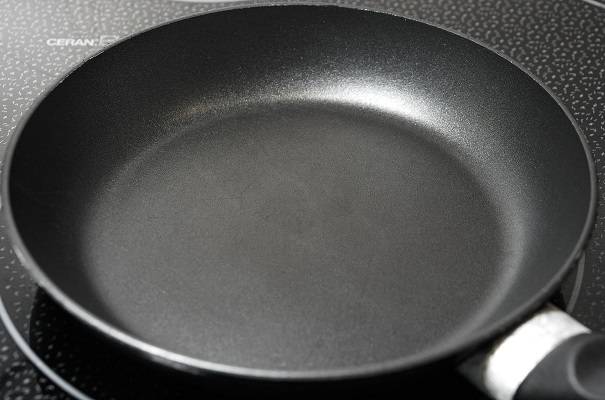
Nonstick pans usually have a smooth surface that feels sleek to touch. The surface looks shiny or glossy. This finish helps food slide off easily during cooking.
If the pan feels rough or bumpy, it may not have a good nonstick coating. A smooth and shiny surface is a strong sign of nonstick material.
Dark Or Black Interior
Many nonstick pans have a dark or black inside. This color comes from the nonstick layer applied to the pan. It helps stop food from sticking and burning.
If the pan’s interior is silver or light-colored, it may not be nonstick. Dark or black color is a common sign of nonstick coating.
Lack Of Scratches Or Peeling
Nonstick pans should have a smooth surface without scratches or peeling. Scratches can damage the coating and reduce its nonstick ability. Peeling shows the coating is wearing off.
Look closely for any damage. A pan with no scratches or peeling is likely to have a good nonstick coating that lasts longer.
Credit: www.hellofresh.com
Material Clues
Knowing if a pan is nonstick helps you cook better. You can check the material to find out.
Some materials often show if a pan has a nonstick coating. Look closely at the metal and texture.
Aluminum Or Lightweight Metals
Nonstick pans usually use aluminum or other light metals. These metals heat quickly and spread heat well.
If a pan feels light and easy to lift, it might be nonstick. Heavy pans often use different materials.
- Aluminum pans are lighter than cast iron
- Nonstick coatings stick well to aluminum
- Lightweight pans often have a smooth surface
Absence Of Stainless Steel Texture
Stainless steel pans have a shiny, slightly rough texture. Nonstick pans often lack this texture.
If the pan’s surface is smooth and dark, it may have a nonstick coating. Stainless steel pans look different.
- Stainless steel pans feel firm and rough
- Nonstick pans have a smooth, often black surface
- Look for no metal grain or shine on nonstick pans
Testing Nonstick Properties
Knowing if a pan is truly nonstick is important for cooking. You can test it easily at home. Simple tests show how well food will release.
These tests help you check the pan’s surface before use. They show if the coating works right and lasts long.
Water Droplet Test
Heat the pan slightly and drop a few water drops on it. Watch how the water acts on the surface.
If the water beads up and rolls easily, the pan likely has a good nonstick surface. If it spreads flat, it may not be nonstick.
- Beading water shows a smooth, nonstick surface
- Flat water means the pan may stick to food
- Try on a warm pan for best results
Cooking Oil Behavior
Pour a small amount of cooking oil into the heated pan. Notice how the oil moves and spreads.
In a nonstick pan, oil stays in droplets or moves smoothly. In a sticky pan, oil spreads unevenly or clings to spots.
- Oil beads up on nonstick surfaces
- Uneven oil spread can mean damage or no coating
- Smooth movement shows good nonstick quality
Food Release Check
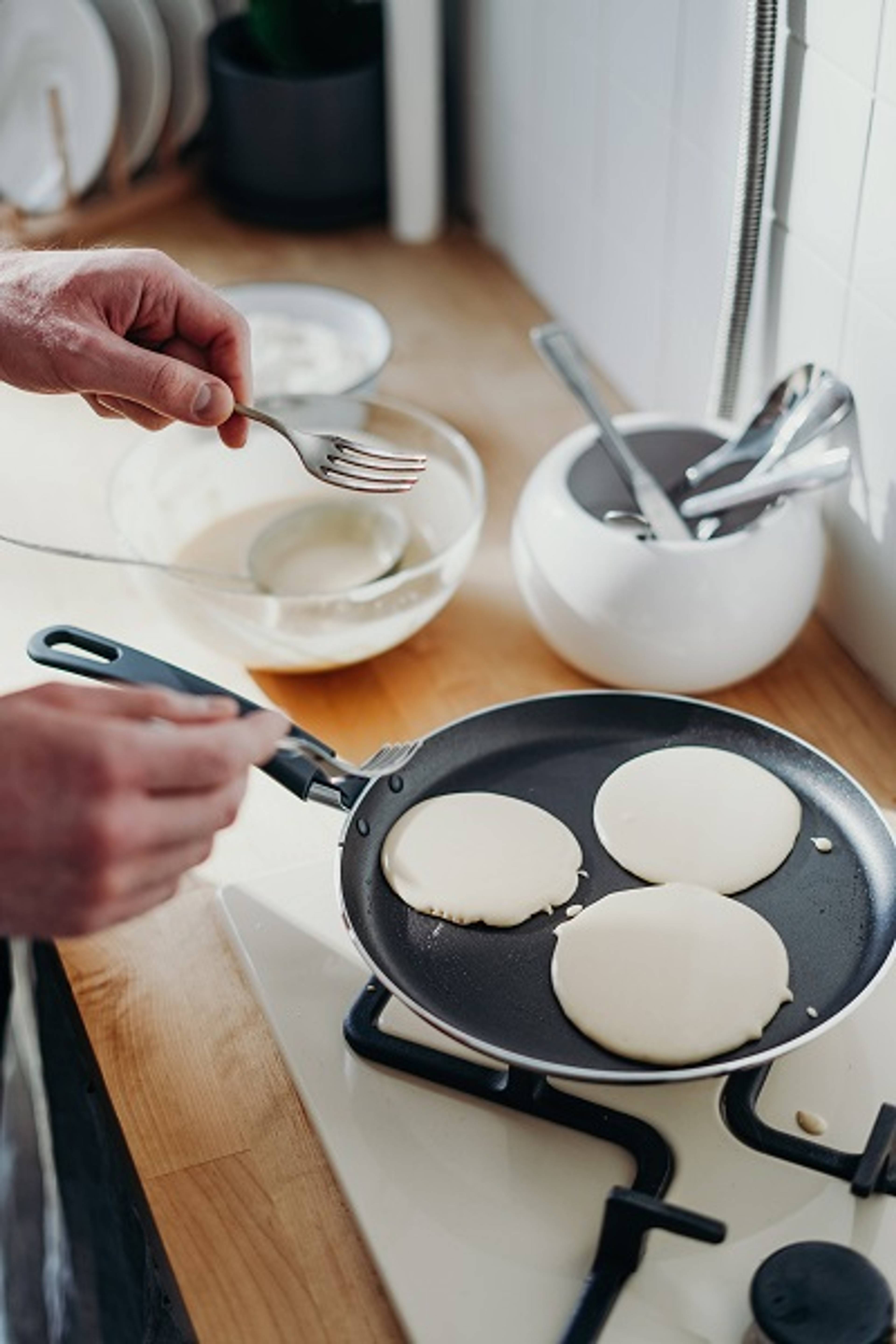
Cook a small piece of food like an egg or pancake on the pan. Watch how easily it moves or sticks.
If the food slides or flips easily, the pan is nonstick. If it sticks or tears, the surface may be worn or not nonstick.
- Food should slide off with little effort
- Sticking means the coating is damaged or absent
- Test with common sticky foods for clear results
Labels And Brand Information
Knowing if a pan is nonstick can save time and effort in the kitchen. Labels and brand details provide clear clues.
Look closely at the pan’s markings and packaging to confirm its coating type. Trusted brands often provide reliable information.
Manufacturer’s Markings
Many pans have markings on the bottom or handle. These marks often say if the pan is nonstick.
Look for words like “nonstick,” “coated,” or specific coating names such as “PTFE” or “Teflon.”
- Check the pan’s base for stamped or printed text.
- Nonstick pans usually mention the coating type.
- Some manufacturers add symbols or logos for nonstick surfaces.
Packaging Details
Packaging often gives clear information about the pan’s surface. Nonstick pans usually highlight this feature.
Look for phrases like “easy release,” “nonstick coating,” or care instructions specific to nonstick surfaces.
- Read the front and back of the box carefully.
- Instructions may mention how to clean nonstick pans.
- Packaging often shows icons that represent nonstick features.
Trusted Brand Indicators
Certain brands are known for making quality nonstick cookware. Their reputation helps identify genuine nonstick pans.
Look for brand names that specialize in cookware or have clear product lines with nonstick options.
- Research brands with good customer reviews on nonstick pans.
- Trusted brands often provide detailed product information online.
- Check if the brand offers warranties on nonstick coatings.
Maintenance Tips For Nonstick Pans
Nonstick pans make cooking easy and cleanup faster. Proper care helps keep their surface smooth and effective. Follow simple tips to maintain your pan’s coating and extend its life.
Understanding how to clean, protect, and store your pan will prevent damage. This guide covers key steps for each area of maintenance.
Cleaning Guidelines
Cleaning nonstick pans gently is important. Avoid harsh scrubbing that can scratch the surface. Use soft sponges and mild soap to keep the coating safe.
- Wait for the pan to cool before washing
- Use warm water and a soft sponge or cloth
- Avoid steel wool or abrasive scrubbers
- Do not use strong chemical cleaners
- Dry the pan completely before storing
Avoiding Damage
Nonstick pans can lose their coating if they get scratched or overheated. Use the right tools and heat settings to protect your pan.
| Risk | How to Avoid |
| Scratches from metal utensils | Use wooden, silicone, or plastic tools |
| High heat damage | Cook on low to medium heat only |
| Thermal shock (hot pan in cold water) | Let pan cool before washing |
Proper Storage
Storing your nonstick pan correctly prevents scratches and dents. Keep it safe from heavy objects and avoid stacking pans without protection.
- Hang pans by their handles if possible
- Place a soft cloth or paper towel between stacked pans
- Store in a dry place to prevent rust on metal parts
- Keep lids separate or upside down to avoid pressure
:max_bytes(150000):strip_icc()/kyocera-ceramic-nonstick-frying-pan-3fbf16b61b88439e9dc27b0f2fb41919.jpg)
Credit: www.seriouseats.com
Frequently Asked Questions
How Do I Identify A Nonstick Pan?
A nonstick pan typically has a smooth, shiny surface. It feels slick to the touch. Most nonstick pans have a dark coating. They often come with labels indicating their nonstick nature. Check the manufacturer’s description for confirmation.
What Does A Nonstick Pan Look Like?
Nonstick pans usually feature a dark, glossy coating. This coating often appears uniform and smooth. The pan surface lacks visible pores or texture. They often have a sleek, modern design. Nonstick pans are available in various colors and finishes.
Can I Test If My Pan Is Nonstick?
Yes, you can test your pan’s nonstick properties. Lightly rub the surface with your fingers. It should feel slippery or smooth. Cook a small amount of food without oil. If it releases easily, it’s likely nonstick. Always refer to the manufacturer’s instructions for verification.
Are All Black Pans Nonstick?
Not all black pans are nonstick. The color alone doesn’t determine nonstick properties. Some black pans are cast iron or ceramic. Check for a smooth, shiny coating. Always verify with product descriptions or labels. Black is a common color but not definitive for nonstick.
Conclusion
Knowing if a pan is nonstick helps you cook better. Check the surface for smoothness and shine. A true nonstick pan feels slick to touch. Food slides off easily without much oil. Avoid pans with scratches or rough spots. Using the right pan keeps food from sticking.
Choose wisely to save time and effort. Cooking becomes more enjoyable and less messy. Remember these tips next time you shop. A good nonstick pan makes a big difference.