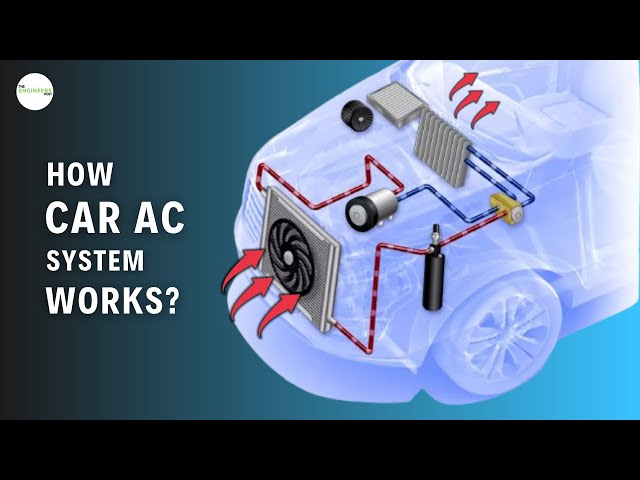
Have you ever wondered how your car’s air conditioner keeps you cool on a hot day? Understanding how a car air conditioner works can help you appreciate this lifesaver during summer drives—and even spot problems early.
You’ll discover the simple steps behind the cooling process inside your vehicle. By the time you finish reading, you’ll know exactly what makes your car’s AC tick and how to keep it running smoothly. Ready to unlock the secrets of your car’s cool comfort?
Let’s dive in!
Basic Components
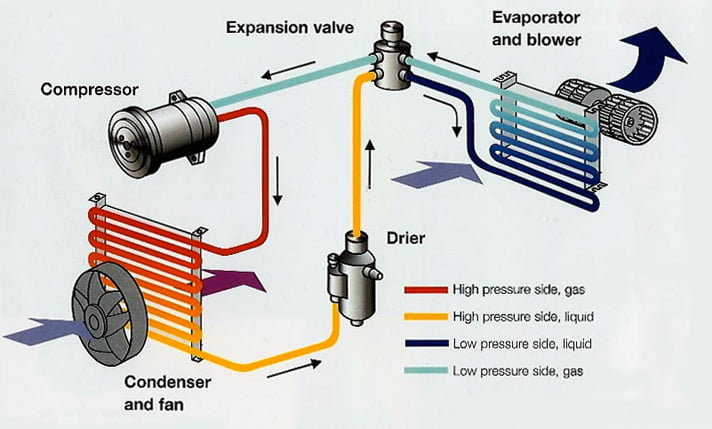
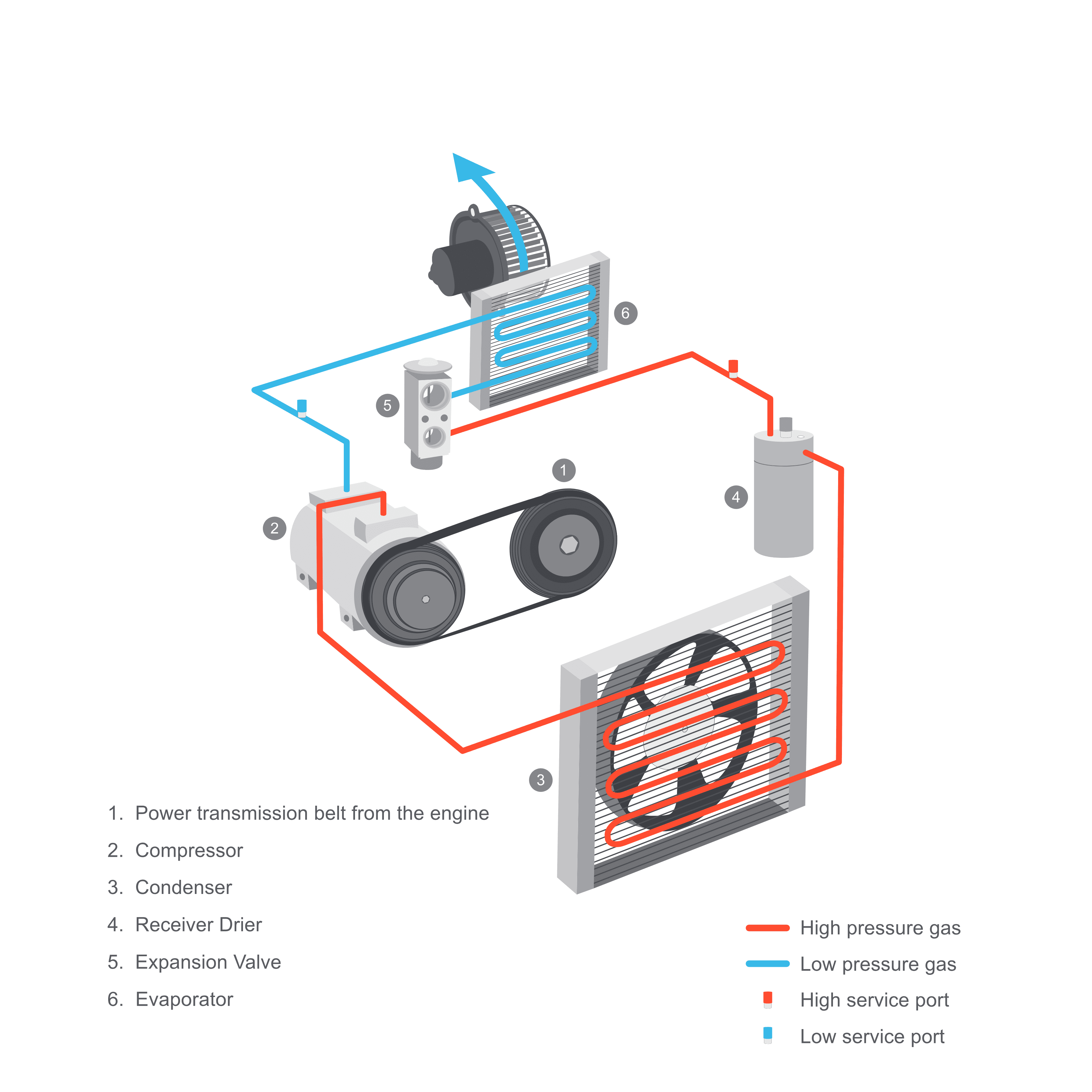
The car air conditioner has several key parts that work together to cool the air. Each part has a special job in the cooling cycle.
Understanding these parts helps you know how your car stays comfortable on hot days.
Compressor Role
The compressor pumps refrigerant through the system. It raises the pressure and temperature of the gas refrigerant. This makes the refrigerant ready to release heat in the condenser.
Condenser Function
The condenser cools down the hot gas from the compressor. It changes the gas into a high-pressure liquid by removing heat. The condenser is like a small radiator at the front of the car.
Evaporator Purpose
The evaporator absorbs heat from the car’s air inside the cabin. The refrigerant inside the evaporator changes from liquid to gas. This change cools the air that blows into the car.
Expansion Valve Importance
The expansion valve controls the flow of refrigerant. It lowers the pressure of the liquid refrigerant before it enters the evaporator. This pressure drop helps the refrigerant absorb heat.
- Regulates refrigerant amount
- Maintains correct pressure
- Prevents evaporator freezing
- Ensures efficient cooling
Credit: www.hdaccondenser.com
Cooling Cycle Explained
A car air conditioner keeps the inside cool by moving heat outside. It uses a special fluid called refrigerant. The refrigerant changes from gas to liquid and back. This change helps remove heat from the car’s air.
Understanding how the cooling cycle works helps you see why your car stays comfortable. The process involves three main parts: refrigerant flow, heat exchange, and air circulation.
Refrigerant Flow
The refrigerant flows through different parts of the air conditioner. It starts as a low-pressure gas. The compressor squeezes it into a high-pressure gas. Then, it moves to the condenser where it cools down and becomes liquid.
- Compressor increases refrigerant pressure
- Condenser cools gas into liquid
- Expansion valve lowers pressure of liquid
- Evaporator absorbs heat and turns refrigerant back to gas
Heat Exchange Process
The heat exchange is how the air conditioner removes heat from the car. The hot refrigerant releases heat in the condenser. Outside air cools it down. Inside, the evaporator absorbs heat from the car’s air. This makes the air inside cool.
| Component | Function | Heat Role |
| Compressor | Pressurizes refrigerant | Raises temperature |
| Condenser | Cools refrigerant to liquid | Releases heat outside |
| Expansion Valve | Reduces refrigerant pressure | Prepares for cooling |
| Evaporator | Absorbs heat from air | Cools car’s inside air |
Air Circulation
The air circulation moves air through the car’s cabin. Warm air from inside passes over the cold evaporator. The air cools down and flows out through the vents. Fans help push the air, keeping the car cool and fresh.
- Warm air enters the air conditioner
- Air passes over the cold evaporator
- Heat transfers from air to refrigerant
- Cool air blows into the car cabin
- Fans keep air moving constantly
Common Issues
Car air conditioners can stop working well for different reasons. Knowing common problems helps you fix them faster.
This guide explains frequent issues like leaks, compressor troubles, clogged parts, and electrical faults.
Refrigerant Leaks
Refrigerant is the fluid that cools the air in your car. If it leaks, the air conditioner loses cold air.
Leaks can happen in hoses, seals, or the compressor. Signs include less cooling and a hissing sound.
Compressor Failures
The compressor pumps refrigerant through the system. If it stops working, cooling stops too.
- The clutch does not engage.
- Strange noises come from the compressor.
- The compressor overheats or leaks oil.
Clogged Condenser
The condenser cools the refrigerant by passing air through fins. Dirt or bugs can block airflow.
| Cause | Effect |
| Dirt buildup | Reduced cooling |
| Leaves and debris | Overheating |
| Physical damage | Leaks and low pressure |
Electrical Problems
Electrical issues can stop the AC from turning on or working properly. Fuses, switches, or wiring may fail.
Common electrical problems include:
- Blown fuses
- Faulty pressure switches
- Bad relays or wiring
- Malfunctioning control modules
Maintenance Tips
Keeping your car air conditioner in good shape helps it work well. Regular care stops problems before they start.
Simple checks and cleaning keep the system fresh and cool. Follow these tips to maintain your car AC.
Regular Inspections
Look for signs of damage or leaks in the AC system often. Check hoses, belts, and compressor condition.
Listen for strange noises and notice if cooling feels weak. Early detection saves time and money.
Cleaning Components
Clean the air filter and vents to remove dust and dirt. Dirty parts lower air quality and reduce cooling.
- Remove the cabin air filter and shake out debris.
- Use a soft brush to clean vent openings.
- Wipe down condenser fins carefully to avoid damage.
- Keep the blower motor area free from dust buildup.
Refrigerant Refills
Refrigerant cools the air inside your car. Low levels reduce efficiency and cause warm air.
| Sign of Low Refrigerant | What to Do |
| Weak cooling | Check and refill refrigerant |
| Hissing sounds | Inspect for leaks |
| Ice on evaporator | Service the AC system |
Professional Servicing
Take your car to a technician yearly. They test pressure, check for leaks, and clean hard parts.
Professional service includes:
- Checking compressor and belts
- Refilling refrigerant safely
- Cleaning condenser and evaporator coils
- Testing system for leaks and performance
Energy Efficiency
Car air conditioners use energy to cool the inside of a vehicle. Saving energy helps reduce fuel use and pollution. Small changes can make the air conditioner work better and use less power.
Understanding how to keep your car cool efficiently can lower your energy costs and keep your ride comfortable. Let’s look at simple ways to improve energy efficiency.
Optimal Temperature Settings
Setting the right temperature helps the air conditioner use less energy. A very low setting makes the system work harder and wastes fuel. A moderate setting cools the car comfortably without extra effort.
- Set the temperature around 24°C (75°F) for comfort and savings.
- Avoid extreme cold settings inside the car.
- Use the air conditioner only when needed.
Reducing Load
Reducing heat load inside the car lowers energy use. Heat enters through windows and seats, making the air conditioner work harder. Simple steps can reduce this load.
| Method | Effect on Energy Use |
| Park in the shade | Less heat inside car |
| Use sunshades on windows | Blocks sunlight |
| Keep windows slightly open when parked | Reduces heat buildup |
| Use light-colored seat covers | Reflects heat |
Upgrading Systems
Modern air conditioners use newer technology to save energy. Upgrading parts or the whole system can reduce power use and improve cooling.
- Replacing old refrigerant with eco-friendly types
- Installing a more efficient compressor
- Using variable speed fans
- Regular maintenance to keep system efficient
Credit: carwood.com
Troubleshooting Guide
Your car air conditioner is important for comfort. Sometimes it may stop working well. This guide helps you find and fix common problems.
Use simple checks to spot issues with your car AC. Fixing small problems can save time and money.
No Cold Air
If your AC blows warm air, it may be low on refrigerant. The compressor might also be failing. Check the AC settings and engine belt.
Sometimes the condenser or radiator is dirty. This blocks airflow and stops cooling. Clean these parts and check for leaks.
- Check refrigerant level and refill if needed
- Inspect compressor and engine belt
- Clean condenser and radiator
- Look for leaks in hoses and connections
Strange Noises
Unusual sounds like squealing or grinding can mean a problem. The compressor clutch or belt may be worn out. Fans or motors might be blocked.
Loose parts or debris can also cause noise. Check all AC components and tighten or replace parts as needed.
- Listen for squealing or grinding sounds
- Inspect compressor clutch and belt
- Check fan blades and motor
- Remove any debris or loose parts
Unpleasant Odors
Bad smells from the AC can come from mold or mildew. Moisture builds up in the system and causes odors. The cabin air filter might be dirty.
Cleaning the evaporator and replacing the cabin filter often removes smells. Use AC cleaners made for this purpose.
- Check for mold or mildew in the AC system
- Replace dirty cabin air filter
- Clean evaporator with AC cleaner
- Keep AC system dry to prevent odors
Water Leaks
Water inside the car can come from a clogged drain tube. The AC produces condensation that needs to drain outside. Dirt can block this tube.
Check the drain tube and clear any clogs. Also, inspect door seals and windows for leaks that let rain inside.
- Find and clear clogged AC drain tube
- Check door seals for damage
- Inspect windows for proper closing
- Dry wet carpets and mats to avoid mold

Credit: www.youtube.com
Frequently Asked Questions
How Does A Car Air Conditioner Cool The Air?
A car air conditioner cools air by circulating refrigerant through coils. It absorbs heat from inside the car and releases it outside, lowering the cabin temperature effectively.
What Are The Main Components Of A Car Ac System?
The main components include the compressor, condenser, evaporator, expansion valve, and refrigerant. Each part works together to cool and dehumidify the air inside the vehicle.
Why Is Refrigerant Important In Car Air Conditioners?
Refrigerant absorbs heat from the car’s interior and carries it outside. Without refrigerant, the AC system cannot cool the air or maintain comfortable temperatures.
How Often Should Car Ac Be Serviced?
Car AC should be serviced every 1-2 years to ensure optimal performance. Regular maintenance prevents leaks, checks refrigerant levels, and keeps the system running efficiently.
Conclusion
Understanding your car air conditioner is simpler than it seems. It cools the air using a few basic components. Compressor, condenser, and evaporator work together. They circulate refrigerant, turning hot air into cool. Knowing this process helps you maintain your system.
Regular checks prevent common issues. Clean filters and check refrigerant levels often. It ensures efficient cooling. A well-functioning air conditioner makes driving pleasant. Especially during those hot summer days. Now, you’re equipped with essential knowledge. Keep it cool and drive comfortably.