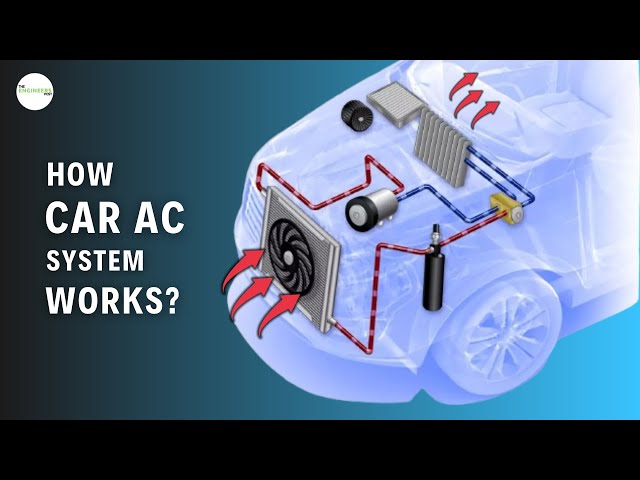
Have you ever wondered what makes your car’s air conditioner blow cool air on a hot day? Understanding how your car air conditioner works can help you appreciate this amazing system and even spot problems early.
You’ll discover the simple steps behind the cooling process inside your car. By the end, you’ll know exactly what’s happening when you press that AC button—and why it’s so important to keep it in good shape. Ready to learn the secret behind your car’s cool comfort?
Let’s dive in!
Credit: www.hdaccondenser.com
Car Air Conditioner Basics
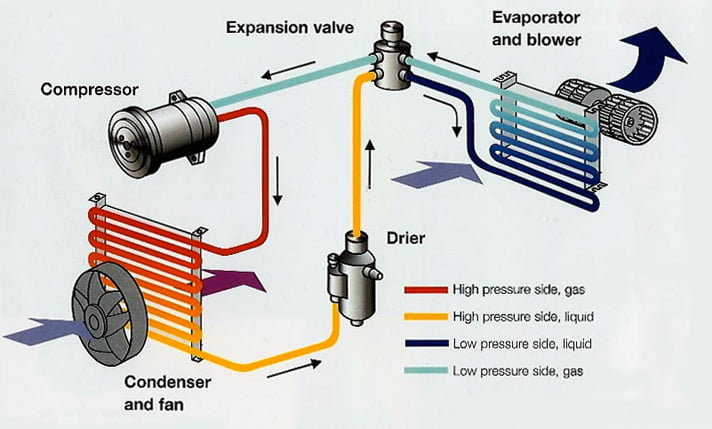
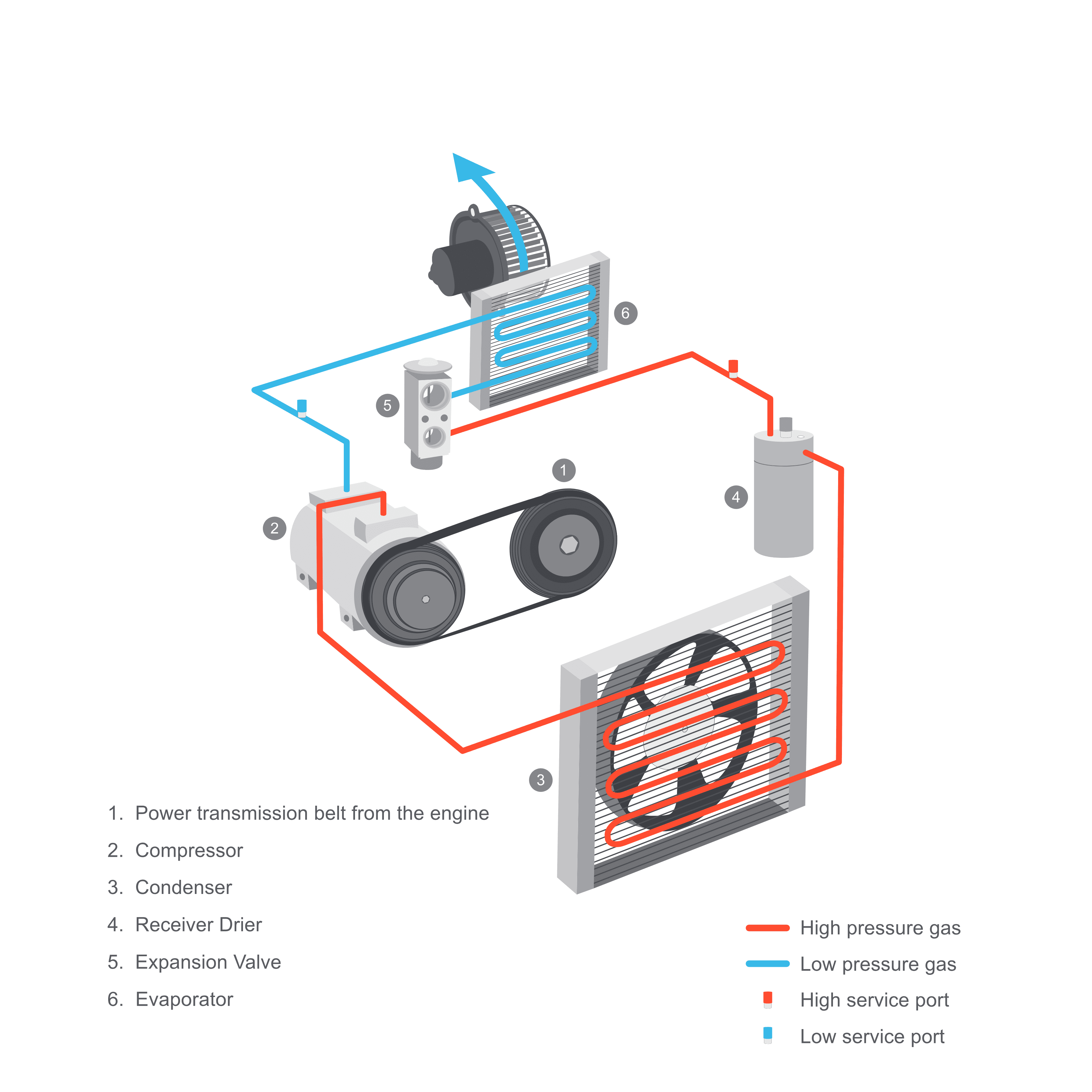
A car air conditioner has several key parts. The compressorpushes the refrigerant through the system. The condensercools the refrigerant by releasing heat outside the car. The expansion valvecontrols the flow of refrigerant into the evaporator. The evaporatorcools the air inside the car by absorbing heat.
The refrigerantis a special fluid that changes from gas to liquid and back. It carries heat from inside the car to the outside. This process keeps the car cool.
Cooling happens as the refrigerant evaporates in the evaporator. The air passes over the cold evaporator and becomes cool. Then, the fan blows this cool air into the car’s cabin.
Credit: carwood.com
Step-by-step Cooling Process
Compression Stage:The air conditioner’s compressor squeezes the refrigerant gas. This makes the gas hot and high-pressure. It moves the gas to the next stage.
Condensation Stage:The hot gas flows through coils. It cools down and changes into a liquid. Heat leaves the gas and goes outside the car.
Expansion Stage:The liquid refrigerant passes through a small valve. It loses pressure and becomes cold. This cold liquid moves to the next part.
Evaporation Stage:The cold liquid goes through the evaporator coil inside the car. It absorbs heat from the air. The liquid changes back to gas. Cool air blows into the car’s cabin.
Common Air Conditioner Issues
Refrigerant leakscause the air conditioner to lose cooling power. This happens when the coolant escapes through holes or cracks. Low refrigerant means the AC can’t cool the air properly.
Compressor failuresstop the air conditioner from working at all. The compressor moves the refrigerant through the system. If it breaks, the whole unit stops cooling.
Clogged condenserreduces airflow and makes the AC work harder. Dirt and debris block the condenser fins. This causes poor cooling and higher energy bills.
Electrical problemsinclude blown fuses or bad wiring. These issues can cause the AC to turn off suddenly or not start at all. Checking connections can help find the problem.

Credit: www.youtube.com
Maintaining Your Car’s Ac
Regular inspections help keep your car’s AC working well. Check hoses and belts for any cracks or leaks. Clean filters often to stop dust and dirt from blocking airflow. This keeps the air fresh and cool inside your car.
Checking refrigerant levels is important too. Low refrigerant can make your AC blow warm air. A proper level helps the system cool effectively and saves energy.
Professional servicing gives your AC a full checkup. Technicians can find small problems before they get worse. They also refill refrigerant and clean parts you cannot reach.
- Inspect hoses and belts for damage.
- Clean or replace air filters regularly.
- Check refrigerant levels and refill if needed.
- Schedule professional AC checkups once a year.
Energy Efficiency Tips
Setting the AC temperaturearound 24-26°C keeps the car cool and saves energy. Lower temperatures use more fuel and power.
Rolling down windows can cool the car but causes drag, which wastes fuel at high speeds. Use AC for smooth rides on highways.
Parking in the shadehelps keep the car cooler. It reduces the AC workload and saves energy.
- Turn off AC when not needed.
- Avoid running AC on full blast all the time.
- Use AC only after the car cools down a bit.
Advancements In Car Ac Technology
Car air conditioners now use eco-friendly refrigerantsthat harm the environment less. These new gases help reduce pollution and save energy.
Automatic climate controllets drivers set a comfortable temperature. The system adjusts cooling or heating without manual changes.
Smart sensorsdetect sunlight and passenger numbers. They change airflow and temperature for better comfort and energy use.
| Future Trends |
|---|
| Use of advanced refrigerants with low global warming potential |
| Integration with electric and hybrid vehicle systems |
| Improved energy efficiency through AI and smart controls |
| More compact and lightweight AC components |
Frequently Asked Questions
What Components Make Up A Car Air Conditioner?
A car air conditioner includes a compressor, condenser, evaporator, expansion valve, and refrigerant. The compressor compresses the refrigerant, moving it through the system. The condenser cools the refrigerant, turning it into a liquid. The evaporator absorbs heat, cooling the air inside the car.
How Does A Car Ac Compressor Work?
The compressor compresses the refrigerant gas, turning it into a high-pressure liquid. This process increases the refrigerant’s temperature. The hot, pressurized refrigerant then flows to the condenser, where it cools and condenses. This is an essential step in the car’s air conditioning cycle.
Why Is Refrigerant Important In Car Ac?
Refrigerant is crucial for transferring heat in a car’s AC system. It absorbs heat from the car’s interior and releases it outside. This process cools the air before it enters the cabin. Without refrigerant, the air conditioning system cannot effectively cool the vehicle.
How Does The Evaporator Cool Car Air?
The evaporator absorbs heat from the car’s interior air. As the refrigerant flows through the evaporator, it evaporates, absorbing heat. This process cools the air, which is then circulated inside the car. The evaporator is a key component in providing cool air to the cabin.
Conclusion
Car air conditioners keep you cool by moving heat outside. They use a simple cycle with refrigerant to absorb and release heat. The compressor, condenser, and evaporator work together to cool the air inside. Understanding this helps you care for your car better.
Regular checks keep the system running smoothly. Clean filters improve air flow and cooling. Knowing how it works saves money on repairs. Stay comfortable on every drive with a well-maintained AC system. Simple steps make a big difference in your comfort.