Have you ever wondered just how cold your air conditioner can make your room? When the heat feels unbearable, you want to know if your AC can truly bring relief or if it has its limits.
Understanding how cold air conditioners can get helps you set the right expectations and make smarter choices for your comfort. You’ll discover the science behind your AC’s cooling power and learn tips to get the most out of it. Keep reading to unlock the secrets to staying cool no matter how hot it gets outside.

Credit: www.lifestylewarehouse.co.uk
How Air Conditioners Cool
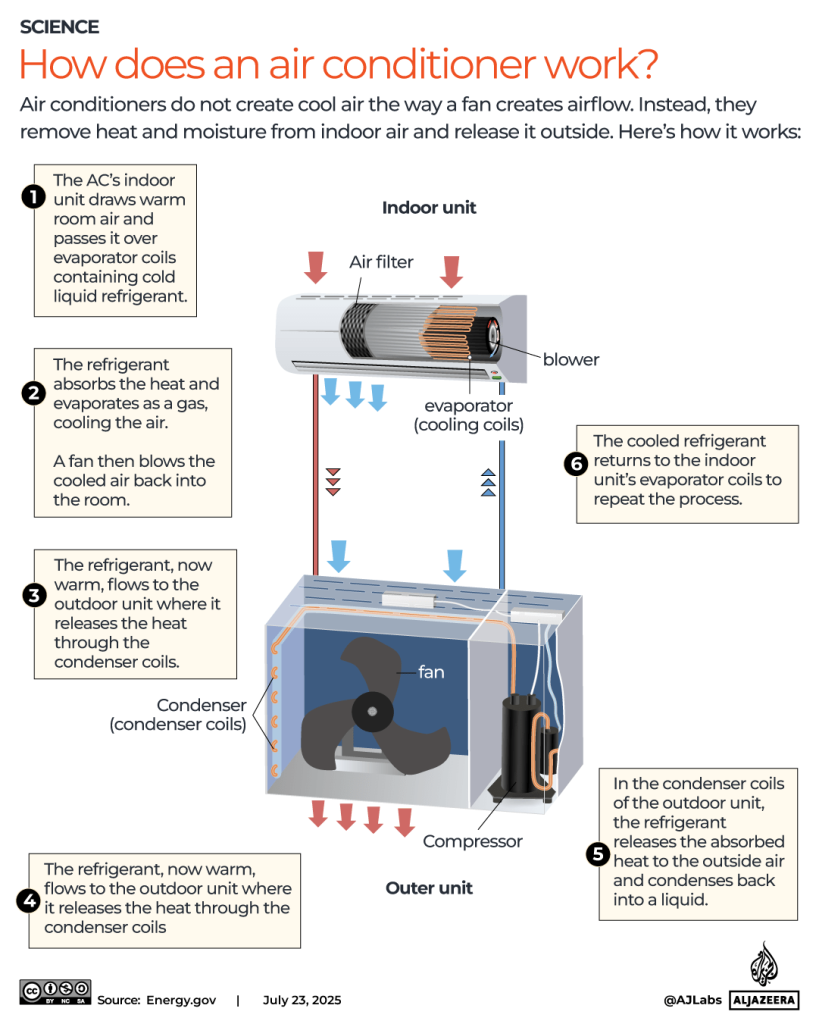
Air conditioners cool by moving heat from inside to outside. The basic cooling mechanismuses a cycle that involves a refrigerant, a special fluid.
The role of refrigerantsis to absorb heat inside the room. This fluid changes from liquid to gas and back, carrying heat away.
| Step | Process |
|---|---|
| 1 | Refrigerant absorbs heat from indoor air and evaporates into gas. |
| 2 | Gas moves outside to the condenser coil. |
| 3 | Heat is released outside; refrigerant cools and turns back to liquid. |
| 4 | Liquid refrigerant returns inside to repeat the cycle. |
This heat exchange processis how the air feels cooler inside the room.

Credit: thefurnaceoutlet.com
Factors Affecting Cooling Limits
Thermodynamic constraintslimit how cold air conditioners can get. They remove heat from inside and release it outside. The colder the outdoor air, the easier it is for the AC to cool inside. But the AC cannot cool below the outdoor temperature much. This is because it uses outdoor air as a heat sink.
Indoor and outdoor temperaturedifferences affect cooling. If outside is very hot, the AC works harder and cools less. When outside is cooler, the AC cools better and can reach lower temperatures inside.
Humidity impactalso changes cooling limits. High humidity means more moisture in the air. The AC must remove this moisture, which takes energy and reduces cooling power. Lower humidity helps the AC cool more effectively.
Typical Temperature Ranges
Most air conditioners cool rooms to a temperature between 65°F and 75°F. This range feels comfortable for many people. The exact setting depends on the model and outdoor heat.
Standard cooling settings usually stop around 60°F to 65°F. Going lower can cause the system to work too hard and waste energy.
Some AC units can reach temperatures near 55°F, but this is rare. Such low temperatures might cause frost on the coils or damage the unit.
| AC Type | Typical Lowest Temp (°F) | Notes |
|---|---|---|
| Window AC | 60 – 65 | Good for small rooms |
| Split AC | 55 – 65 | More efficient and quieter |
| Portable AC | 60 – 70 | Easy to move, less powerful |
Technical Limits Of Air Conditioners
Air conditioners have limits on how cold they can make the air. The compressorand refrigerantplay key roles. Compressors push the refrigerant to absorb heat and cool the air. But they cannot work well below certain temperatures.
The type of refrigerant affects cooling power. Some refrigerants freeze if too cold, stopping the system. This limits how low the temperature can go.
| Factor | Effect |
|---|---|
| Compressor Limits | Cannot compress refrigerant below freezing point |
| Refrigerant Freezing | Stops cooling if temperature too low |
| Energy Use | More power needed for lower temps |
| Safety | Stress on parts increases risk of damage |
Cooling very cold air uses more energy. This lowers the system’s efficiency. Parts may wear out faster due to stress. Safety features stop the system if temperatures drop too low. This protects the air conditioner from damage.
Innovations In Cooling Technology
Advanced refrigerantshelp air conditioners cool more efficiently. They use less energy and are better for the environment. These new refrigerants can reach lower temperatures while keeping the air fresh and safe.
Variable speed compressorsadjust how hard the AC works. They run slower when less cooling is needed, saving energy and reducing noise. This means the AC can keep the room at a steady, comfortable temperature without big swings.
Smart temperature controlsallow precise settings. They can learn your habits and adjust the cooling automatically. Some models connect to phones or smart devices, making it easy to set the perfect temperature anytime.
Practical Tips For Optimal Cooling
Setting the right temperature is key for efficient cooling. Aim for around 78°F (25°C)when you are home. This balances comfort and energy savings. Lowering the temperature too much wastes energy and strains the AC unit.
Regular maintenancekeeps your AC working well. Clean or replace filters every 1-3 months. Check for dirt on coils and clear debris from outside units. Well-maintained units cool better and last longer.
Good room insulationhelps keep cool air inside. Seal gaps around windows and doors to stop warm air from entering. Use curtains or blinds to block sunlight during hot hours. This reduces how hard your AC needs to work.

Credit: www.advantageairtech.com
Frequently Asked Questions
What Is The Lowest Temperature An Ac Can Reach?
Most air conditioners can cool down to around 60°F (16°C). This varies based on the model and environment. However, setting your AC too low can increase energy consumption and wear out the system faster. It’s advisable to maintain a comfortable and efficient temperature, typically around 72°F (22°C).
Can Ac Make A Room Too Cold?
Yes, an AC can make a room too cold if set improperly. Overcooling can lead to discomfort and higher energy bills. Ideally, an air conditioner should maintain a balanced temperature. This ensures comfort without overworking the system or increasing electricity costs unnecessarily.
Why Do Ac Units Struggle In Extreme Heat?
AC units struggle in extreme heat because they work harder to cool warm air. The outside temperature affects the condenser’s efficiency. When it’s too hot, the unit’s cooling capacity reduces. Regular maintenance can help improve performance in high temperatures, ensuring better efficiency and longevity.
How Does Humidity Affect Ac Cooling?
High humidity makes AC units work harder, reducing efficiency and cooling effectiveness. Moist air holds more heat, increasing the cooling load. Dehumidifying settings or a separate dehumidifier can help. Maintaining optimal humidity levels ensures the AC operates efficiently, providing a comfortable indoor environment.
Conclusion
Air conditioners cool the air to a comfortable level. They rarely get colder than 60 degrees Fahrenheit. Setting them too low can waste energy and strain the unit. Proper use keeps your home fresh and saves money. Remember, balance matters for comfort and efficiency.
Choose the right temperature for your space. Stay cool without overworking your air conditioner.