Are you a wine enthusiast curious about the perfect storage for your treasured bottles? Wondering just how cold those sleek wine refrigerators can get?
You’re in the right place. Wine refrigerators, also known as wine coolers, offer a unique environment to preserve your wine’s flavor and aroma. But achieving the ideal chill isn’t just about turning the dial to its coldest setting. Dive into this article to discover the optimal temperatures for different types of wines and how these appliances can enhance your wine-drinking experience.
Uncover the secrets to keeping your wine in peak condition, ensuring every sip is as delightful as the first. Stick around, because mastering the art of wine storage can transform your enjoyment and appreciation of this timeless beverage.
Credit: www.whirlpool.com
Wine Refrigerator Temperature Range
Wine refrigerators typically cool between 40°F and 65°F, ideal for storing different wine types. Some models reach as low as 34°F, keeping white and sparkling wines perfectly chilled. Temperature control ensures wines stay fresh and taste their best.
Wine refrigerators keep wine at the best temperature for drinking and storing. They cool wine to a range that protects its flavor and aroma. This range is usually lower than normal room temperature but higher than freezing. Proper temperature helps wine age well and stay fresh longer.
Different wines need different temperatures. Whites usually need cooler settings than reds. A wine refrigerator can adjust to these needs. Understanding the temperature range helps you pick the right fridge for your collection.
Typical Cooling Limits
Most wine refrigerators cool between 40°F and 65°F (4°C to 18°C). This range suits both red and white wines. Some models can go lower, near 38°F (3°C), good for sparkling wines.
The upper limit usually stays around 65°F to avoid spoiling red wine. The lower limit prevents freezing, which can ruin wine bottles and corks. This balance keeps wine safe and tasty.
Factors Affecting Temperature
- Size of the fridge:Larger fridges may take longer to cool down.
- Location:Placing the fridge in a hot room may raise its internal temperature.
- Insulation quality:Better insulation helps keep temperature stable.
- Number of times door opens:Frequent opening can raise temperature inside.
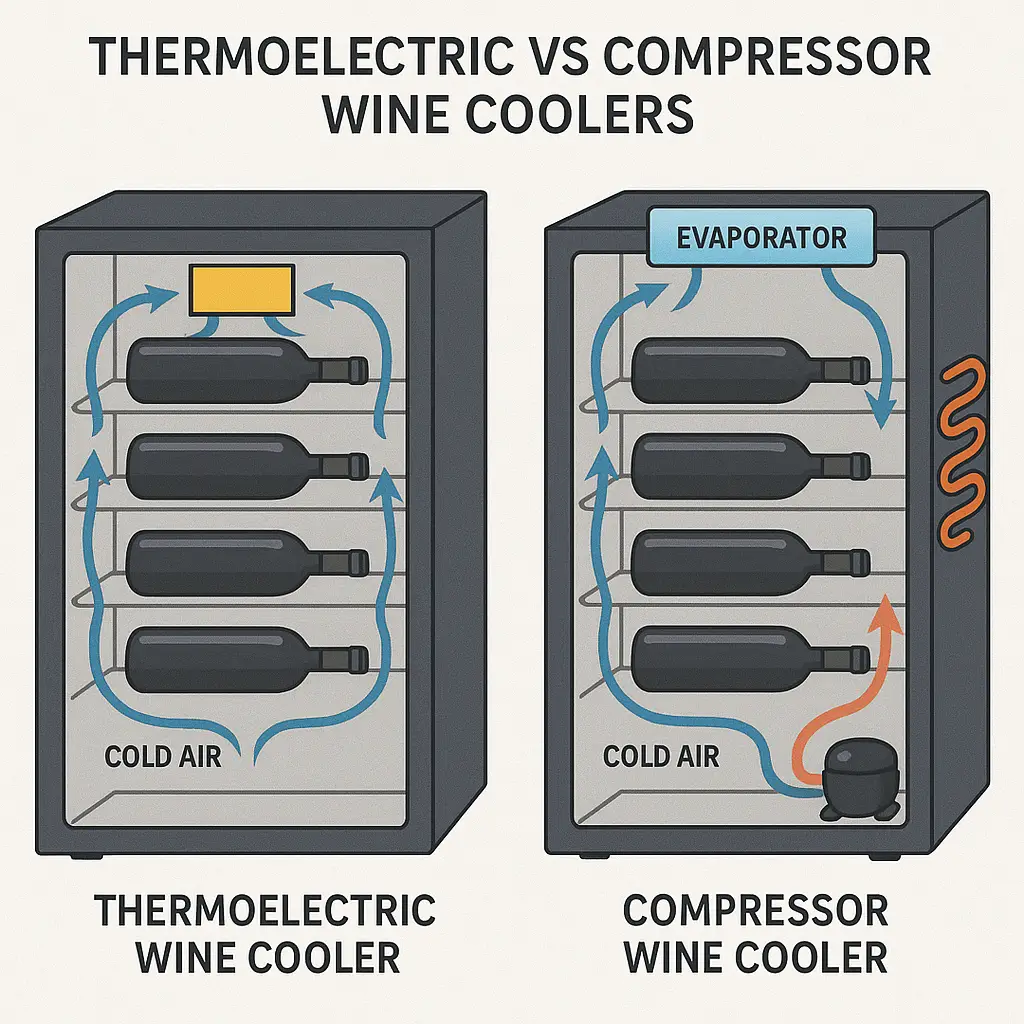
- Type of cooling system:Thermoelectric or compressor cooling affects how cold the fridge can get.
Comparison With Standard Refrigerators
Standard refrigerators cool between 35°F and 40°F (2°C to 4°C). This is too cold for wine storage. Wine refrigerators keep wine warmer to protect its taste.
Normal fridges also have high humidity, which can dry corks. Wine fridges maintain moderate humidity to keep corks moist.
Wine refrigerators offer more stable temperature control. Standard fridges cycle on and off, causing temperature swings. This can harm wine quality over time.
Ideal Temperature For Different Wines
Different types of wine need different temperatures to taste their best. Setting the right cooling level in a wine refrigerator keeps flavors fresh and balanced. Proper temperature helps preserve aroma and texture for every sip.
Knowing the ideal temperature for each wine type ensures a perfect drinking experience. Red, white, and sparkling wines all have unique cooling needs. A wine refrigerator can be adjusted to match these preferences easily.
Red Wine Cooling Needs
Red wines generally prefer warmer temperatures than whites. Most red wines are best stored between 55°F and 65°F (13°C to 18°C). Lighter reds like Pinot Noir do well closer to 55°F. Fuller-bodied reds like Cabernet Sauvignon can be stored near 65°F. Keeping reds too cold mutes their flavors and aromas.
White Wine Cooling Needs
White wines need cooler temperatures to stay crisp and refreshing. The ideal range is usually between 45°F and 55°F (7°C to 13°C). Light whites such as Sauvignon Blanc do best near 45°F. Richer whites like Chardonnay prefer temperatures closer to 55°F. Proper cooling highlights their acidity and fruit notes.
Sparkling Wine Temperatures
Sparkling wines require the coldest storage to maintain their bubbles and brightness. A temperature between 40°F and 50°F (4°C to 10°C) works well. The chill keeps the carbonation lively and the taste fresh. Storing sparkling wine too warm causes loss of fizz and flavor.
Types Of Wine Refrigerators
Choosing the right wine refrigerator means understanding the different cooling technologies available. Each type offers unique temperature ranges and features that affect how cold your wines can get. Let’s break down the main types you’ll find on the market, so you can decide which fits your needs best.
Thermoelectric Cooling Models
Thermoelectric wine refrigerators use a heat pump to transfer heat away from the interior. They are quieter and more energy-efficient than compressor models, making them great for small collections or quiet spaces.
However, they typically don’t cool below 50°F (10°C), which might not be cold enough if you prefer your whites or sparkling wines chilled to lower temperatures. If you store mostly reds or wines served slightly chilled, these models will work well for you.
Compressor Cooling Models
Compressor wine refrigerators operate like mini-fridges, using a compressor and refrigerant to cool the interior. They can reach much colder temperatures, often between 39°F and 65°F (4°C to 18°C).
This makes them ideal if you want versatility—storing both whites at low temperatures and reds at slightly warmer ones. They tend to be louder and use more energy but excel in maintaining precise, consistent coolness.
Dual Zone Refrigerators
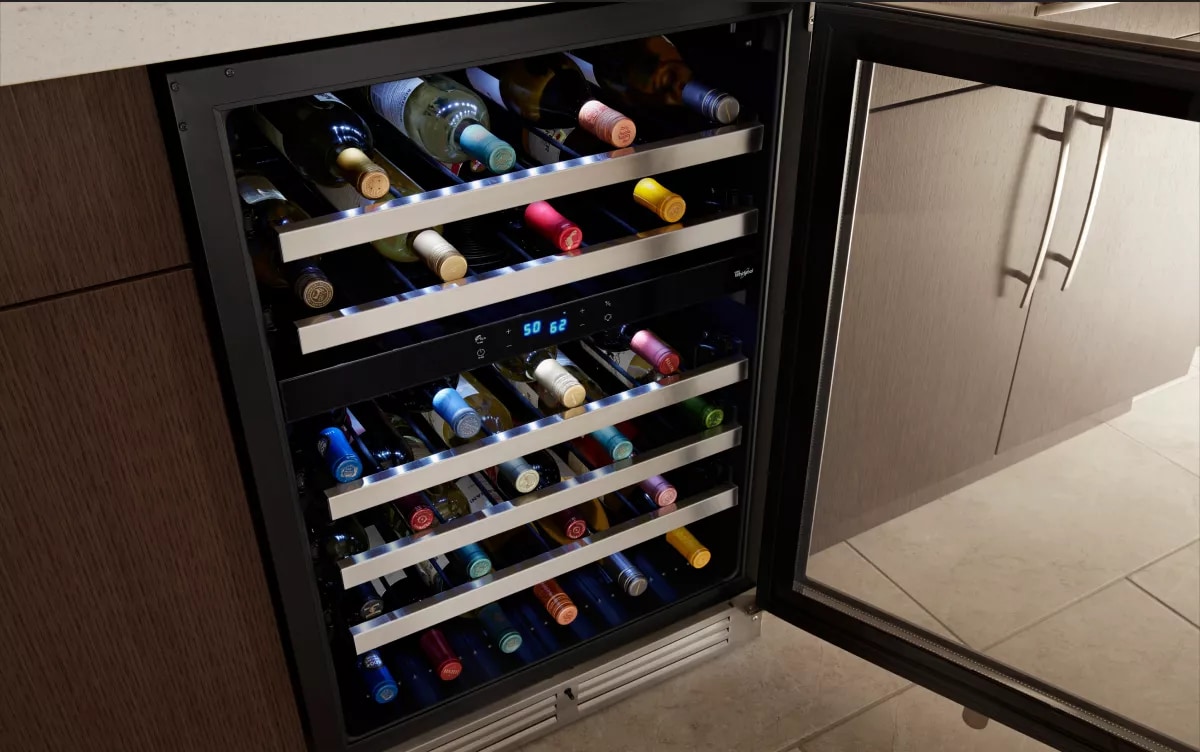
Dual zone wine refrigerators offer two separate compartments with independent temperature controls. This lets you chill your whites and reds to their ideal temperatures simultaneously.
These models often combine thermoelectric or compressor cooling in each zone, providing flexibility for different wine types. If you enjoy a variety of wines and want the perfect serving temperature for each, dual zone refrigerators are worth considering.

Credit: www.vevor.ca
Setting And Adjusting Temperatures
Setting and adjusting the temperature in a wine refrigerator is key to preserving wine quality. The right temperature keeps flavors fresh and aromas intact. Different wines need different temperature ranges. Knowing how to control these settings helps you enjoy your wine at its best.
Manual Vs Digital Controls
Manual controls use a simple dial or knob to set the temperature. They are easy to use and usually cheaper. However, they may not be very precise, causing small temperature swings.
Digital controls offer exact temperature settings with a push of a button. They show the current temperature on a display. These controls allow better temperature stability and are user-friendly. Digital models often include alarms for temperature changes.
Tips For Optimal Temperature Settings
- Keep red wine between 55°F and 65°F for best taste.
- Set white wine cooler at 45°F to 55°F for freshness.
- Store sparkling wines colder, around 40°F to 50°F.
- Avoid frequent temperature changes to protect the wine.
- Place the refrigerator away from heat sources for stability.
- Use a thermometer inside to check the actual temperature.
Common Cooling Challenges
Keeping your wine at the perfect temperature is more challenging than it might seem. Wine refrigerators promise ideal storage conditions, but several cooling challenges can affect their performance. Understanding these issues can help you make better choices and avoid surprises with your wine collection.
Temperature Fluctuations
One common problem with wine refrigerators is inconsistent temperature control. Sudden changes can occur due to frequent door openings or poor insulation, stressing your wine and affecting its taste.
Have you ever noticed your wine tastes different after leaving the fridge door open too long? That’s a direct result of temperature swings. Look for models with reliable thermostats and strong seals to minimize this issue.
Overcooling Risks
It’s tempting to set your wine fridge colder than recommended, thinking it will preserve your bottles better. However, overcooling can harm the wine by slowing down its aging process or causing sediment to settle improperly.
Keep in mind that most wines thrive between 45°F and 65°F, depending on the type. Setting temperatures too low, especially below 40°F, may freeze delicate flavors or damage corks.
Energy Efficiency Considerations
Energy consumption varies significantly among wine refrigerators, especially those with advanced cooling systems. High energy use can lead to increased electricity bills and environmental impact.
Choosing an energy-efficient model doesn’t just save money—it helps maintain stable temperatures over time. Look for ENERGY STAR ratings or similar certifications when shopping for a new unit.
Maintaining Your Wine Refrigerator
Maintaining your wine refrigerator helps keep your wine fresh and tasting great. Proper care ensures your unit runs efficiently. It also extends the life of the appliance. Simple steps can prevent common issues and keep the temperature steady.
Cleaning And Ventilation
Keep the inside of the wine fridge clean. Wipe shelves and walls with a soft cloth and mild soap. Avoid harsh chemicals that can damage the surface. Check the vents regularly to clear dust and debris. Good airflow helps the fridge cool properly. Place the refrigerator away from heat sources like ovens or direct sunlight.
Regular Temperature Checks
Use a thermometer to monitor the fridge’s temperature. Ideal wine storage is usually between 45°F and 65°F. Check the temperature at least once a week. Make sure it stays consistent without big changes. Adjust the thermostat if the fridge is too warm or cold. This keeps your wine in perfect condition.
Troubleshooting Cooling Issues
If the fridge is not cooling well, start by checking the power connection. Inspect the door seal for any gaps or damage. Poor sealing lets cold air escape. Clean the condenser coils at the back or bottom of the fridge. Dust buildup can reduce cooling power. Call a professional if problems persist after these steps.
Credit: blog.cata-appliances.co.uk
Frequently Asked Questions
How Cold Do Wine Refrigerators Typically Get?
Wine refrigerators usually maintain temperatures between 40°F and 65°F. This range is ideal for storing both red and white wines safely. Adjustable settings allow users to customize cooling based on wine type and preference.
Can Wine Refrigerators Freeze Wine Bottles?
No, wine refrigerators are designed to avoid freezing. They keep temperatures above freezing to preserve wine quality. Freezing can damage wine by expanding liquid and breaking the bottle.
What Temperature Is Best For Red Wine Storage?
Red wine is best stored between 55°F and 65°F. This range helps maintain flavor and aroma. Wine refrigerators often have adjustable zones to accommodate these ideal temperatures.
Do Wine Refrigerators Cool Better Than Regular Fridges?
Yes, wine refrigerators maintain consistent, optimal humidity and temperature. Unlike regular fridges, they prevent vibration and odors that can spoil wine. They are specifically designed to preserve wine quality over time.
Conclusion
Wine refrigerators keep your bottles at perfect cool temperatures. Most models reach between 40 and 65 degrees Fahrenheit. This range helps protect wine flavors and aromas. Cooler settings suit white and sparkling wines best. Reds often do well at slightly warmer temps.
Adjust controls to fit your wine type and taste. Proper chilling enhances your drinking experience every time. Choose a wine fridge that matches your storage needs. This small appliance makes wine care simple and effective. Enjoy your wines just as the maker intended.