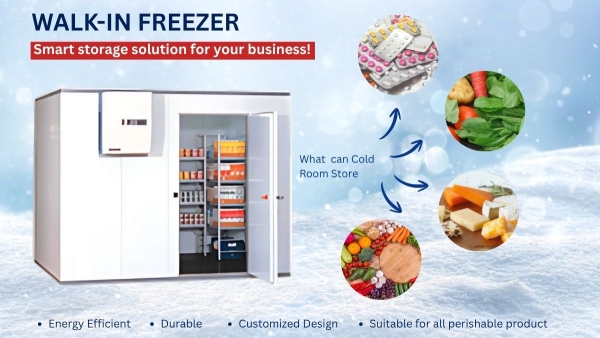
Have you ever stepped into a walk-in freezer and felt that instant chill? It’s a sensation that’s hard to ignore.
But just how cold is it in there, really? You might be curious, especially if you work in a restaurant or a food storage facility, or if you’re simply intrigued by the science of temperature. Understanding the exact chill factor of a walk-in freezer can help you appreciate the delicate balance of keeping food fresh and safe.
It can also help you make informed decisions, whether you’re purchasing a unit or just preparing to handle its icy environment. Stick around as we dive into the frosty world of walk-in freezers, revealing the secrets behind their temperature settings and why it matters to you.
Freezer Temperature Range
Understanding the temperature range of a walk-in freezer helps set the right expectations. These freezers keep items frozen and safe for long periods. Their temperatures vary depending on design and purpose. Knowing the typical ranges helps in choosing the right freezer for your needs.
Standard Commercial Walk-in Freezer Temps
Most commercial walk-in freezers operate between -10°F and 0°F (-23°C to -18°C). This range ensures food stays frozen solid and safe from bacteria. Some units may go as low as -20°F (-29°C) for extra cold storage. Maintaining steady temperatures prevents thawing and refreezing, which can damage products.
Variations By Industry And Use
Different industries require different freezer temperatures. Food service and grocery stores usually keep freezers around 0°F (-18°C). Meat processors may use colder settings near -10°F (-23°C) to preserve freshness. Pharmaceutical and research labs might need ultra-low temps below -30°F (-34°C). Each use demands specific temperatures to ensure safety and quality.
Physical Effects Of Cold Exposure
Exposure to the extreme cold of a walk-in freezer triggers immediate and noticeable physical reactions. Your body reacts quickly to protect vital organs and maintain core temperature. These reactions can be surprising if you’re not used to such an intense environment.
How Cold Feels To The Skin
The first sensation you notice is the sharp, biting cold against your skin. It can feel like tiny needles pricking the surface, especially on exposed areas like your face and hands. The skin may quickly turn red as blood vessels constrict to reduce heat loss.
As you stay longer, the cold sensation often dulls, but the risk of frostbite increases. Numbness can set in, making it harder to feel pain or temperature changes. Have you ever wondered why touching something cold for too long can actually hurt less over time?
Impact On Breathing And Circulation
Breathing in the frigid air can be a shock to your lungs. The cold air feels harsh and sometimes causes a brief coughing reflex. It can tighten your airways, making each breath feel shallower and more labored.
Circulation also changes dramatically in cold conditions. Your blood vessels narrow, prioritizing blood flow to your core and vital organs. This means your fingers, toes, and nose get less blood, increasing their vulnerability to cold injuries.
These physical effects are your body’s way of survival, but they can become dangerous if exposure lasts too long. What steps do you take to protect yourself if you must enter such a cold environment?
Duration And Safety Limits
Understanding how long you can safely stay in a walk-in freezer is crucial for both your health and productivity. The extreme cold inside these units demands strict attention to exposure times to avoid serious health risks. Let’s take a close look at the recommended limits and what can happen if you ignore them.
Recommended Exposure Times
Most experts suggest limiting your time inside a walk-in freezer to under 30 minutes without proper protective gear. For workers handling tasks inside regularly, breaks outside the freezer every 15 to 20 minutes are advised to prevent cold stress.
If you’re wearing insulated clothing, you might extend this time slightly, but it’s still wise to keep sessions brief. Have you ever felt your fingers or toes going numb after just a few minutes? That’s your body signaling it’s time to get warm.
- Wear insulated gloves and boots to protect extremities.
- Use thermal layers to maintain core body heat.
- Take scheduled warm-up breaks to prevent hypothermia.
Risks Of Prolonged Stays
Staying too long inside a walk-in freezer can lead to serious health issues like frostbite, hypothermia, and decreased mental alertness. I once witnessed a colleague lose feeling in his hands after just 40 minutes without gloves—something that could have been avoided with proper timing.
Cold exposure slows your reaction time and impairs judgment, which can increase the chances of accidents. Your body simply can’t operate efficiently when it’s too cold, making even simple tasks risky.
| Health Risk | Symptoms | Immediate Action |
|---|---|---|
| Frostbite | Numbness, pale skin, hard or waxy texture | Warm affected area gradually; seek medical help if severe |
| Hypothermia | Shivering, confusion, slurred speech | Move to warm environment; remove wet clothing; get medical attention |
How well do you monitor your body’s response to cold? Paying attention to early warning signs can save you from serious harm.

Credit: www.twothousand.com
Protective Measures Inside Freezers
Protective measures inside walk-in freezers are essential for safety and comfort. The extreme cold can cause serious harm in minutes. Proper precautions reduce risks and improve working conditions. Knowing the right gear and emergency steps is crucial for anyone entering these cold spaces.
Proper Clothing And Gear
Wearing the right clothing is key inside a walk-in freezer. Thick insulated jackets keep body heat in. Thermal gloves protect fingers from frostbite. Insulated boots prevent feet from freezing cold floors. Hats and face masks shield exposed skin from harsh air.
- Layer clothes for better insulation
- Use waterproof outerwear to stay dry
- Wear non-slip boots for safety on icy floors
- Choose gloves that allow good grip and warmth
Good gear improves comfort and reduces the chance of cold injuries. Regular checks ensure clothing stays effective over time.
Emergency Protocols
Emergency protocols save lives in freezer environments. Quick response is critical if someone feels cold stress. Always have a communication device inside the freezer. This helps call for help without delay.
- Know the location of emergency exits
- Keep emergency alarms within reach
- Use buddy systems to monitor each other
- Have warming stations outside the freezer
Training workers on these steps ensures fast and safe reactions during emergencies. Practice drills improve readiness and confidence.
Common Misconceptions About Freezer Cold
Many people have wrong ideas about how cold a walk-in freezer really is. These myths can cause confusion about its use and safety. Knowing the truth helps in handling walk-in freezers properly. It also improves storage and energy use.
Myths Vs Reality
Some think walk-in freezers are as cold as the North Pole. In fact, they usually keep temperatures between -10°F and 0°F (-23°C to -18°C). This is cold enough to preserve food safely but not extreme like icebergs.
Another myth is that walk-in freezers freeze people instantly. The cold is strong but not instantly harmful with brief exposure. Proper clothing and precautions keep users safe.
People often believe all freezers are the same temperature. Walk-in freezers are colder than home freezers but warmer than industrial blast freezers. Each type serves different storage needs.
Surprising Facts That Defy Expectations
- Walk-in freezers keep air cold but dry, reducing frost buildup.
- Temperature control is precise, often within one degree of the set point.
- Some freezers use special insulation to save energy and maintain cold.
- Many models have alarms to warn if temperature rises, protecting stored goods.
- Walk-in freezers can run continuously for years with proper maintenance.

Credit: www.dairyfoods.com
How Freezers Maintain Low Temperatures
Understanding how walk-in freezers maintain their chilly temperatures can give you a clearer picture of their efficiency and reliability. These freezers don’t just stay cold by chance; they rely on a combination of smart design and technology to keep your goods perfectly frozen. Let’s break down the key elements that make this possible.
Insulation And Cooling Systems
The first line of defense in a walk-in freezer is its insulation. Thick, high-quality insulation panels reduce heat exchange between the inside and outside, keeping the cold air trapped inside. Have you ever felt how the walls of a freezer are much thicker than a regular fridge? That’s the insulation at work.
On the cooling side, powerful refrigeration units use compressors and evaporators to remove heat from the freezer interior. These systems circulate refrigerant that absorbs heat and expels it outside the freezer space. The balance between insulation and cooling ensures the temperature stays steady, even if the door opens frequently.
Energy Efficiency In Walk-in Freezers
Energy efficiency matters not just for your electricity bill but also for environmental impact. Modern walk-in freezers often include energy-saving features like variable speed compressors and LED lighting. These components reduce power consumption without compromising the cold temperature you need.
Have you noticed freezers with tight-sealing doors and automatic closers? These features prevent cold air from escaping, lowering the workload on the cooling system. Simple actions like checking door seals regularly can improve energy efficiency and keep your freezer performing at its best.
Credit: mymortuarycooler.com
Frequently Asked Questions
How Cold Is A Walk-in Freezer Typically?
A walk-in freezer usually maintains temperatures between -10°F and 0°F (-23°C to -18°C). This range preserves food safety and quality by slowing bacterial growth effectively.
Why Are Walk-in Freezers Kept So Cold?
Walk-in freezers stay cold to prevent spoilage and bacterial growth. Low temperatures ensure long-term food preservation and maintain product freshness.
How Does Walk-in Freezer Temperature Affect Food Storage?
Lower temperatures in walk-in freezers slow down enzyme activity and bacteria, extending food shelf life significantly. Proper temperature control is vital for safe storage.
Can Walk-in Freezer Temperatures Vary?
Yes, walk-in freezer temperatures can fluctuate due to door openings, defrost cycles, and external conditions. Consistent monitoring ensures optimal cold levels and food safety.
Conclusion
A walk-in freezer stays very cold, usually between -10°F and 0°F. This temperature helps keep food fresh and safe for a long time. People working inside must wear warm clothes to stay comfortable. Understanding how cold it is can help you use the freezer properly.
Remember, safety matters when dealing with freezing temperatures. Stay aware and prepared to handle the chill.