
Have you ever wondered how cold your air conditioner should really blow? If your room doesn’t feel as cool as you expect, or if the air feels too chilly and uncomfortable, you’re not alone.
Understanding the right temperature for your AC can make a big difference in your comfort and energy bills. You’ll discover the ideal coolness level your air conditioner should provide and simple tips to get the most out of your cooling system.
Keep reading to make sure your home stays perfectly comfortable all summer long.

Credit: northnjhvac.com
Ideal Air Conditioner Temperature
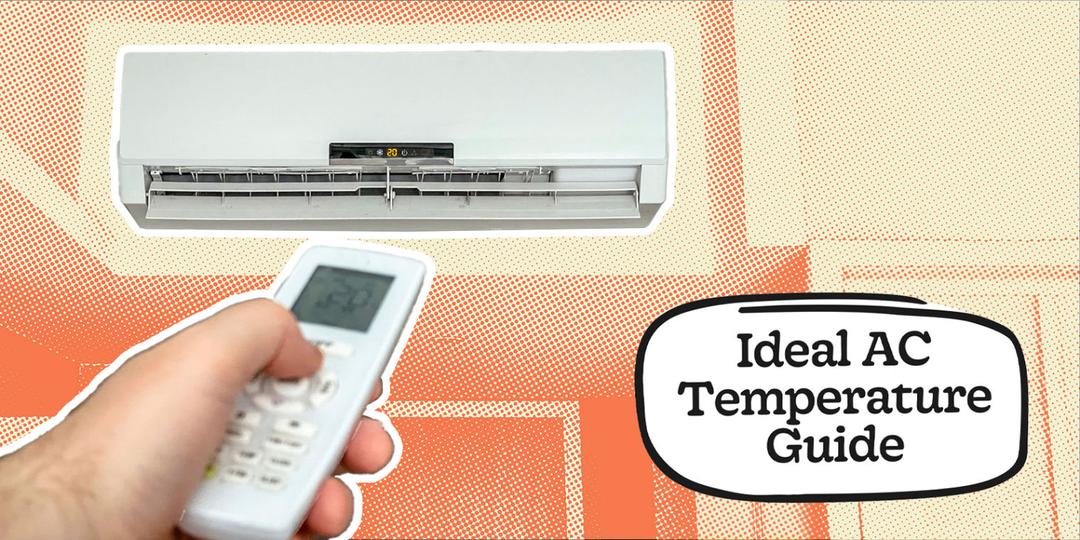
Setting the air conditioner to around 75°F (24°C)is ideal for indoor comfort. This temperature helps keep the room cool without using too much energy.
For better energy savings, increase the setting by a few degrees when you leave the room. A range between 78°F and 80°Fis good during hot days.
Lower temperatures can cool faster but may cause the AC to run longer, raising energy bills. Balance is key to staying comfortable and saving money.
- Set AC between 75°F to 78°Ffor comfort and energy efficiency.
- Use a programmable thermostat to adjust settings when not home.
- Keep blinds or curtains closed to reduce heat from sunlight.
- Ensure filters are clean for better airflow and cooling.
Credit: heatable.co.uk
Factors Affecting Ac Cooling
The size and shapeof a room affect how well an air conditioner cools. Larger rooms need more powerful AC units. Open spaces allow air to flow better, helping cool faster. Rooms with many walls or corners may trap heat, making cooling harder.
Outdoor weather plays a big role. Hotter days make ACs work harder to lower indoor temperature. Humidity outside can also affect how cool the air feels inside. On cooler days, the AC doesn’t need to blow as cold.
Good insulation and ventilationkeep cool air inside and hot air outside. Well-insulated rooms stay cooler longer. Poor ventilation can cause warm air to build up, making the AC less effective. Proper airflow helps the AC work smoothly and saves energy.
Signs Of Proper Cooling
Consistent temperature levelsshow that the air conditioner is working well. The room should feel cool all over, not just near the unit. If some parts feel warm, it means the cooling is uneven. The temperature should stay steady without big changes.
Even airflow distributionmeans cool air spreads across the room. No spots should feel hotter or colder. You can check this by moving around and feeling the air. The air should blow gently and not too strong or weak in any area.
Common Cooling Issues
AC blowing warm aircan be due to many reasons. The thermostat settingmight be too high or broken. The air filtercould be dirty, blocking airflow. Low refrigerant levels also cause warm air. A frozen evaporator coilstops proper cooling.
Uneven cooling happens when the air ventsare blocked or closed. Poor insulation or leaky ducts let cool air escape. Sometimes, the AC unit is too small for the room size. This causes some areas to stay warm.
Frost or ice on coilsis a sign of trouble. Dirty coils or low refrigerant cause ice build-up. Restricted airflow due to clogged filters or fans also freezes coils. This stops the AC from working well and can damage the system.
Adjusting Your Ac Settings
Setting the thermostatto about 75°F (24°C)keeps rooms cool and saves energy. Avoid setting it too low; it wastes power and strains the AC.
Choose a fan speedthat suits the room size and your comfort. Higher speeds cool faster but may use more electricity.
- Auto mode:AC adjusts fan speed automatically for best cooling.
- Cool mode:AC runs continuously at set temperature.
- Fan mode:Only circulates air without cooling.
Setting the fan on autosaves energy and maintains steady temperature. Use cool modefor warmer days. Fan mode is good for mild days or ventilation.
Credit: telegrafi.com
Energy Efficiency Tips
Setting the right temperature helps save energy and money. Keep your air conditioner at 75°F (24°C)during the day. At night, increase it to 78°F (26°C)or higher. This balance keeps rooms cool without overworking the system.
Regular maintenance keeps the air conditioner running smoothly. Clean or replace filters every 1-2 months. Check for dirt or debris around the unit. Clean coils help the system cool better and use less power.
- Programmable thermostats adjust temperatures automatically.
- Set different temperatures for day and night.
- Save energy by reducing cooling when no one is home.
- Easy to use and helps keep bills low.
Health And Comfort Considerations
Avoiding overcoolingis key to staying comfortable and healthy. Too cold air can cause dry skin, sore throats, and headaches. Set the AC temperature to a moderate level, usually around 75°F (24°C), to keep the room cool but not freezing. This balance helps prevent catching colds and feeling chilled.
Humidity controlmatters for comfort. Air conditioners reduce humidity, but too much dryness can irritate eyes and skin. Use a humidifierif the air feels too dry. Keeping humidity between 40% and 60% is best for health and comfort.
| Air Quality Aspect | Importance | Tip |
|---|---|---|
| Filtration | Removes dust, pollen, and allergens | Change filters every 1-3 months |
| Ventilation | Brings fresh air inside | Open windows or use exhaust fans sometimes |
| Maintenance | Keeps system clean and efficient | Schedule regular check-ups |
Frequently Asked Questions
What Is The Ideal Ac Temperature Setting?
The ideal AC temperature setting is between 72°F and 78°F for comfort and efficiency. This range ensures a pleasant indoor atmosphere while conserving energy. Adjusting within this range can help maintain your comfort without overworking the system or incurring high energy costs.
Why Is My Ac Not Blowing Cold Air?
Your AC might not blow cold air due to clogged filters, refrigerant leaks, or faulty compressors. Regular maintenance can prevent these issues. Checking and cleaning the filters, and ensuring refrigerant levels are adequate, can help restore your AC’s cooling efficiency.
How Can I Make My Ac Blow Colder?
To make your AC blow colder, ensure filters are clean and vents are unobstructed. Regular maintenance helps. Additionally, check for refrigerant levels and seal any leaks. These steps ensure optimal performance and cooler air output from your air conditioning unit.
Does Outside Temperature Affect Ac Cooling?
Yes, outside temperature affects AC cooling efficiency. Higher temperatures can make the AC work harder. Proper insulation and regular maintenance can help maintain performance. Keeping windows and doors closed can also prevent the AC from overworking and keep indoor temperatures stable.
Conclusion
Setting the right air conditioner temperature matters a lot. Too cold can waste energy and cause discomfort. Too warm won’t cool your room well. Aim for a balance that feels fresh and saves power. Check your AC regularly to keep it working well.
A comfortable home means better rest and less stress. Adjust settings to match the weather and your needs. Small changes can make a big difference in comfort and bills. Stay cool, save energy, and enjoy your space all year.