Ever wondered just how cold your air conditioner can really get? Whether it’s the peak of summer or a rare heatwave, knowing the limits of your AC can mean the difference between a comfortable home and a sweltering one.
You’re not alone in this curiosity—many homeowners like you want to ensure their units are performing at their best. With the right information, you can optimize your air conditioner to achieve that perfectly cool sanctuary. Dive into this article to discover the secrets behind your AC’s cooling capabilities and learn how to make the most out of your cooling system.
Your comfort is just a few degrees away!
Air Conditioner Cooling Basics
An air conditioner cools indoor air by removing heat. It uses a refrigeration cycle to lower temperature.
The AC moves warm air from inside to outside. This process makes your room feel cooler.
How Ac Units Lower Temperature
Air conditioners use a refrigerant to absorb heat from indoor air. The refrigerant changes from liquid to gas inside the unit.
The warm air passes over cold coils filled with refrigerant. This cools the air before it returns to the room.
- Warm indoor air is drawn into the AC unit
- Air passes over cold evaporator coils
- Refrigerant absorbs heat and turns into gas
- Cool air is blown back into the room
- Heat is released outside through condenser coils
Factors Affecting Cooling Efficiency
Several things change how well an AC cools a room. These factors can make cooling slower or less effective.
Proper size, insulation, and outdoor temperature all affect the AC’s ability to lower temperature.
- Unit Size:Too small ACs struggle to cool large rooms.
- Insulation:Poor insulation lets heat into the room.
- Outdoor Temperature:Very hot weather makes cooling harder.
- Airflow:Blocked vents reduce cold air circulation.
- Maintenance:Dirty filters lower cooling power.

Credit: www.reddit.com
Temperature Limits Of Air Conditioners
Air conditioners cool indoor spaces by removing heat. They have limits to how cold they can make a room. Understanding these limits helps set realistic expectations for cooling.
This article looks at two key factors: the minimum indoor temperature and the role of outside temperature. Both affect how cold your air conditioner can get.
Minimum Achievable Indoor Temperature
Most air conditioners can cool indoor air to about 16°C (60°F). Cooling below this is difficult for standard units. The exact minimum depends on the model and settings.
- Air conditioners remove heat but cannot create cold air.
- Minimum temperature often stays 10 to 15 degrees cooler than outside.
- Humidity and insulation affect how low the temperature can go.
- Setting the thermostat too low may cause the unit to work harder without extra cooling.
Role Of Ambient Temperature
The outside or ambient temperature impacts cooling power. Hotter outside air makes it harder for the air conditioner to cool inside. When it is very hot, the unit may reach its limit sooner.
| Outside Temperature (°C) | Typical Indoor Minimum (°C) |
| 30 | 18 |
| 35 | 20 |
| 40 | 22 |
| 45 | 24 |
High ambient temperatures reduce cooling efficiency. This means the indoor temperature cannot drop as much as it would on a cooler day.
Types Of Air Conditioners And Cooling Power
Air conditioners come in different types that affect how cold they can get. Each type suits different spaces and cooling needs. Understanding these types helps you choose the right one for your home or office.
Cooling power is measured in BTUs (British Thermal Units). The higher the BTU, the cooler the air conditioner can make a room. The right size depends on the room size and insulation.
Window And Portable Units
Window and portable air conditioners are common for small to medium rooms. Window units fit in a window frame and vent heat outside. Portable units can be moved but need a vent hose to exhaust hot air.
- Window units cool rooms quickly but require a window for installation.
- Portable units offer flexibility but usually have less cooling power than window units.
- Both types range from 5,000 to 14,000 BTUs, suitable for rooms up to 700 square feet.
- These units cool air by removing heat and moisture, lowering the room temperature.
Split And Central Systems
Split systems have two parts: an indoor unit and an outdoor compressor. They cool rooms quietly and are more efficient than window units. Central systems cool whole houses using ducts to spread cold air.
| Type | Cooling Range (BTUs) | Best For | Installation |
| Split System | 9,000 – 36,000 | Single or multiple rooms | Indoor and outdoor units, professional setup |
| Central System | 24,000 – 60,000+ | Whole houses or large spaces | Complex ductwork and outdoor compressor |
Impact Of Room Size And Insulation
The coolness of an air conditioner depends on how big the room is. Larger rooms need more cooling power to feel cold.
Insulation also matters. Good insulation keeps cold air inside and hot air outside. This helps the AC work better.
Matching Ac Capacity To Room Size
The size of your air conditioner should fit the room size. Too small AC cannot cool the room well.
Too large AC wastes energy and causes short cycles. This can make the room less comfortable.
- Small rooms need less cooling power
- Big rooms need AC with higher capacity
- Check room square footage before buying
- Use BTU ratings to match AC size
Importance Of Proper Insulation
Insulation helps keep the cold air inside the room. Poor insulation lets warm air enter and cold air escape.
Good insulation lowers the work your AC must do. It saves energy and keeps your room cooler for longer.
- Seal windows and doors to stop air leaks
- Use insulated walls and ceilings
- Install weather stripping around frames
- Add curtains or blinds to reduce heat
Thermostat Settings And Energy Use
Air conditioners cool your home by removing heat from inside. The thermostat controls how cold the air gets.
Choosing the right temperature helps save energy and keeps your home comfortable.
Optimal Temperature Settings
Setting your thermostat too low makes your air conditioner work harder. This can waste energy and raise bills.
- Keep your thermostat at 75°F (24°C) when you are home.
- Set it higher when you are away to save energy.
- Use a programmable thermostat to adjust temperatures automatically.
- Avoid setting the temperature below 70°F (21°C) to prevent excess energy use.
Energy Consumption At Low Temperatures
Lower thermostat settings increase energy use sharply. The compressor runs longer to reach colder air.
| Thermostat Setting | Estimated Energy Use |
| 78°F (26°C) | Low |
| 75°F (24°C) | Moderate |
| 72°F (22°C) | High |
| 68°F (20°C) | Very High |

Credit: www.lifestylewarehouse.co.uk
Common Cooling Challenges
Air conditioners cool indoor spaces by removing heat. Many factors affect how cold they can get.
Understanding common cooling challenges helps improve AC performance and comfort.
Heat Gain Sources
Heat enters your home from many sources. This makes it hard for an AC to lower the temperature.
Sunlight, appliances, and people all add heat inside a room.
- Sunlight through windows heats rooms quickly.
- Electronic devices produce heat when they run.
- Cooking adds heat and moisture to the air.
- Many people in one room raise the temperature.
- Poor insulation lets outdoor heat seep in.
Maintenance Issues Affecting Cooling
Dirty or broken parts reduce an AC’s ability to cool. Regular care is important to fix this.
Filters, coils, and fans must be clean and working well for best cooling.
- Clogged air filters block airflow and reduce cooling power.
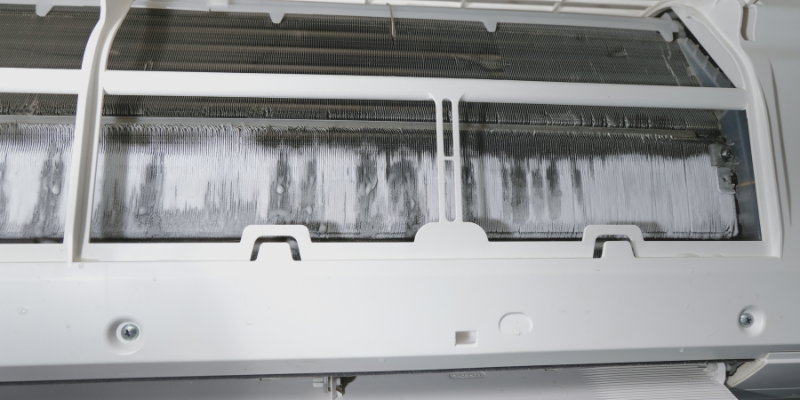
- Dirty evaporator coils lower heat absorption from the air.
- Damaged fans reduce air circulation inside the room.
- Low refrigerant levels weaken the AC’s cooling ability.
- Poor thermostat function can cause wrong temperature settings.
Tips To Maximize Air Conditioner Cooling
Many people wonder how cold an air conditioner can get a room. The answer depends on several factors. You can improve cooling by using some simple tips.
This guide will help you get the most from your air conditioner. Small changes can make a big difference in cooling power.
Improving Airflow
Good airflow helps an air conditioner cool better. Blocked vents or poor air circulation reduce cooling efficiency.
Make sure air moves freely in your room. Keep vents open and clear of furniture or curtains.
- Keep doors and windows closed while running the AC
- Use fans to help circulate air in large rooms
- Remove obstructions from vents and air returns
- Ensure outdoor unit is free of debris and plants
Regular Maintenance Practices
Cleaning and maintaining your air conditioner is key to strong cooling. Dirty filters or coils lower the cold air output.
Check your AC often and fix small problems early. This keeps your system running well and saves energy.
- Clean or replace air filters every 1-2 months
- Check and clean the evaporator and condenser coils yearly
- Clear the drain line to prevent clogs and leaks
- Schedule professional service once a year for full inspection

Credit: www.aljazeera.com
When To Consider Upgrading Your Ac
Air conditioners lose their cooling power over time. Knowing when to upgrade can save money and improve comfort. This guide helps you spot signs of poor cooling and shows benefits of new AC models.
Older units may not cool rooms well or use too much energy. Upgrading can fix these problems and lower your bills. Read on to see what to watch for and why modern ACs work better.
Signs Of Inefficient Cooling
Check your air conditioner for these signs. They mean your unit is not cooling well or costing too much to run.
- Rooms do not get cold enough even at the lowest setting
- Airflow is weak or uneven in the house
- Unit runs constantly without stopping
- Energy bills rise without more use
- Ice forms on the AC coils or pipes
- Strange noises or smells come from the unit
- Frequent repairs are needed
Benefits Of Modern Cooling Technologies
New air conditioners have better parts and smart features. These improve cooling and save energy. Look for these advantages when choosing an upgrade.
| Feature | Benefit |
| Inverter Technology | Adjusts power to save energy and keep steady temperature |
| Eco-friendly Refrigerants | Reduce harm to the environment and improve efficiency |
| Smart Controls | Allow remote operation and scheduling from phones |
| Improved Filters | Clean air better and reduce allergens |
| Quiet Operation | Run with less noise for comfort |
Frequently Asked Questions
How Cold Can An Air Conditioner Actually Get?
An air conditioner can cool air down to about 60°F (15°C). Factors like room size and insulation affect its efficiency.
What Affects The Cooling Limit Of An Ac Unit?
Cooling limits depend on AC capacity, room insulation, outside temperature, and thermostat settings. Proper maintenance also plays a role.
Can An Air Conditioner Cool Below 60 Degrees Fahrenheit?
Most home AC units cannot cool below 60°F efficiently. Lower temperatures may cause the system to freeze or malfunction.
Why Does My Ac Not Get As Cold As Expected?
Poor insulation, dirty filters, refrigerant leaks, or incorrect thermostat settings can reduce cooling performance. Regular maintenance helps improve cooling.
Conclusion
An air conditioner cools the air by removing heat. It can lower room temperature to a comfortable level. The exact temperature depends on the unit and settings. Most units cool between 60 to 75 degrees Fahrenheit. Proper maintenance helps the AC work efficiently and cool better.
Keep windows closed to keep cold air inside. Remember, air conditioners do not freeze the room. They create a cool and pleasant environment for you. Understanding how cold your AC can get helps you set realistic expectations. Stay cool and enjoy your air conditioner’s comfort.