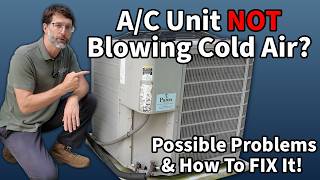
Is your air conditioner running but not cooling your home like it used to? It’s frustrating to hear the fan blowing warm air when you expect a refreshing chill.
You rely on your AC to keep you comfortable, especially during hot days, so when it stops working properly, it can throw off your entire routine. But don’t worry—understanding why your air conditioner isn’t cooling is the first step to fixing the problem quickly.
Keep reading, and you’ll discover simple reasons behind this issue and easy solutions you can try right now. Your comfort is closer than you think.
Credit: fischerheating.com
Common Causes Of Cooling Issues
Air conditioners sometimes stop cooling properly. Many reasons cause this problem. Knowing the common causes helps fix the issue quickly.
Here are some typical reasons why your air conditioner may not cool as expected.
Thermostat Settings
The thermostat controls the temperature inside your home. Wrong settings can stop the AC from cooling well. Check if the thermostat is set to “cool” mode and at a lower temperature than the room.
Airflow Obstructions
Blocked airflow stops cool air from spreading. Common blockages include closed vents, furniture near vents, or dirty blower fans. These stop the air conditioner from working properly.
- Check if vents are open and clear
- Remove objects blocking airflow
- Clean the blower fan if dusty
- Ensure doors and windows are closed
Refrigerant Levels
Refrigerant is a liquid that cools the air. Low refrigerant means less cooling power. Leaks or improper charging can cause low levels. Only a professional should check and refill refrigerant.
| Signs of Low Refrigerant | Effects on Cooling |
| Ice on coils | Reduced cooling output |
| Longer cooling cycles | Higher energy use |
| Warm air from vents | Uncomfortable room temperature |
Dirty Filters
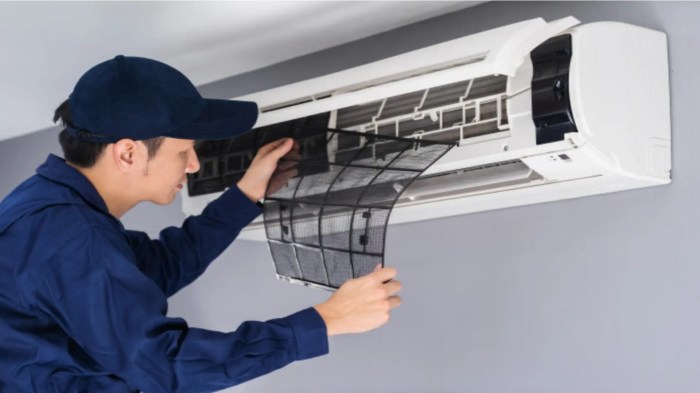
Filters clean the air before it enters the AC. Dirt clogs filters and lowers airflow. This makes the AC work harder and cool less. Change or clean filters every 1 to 3 months for best results.
- Inspect filters monthly
- Vacuum or wash reusable filters
- Replace disposable filters on time
- Use the correct filter size

Credit: www.youtube.com
Quick Fixes For Thermostat Problems
If your air conditioner is not cooling, the thermostat might be the cause. Fixing small thermostat problems can restore cool air fast.
These quick fixes do not need special tools. You can try them yourself before calling a professional.
Checking Settings
Start by checking your thermostat settings. Make sure it is set to “cool” mode, not “heat” or “off”.
Set the temperature lower than the current room temperature. This tells the air conditioner to turn on and cool the room.
- Check the mode: It must say “cool”
- Set the temperature below room temperature
- Look for fan settings: choose “auto” for best cooling
Battery Replacement
Thermostats often use batteries to work. Weak batteries can stop the thermostat from sending signals.
Open the thermostat panel and remove old batteries. Replace them with new ones of the same type.
- Turn off the thermostat before replacing batteries
- Use fresh batteries recommended by the manufacturer
- Close the panel tightly after replacement
Thermostat Calibration
If the thermostat shows the wrong temperature, the AC may not cool properly. Calibration fixes this issue.
Compare the thermostat reading with a reliable thermometer. Adjust the thermostat if the numbers differ.
- Find the calibration option in your thermostat menu
- Use a thermometer to check actual room temperature
- Adjust the thermostat reading to match the thermometer
Improving Airflow
Good airflow is key to your air conditioner cooling well. If air cannot move freely, the room stays warm.
Check parts of your system that move air. Fixing these can help your AC cool better.
Clearing Vents
Vents must be open and clean for air to flow into your rooms. Blocked vents stop cool air.
Remove any furniture or objects covering the vents. Clean dust and dirt from vent covers and grilles.
- Move furniture away from vents
- Vacuum dust inside vent covers
- Check for dirt buildup regularly
Inspecting Ductwork
Ducts carry cool air from the AC to your rooms. Leaks or blockages reduce airflow and cooling.
Look for holes, gaps, or crushed sections in ducts. Make sure ducts are clean and properly sealed.
- Check ducts in the attic or basement
- Seal leaks with duct tape or mastic
- Clear any visible blockages or debris
Checking The Fan
The fan moves air through your AC and ducts. A broken fan lowers airflow and cooling power.
Listen for unusual noises or weak airflow from vents. Inspect the fan blades for dirt or damage.
- Turn off power before inspecting the fan
- Clean fan blades to remove dust
- Replace damaged fan parts as needed
Credit: airconditioner.jatimnetwork.com
Refrigerant Level Solutions
Your air conditioner needs the right refrigerant level to cool your home well. Low refrigerant can stop your AC from working properly.
Fixing refrigerant issues often requires finding leaks and adding refrigerant safely. This guide explains what to do.
Identifying Leaks
Leaks cause your AC to lose refrigerant. Finding leaks early can save your system from damage.
Look for oily spots or wet areas on the refrigerant lines. These signs often show where leaks happen.
- Check connections and joints for oil stains
- Listen for hissing sounds near the AC unit
- Use a leak detector tool for accurate results
Professional Recharge
Adding refrigerant is called recharging. This task needs a trained technician for safety and accuracy.
Technicians check the system pressure and add the right amount of refrigerant. Overcharging or undercharging can harm the AC.
- Only professionals should handle refrigerants
- They have the right tools and knowledge
- Proper recharge improves cooling and efficiency
Signs Of Low Refrigerant
Low refrigerant causes your AC to cool less or stop cooling. Spotting these signs helps you act fast.
Watch for weak airflow, warm air from vents, or longer cooling times. These can mean your refrigerant is low.
- AC runs longer but cools less
- Ice forms on refrigerant lines
- Higher electricity bills without better cooling
- Unusual noises from the AC unit
Cleaning Or Replacing Filters
If your air conditioner is not cooling well, dirty or clogged filters may be the cause. Filters clean the air and help the system work efficiently.
Regular cleaning or replacing filters keeps your air conditioner running smoothly and cools your home better.
Filter Types
Air conditioners use different types of filters. Each type works in its own way to clean the air.
- Fiberglass filters: These are cheap and disposable.
- Pleated filters: They have folds to catch more dust.
- Electrostatic filters: Use static electricity to trap particles.
- HEPA filters: Capture very small particles for better air quality.
Cleaning Techniques
Cleaning filters can improve cooling if done regularly. Some filters are washable and reusable.
Use a vacuum or wash with water to remove dust and dirt. Let filters dry completely before placing them back.
- Turn off the air conditioner before removing filters.
- Vacuum both sides of the filter gently.
- Wash washable filters with mild soap and water.
- Dry filters fully to avoid mold growth.
- Reinstall filters carefully to fit properly.
Replacement Guidelines
Filters lose effectiveness over time. Replace them to keep your air conditioner working well.
Check the filter type and follow the manufacturer’s advice for replacement frequency.
- Fiberglass filters: Replace every 30 days.
- Pleated filters: Replace every 3 months.
- Electrostatic filters: Replace every 6 months or as needed.
- HEPA filters: Replace every 6 to 12 months.
- Replace filters sooner if you have pets or allergies.
When To Call A Professional
Air conditioners sometimes stop cooling properly. You may try fixing small problems. Yet some issues need expert help to avoid damage.
Knowing when to call a professional saves time and money. It keeps your home safe and comfortable.
Persistent Problems
If your air conditioner does not cool after basic checks, call a professional. Persistent problems include strange noises, weak airflow, or constant cycling on and off.
- Unusual sounds from the unit
- Air feels warm or only slightly cool
- System turns on and off repeatedly
- Water leaks around the unit
- Thermostat does not respond correctly
Complex Repairs
Some air conditioner issues require skill and tools. Professionals can fix these complex repairs safely and correctly.
| Problem | Why Call a Professional |
| Refrigerant leaks | Need special tools and handling |
| Electrical failures | Risk of shock or fire |
| Compressor problems | Complex replacement and testing |
| Fan motor issues | Requires disassembly and parts |
Safety Concerns
Some problems can be dangerous. Avoid DIY fixes if you see these safety risks.
- Burning smells or smoke from the unit
- Electrical sparks or tripped breakers
- Water pooling near electrical parts
- Excessive ice buildup on coils
Preventative Maintenance Tips
Your air conditioner may stop cooling well without proper care. Regular maintenance keeps it running smoothly. This guide offers simple tips to prevent cooling issues.
Follow these steps to keep your AC efficient and avoid costly repairs. Small checks and tune-ups make a big difference.
Regular Inspections
Check your air conditioner often to spot problems early. Look for dirt, leaks, and unusual noises. Clean or replace filters every month in the cooling season.
- Inspect air filters for dust and debris
- Check refrigerant lines for leaks
- Listen for strange sounds from the unit
- Ensure vents are open and unblocked
- Look for ice buildup on coils
Seasonal Tune-ups
Have a professional service your AC before the hot season. They clean coils, check refrigerant levels, and test electrical parts. This helps your system run at full power and saves energy.
| Service Task | Purpose |
| Clean evaporator and condenser coils | Improve heat exchange |
| Check refrigerant levels | Ensure proper cooling |
| Inspect electrical components | Prevent failures |
| Lubricate moving parts | Reduce wear and noise |
Energy Efficiency Measures
Use your AC wisely to keep your home cool without wasting power. Set the thermostat at a steady, comfortable temperature. Close curtains during the day to block heat.
- Set thermostat to 78°F (26°C) when home
- Turn off AC when no one is home
- Seal windows and doors to stop drafts
- Use ceiling fans to circulate air
- Replace old AC units with energy star models
Frequently Asked Questions
Why Is My Air Conditioner Blowing Warm Air?
Warm air from your AC often indicates low refrigerant levels or a dirty filter. Check for clogged filters or leaks. Both reduce cooling efficiency. Regular maintenance helps prevent this issue and keeps your AC running smoothly.
How Can I Fix My Ac Not Cooling Properly?
Start by cleaning or replacing the air filter. Check thermostat settings to ensure they are correct. Inspect outdoor units for debris. If issues persist, call a professional technician to diagnose refrigerant or compressor problems.
Can Dirty Filters Cause Ac Cooling Problems?
Yes, dirty filters block airflow, reducing cooling efficiency. They force the system to work harder and may cause overheating. Regularly cleaning or replacing filters improves air quality and ensures your AC cools effectively.
Does Low Refrigerant Affect Air Conditioner Cooling?
Low refrigerant levels prevent your AC from absorbing heat properly. This results in warm air and poor cooling performance. Only certified technicians should handle refrigerant refills to ensure safety and system integrity.
Conclusion
A cooling air conditioner needs regular care and checks. Dust, leaks, or wrong settings can stop it from working well. Fix small problems early to avoid big repairs later. Call a professional if the unit still does not cool. Stay cool by keeping your air conditioner in good shape.
Simple steps make a big difference in comfort. Don’t wait until the heat gets too strong. Act now for a fresh and cool home.