Are you looking to cut foam board quickly and cleanly without any frustration? Whether you’re working on a craft project, school display, or home improvement task, knowing the right techniques can save you time and give you perfect edges every time.
In this guide, you’ll discover simple tips and tools that make cutting foam board easy—even if you’ve never done it before. Keep reading, and you’ll learn how to take control of your project with confidence and precision.

Credit: www.youtube.com
Choosing The Right Foam Board
Foam boards are useful for many projects like crafts, presentations, and models. Picking the right foam board makes cutting and shaping easier.
This guide helps you choose the best foam board for your needs. Learn about types, thickness, and how to match your project.
Types Of Foam Board
Foam boards come in different materials and surfaces. Each type works better for certain uses and cutting methods.
- Standard Foam Board: White foam core with paper on both sides. Good for general use.
- Gator Board: Has a dense wood fiber shell. Strong and heavier than standard foam.
- Double-Sided Foam Board: Coated on both sides for smooth, printable surfaces.
- Colored Foam Board: Comes in many colors. Useful for crafts and displays.
Thickness And Density Options
Thickness and density affect how easy the foam board is to cut and how strong it is. Choose based on your project’s needs.
| Thickness | Use |
|---|---|
| 3/16 inch | Lightweight projects and easy cutting |
| 1/2 inch | Sturdy models and large displays |
| 1 inch or more | Heavy-duty projects needing strong support |
Higher density foam boards are harder to cut but hold shapes better. Lower density boards cut easily but are less durable.
Selecting Based On Project Needs
Think about what you want to make before picking a foam board. Some projects need smooth surfaces. Others need strong cores.
- For painting or drawing, choose a smooth surface foam board.
- For heavy models, pick a thick and dense board.
- For simple crafts, a thin and light foam board works best.
- If you plan to cut shapes, select foam board that cuts cleanly.

Credit: www.youtube.com
Tools For Cutting Foam Board
Cutting foam board cleanly needs the right tools. Using proper tools helps you get smooth edges and accurate shapes.
Choosing the right cutting tools also makes the work safer and faster. Below are common tools used for cutting foam board.
Utility Knives And Blades
Utility knives are the most common tool for cutting foam board. They have sharp replaceable blades that cut through foam easily.
- Retractable blades for safety
- Different blade sizes for various cuts
- Replace blades when they get dull
- Use a sharp blade for smooth cuts
- Hold the knife steady and cut slowly
Cutting Mats And Rulers
Cutting mats protect your work surface and help make straight cuts. Rulers guide your blade along a straight line.
| Tool | Purpose | Material |
| Self-healing Cutting Mat | Protects surface, easy blade movement | Rubber or PVC |
| Metal Ruler | Guides straight cuts, durable edge | Aluminum or steel |
| Plastic Ruler | Lightweight, less damage if dropped | Plastic |
Alternative Cutting Tools
Besides utility knives, other tools can cut foam board. These tools offer different cutting styles and precision levels.
- Hot wire cutters use heat to slice foam smoothly.
- Craft knives have small blades for detailed cuts.
- Electric foam cutters provide fast and clean cuts.
- Scissors work for thin foam but may crush thicker boards.
Preparing Your Workspace
Cutting foam board needs a clean and organized space. Preparing your workspace helps you work faster and safer.
Good preparation makes your project easier and keeps your tools in order.
Clearing The Area
Remove all items that can get in your way. A clear area stops accidents and gives you room to work.
Keep only the tools and materials you need for cutting foam board on your workspace.
- Clear off tables and floors nearby
- Put away fragile or valuable items
- Make space for cutting tools and foam board pieces
Setting Up A Stable Surface
Use a flat, sturdy surface to cut foam board. A stable surface gives you better control.
Check that the table or workbench does not wobble. This keeps your cuts straight and safe.
- Choose a table or workbench with a firm top
- Use a cutting mat to protect the surface
- Make sure the surface is large enough for your foam board
Safety Precautions
Wear safety gear like gloves and goggles to protect yourself. Cutting foam board can create sharp edges and dust.
Keep your hands away from the cutting blade and cut slowly to avoid accidents.
- Wear gloves to protect your hands
- Use safety goggles to shield your eyes
- Keep a first aid kit nearby
- Work in a well-lit area
- Cut away from your body

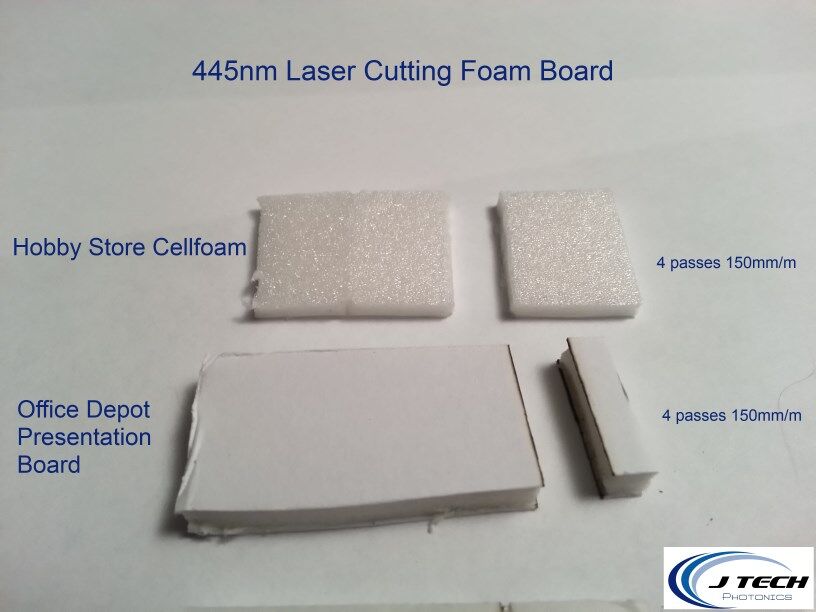
Credit: jtechphotonics.com
Marking Your Cut Lines
Marking cut lines on foam board is an important step before cutting. Clear lines help you make accurate and clean cuts.
Taking time to mark properly reduces mistakes and saves materials. Use the right tools and techniques for best results.
Measuring Accurately
Use a ruler or measuring tape to get precise measurements. Measure twice before marking to avoid errors.
Mark the points where you want to cut clearly. Double-check the measurements to ensure they match your plan.
Using Pencils And Markers
Use a pencil for light marks that you can erase if needed. A fine-tip marker works well for dark, visible lines.
Test your pencil or marker on a scrap piece of foam board first. This helps you see how the mark will appear.
Tips For Straight Lines
Use a straight edge or metal ruler to guide your pencil or marker. Hold it firmly to prevent slipping.
- Place the ruler along your measured points
- Draw slowly and steadily along the edge
- Check the line from different angles
- Adjust if the line looks uneven
Cutting Techniques
Cutting foam board correctly helps you get clean edges and shapes. Using the right techniques makes your work easier and neater.
This guide explains different cutting methods and tips for better results.
Single Vs. Multiple Passes
Cutting foam board in one pass can be quick but may cause rough edges. Taking multiple passes gives you more control and cleaner cuts.
- Use a sharp blade to reduce tearing.
- Start with light pressure to mark the cut line.
- Make several passes with steady pressure.
- Check the depth after each pass to avoid cutting too deep.
Maintaining A Steady Hand
A steady hand keeps your cut lines straight and smooth. It helps avoid mistakes and uneven edges.
Tips for a steady hand:
- Rest your arm on a flat surface.
- Hold the blade firmly but not too tight.
- Move slowly and steadily along the line.
- Keep your eyes focused on the cutting path.
Cutting Curves And Shapes
Cutting curves and shapes requires patience and the right tools. Use a flexible blade or a craft knife for better control.
| Shape | Best Tool | Cutting Tip |
|---|---|---|
| Circle | Sharp craft knife | Make small cuts and rotate the board. |
| Wavy lines | Flexible blade | Go slow to follow the curves. |
| Complex shapes | Precision knife | Use multiple passes and adjust grip often. |
Finishing Your Cuts
Cutting foam board is just the start. Finishing your cuts makes your project look neat. It also helps the pieces fit well together.
Take time to smooth and clean the edges. This step improves the final look and feel of your foam board work.
Smoothing Edges
After cutting, the edges may feel rough or uneven. Use fine sandpaper or a sanding block to smooth them. Light pressure works best to avoid damaging the foam.
- Use 120-grit or finer sandpaper.
- Sand gently along the edge in one direction.
- Check often to avoid over-sanding.
- Wipe away dust with a dry cloth after sanding.
Removing Loose Particles
Loose foam pieces can stick to your work or cause uneven surfaces. Remove all particles before moving on. A soft brush or compressed air works well for this task.
| Tool | Purpose |
| Soft Brush | Brush off loose foam bits |
| Compressed Air | Blow away fine particles |
| Cloth | Wipe remaining dust |
Checking For Cleanliness
Before assembling or painting, check the foam board for dust or debris. Clean surfaces help glue and paint stick better. Use a clean, dry cloth or a tack cloth for best results.
- Inspect edges and surfaces closely.
- Remove any dust with a cloth or brush.
- Make sure no particles remain before continuing.
Common Mistakes To Avoid
Cutting foam board can be tricky if you do not prepare well. Many people make the same errors that cause rough edges or damage.
Knowing what to avoid helps you get clean, smooth cuts every time. Here are some common mistakes and how to prevent them.
Using Dull Blades
Using a dull blade is one of the biggest problems. It can tear the foam instead of cutting it cleanly.
- A dull blade pushes through the foam, causing rough edges.
- It requires more force, which can lead to slipping and accidents.
- Dull blades create uneven cuts that ruin your project’s look.
- Replacing blades often ensures better control and smoother cuts.
Rushing The Cut
Cutting foam board too quickly leads to mistakes. Slow and steady cuts make a difference.
Take your time to guide the blade. Rushing can cause jagged lines and uneven surfaces.
Improper Support
Not supporting the foam board correctly causes bending or breaking during cutting.
| Problem | Effect | Solution |
|---|---|---|
| Cutting with board unsupported | Foam bends or cracks | Use a flat, stable surface |
| Holding board unevenly | Uneven cuts and damage | Secure board with clamps or weights |
| Cutting at edge without support | Board breaks off | Keep cutting area fully supported |
Tips For Advanced Projects
Cutting foam board for advanced projects needs care and skill. Good techniques help you create clean, precise shapes.
Use special tips to improve your designs and combine foam boards with other materials. This makes your projects stand out.
Layering Foam Boards
Layering foam boards adds depth and strength to your work. You can build thicker shapes by gluing boards on top of each other.
Make sure each layer is cut accurately to keep the edges smooth. Use a strong adhesive designed for foam to hold layers firmly.
- Cut all layers before gluing for better alignment
- Use clamps or weights while glue dries
- Sand edges lightly after layering for a smooth finish
Creating Intricate Designs
Use sharp blades to cut detailed shapes in foam board. Small, careful cuts help keep designs clean and precise.
Work slowly and use a cutting mat to protect surfaces. Mark your design clearly before cutting to avoid mistakes.
- Use a craft knife with fresh blades
- Score deeply for clean breaks
- Cut in multiple passes instead of one deep cut
Combining With Other Materials
Mix foam boards with wood, plastic, or metal to add texture and strength. Choose materials that work well with foam glue.
Test adhesives on small pieces first. Use lightweight materials so your project stays easy to handle and stable.
- Use hot glue or special foam-safe adhesives
- Attach materials in layers to build a strong bond
- Sand foam edges before gluing for better grip
Frequently Asked Questions
What Tools Are Needed To Cut Foam Board?
To cut foam board, you’ll need a sharp utility knife, a straightedge, and a cutting mat. A metal ruler ensures straight cuts, while the cutting mat protects surfaces. For intricate designs, consider a hot wire cutter. Always ensure your tools are sharp for clean cuts.
How Do You Cut Foam Board Straight?
To cut foam board straight, use a sharp utility knife and a metal ruler. Align the ruler with your cutting line. Gently score the foam board with the knife, applying steady pressure. Multiple light passes ensure a clean, straight cut without tearing.
Can Foam Board Be Cut With Scissors?
Foam board can be cut with scissors, but it’s not recommended for precision. Scissors may crush the edges, resulting in uneven cuts. For cleaner edges and better accuracy, use a utility knife or a hot wire cutter. Always handle tools with care to avoid accidents.
What Is The Best Knife For Cutting Foam Board?
A utility knife with a sharp, retractable blade is best for cutting foam board. Choose one with a comfortable grip for better control. For intricate designs, a craft knife with a fine blade works well. Ensure the blade is sharp to avoid tearing the foam.
Conclusion
Cutting foam board is simple with the right tools and care. Always measure twice and cut once to avoid mistakes. Use a sharp knife and a straight edge for clean lines. Take your time to ensure smooth, even cuts. Practice helps improve your skill and confidence.
With these tips, your foam board projects will turn out great every time. Keep your workspace safe and tidy. Enjoy creating with foam board!