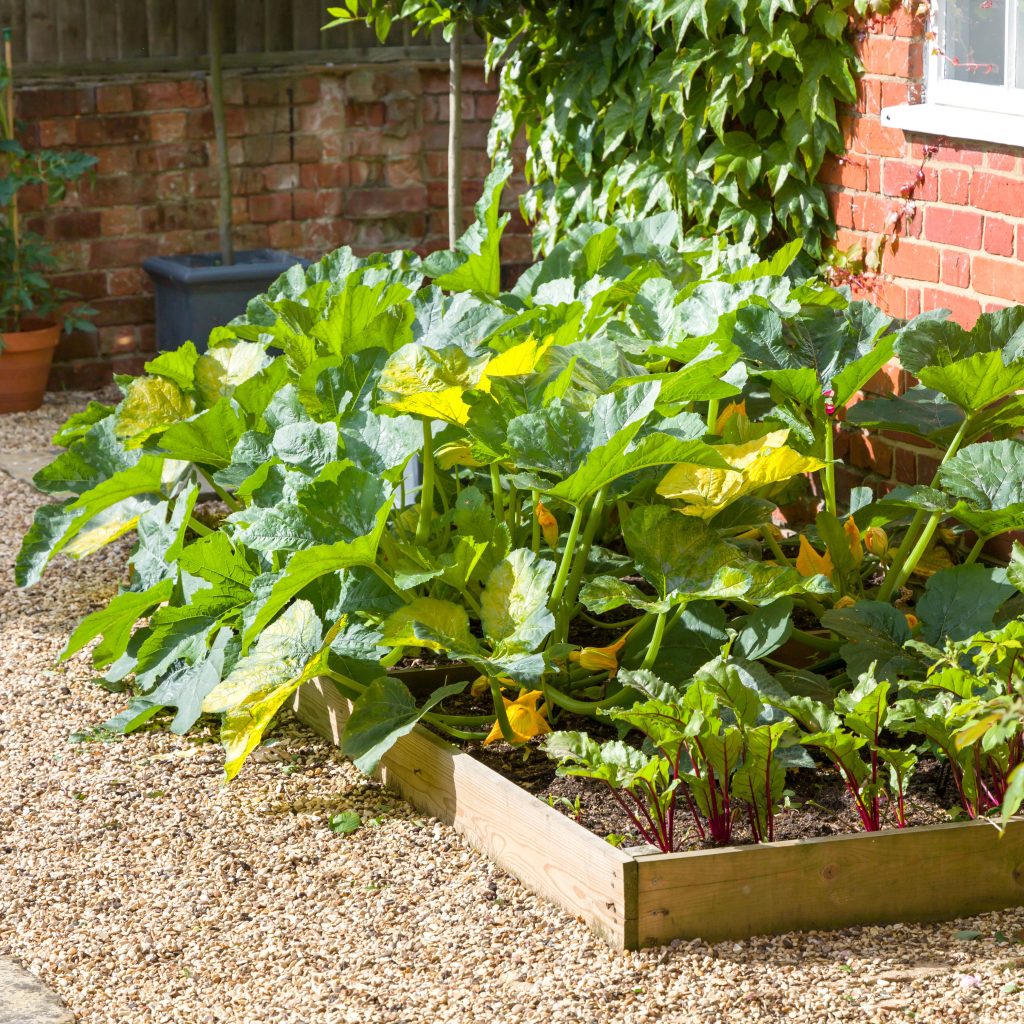
Are you ready to grow a thriving garden but unsure how deep your raised beds need to be? The depth of your raised garden beds plays a huge role in how healthy and productive your plants will be.
Too shallow, and your roots won’t have enough space to spread. Too deep, and you might be wasting time and resources. You’ll discover the perfect depth for different types of plants, how to choose the right soil, and simple tips to make your garden flourish.
Keep reading to unlock the secrets to a successful raised garden bed that works for you.
Benefits Of Raised Garden Beds
Raised garden beds offer many advantages for growing plants. They make gardening easier and more productive.
These beds improve soil conditions and help plants grow better. Here are some key benefits.
Improved Soil Drainage
Raised beds allow water to drain away faster than flat ground. This stops water from pooling around plant roots.
Good drainage helps prevent root rot and keeps soil healthy. It also lets you control soil type better.
- Water moves quickly through raised beds
- Reduces risk of waterlogging
- Allows use of loose, well-draining soil
Ease Of Access
Raised beds sit above ground level, making gardening easier. You do not need to bend down as much.
This helps people with back or knee problems. It also makes planting and harvesting faster and safer.
- Less bending and kneeling needed
- Better for elderly or disabled gardeners
- Clear boundaries keep paths tidy
Enhanced Root Growth
Raised beds give roots more room to grow deep and spread out. Loose soil in beds allows roots to breathe.
Plants develop stronger root systems which improve their health and yield. Good root growth helps plants survive drought.
- Roots grow deeper and wider
- Soil stays loose and aerated
- Stronger plants with better nutrient uptake

Credit: www.vegega.com
Factors Influencing Depth
The depth of raised garden beds depends on several important factors. Choosing the right depth helps plants grow strong and healthy.
Understanding these factors lets you build beds that fit your garden’s needs well. This guide covers key points to think about.
Type Of Plants
Different plants need different soil depths. Some plants have shallow roots while others need deeper soil to grow well.
Root vegetables like carrots and potatoes need deep beds. Leafy greens and herbs can grow in shallower beds.
- Shallow-rooted plants: 6 to 8 inches deep
- Medium-rooted plants: 12 to 18 inches deep
- Deep-rooted plants: 18 to 24 inches or more
Soil Quality
Good soil holds water and nutrients well. Poor soil may need a deeper bed to support plant roots.
If your soil is sandy or rocky, build deeper beds. This gives plants enough room to access water and nutrients.
- Rich, loamy soil: shallower beds work fine
- Sandy or poor soil: deeper beds improve growth
- Mixed or unknown soil: test soil before deciding depth
Climate And Weather Conditions
Climate affects how deep your garden beds should be. Cold climates may need deeper beds to protect roots from frost.
In hot or dry areas, deeper beds help keep soil moist longer. This supports plant health during dry spells.
- Cold climates: deeper beds prevent root freezing
- Hot climates: deeper beds retain moisture better
- Rainy climates: moderate depth helps drainage
Standard Depth Recommendations
Raised garden beds need the right depth for healthy plant growth. Different plants have different root needs. Choosing the correct depth helps plants thrive.
This guide covers standard depth recommendations for vegetables, herbs, flowers, and shrubs. Use these tips to build your raised beds properly.
Vegetables And Herbs
Most vegetables and herbs grow well in raised beds 12 to 18 inches deep. This depth allows roots to spread and access nutrients easily.
- Leafy greens: 12 inches
- Root vegetables (carrots, radishes): 12 to 18 inches
- Tomatoes and peppers: 18 inches
- Herbs like basil and parsley: 12 inches
Flowers And Ornamentals
Flower roots vary, but most ornamentals do well in 12 to 15 inches of soil. This depth supports blooms and healthy foliage.
| Flower Type | Recommended Depth |
|---|---|
| Annuals (petunias, marigolds) | 12 inches |
| Perennials (daylilies, coneflowers) | 15 inches |
| Bulbs (tulips, daffodils) | 10 to 15 inches |
Perennials And Shrubs
Perennials and shrubs need deeper beds to support larger roots. Raised beds should be at least 18 to 24 inches deep.
Here are some depth tips for common perennials and shrubs:
- Small perennials: 18 inches
- Larger shrubs: 24 inches or more
- Root spreading plants: wider and deeper beds
Special Considerations For Depth
Raised garden beds need the right depth for healthy plant growth. The depth depends on what you want to grow. Some plants need shallow soil, and others need deep soil.
This guide explains how deep raised garden beds should be for different plant types. Understanding these needs helps your plants grow strong and produce well.
Root Vegetables
Root vegetables need enough space to grow underground. If the soil is too shallow, roots will be small or misshapen. Deep beds help these vegetables develop fully.
- Carrots need at least 12 inches of soil depth.
- Beets grow well in 10 to 12 inches of soil.
- Radishes prefer 6 to 8 inches of loose soil.
- Turnips require about 12 inches for good root growth.
Deep-rooted Plants
Plants with long roots need deep beds to reach nutrients and water. Shallow beds limit their growth and can stress the plants.
| Plant Type | Recommended Bed Depth |
| Tomatoes | 18 to 24 inches |
| Peppers | 12 to 18 inches |
| Peas | 12 to 18 inches |
| Beans | 12 to 18 inches |
Container Gardens
Container gardens need careful soil depth choices. The soil must be deep enough for roots but not too heavy to carry. Some plants do well in shallow containers.
Here are common container depths for various plants:
- Herbs: 6 to 8 inches
- Lettuce and greens: 8 to 10 inches
- Small flowers: 6 to 12 inches
- Vegetables like peppers or tomatoes: 12 to 18 inches
Building Your Raised Garden Bed
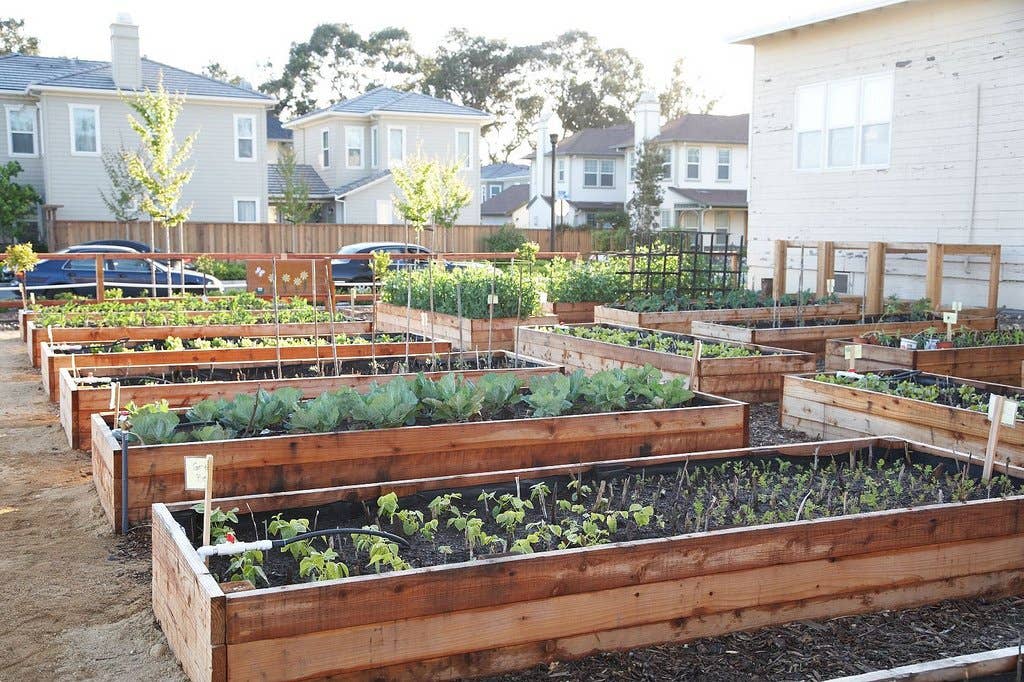
Raised garden beds help improve soil quality and drainage. You can grow plants better with the right bed depth and materials.
Building a strong and healthy raised bed starts with good planning. Choose the right materials, build a sturdy frame, and fill it with proper soil.
Choosing Materials
Select materials that last and are safe for your plants. Common choices include wood, stone, and metal. Each has pros and cons.
- Wood: Easy to work with, but use untreated or cedar to avoid chemicals.
- Stone or Brick: Durable and natural but can be costly and hard to move.
- Metal: Long-lasting and modern but may heat soil quickly in sun.
- Recycled Materials: Eco-friendly but check for harmful residues.
Constructing The Frame
The frame holds soil and plants. Make sure it is strong and deep enough. A depth of 12 to 18 inches is best for most vegetables.
| Material | Recommended Depth | Notes |
| Wood | 12-18 inches | Use rot-resistant wood |
| Stone | 12-24 inches | Can be taller but costly |
| Metal | 12-18 inches | Good for modern designs |
| Recycled | 12-18 inches | Check safety carefully |
Fasten corners tightly and check for gaps. A solid frame holds soil and water well.
Filling With Soil
Use good quality soil mix for best plant growth. Avoid using garden dirt alone. Mix compost, peat moss, and vermiculite for good drainage and nutrients.
- Start with a layer of coarse material like straw or small branches for drainage.
- Add a mix of topsoil, compost, and peat moss to fill the bed.
- Leave about an inch from the top to prevent soil spillage.
- Water the soil well before planting your seeds or seedlings.
Credit: dengarden.com
Maintaining Optimal Depth
Raised garden beds need the right soil depth for healthy plants. The depth affects root growth and water drainage.
Maintaining the correct depth over time helps your garden stay productive and strong.
Seasonal Adjustments
Soil in raised beds changes with the seasons. It can dry out or become compacted during hot months.
Adding organic matter in spring and fall helps keep soil loose and deep enough for roots.
- Add mulch in summer to keep soil moist
- Loosen soil surface after heavy rains
- Check depth before planting each season
Soil Settling And Compaction
Soil naturally settles and compacts over time. This reduces the depth and space for roots.
Regularly fluffing the soil and avoiding heavy foot traffic helps keep the bed deep.
- Use a garden fork to aerate soil
- Do not step inside the bed
- Add fresh soil if settling is severe
Amending Soil Over Time
Adding compost and other amendments restores nutrients and depth. This keeps soil rich and healthy.
Top off the bed with new soil yearly to replace what plants use up.
- Mix compost into the top 6 inches
- Add organic matter before planting
- Replace soil lost from erosion or harvesting

Credit: savvygardening.com
Frequently Asked Questions
How Deep Should Raised Garden Beds Be For Vegetables?
Raised garden beds for vegetables should be at least 12 to 18 inches deep. This depth allows enough space for root growth and proper drainage. Deeper beds, around 24 inches, are ideal for root vegetables like carrots and potatoes.
Does Soil Depth Affect Raised Bed Plant Growth?
Yes, soil depth directly impacts plant growth. Shallow soil limits root expansion and nutrient access. Deeper soil promotes healthy roots, better moisture retention, and stronger plants. Aim for 12 to 24 inches depending on your plant types.
Can Shallow Raised Beds Support Healthy Plants?
Shallow raised beds can support some plants like herbs and lettuce. However, deeper-rooted plants need more soil depth for healthy growth. For best results, maintain at least 12 inches of soil depth in your raised beds.
What Is The Ideal Depth For Root Vegetables?
Root vegetables require deeper soil, typically 18 to 24 inches. This depth allows roots to grow without obstruction. Shallow soil can cause misshapen or stunted vegetables. Ensure your raised bed accommodates these needs for a good harvest.
Conclusion
Choosing the right depth for raised garden beds helps plants grow strong. Most vegetables do well in beds 12 to 18 inches deep. Root crops like carrots need deeper soil, about 18 to 24 inches. Shallow beds work best for herbs and lettuce.
Good soil and drainage matter more than bed height alone. Start with the depth that fits your plants and space. Adjust as you learn what your garden needs. Happy gardening!