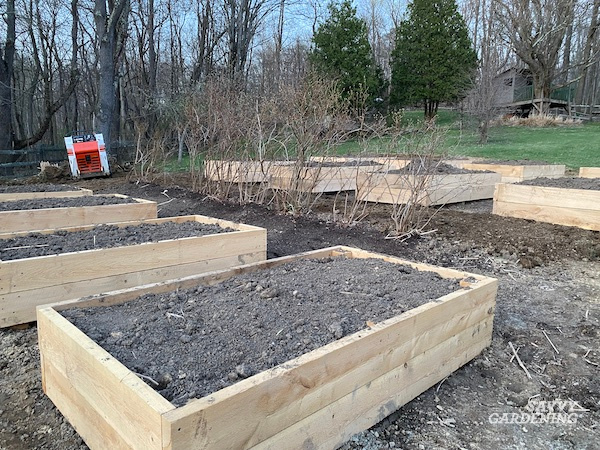
Are you ready to grow a thriving garden but unsure how deep your raised garden bed should be? The depth of your bed can make a huge difference in how well your plants grow and how easy it is for you to care for them.
Whether you want juicy tomatoes, fresh herbs, or colorful flowers, getting the right depth is key to success. Keep reading, and you’ll discover simple guidelines that will help your garden flourish like never before. Your perfect raised bed starts here!
Credit: www.thunderbirddisco.com
Factors Affecting Bed Depth
Raised garden beds offer flexibility in growing conditions. The depth of these beds depends on various factors.
Understanding these factors helps in choosing the right depth for a productive garden.
Soil Type And Quality
The type and quality of soil affect how deep your raised garden bed should be. Sandy soils drain quickly, while clay soils retain more water.
- Sandy soil requires deeper beds to retain moisture.
- Clay soil can use shallower beds due to higher water retention.
- Loamy soil, being ideal, needs moderate depth.
Plant Root Systems
Different plants have varying root depths. Knowing the root system helps in determining bed depth.
| Plant | Root Depth |
| Carrots | 12 inches |
| Lettuce | 6 inches |
| Tomatoes | 24 inches |
Climate Considerations
The local climate influences the depth of raised garden beds. Warmer climates may require deeper beds to retain moisture.

Credit: mynortherngarden.com
Recommended Depths For Common Plants
Raised garden beds help plants grow better by giving roots space and good soil. Choosing the right bed depth is important for healthy plants.
Different plants need different root depths. Knowing how deep your bed should be helps your plants get enough water and nutrients.
Shallow Rooted Vegetables
Shallow rooted vegetables have roots that stay near the soil surface. They do not need very deep soil to grow well.
A raised bed depth of 6 to 8 inches is enough for these plants. They grow best with loose, well-drained soil.
- Lettuce
- Spinach
- Radishes
- Green onions
- Herbs like basil and parsley
Medium Rooted Plants
Medium rooted plants have roots that go deeper than shallow plants but not very deep. They need more soil depth to spread their roots.
A raised bed depth of 12 to 18 inches works well for these plants. This depth supports healthy root growth and good moisture levels.
- Carrots
- Beets
- Peppers
- Tomatoes (in smaller varieties)
- Beans
Deep Rooted Crops
Deep rooted crops have long roots that reach far down into the soil. They need the deepest raised beds for strong growth.
A raised bed depth of 18 to 24 inches or more is best for these crops. This allows roots to grow fully and absorb enough nutrients.
- Tomatoes (larger varieties)
- Potatoes
- Cucumbers
- Squash
- Broccoli
Materials For Raised Beds
Choosing the right material for your raised garden bed is important. It affects the bed’s durability and the plants’ health.
Some materials last longer, while others are easier to work with or better for the environment.
Wood Options
Wood is a popular choice for raised beds. It looks natural and blends well in gardens. Cedar and redwood resist rot and insects. Pine is cheaper but may need treatment.
- Cedar: durable and insect-resistant
- Redwood: long-lasting and natural
- Pine: affordable but less durable
- Pressure-treated wood: avoid due to chemicals
Metal And Plastic Choices
Metal and plastic beds are strong and last for years. Metal beds can get hot in the sun. Plastic beds are lightweight and easy to move.
| Material | Pros | Cons |
| Galvanized steel | Durable, rust-resistant | Can heat up in sun |
| Aluminum | Lightweight, rust-proof | Less sturdy |
| Plastic | Light, affordable, easy to clean | Can crack in cold weather |
Recycled Materials
Using recycled materials is eco-friendly and creative. Old bricks, stones, and wood pallets can make unique raised beds.
Here are common recycled options:
- Bricks: heavy and long-lasting
- Stones: natural look, very durable
- Wood pallets: easy to find, may need sealing

Credit: savvygardening.com
Building Tips For Optimal Depth
Choosing the right depth for a raised garden bed is important for healthy plant growth. The bed needs enough space for roots to grow deeply and access nutrients.
This guide covers layering soil and amendments, drainage solutions, and bed height for easy access.
Layering Soil And Amendments
Start by adding a base layer of coarse material to improve soil structure. Then add nutrient-rich soil mixed with compost for plant growth.
- Place 2–4 inches of small rocks or coarse wood chips at the bottom
- Add 6–12 inches of quality garden soil mixed with compost
- Top with 2–4 inches of mulch to retain moisture
- Mix amendments like peat moss or vermiculite as needed
Drainage Solutions
Good drainage prevents water from pooling and damaging roots. Use materials and design that let water flow freely.
| Drainage Method | Description | Benefit |
| Raised Bed Height | At least 12 inches above ground | Prevents water logging |
| Bottom Layer | Coarse materials like gravel | Improves water flow |
| Soil Mix | Well-draining soil and compost | Retains moisture but drains excess |
Bed Height And Accessibility
The height of the bed affects comfort and plant health. Taller beds reduce bending and improve soil warmth.
- Standard depth: 12–18 inches for most vegetables
- Deeper beds (18–24 inches) for root crops like carrots
- Height of 24–36 inches helps gardeners with limited mobility
- Ensure paths around beds allow easy access
Adjusting Depth For Specific Needs
The depth of a raised garden bed depends on what you want to grow. Different plants need different soil depths to grow well.
Choosing the right depth helps plants get enough space for roots. It also affects water drainage and soil quality.
Growing Root Vegetables
Root vegetables like carrots and beets need deep soil to grow long and straight. Shallow beds can stop roots from developing properly.
For these vegetables, a bed depth of at least 12 to 18 inches is best. This gives enough room for roots to spread and grow down.
- Carrots: 12 to 18 inches deep
- Beets: 12 to 18 inches deep
- Radishes: 8 to 12 inches deep
Container Gardening
Containers need less soil depth than garden beds, but plants still need enough space for roots. Most vegetables do well in 6 to 12 inches of soil.
Shallow containers are good for herbs and leafy greens. Deeper containers help support larger plants with bigger roots.
- Herbs: 6 to 8 inches deep
- Leafy greens: 6 to 10 inches deep
- Tomatoes and peppers: 12 inches or more
Urban And Small Space Beds
Urban gardens often have limited space. Raised beds here can be shallower but still need enough depth for healthy plants.
A depth of 8 to 12 inches works well for most vegetables in small spaces. Use good soil to help plants grow strong roots in less space.
- Choose compact or dwarf plant varieties
- Use nutrient-rich, loose soil
- Water often as soil dries faster in shallow beds
Maintenance And Soil Renewal
Raised garden beds need proper care to keep plants healthy. Soil renewal helps your garden grow strong.
Maintaining soil depth is key to good drainage and root growth. Regular soil checks improve plant health.
Soil Testing
Test soil to know its nutrients and pH level. This helps you add the right materials to improve it.
Simple soil tests show if soil is too acidic or alkaline. This affects which plants will grow best.
- Use a soil test kit from a garden store
- Take samples from different parts of the bed
- Follow the test instructions carefully
- Add amendments based on test results
Adding Compost
Compost adds nutrients and improves soil texture. It helps plants get enough food to grow well.
Add compost every year to renew soil. Spread a layer on top and mix it gently into the soil.
- Use homemade or store-bought compost
- Add 2 to 3 inches of compost yearly
- Mix compost with existing soil lightly
- Water the bed after adding compost
Preventing Soil Compaction
Soil compaction stops roots from growing deep. It reduces air and water flow in the soil.
Avoid stepping inside the raised bed. Use tools that loosen soil without damaging it.
- Do not walk on the garden bed
- Use a garden fork to aerate soil
- Work soil when it is moist, not wet
- Add mulch to protect soil surface
Frequently Asked Questions
How Deep Should A Raised Garden Bed Be?
A raised garden bed should be at least 12 inches deep. This depth supports most vegetable roots and improves soil drainage. For root vegetables, consider 18 to 24 inches. Proper depth ensures healthy growth and nutrient access for plants.
Does Plant Type Affect Raised Bed Depth?
Yes, plant type influences bed depth. Shallow-rooted plants need 6-12 inches, while deep-rooted plants require 18-24 inches. Knowing plant root systems helps optimize bed depth for better growth and yields.
Can Shallow Raised Beds Grow Vegetables?
Shallow raised beds can grow some vegetables like lettuce and herbs. However, deep-rooted plants need deeper beds for proper root development and nutrient uptake. Choose bed depth based on the plants you want to grow.
Why Is Soil Depth Important In Raised Beds?
Soil depth affects root growth, water retention, and nutrient availability. Adequate depth allows roots to spread and access resources. This leads to healthier plants and higher crop yields in raised beds.
Conclusion
Choosing the right depth for your raised garden bed matters a lot. Most plants grow well in 12 to 18 inches of soil. Deeper beds help roots spread and find water easily. Shallow beds can dry out fast and limit plant growth.
Think about what you want to grow and your soil type too. A good depth makes gardening easier and your plants healthier. Start with these tips and enjoy your garden’s success. Gardening can be simple and fun with the right bed depth.