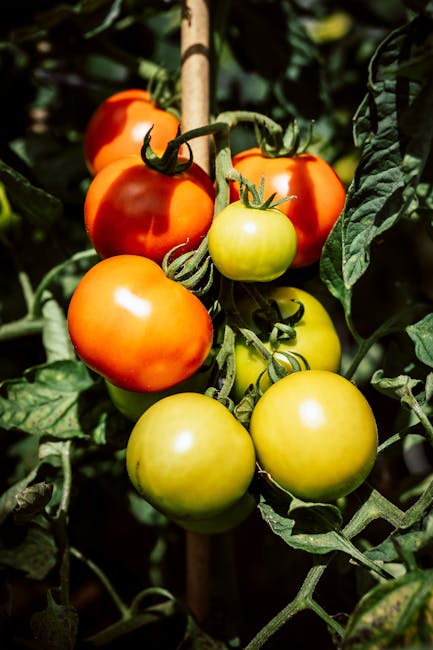
Are you struggling to grow juicy, flavorful tomatoes in your garden? The secret might be in how deep your raised garden bed is.
A deep raised garden bed can give your tomato plants the space and nutrients they need to thrive, leading to bigger harvests and healthier plants. If you want to unlock the full potential of your tomato garden, keep reading. This guide will show you exactly how to build and use a deep raised garden bed that helps your tomatoes grow strong and delicious.
Your best tomato season starts here!
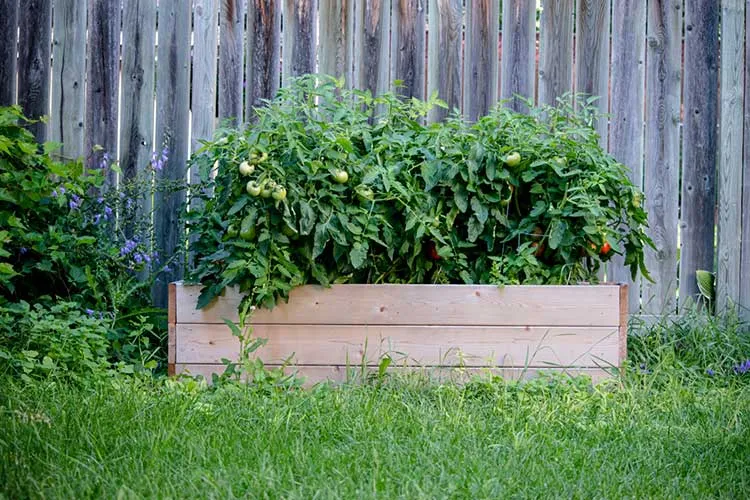
Credit: www.farmfreshchoice.com
Benefits Of Deep Raised Beds
Deep raised beds are great for growing tomatoes. They give plants space to grow strong roots.
These beds also help with soil and temperature, making tomato plants healthier.
Improved Root Development
Deep raised beds allow tomato roots to grow deep and wide. This helps plants absorb more water and nutrients.
Stronger roots mean healthier plants and bigger tomatoes.
Enhanced Soil Drainage
Good drainage stops water from pooling around roots. Deep raised beds let water flow away quickly.
This reduces the risk of root rot and keeps tomatoes healthy.
Better Soil Temperature Control
Deep beds warm up faster in spring and stay warm longer in fall. This helps tomato plants grow well.
Stable soil temperature makes the growing season longer and improves tomato yield.
Choosing The Right Location
Choosing the right spot for your raised garden bed is key for healthy tomatoes. The location affects how well your plants grow and produce fruit.
Think about sunlight, space, and protection. These factors help your tomatoes thrive and avoid common problems.
Sunlight Requirements
Tomatoes need plenty of sunlight to grow strong and produce ripe fruit. Pick a place that gets at least six to eight hours of direct sun daily.
- Full sun helps tomatoes develop flavor and color.
- Morning sun is best as it dries dew and reduces disease risk.
- Avoid shaded spots near trees or buildings.
Accessibility And Space
Choose a location that is easy to reach for watering, pruning, and harvesting. Leave enough space around the bed to move comfortably.
| Factor | Recommendation |
| Distance from house | Close but not too near to avoid pests |
| Walking space | At least 2 feet around the bed |
| Bed size | Wide enough for roots and air flow |
Protection From Wind And Pests
Strong winds can damage tomato plants and slow growth. Also, pests can harm your crop if the location is not secure.
- Place the bed near a fence or hedge to block wind.
- Use row covers or netting to keep pests away.
- Keep the area clean to reduce hiding spots for insects.
Materials For Raised Beds
Choosing the right materials for your raised bed helps your tomatoes grow strong. Good materials last long and keep soil healthy.
Many options exist, like wood, metal, and composites. Each has benefits and care needs for your garden.
Wood Options And Treatments
Wood is a popular choice for raised beds. It looks natural and is easy to work with. Cedar and redwood resist rot well.
Treated wood lasts longer but avoid types with harmful chemicals. Use natural oils or stains to protect untreated wood.
- Cedar: Durable and rot-resistant
- Redwood: Strong and naturally decay-resistant
- Pine (treated): Cheaper but check for safe treatments
- Use natural wood oils for protection
Metal And Composite Alternatives
Metal beds are strong and last for years. Steel and aluminum resist pests and decay. They may heat soil faster.
Composite materials mix wood fibers with plastic. They look like wood and need less care. Composites do not rot or split.
- Steel: Very durable but can get hot
- Aluminum: Lightweight and rust-resistant
- Composite: Low maintenance and long-lasting
- Metal and composite beds suit modern gardens
Soil And Liner Choices
Good soil is key for deep raised beds. Use a mix of compost, topsoil, and sand to keep soil loose and full of nutrients.
Linings protect wood and keep soil clean. Use landscape fabric to stop weeds and plastic liners to keep moisture in. Avoid liners that trap water too much.
- Soil mix: Compost, topsoil, sand
- Landscape fabric: Blocks weeds and drains well
- Plastic liners: Keep moisture but watch drainage
- Choose liners that fit your climate and bed type
Designing The Bed Depth And Size
Building a deep raised garden bed helps tomatoes grow better. Proper depth and size make roots healthy and plants strong.
Good design supports growth and makes care easier. Think about the space and soil your tomatoes need.
Optimal Depth For Tomato Roots
Tomato roots grow deep to find water and nutrients. A raised bed should be at least 12 to 18 inches deep.
Deeper beds allow roots to spread and keep plants healthy. Shallow beds may limit growth and reduce yield.
Width And Length Considerations
Width affects how you reach the plants for care and harvest. Keep beds narrow enough to reach the middle easily.
Length depends on your garden space. Long beds hold more plants but need more soil and water.
- Ideal width: 3 to 4 feet for easy access
- Length: any size that fits your garden
- Keep paths between beds for walking and working
Ensuring Proper Drainage
Good drainage stops water from pooling and hurting roots. Raised beds should let water flow through soil well.
Use loose, well-draining soil mix. Avoid heavy clay soil or add sand and compost to improve drainage.
- Raise bed at least 6 inches off ground if soil drains poorly
- Add gravel or small rocks under soil for extra drainage
- Check water drains quickly after watering
Soil Preparation And Amendments
Growing tomatoes in a deep raised garden bed needs good soil preparation. Healthy soil helps plants grow strong and produce tasty fruits.
Adding the right ingredients and keeping soil balanced will give your tomatoes the best start.
Soil Mix Components
Tomatoes need soil that drains well but holds moisture. A good soil mix has different parts to support growth.
- Loamy soil for texture and nutrients
- Compost for organic matter
- Perlite or vermiculite to improve drainage
- Peat moss to retain moisture
Adding Nutrients And Compost
Tomatoes use many nutrients while growing. Compost adds natural food to the soil and helps plants stay healthy.
Adding balanced fertilizer gives extra nitrogen, phosphorus, and potassium needed for strong roots and fruit.
- Mix compost well into the soil
- Use slow-release fertilizer for steady nutrients
- Apply nutrients before planting and during growth
Maintaining Soil Ph Levels
Tomatoes grow best in soil with a pH between 6.0 and 6.8. This range helps them absorb nutrients easily.
Test the soil pH regularly and adjust it if needed. Lime can raise pH, and sulfur can lower it.
- Use a soil test kit to check pH
- Add lime to increase pH if soil is too acidic
- Add sulfur to lower pH if soil is too alkaline
- Keep pH stable for best tomato growth
Planting And Spacing Tomatoes
Growing tomatoes in deep raised garden beds helps roots spread well. Proper planting and spacing keep plants healthy.
Choosing the right variety and planting at the right time will improve your harvest. Space plants to avoid crowding.
Selecting Tomato Varieties
Pick tomato types that fit your garden space and climate. Some types grow better in deep beds than others.
- Determinate varieties stay compact and are good for small beds.
- Indeterminate types grow tall and need support.
- Cherry tomatoes produce many small fruits and spread wide.
- Beefsteak tomatoes yield large fruits but need plenty of space.
Proper Plant Spacing
Space tomato plants to allow air and light to reach all leaves. This lowers disease risk and improves growth.
| Tomato Type | Spacing Between Plants | Spacing Between Rows |
| Determinate | 18-24 inches (45-60 cm) | 36-48 inches (90-120 cm) |
| Indeterminate | 24-36 inches (60-90 cm) | 48-60 inches (120-150 cm) |
| Cherry Tomatoes | 18-24 inches (45-60 cm) | 36-48 inches (90-120 cm) |
| Beefsteak | 24-36 inches (60-90 cm) | 48-60 inches (120-150 cm) |
Timing For Planting
Plant tomatoes after the last frost date in your area. Soil should be warm, at least 60°F (16°C).
- Start seeds indoors 6-8 weeks before planting outside.
- Harden off seedlings by placing them outdoors for short periods before planting.
- Plant tomatoes deeply to encourage strong roots.
- Water well after planting and keep soil moist.
Watering And Irrigation Techniques
Growing tomatoes in deep raised beds needs careful watering. Proper watering helps plants grow strong and healthy.
Using good irrigation techniques saves water and keeps soil moist. This guide covers key watering tips for deep beds.
Consistent Moisture Levels
Tomatoes need steady moisture to avoid stress. Dry soil can cause fruit to crack or plants to wilt.
Keep soil evenly damp but not soggy. Check soil moisture by feeling it with your fingers daily.
- Water deeply to reach roots
- Water early in the morning
- Mulch to keep soil moist longer
Drip Irrigation Benefits
Drip irrigation delivers water directly to the soil near tomato roots. This saves water and reduces waste.
It lowers leaf wetness, which helps prevent diseases. Drip systems work well with deep raised beds.
- Reduces water evaporation
- Delivers water slowly and evenly
- Easy to automate with timers
- Limits weed growth by watering only roots
Avoiding Overwatering
Too much water can harm tomatoes by causing root rot. Overwatering wastes water and weakens plants.
Watch for yellow leaves or soft stems as signs of excess water. Let soil dry slightly between waterings.
- Water only when top inch of soil is dry
- Use well-draining soil in raised beds
- Check drainage holes to prevent water build-up

Credit: www.thegardenacademy.com
Supporting Tomato Plants
Tomato plants need strong support to grow well. Using the right methods helps keep plants healthy.
Proper support also makes harvesting easier and prevents damage to the plants.
Staking And Caging Methods
Staking and caging are common ways to support tomato plants. Stakes hold plants upright, and cages keep branches contained.
- Use a wooden or metal stake about 6 feet tall.
- Tie the plant stem loosely to the stake with soft ties.
- Place a tomato cage around the plant to support branches.
- Choose cages made of sturdy wire for durability.
- Check ties regularly to avoid cutting into stems.
Trellising Options
Trellising helps train tomato plants to grow vertically. This saves space and improves air flow.
| Trellis Type | Description | Best For |
|---|---|---|
| Vertical String Trellis | Plants tied to strings hung from a frame | Indeterminate tomatoes |
| Florida Weave | Twine woven between stakes to hold plants | Rows of tomato plants |
| A-Frame Trellis | Two frames joined at top to form an A shape | Compact gardens |
Pruning For Growth
Pruning removes extra growth to help the plant focus on fruit. It also improves air flow and sunlight reach.
- Pinch off suckers that grow between main stem and branches.
- Remove yellow or dead leaves to keep plants healthy.
- Trim lower leaves to prevent soil diseases.
- Do light pruning regularly during the growing season.
Pest And Disease Management
Growing tomatoes in a deep raised garden bed helps improve plant health. Managing pests and diseases is key to a good harvest. This guide covers common pests, ways to prevent problems, and organic control methods.
Proper pest and disease management keeps your tomato plants strong and productive. Using natural methods protects the environment and your garden’s balance.
Common Tomato Pests
Tomato plants face several pests that can damage leaves, stems, and fruit. Knowing these pests helps you spot and control them early.
- Aphids: Small, soft insects that suck plant juices and spread diseases.
- Tomato Hornworms: Large green caterpillars that eat leaves and fruit.
- Whiteflies: Tiny white insects that weaken plants by feeding on sap.
- Spider Mites: Tiny pests that cause yellow spots and webbing on leaves.
- Cutworms: Caterpillars that cut young plants at the stem base.
Preventative Measures
Preventing pests and diseases is easier than fixing them later. Use these steps to keep your tomato plants healthy from the start.
- Choose disease-resistant tomato varieties for your garden bed.
- Plant tomatoes in well-drained, nutrient-rich soil.
- Space plants properly to improve air flow and reduce moisture.
- Remove dead leaves and plant debris to avoid pest hiding spots.
- Use mulch to keep soil moisture steady and block weed growth.
- Rotate crops yearly to stop pest and disease buildup in soil.
Organic Control Methods
Organic methods control pests without harmful chemicals. They support natural predators and keep your garden safe for people and pets.
| Method | Description | Benefits |
|---|---|---|
| Neem Oil | Spray on plants to repel and kill many pests. | Safe for beneficial insects, breaks down quickly. |
| Hand Picking | Remove large pests like hornworms by hand. | Immediate pest removal without chemicals. |
| Insecticidal Soap | Use to kill soft-bodied insects like aphids and whiteflies. | Non-toxic and breaks down in the environment. |
| Companion Planting | Grow plants like basil or marigold nearby to repel pests. | Natural pest deterrent and improves garden diversity. |
| Encourage Beneficial Insects | Attract ladybugs, lacewings, and spiders that eat pests. | Reduces pest numbers naturally and balances ecosystem. |
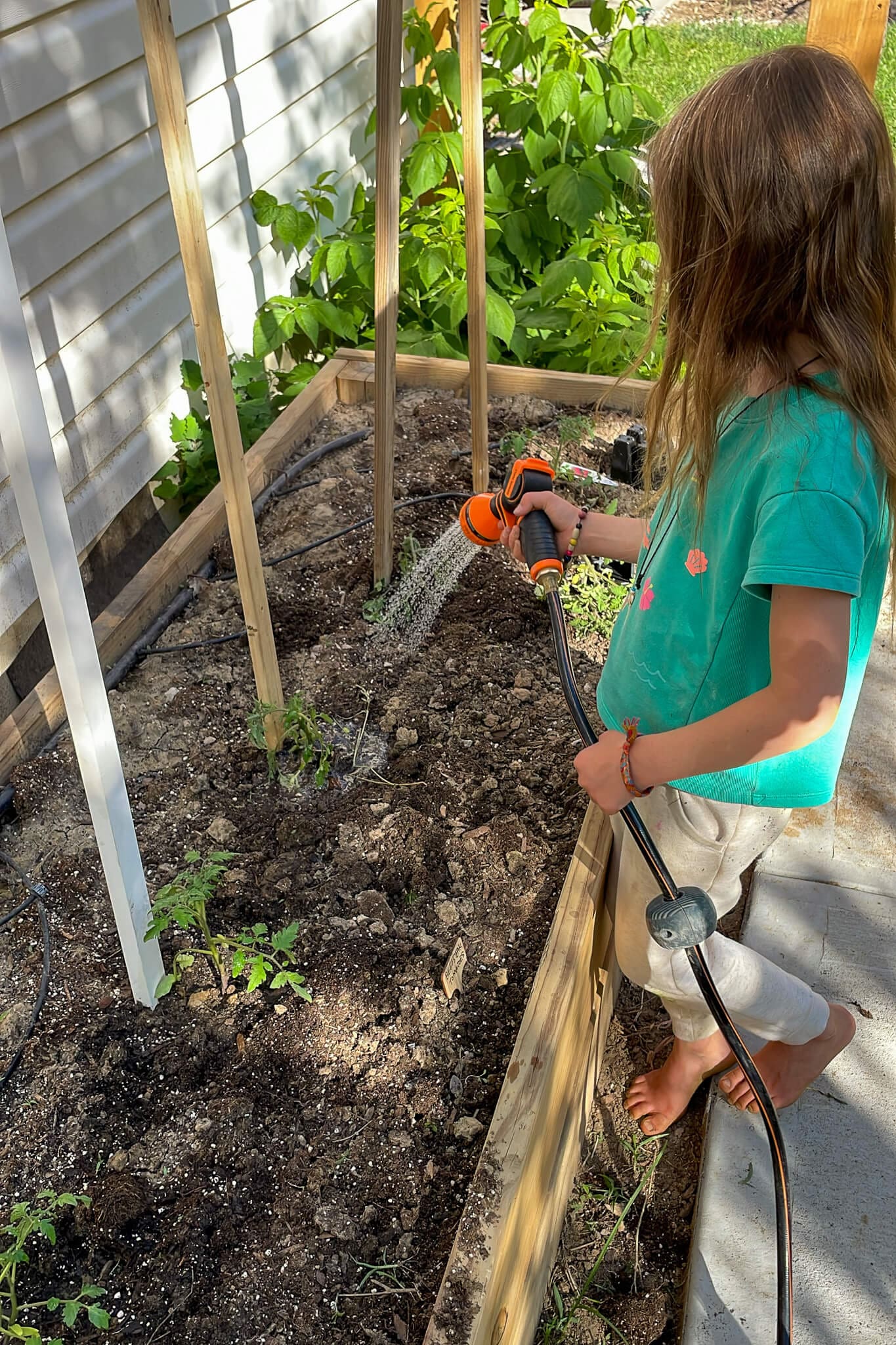
Credit: crystelmontenegrohome.com
Maximizing Yield Throughout The Season
Growing tomatoes in a deep raised garden bed can boost your harvest. Deep soil helps roots grow strong and healthy. This guide shares tips to get the best results all season.
Use smart care methods like feeding, picking, and planting new crops. This will keep your garden full and productive for months.
Fertilizing Schedules
Tomatoes need regular feeding to grow well. Start with balanced fertilizer when planting. Then feed every two weeks with a tomato-specific fertilizer.
| Growth Stage | Fertilizer Type | Frequency |
| Planting | Balanced NPK (10-10-10) | Once |
| Early Growth | High Nitrogen (12-6-6) | Every 2 weeks |
| Flowering | High Phosphorus (5-10-10) | Every 2 weeks |
| Fruit Development | Potassium-rich (3-5-7) | Every 2 weeks |
Harvesting Tips
Pick tomatoes at the right time to enjoy the best flavor and keep plants producing. Look for full color and firm skin. Avoid soft spots or cracks.
- Harvest in the morning when temperatures are cool
- Use scissors or pruners to avoid damage
- Pick ripe fruit regularly to encourage new growth
- Store tomatoes at room temperature for best taste
Succession Planting Strategies
Plant tomatoes in waves to have fresh fruit all season. After one crop finishes, plant new seedlings or seeds. This keeps your garden full and busy.
Try this schedule for continuous harvest:
- Early spring: Plant first tomatoes
- Mid-summer: Plant second batch
- Late summer: Plant heat-tolerant varieties
Frequently Asked Questions
How Deep Should A Garden Bed Be For Tomatoes?
A garden bed for tomatoes should be 12 to 24 inches deep. This depth allows for proper root growth and nutrient absorption. A deeper bed helps retain moisture and provides stability for the plant. Ensure good drainage to prevent waterlogging.
Can Tomatoes Grow In Shallow Soil?
Tomatoes can struggle in shallow soil due to limited root space. They require at least 12 inches of depth for healthy growth. Shallow soil may lead to stunted growth and poor fruit production. To improve conditions, consider using raised beds or adding extra soil.
What Is The Ideal Soil Type For Tomato Beds?
The ideal soil for tomato beds is well-draining, loamy soil. This type of soil retains moisture but allows excess water to drain away. It should be rich in organic matter and nutrients. Ensure the soil pH is between 6. 0 and 6.
8 for optimal growth.
How Does Bed Depth Affect Tomato Growth?
Bed depth directly impacts tomato growth by influencing root development and nutrient uptake. Deeper beds allow for stronger root systems, supporting robust plant growth. Shallow beds can restrict roots, leading to reduced fruit yield and weaker plants.
Conclusion
Deep raised garden beds help tomatoes grow strong and healthy. They give roots plenty of space to spread and find nutrients. Good soil and proper watering keep plants happy. You can avoid many common problems by using deep beds. Growing tomatoes this way makes harvesting easier too.
Try this method for better tomato plants in your garden. Watch your tomatoes thrive and enjoy fresh, tasty fruits. Gardening becomes simpler and more fun with deep raised beds.