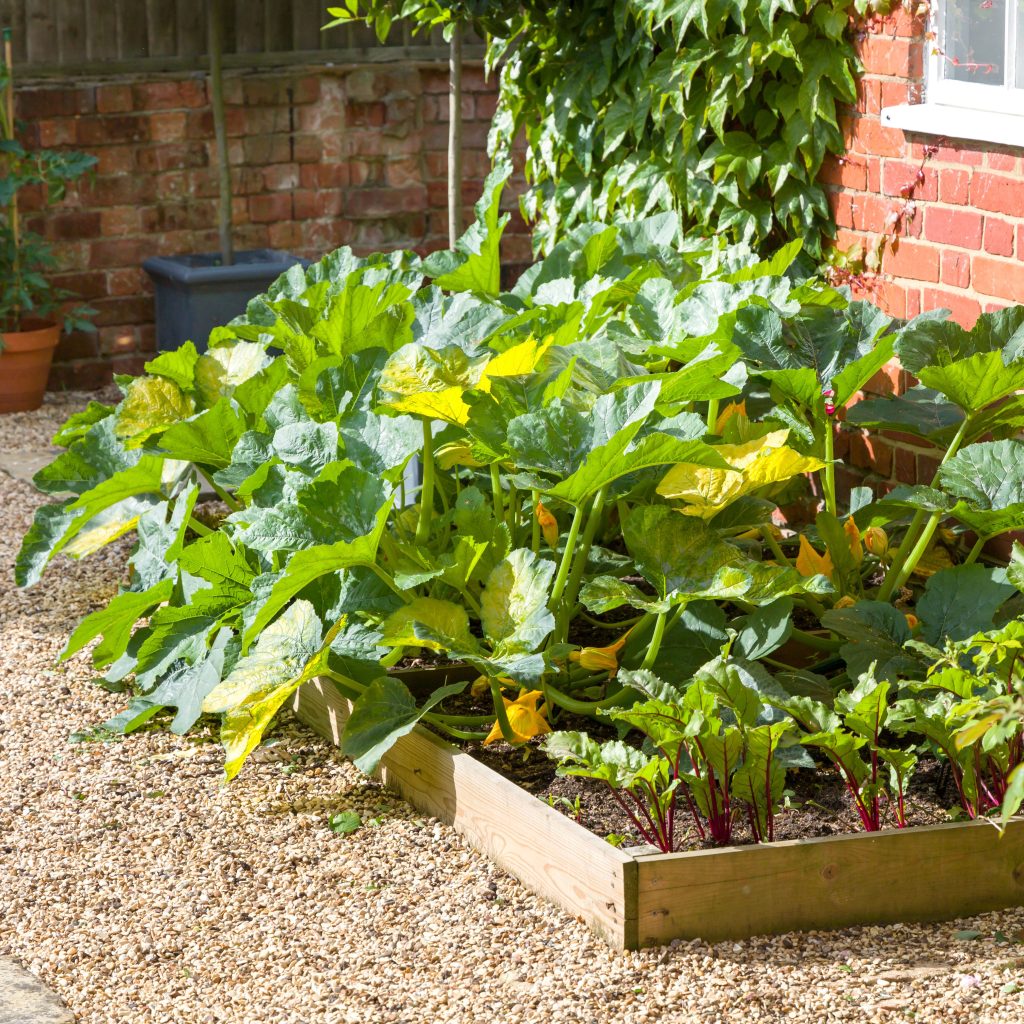
Are you ready to grow your own fresh vegetables but unsure how deep your raised garden bed should be? The right depth can make all the difference between a bountiful harvest and struggling plants.
You want your veggies to thrive, with roots that dig deep for nutrients and water. You’ll discover the perfect depth for various vegetables, tips to build your bed for success, and how to avoid common mistakes. Keep reading to unlock the secret to a thriving vegetable garden right in your backyard!
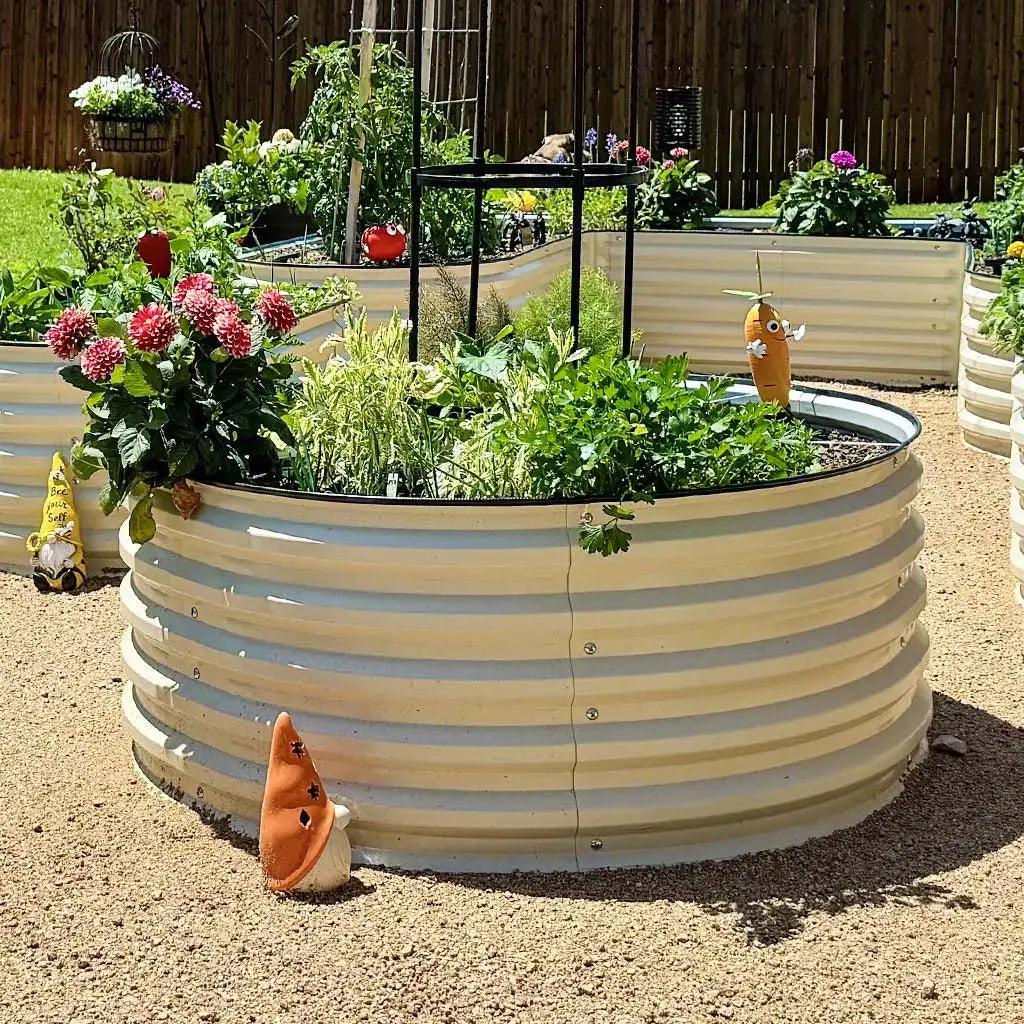
Credit: www.vegega.com
Ideal Depth For Vegetable Beds
Raised garden beds help grow vegetables in small spaces. Choosing the right depth is key for healthy plants.
The depth affects root growth, water retention, and soil quality. Let’s look at how deep your bed should be.
Shallow Vs Deep Beds
Shallow beds are easier to fill and build. They need less soil and warm up faster in spring.
Deep beds hold more soil, which means better water and nutrient supply. They support bigger root systems well.
- Shallow beds: 6 to 8 inches deep
- Deep beds: 12 to 24 inches deep
- Shallow beds suit small plants and herbs
- Deep beds fit larger vegetables and root crops
Root System Needs
Vegetables have different root depths. Some need shallow soil, others require deep soil to grow strong.
Leafy greens like lettuce need about 6 to 8 inches. Carrots and potatoes grow better in beds 12 inches or deeper.
- Shallow roots: lettuce, spinach, radishes
- Medium roots: beans, peas, onions
- Deep roots: carrots, potatoes, tomatoes
- Match bed depth with root depth for best results

Credit: blog.firsttunnels.co.uk
Depth Requirements By Vegetable Type
Raised garden beds offer great control over soil and drainage. Choosing the right depth helps vegetables grow healthy roots.
Different vegetables need different soil depths. This guide explains how deep your bed should be for each type.
Leafy Greens And Herbs
Leafy greens and herbs usually have shallow roots. They grow well in beds that are not very deep.
- Spinach: 6 to 8 inches
- Lettuce: 6 to 8 inches
- Basil: 8 to 10 inches
- Parsley: 8 to 10 inches
Root Vegetables
Root vegetables need more depth for proper growth. Their roots grow downward and need space.
| Vegetable | Recommended Depth |
|---|---|
| Carrots | 12 to 18 inches |
| Beets | 12 to 15 inches |
| Radishes | 6 to 12 inches |
| Turnips | 12 to 18 inches |
Fruit-bearing Plants
Fruit-bearing plants need deep beds for strong roots and support. They often spread wide underground.
- Tomatoes: 18 to 24 inches
- Peppers: 12 to 18 inches
- Cucumbers: 12 to 18 inches
- Eggplants: 18 to 24 inches
Soil Composition And Bed Depth
Raised garden beds help grow vegetables better by improving soil and drainage. Choosing the right soil and bed depth is important for healthy plants.
Vegetables need enough space for roots to grow well. The soil mix in the bed also affects plant growth and water flow.
Soil Quality Impact
Good soil has nutrients, air, and water to support plant roots. The right soil helps vegetables get food and grow strong.
Mix garden soil with compost and peat moss for better quality. This mix holds moisture and lets roots breathe.
- Use rich, loose soil for easy root growth
- Add organic matter to improve nutrients
- Avoid heavy clay soil that blocks air and water
Drainage Considerations
Good drainage stops water from pooling around roots. Too much water can make roots rot and plants die.
Raised beds need enough depth to allow water to drain well. Adding sand or small stones at the bottom can help drainage.
- Ensure bed depth is at least 12 inches for most vegetables
- Use well-draining soil mix to avoid water buildup
- Check soil moisture regularly to prevent overwatering
Building The Perfect Raised Bed
Raised garden beds help you grow vegetables better. They improve soil drainage and control pests.
Choosing the right depth and materials makes a big difference in plant growth.
Material Choices
Wood and stone are popular materials for raised beds. Wood is easy to handle and looks natural.
- Cedar wood lasts longer and resists rot.
- Reclaimed wood is eco-friendly but check for chemicals.
- Concrete blocks offer durability but can heat the soil.
- Metal frames are strong but may rust without treatment.
Layering Soil And Compost
Good soil layers help plants grow healthy roots. Start with coarse material at the bottom.
| Layer | Material | Purpose |
| Bottom | Small branches and twigs | Drainage and air flow |
| Middle | Compost and garden soil | Nutrition and moisture retention |
| Top | Quality topsoil | Seed bed and root support |
Adjusting Depth For Seasonal Changes
Raised garden beds need different soil depths depending on the season. Changing the depth helps plants grow well in cold or warm weather.
Adjusting soil depth also supports root health and moisture control. This keeps your vegetables strong all year round.
Winter Vs Summer Gardening
Winter gardening requires deeper soil to protect roots from freezing. Summer gardening needs less depth but better drainage to avoid waterlogging.
- Winter beds: 12 to 18 inches deep to keep soil warm
- Summer beds: 8 to 12 inches deep for good airflow
- Use mulch in winter to add extra insulation
- Ensure summer beds have loose soil for root growth
Extending Growing Seasons
Raising the soil level can lengthen the growing season. Warmer soil helps plants sprout earlier in spring and stay productive later in fall.
| Season | Recommended Soil Depth | Benefits |
| Early Spring | 12-18 inches | Warmer roots, faster growth |
| Late Fall | 10-15 inches | Protects from frost |
| Summer | 8-12 inches | Prevents overheating |
Common Mistakes In Raised Bed Depth
Choosing the right depth for a raised garden bed is important for healthy vegetable growth. Many gardeners make mistakes that affect plant health and yield.
This guide looks at two common mistakes about raised bed depth and how to avoid them.
Too Shallow Or Too Deep
Raised beds that are too shallow limit root growth and water retention. Beds that are too deep can cause poor drainage and soil compaction issues.
- Shallow beds (less than 6 inches) dry out quickly and limit root space.
- Deep beds (more than 18 inches) may hold too much water, causing root rot.
- Proper drainage is key regardless of bed depth.
- Check soil quality; compacted soil reduces oxygen to roots.
Ignoring Plant Varieties
Different vegetables need different soil depths. Ignoring this leads to poor growth or wasted space.
| Vegetable | Recommended Bed Depth |
| Lettuce | 6-8 inches |
| Carrots | 12-18 inches |
| Tomatoes | 12-18 inches |
| Potatoes | 15-20 inches |
| Beans | 8-12 inches |
Maximizing Yield With Proper Depth
Raised garden beds help grow vegetables better. The depth of the bed matters a lot for plant growth and yield.
Choosing the right depth allows roots to grow fully. It also helps keep water and nutrients available for plants.
Spacing And Root Growth
Vegetables need enough space underground to spread their roots. Shallow beds limit root size and reduce plant health.
Most vegetables grow best in beds that are 12 to 18 inches deep. This depth supports strong root systems and helps plants get enough air and nutrients.
- Root vegetables like carrots need at least 12 inches of depth.
- Leafy greens grow well in 10 to 12 inches deep soil.
- Tomatoes and peppers benefit from 18 inches for large roots.
Water Retention Benefits
Deeper raised beds hold more water than shallow ones. This keeps soil moist longer and helps vegetables grow steadily.
Good water retention reduces how often you need to water. It also prevents water from draining too fast, which can stress plants.
- Soil in deeper beds stays moist during dry periods.
- Plants get steady water, reducing wilt and stress.
- Less frequent watering saves time and water resources.

Credit: www.reddit.com
Frequently Asked Questions
How Deep Should A Raised Garden Bed Be?
A raised garden bed for vegetables should be at least 12 inches deep. This depth allows for healthy root growth and proper drainage. For root vegetables, consider a depth of 18 inches. Ensure the soil is nutrient-rich and well-draining to promote plant health.
Why Is Depth Important For Raised Beds?
Depth is crucial for root development and drainage. Shallow beds can lead to waterlogging and restricted root growth. Adequate depth ensures plants have enough space to thrive. Proper drainage prevents root rot and improves soil aeration, promoting healthy vegetable growth.
Can You Grow Root Vegetables In Shallow Beds?
Root vegetables need deeper beds of about 18 inches for optimal growth. Shallow beds can restrict root expansion, impacting yields. Ensure your raised bed is deep enough for the specific vegetables you’re growing. Adequate depth supports healthy development and boosts vegetable production.
What Soil Type Is Best For Raised Beds?
A mix of loamy soil, compost, and organic matter is ideal. This combination ensures good drainage and nutrient retention. Avoid heavy clay as it can restrict drainage. Well-aerated soil supports healthy root systems and promotes vegetable growth in raised garden beds.
Conclusion
Choosing the right depth helps your vegetables grow strong and healthy. Most plants do well in beds 12 to 18 inches deep. Root crops may need a little more space to spread out. Good soil and proper watering matter just as much as depth.
Start with this guide, then adjust to your garden’s needs. Happy planting!