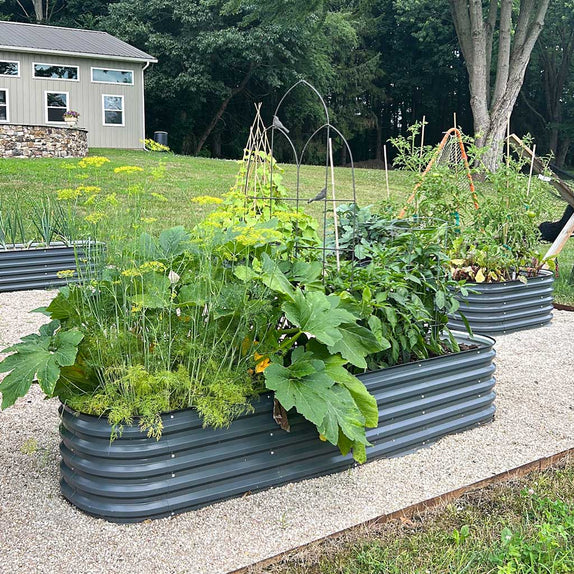
Are you ready to build the perfect raised garden bed but unsure how deep it should be? Getting the depth right is key to growing healthy plants and maximizing your garden’s potential.
If your bed is too shallow, your plants might struggle to develop strong roots. Too deep, and you could be wasting time and materials. You’ll discover exactly how deep to make your raised garden beds to ensure your plants thrive.
Keep reading, and you’ll learn simple tips that can transform your gardening success.
Benefits Of Raised Garden Beds
Raised garden beds improve growing conditions for plants. They help gardeners control soil quality and drainage.
These beds also make gardening easier on your back and knees. They keep plants organized and tidy.
Better Soil Control
Raised beds allow you to add high-quality soil. This soil drains well and stays loose. Plants grow stronger roots in loose soil.
Improved Drainage
Water drains faster in raised beds than in ground soil. This stops water from pooling around roots. Good drainage prevents root rot and other problems.
Easier Access And Maintenance
Raised beds are higher than regular garden plots. This height reduces bending and kneeling. Gardeners with mobility issues find raised beds helpful.
- Less strain on back and knees
- Easy to reach all plants
- Cleaner gardening experience
Pest And Weed Control
Raised beds help keep weeds out. You can add barriers under the bed to stop pests. This control reduces plant damage and saves time.
Extended Growing Season
Soil in raised beds warms faster in spring. This lets you plant earlier. Raised beds also stay warmer in fall, extending harvest time.
| Benefit | How It Helps |
|---|---|
| Soil Quality | Use fresh soil for healthy plants |
| Drainage | Prevents water buildup and root issues |
| Accessibility | Reduces bending and strain |
| Pest Control | Limits weed and insect problems |
| Growing Season | Warmer soil extends planting time |

Credit: www.thegardenacademy.com
Ideal Depth For Different Plants
Raised garden beds help plants grow strong. Choosing the right depth is key. Different plants need different soil depths.
Too shallow soil limits root growth. Too deep soil can waste space. Let’s see the ideal depths for common garden plants.
Vegetables And Herbs
Most vegetables and herbs grow well in soil that is 12 to 18 inches deep. This depth lets roots spread and get nutrients.
- Leafy greens like lettuce and spinach: 12 inches
- Tomatoes and peppers: 18 inches
- Herbs such as basil and parsley: 12 to 15 inches
Flowers And Ornamentals
Flower roots vary, but most do well in 12 to 16 inches of soil. Bulbs may need slightly less depth.
| Flower Type | Ideal Soil Depth |
| Annuals (e.g., petunias) | 12 inches |
| Perennials (e.g., coneflowers) | 14 to 16 inches |
| Bulbs (e.g., tulips) | 8 to 12 inches |
Root Vegetables
Root vegetables need deeper beds to grow properly. They require loose soil to expand underground.
- Carrots: 12 to 18 inches
- Beets: 12 to 15 inches
- Potatoes: 18 to 24 inches
- Radishes: 8 to 12 inches
Factors Influencing Bed Depth
Raised garden beds need the right depth for plants to grow well. The depth depends on several important factors. These factors help decide how deep your bed should be.
Knowing these factors helps you build beds that keep plants healthy and strong. Let’s look at the main things that affect bed depth.
Soil Type And Quality
Soil type affects how deep a bed needs to be. Sandy soil drains quickly but holds fewer nutrients. Clay soil holds water but can be heavy and hard for roots.
Good soil quality means better plant growth. If your soil is poor, you may want a deeper bed to add more rich soil and compost.
- Sandy soil: deeper beds help hold water and nutrients
- Clay soil: medium depth allows roots to spread
- Loamy soil: shallow to medium depth usually works
- Low-quality soil: deeper beds improve growing conditions
Climate And Weather Conditions
Climate changes how deep garden beds should be. In cold areas, deeper beds warm up slower but protect roots better. In hot areas, shallower beds help keep soil cool.
Weather patterns like rain and wind also matter. Deep beds drain water well in rainy places. Windy spots may need deeper beds for strong root support.
- Cold climates: deeper beds protect roots from frost
- Hot climates: shallower beds prevent soil overheating
- Rainy areas: deeper beds improve drainage
- Windy sites: deeper beds support plants firmly
Available Space And Layout
Space limits how deep and wide your beds can be. Small yards may need shallower beds to save room. Larger spaces allow deeper beds for bigger plants.
Bed layout affects accessibility. If beds are narrow, you may want shallower depth for easy reaching. Wider beds can be deeper but may need paths for access.
- Small space: shallower beds fit better
- Large space: deeper beds support large plants
- Narrow beds: shallow depth for easy reach
- Wide beds: deeper beds with access paths
Materials For Building Raised Beds
Raised garden beds need strong materials to last long. The right material helps plants grow better.
Different materials offer different benefits. Choose based on your budget, style, and garden needs.
Wood Options
Wood is a popular choice for raised beds. It is easy to work with and looks natural in gardens.
Common wood types include cedar, redwood, and pine. Cedar and redwood last longer without chemicals.
- Cedar resists rot and insects
- Redwood is strong and durable
- Pine is cheaper but may need treatment
- Use untreated wood to avoid chemicals
Metal And Stone Choices
Metal and stone offer a modern or classic look. They are very durable and need little maintenance.
Steel and aluminum are common metal options. Stones like bricks and concrete blocks create solid walls.
- Steel resists weather but can get hot
- Aluminum is lightweight and rust-proof
- Bricks provide good insulation for plants
- Concrete blocks are easy to stack and shape
Recycled And Eco-friendly Materials
Using recycled materials helps the environment. It can also save money and reduce waste.
Options include reclaimed wood, old tires, and plastic lumber. These materials vary in look and durability.
- Reclaimed wood adds character and saves trees
- Old tires can be stacked for deep beds
- Plastic lumber lasts long and resists rot
- Make sure recycled materials are safe for plants
Steps To Construct A Raised Bed
Building a raised garden bed helps improve soil and plant health. It creates a neat area for your plants to grow.
Follow simple steps to make sure your raised bed lasts and works well for your garden.
Site Selection And Preparation
Pick a flat spot that gets at least six hours of sunlight. Avoid areas with standing water after rain.
Clear the area of grass, weeds, and debris. You can place cardboard or newspaper to block weeds.
- Choose a sunny location
- Remove all grass and weeds
- Level the ground if needed
- Lay down weed blocker if desired
Choosing The Right Dimensions
Raised beds usually range from 6 to 12 inches deep. Deeper beds allow more room for roots to grow.
| Depth | Best For |
| 6-8 inches | Shallow-rooted plants like lettuce |
| 10-12 inches | Most vegetables and flowers |
| 12+ inches | Root vegetables like carrots and potatoes |
Assembling The Structure
Use wood, stone, or bricks to build the frame. Make sure corners are square and secure.
- Cut materials to the chosen size
- Assemble the frame with screws or nails
- Place the frame on the prepared site
- Fill the bed with quality soil and compost
Soil Mixtures For Optimal Growth
Raised garden beds need good soil for healthy plants. The right mix helps roots grow strong. It also holds water and nutrients well.
Choosing the best soil mix affects your garden’s success. The soil should be loose, fertile, and drain well.
Creating A Balanced Soil Blend
A good soil blend has three main parts. These are topsoil, compost, and a light material for air.
Topsoil provides minerals, compost adds nutrients, and light materials keep soil loose.
- Use 40% quality topsoil for minerals
- Mix in 40% compost for nutrients
- Add 20% perlite or vermiculite for air
Incorporating Organic Matter
Organic matter improves soil texture and fertility. It helps soil hold water and nutrients for plants.
Adding compost, leaf mold, or aged manure increases organic content. This feeds soil microbes that help plants grow.
- Add 2 to 3 inches of compost on top
- Turn it into soil gently
- Use organic mulches to keep moisture
Maintaining Soil Health
Healthy soil needs care over time. Avoid compacting soil by walking on beds.
Rotate crops and add fresh organic matter yearly. Test soil pH and adjust if needed.
- Do not overwater raised beds
- Use mulch to reduce weeds and moisture loss
- Add compost each season to renew nutrients
- Check soil pH and keep it between 6 and 7
Watering And Drainage Considerations
Raised garden beds need the right soil depth for good watering and drainage. Deep beds hold more water but can cause drainage problems. Shallow beds dry out fast and may need more watering.
Understanding how water moves in your raised bed helps plants grow healthy. Proper watering and drainage keep roots safe from too much or too little water.
Ensuring Proper Drainage
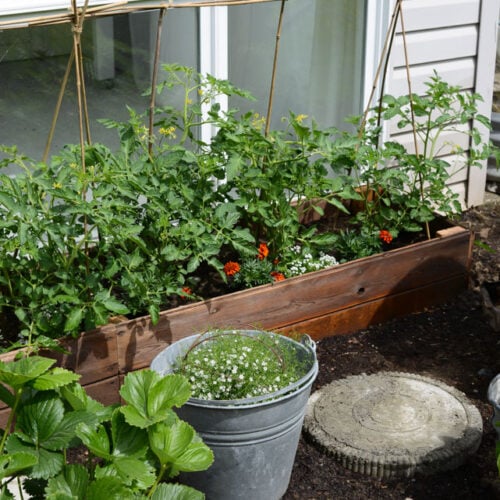
Good drainage stops water from sitting in the bed. Water should flow out easily to avoid root rot. Beds need holes or gaps at the bottom to drain well.
Use well-draining soil mix with compost and sand. Avoid heavy clay soil that traps water. Raised beds should be at least 12 inches deep for good drainage.
- Add gravel or small stones at the bottom to help water flow
- Check for standing water after rain or watering
- Use raised beds on a slight slope to help drainage
Efficient Watering Techniques
Water plants deeply but less often to encourage strong roots. Shallow watering makes roots stay near the surface, which is less healthy. Water in the morning to reduce evaporation.
Drip irrigation or soaker hoses deliver water slowly and reach roots better. Avoid overhead watering to reduce leaf diseases. Mulch helps keep soil moist longer.
- Water early in the day for better absorption
- Use drip lines to save water and target roots
- Mulch with straw or wood chips to keep moisture
Dealing With Excess Water
If water collects in your raised bed, plants can get sick or die. You must remove extra water fast. Fix drainage or add more soil if needed.
Use tools like a small pump or a wet vacuum to remove water. Creating raised mounds inside the bed can help plants avoid wet spots. Avoid planting water-loving plants in poorly drained beds.
- Remove standing water quickly to protect roots
- Add more organic matter to improve soil drainage
- Create small hills or ridges inside the bed
- Choose plants that handle wet soil better
Credit: www.funkyjunkinteriors.net
Common Mistakes To Avoid
Building raised garden beds is a great way to grow plants. But many people make mistakes about how deep to make them.
This guide explains common errors to avoid when planning the depth of your garden beds.
Overfilling With Soil
Many gardeners put too much soil in raised beds. Deep beds need less soil because roots grow mostly near the top.
Overfilling can cause poor drainage and waste soil. It also makes the bed heavy and harder to manage.
- Fill beds only to the needed depth for your plants
- Check recommended soil depth for each plant type
- Use lighter soil mixes to improve drainage
Neglecting Pathways
Some people forget to plan space around raised beds for walking. This makes it hard to reach plants and work in the garden.
Pathways should be wide enough to move tools and wheelbarrows easily. Crowded paths can damage plants and soil.
- Leave at least 18 to 24 inches for pathways
- Plan beds and paths before filling soil
- Keep paths clear of debris and weeds
Ignoring Sunlight Requirements
Raised beds need enough sunlight for plants to grow well. Some gardeners place beds in shady spots by mistake.
Check how much sun your plants need before deciding bed location. Most vegetables need 6 to 8 hours of sun daily.
- Observe your garden’s sunlight during the day
- Place beds where sun reaches at least half the day
- Use movable beds if sunlight changes by season
Seasonal Maintenance Tips
Raised garden beds need care throughout the year to stay healthy. Seasonal maintenance helps plants grow strong and soil stay rich.
Each season brings different tasks. Proper attention will keep your garden productive and neat.
Preparing For Winter
Before cold weather arrives, clean your raised beds. Remove dead plants and weeds to avoid pests and diseases.
- Clear out old plant debris
- Add a layer of mulch to protect soil
- Cover beds with plastic or fabric if needed
- Check and repair bed edges or frames
Spring And Summer Care
Spring is the time to prepare soil and plant new crops. Summer needs regular watering and weeding to keep plants healthy.
| Task | Details |
| Soil Preparation | Loosen soil and add compost |
| Planting | Choose crops suited for warm weather |
| Watering | Water deeply twice a week |
| Weeding | Remove weeds early to prevent spread |
| Pest Control | Inspect plants and use natural methods |
Fall Cleanup
Fall is time to clear beds and prepare for winter. Clean beds prevent disease and improve soil for next year.
- Remove spent plants and roots
- Compost healthy plant material
- Test soil pH and add amendments if needed
- Cover soil with mulch to reduce erosion
- Store tools and covers properly

Credit: savvygardening.com
Frequently Asked Questions
How Deep Should Raised Garden Beds Be?
Raised garden beds should be at least 12 to 18 inches deep. This depth allows roots to grow well and supports healthy plant development. For root vegetables, 18 to 24 inches is ideal to provide enough space for growth and moisture retention.
Does Soil Type Affect Bed Depth?
Yes, soil type affects bed depth. Sandy soil drains quickly and may need deeper beds for moisture. Clay soil holds water, so shallower beds work well. Adjust bed depth based on soil texture to optimize plant health and water management.
Can Shallow Raised Beds Grow Vegetables?
Shallow raised beds can grow some vegetables like lettuce, herbs, and radishes. However, deep-rooted plants like carrots and tomatoes need deeper beds for proper root expansion. Choose bed depth based on the types of vegetables you want to grow.
Why Is Bed Depth Important For Plant Health?
Bed depth impacts root growth, water retention, and nutrient availability. Deeper beds support larger root systems and reduce soil compaction. This promotes stronger, healthier plants with better yields. Proper depth also improves drainage and soil aeration.
Conclusion
Choosing the right depth for raised garden beds helps plants grow strong. Most vegetables do well in 12 to 18 inches of soil. Deeper beds suit root vegetables and larger plants better. Good soil drainage and nutrient supply are key.
Keep soil loose and rich for healthy roots. Proper depth saves water and reduces weeds. Follow these tips to build raised beds with care. Happy gardening and enjoy fresh, homegrown food!