Have you ever wondered why your air conditioner not only cools the air but also makes your room feel less sticky? That’s because it’s doing more than just lowering the temperature—it’s removing humidity too.
High humidity can make even the coolest room feel uncomfortable and stuffy. Understanding how your air conditioner tackles this invisible moisture can help you appreciate its role in keeping your space fresh and comfortable. Keep reading, and you’ll discover the simple science behind how your AC works to remove humidity and improve your indoor comfort.

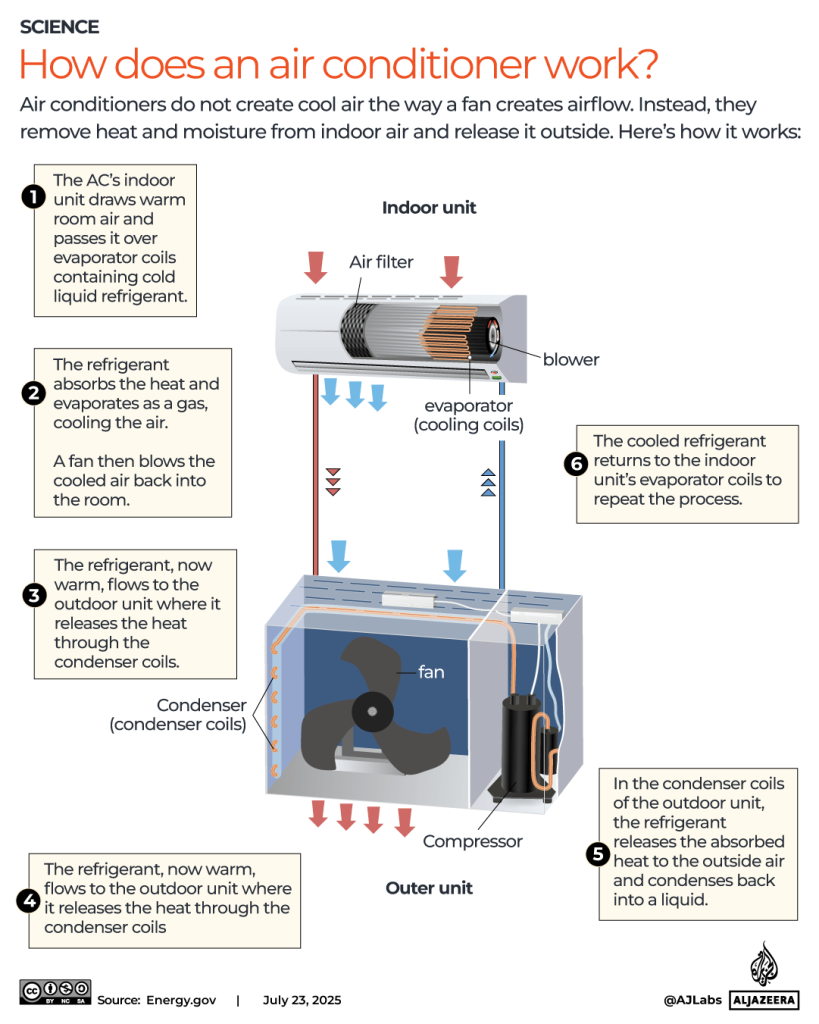
Credit: www.aljazeera.com
How Air Conditioners Work
Air conditioners cool the air by removing heat and moisture. The basic cooling mechanismuses a cycle of compressing and expanding a special fluid called refrigerant. This fluid absorbs heat from inside the room and releases it outside.
Refrigerants play a key rolein this process. They change from gas to liquid and back again. This change helps pull heat from the air. As the warm air passes over cold coils filled with refrigerant, moisture in the air condenses on the coils.
This condensation removes humidityfrom the air. The dry, cool air is then blown back into the room. This way, the air conditioner makes the room cooler and less humid at the same time.
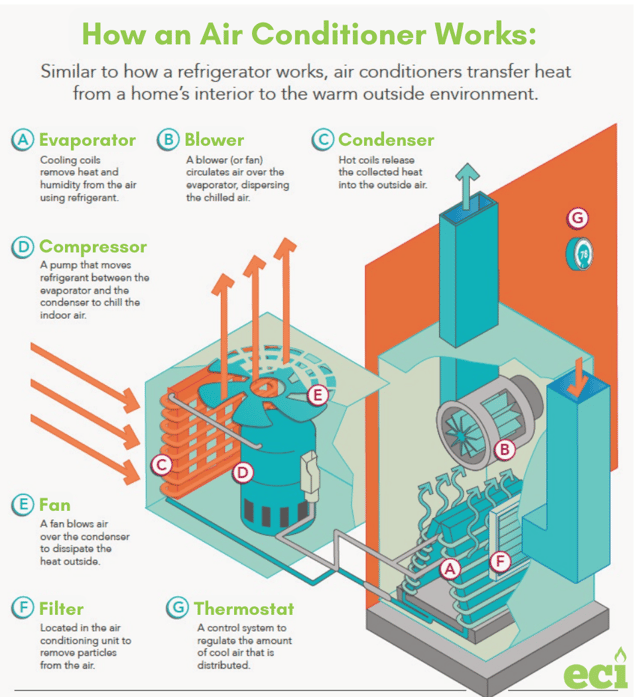
Credit: www.ecicomfort.com
Humidity And Its Effects
Indoor humidityhappens when water vapor builds up inside a home. It can come from many places like cooking, showering, and even breathing. Poor ventilation traps this moisture inside.
High humidity makes rooms feel warmand sticky. It can cause moldand dust mitesto grow, which may lead to allergiesor breathing problems. Low humidity is better for comfort and health.
- Cooking releases steam and moisture.
- Showering adds water vapor.
- Plants and pets also add humidity.
- Leaks and poor ventilation trap moisture.
Dehumidification Process
Air conditioners remove humidity through a process called dehumidification. Inside the unit, warm air passes over cold coils. This causes the moisture in the air to condenseinto water droplets. The air cools down and loses its moisture, making the room feel more comfortable.
The condensed watercollects on the coils and then drains out of the unit. This water is usually sent outside through a drainage system. Keeping the moisture out of the room helps prevent dampness and mold growth.
- Warm air enters the AC unit
- Air cools over cold coils
- Moisture turns into water droplets
- Water collects and drains away
- Dry, cool air returns to the room
Types Of Air Conditioners And Humidity Control
Central air systemscool large spaces by circulating air through ducts. They remove humidity as cool air passes over cold evaporator coils. Moisture in the air condenses on the coils and drains away, lowering indoor humidity.
Window and portable unitscool smaller areas. They work similarly by cooling air over cold coils. These units also collect water from the air, which is either drained or evaporated outside.
Dehumidifier integrationhelps improve humidity control. Dehumidifiers draw air, remove moisture, then release dry air back. Some air conditioners have built-in dehumidifiers for better moisture control.
Factors Affecting Humidity Removal
Temperature settingsaffect how well air conditioners remove humidity. Lower temperatures cool the air more and cause more moisture to condense. Setting the temperature too high may reduce humidity removal. Finding the right balance is key for comfort and efficiency.
Airflow and ventilationplay a big role. Good airflow helps the air conditioner pull in moist air from the room. Proper ventilation allows humid air to exit. Without proper airflow, moisture may stay trapped inside, making the room feel damp.
Maintenance and filtersimpact humidity removal too. Dirty filters block airflow and reduce cooling power. Regular cleaning or replacing filters keeps the system running well. Well-maintained units remove moisture better and last longer.
Energy Efficiency And Humidity
Air conditioners use energyto cool air and remove moisture. The process of dehumidificationneeds extra power. This can raise the energy bill if the unit runs too long.
Smart controls and sensorshelp save energy by adjusting how the unit works. They sense the humidity leveland only run the dehumidifier when needed. This stops wasteful energy use.
- Smart sensors detect indoor humidity precisely.
- Units adjust operation to save electricity.
- Less energy use means lower bills.
- Improves comfort by keeping air dry.
Troubleshooting Common Issues
Insufficient moisture removal often happens when the air filter is dirty. A clogged filter blocks airflow, making the unit less effective. The evaporator coil can also freeze, reducing humidity removal. This usually happens if the air conditioner is too cold or the fan is not working well. Check the thermostat settings and fan operation to fix this.
Water leaks and drain problems occur when the drain pan is full or clogged. The drain line can get blocked with dirt or algae. This causes water to back up and leak inside. Make sure the drain line is clear. Clean the drain pan regularly to prevent overflow.
- Clean or replace air filters monthly.
- Check for frozen evaporator coils.
- Ensure the fan is working properly.
- Clear the drain line to prevent blockages.
- Empty or clean the drain pan regularly.
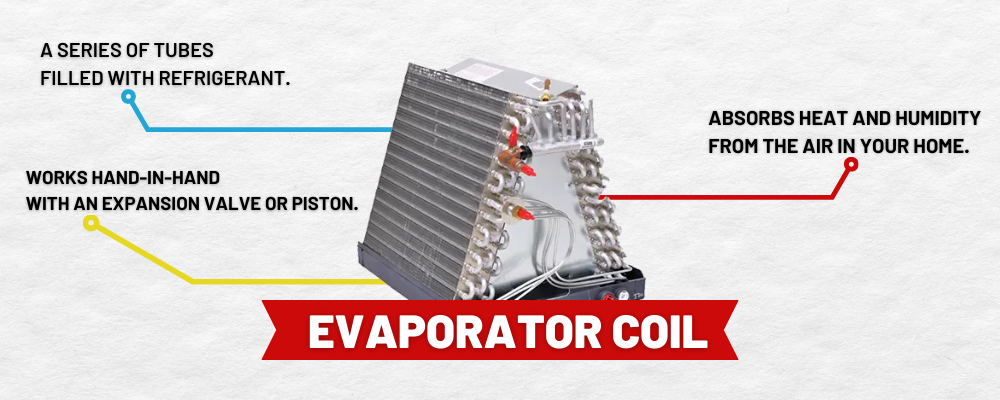
Credit: www.logan-inc.com
Tips For Optimal Humidity Control
Regular maintenance keeps air conditioners working well. Clean or replace filters often. Check coils for dirt. Clear drains to stop water buildup. This helps reduce humidityand improve air flow.
Fans and ventilation move air around. Use ceiling fans or portable fans to help air circulate. Open windows for fresh air when outside is dry. This lowers indoor moisture and keeps the room fresh.
A separate dehumidifier helps in very humid places. Use it when air conditioner can’t remove enough moisture. Dehumidifiers pull water from air, making rooms more comfortable.
Frequently Asked Questions
How Do Air Conditioners Reduce Indoor Humidity?
Air conditioners cool air by removing heat and moisture. Warm air passes over cold coils, causing water vapor to condense. This condensation drains out, lowering indoor humidity and improving comfort.
Why Is Humidity Control Important In Air Conditioning?
Controlling humidity prevents mold growth, allergens, and discomfort. It also protects furniture and electronics. Proper humidity levels enhance indoor air quality and energy efficiency.
Can Air Conditioners Work Without Removing Humidity?
No, removing humidity is essential for cooling. Moist air reduces cooling efficiency and comfort. Air conditioners must extract moisture to maintain a cool, dry environment.
How Does Condensation Form In Air Conditioners?
Condensation forms when warm, moist air contacts cold evaporator coils. Water vapor turns into liquid droplets. This water collects and drains away, reducing indoor humidity.
Conclusion
Air conditioners cool the air and pull moisture out. This process lowers humidity inside your home. Less humidity means better comfort and less mold growth. The cool coils inside catch water from the air. Then, the water drains away safely outside.
Keeping humidity low helps you breathe easier too. So, air conditioners do more than just cool rooms. They also keep your space dry and fresh. Understanding this helps you use your AC better. It saves energy and improves air quality at home.