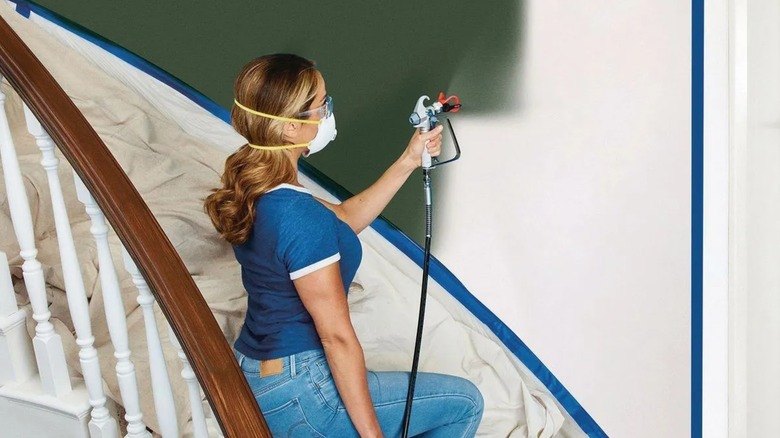
Have you ever wondered how professionals get that perfectly smooth paint finish so quickly? If you’ve tried painting with a brush or roller, you know it can be slow and messy.
That’s where airless paint sprayers come in. These powerful tools can save you time and effort, giving your walls a flawless look. But how exactly do they work? Understanding the magic behind airless paint sprayers will help you use them like a pro and achieve amazing results every time.
Keep reading, and you’ll discover everything you need to know to transform your painting projects.
Airless Paint Sprayers Basics
Airless paint sprayers use high pressure to apply paint. They spray paint without using air to atomize it.
This tool works fast and covers large surfaces evenly. It is popular for painting walls, fences, and furniture.
What Is An Airless Paint Sprayer
An airless paint sprayer pumps paint at very high pressure. The paint shoots out as a fine spray.
It does not use any air to break the paint into droplets. The paint leaves the tip in small particles because of the pressure.
Key Components
Airless sprayers have several important parts. These parts work together to spray the paint smoothly.
- High-pressure pump:Pushes paint from the container to the spray tip.
- Hose:Connects the pump to the spray gun.
- Spray gun:Controls the flow and direction of the paint.
- Spray tip:Shapes the paint into a fine spray pattern.
- Filter:Removes lumps and dirt from the paint.
How Airless Spraying Differs From Traditional Methods
Traditional paint sprayers use air to break paint into tiny drops. Airless sprayers use only pressure.
Airless sprayers cover surfaces faster and with less overspray. They also work well with thick paints.
- Traditional sprayers need air compressors.
- Airless sprayers do not use air, only high pressure.
- Airless sprayers give a smoother finish on large areas.
- They reduce paint waste from overspray.

Credit: www.brewers.co.uk
Mechanics Behind Airless Sprayers
Airless paint sprayers use high pressure to apply paint. They do not use air like traditional sprayers. This makes paint coverage smooth and fast.
These sprayers work by pushing paint through a small opening. This breaks the paint into tiny droplets for even coating.
High-pressure Pump Operation
The heart of an airless sprayer is the high-pressure pump. It pulls paint from a container and pushes it forward.
The pump creates pressure that forces paint through the hose. This pressure can be very strong, often over 2000 PSI.
- Pump draws paint from the supply
- Paint is pressurized inside the pump
- High pressure pushes paint to the spray tip
Role Of The Spray Tip
The spray tip controls the paint flow and pattern. It has a tiny hole that the paint passes through.
The size and shape of the tip affect the spray width and paint amount. Changing the tip changes how the paint covers surfaces.
- Tip size controls paint flow rate
- Tip shape controls spray pattern
- Swapping tips adjusts coverage area
Paint Atomization Process
Atomization means breaking paint into small droplets. High pressure forces paint through the tip fast.
The paint leaves the tip as a fine spray. This helps the paint spread evenly and dry quickly on surfaces.
- High pressure pushes paint through tip
- Paint breaks into tiny droplets
- Droplets form a smooth, even coat
Choosing The Right Sprayer
Picking the right airless paint sprayer makes painting easier and faster. Different sprayers fit different jobs.
Know the types, what matters most, and which models suit your project before buying.
Types Of Airless Sprayers
There are several types of airless sprayers to choose from. Each type works well for certain tasks and paint types.
- Handheld Sprayers:Small and portable, good for light jobs and touch-ups.
- Cart Sprayers:Larger and more powerful, ideal for medium to large projects.
- Gas-Powered Sprayers:Best for outdoor jobs where no electricity is available.
Factors To Consider
Choose a sprayer by thinking about the paint type, project size, and power source.
| Factor | What to Check |
| Paint Type | Thick paints need stronger pressure |
| Project Size | Big jobs need larger sprayers |
| Power Source | Electric or gas depending on location |
| Spray Tip Size | Match tip size to paint and finish |
| Portability | Light sprayers are easier to move |
Best Models For Different Projects
Here are some sprayer types matched with common painting projects to help your choice.
- Small Touch-Ups:Handheld sprayers work well for doors and furniture.
- Interior Walls:Electric cart sprayers cover rooms evenly and fast.
- Large Exterior Jobs:Gas-powered sprayers handle big fences and siding.
- Thick Coatings:Choose sprayers with high pressure and large tip sizes.
Credit: www.slashgear.com
Preparing For A Paint Job
Using an airless paint sprayer can make painting faster and easier. Proper preparation helps get the best results.
Before starting, you need to prepare the surface, choose the right paint, and set up the sprayer correctly.
Surface Preparation
Clean the surface to remove dirt, dust, and grease. This helps the paint stick better.
Repair any holes or cracks with filler. Sand rough spots to make the surface smooth.
- Wash the area with soap and water
- Use a scraper to remove loose paint
- Fill holes with putty and let dry
- Sand the surface for smoothness
- Cover nearby areas to protect from overspray
Selecting Paint And Materials
Choose paint that works well with airless sprayers. Thin paints spray better and cover evenly.
Use the right materials like filters and tips for your sprayer model. This improves spray quality and prevents clogging.
- Pick paint labeled for airless sprayers
- Thin the paint if needed, following instructions
- Select spray tips based on paint type and surface
- Have filters ready to catch debris
Setting Up The Sprayer
Place the sprayer on a flat surface near your work area. Connect the hose and spray gun securely.
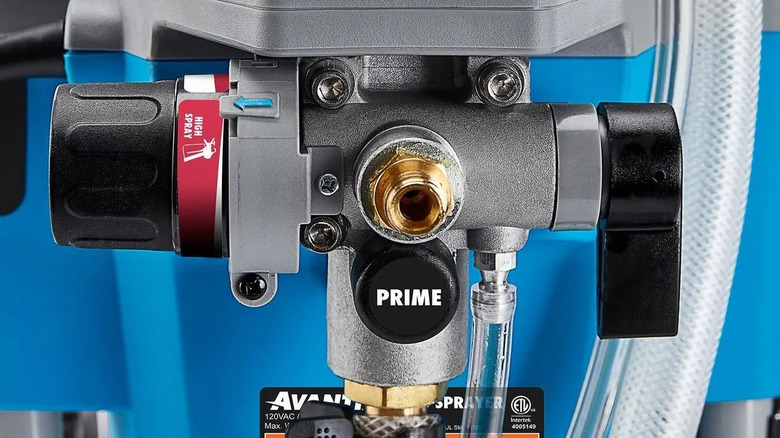
Prime the sprayer to remove air from the system. Test spray on a piece of cardboard to check the spray pattern.
- Assemble the sprayer parts correctly
- Fill the paint container with prepared paint
- Turn on the sprayer and prime it
- Test spray to adjust pressure and pattern
- Wear protective gear before spraying
Techniques For Flawless Results
Using an airless paint sprayer correctly helps you get smooth and even coats. Understanding the right techniques avoids common problems.
This guide covers spraying patterns, keeping pressure steady, and mistakes to avoid for best results.
Spraying Patterns
Hold the sprayer at a steady distance from the surface. Move your arm in smooth, even strokes to cover the area.
- Keep the spray tip 12 inches away from the surface
- Use side-to-side or up-and-down strokes
- Overlap each pass by about 50% to avoid gaps
- Keep your wrist steady and move your whole arm
Maintaining Consistent Pressure
Consistent pressure ensures an even flow of paint. Too much pressure creates runs. Too little causes uneven coverage.
| Pressure Level | Effect on Paint |
| Too High | Runs and drips |
| Too Low | Thin or patchy layers |
| Consistent | Smooth and even coat |
Avoiding Common Mistakes
Many problems come from simple errors. Avoid these to get clean, professional finishes.
- Do not hold the sprayer too close or too far
- Keep the spray tip clean to prevent clogging
- Do not spray too fast or too slow
- Always test spray on a scrap surface first
- Wear proper safety gear while spraying
Maintenance And Troubleshooting
Airless paint sprayers need regular care to work well. Maintenance keeps them running longer and avoids problems.
Troubleshooting helps fix issues like clogs and leaks fast. This guide shows simple steps to care for your sprayer.
Cleaning The Sprayer
Cleaning the sprayer after each use stops paint buildup. It keeps the parts clear and sprays smoothly.
Flush the system with water or solvent based on your paint type. Clean the tip, hose, and filters too.
- Release pressure before cleaning
- Flush sprayer with water or solvent
- Remove and clean spray tip and guard
- Clean filters and hose thoroughly
- Dry all parts before storage
Fixing Clogs And Leaks
Clogs happen when paint dries inside the sprayer. Leaks occur from worn seals or loose fittings.
Check the spray tip and filters for blockages. Tighten any loose connections and replace damaged parts.
- Turn off and release pressure first
- Remove and clean the spray tip
- Inspect filters for damage or dirt
- Tighten hose and fitting connections
- Replace seals if leaks continue
Routine Maintenance Tips
Regular checks keep your sprayer in good shape. Look over parts before and after each use.
Lubricate moving parts and store the sprayer in a clean, dry place. Replace worn parts to avoid bigger problems.
- Inspect hoses and connections for wear
- Clean and lubricate pump seals
- Check spray tips for wear and replace if needed
- Store sprayer indoors, away from dust
- Use manufacturer’s recommended cleaning products
Safety Tips And Best Practices
Airless paint sprayers work by pushing paint at high pressure through a small nozzle. This creates a fine spray that covers surfaces quickly and evenly. Using them safely is very important to avoid injuries and damage.
Follow these safety tips and best practices to protect yourself and get the best results from your paint sprayer.
Protective Gear
Always wear the right protective gear before using an airless paint sprayer. Paint mist can irritate your skin, eyes, and lungs.
Good protective gear helps prevent injuries and keeps you safe while spraying.
- Wear safety goggles to protect your eyes from paint and debris.
- Use a respirator mask to avoid breathing in paint fumes.
- Put on gloves to keep paint off your skin.
- Wear long sleeves and pants to protect your arms and legs.
Safe Operating Procedures
Follow safe steps when using the sprayer to avoid accidents. High pressure can cause serious injuries.
Read the user manual carefully and keep the sprayer clean and maintained.
- Always check hoses and connections for leaks before starting.
- Never point the spray gun at yourself or others.
- Keep your hands and body away from the spray tip during operation.
- Release pressure before cleaning or changing tips.
- Work in a well-ventilated area to reduce inhaling fumes.
Environmental Considerations
Protect the environment by handling paint and equipment carefully. Paint can harm soil and water if spilled.
Dispose of paint and cleaning liquids properly and avoid spraying near water sources.
- Cover nearby plants and surfaces to avoid overspray damage.
- Use drop cloths to catch paint drips and spills.
- Clean equipment in a designated area to prevent contamination.
- Dispose of leftover paint according to local rules.
:strip_icc()/bhg-paint-sprayers-test-graco-17g180-magnum-prox19-melissa-inman-29-0cfbde80d51a41a287c187c98963b4ba.jpeg)
Credit: www.bhg.com
Frequently Asked Questions
What Is An Airless Paint Sprayer?
An airless paint sprayer uses a hydraulic pump to propel paint through a small nozzle. This results in a fine mist. The technique provides a smooth, uniform finish, reducing paint wastage. It is ideal for large surfaces and ensures quick, efficient coverage.
How Does An Airless Sprayer Work?
Airless sprayers force paint through a tiny nozzle under high pressure. This creates a fine mist. The mist allows for even distribution across surfaces. The absence of air ensures a smooth finish without streaks or brush marks.
Why Choose Airless Over Traditional Methods?
Airless sprayers offer speed and efficiency, covering large areas quickly. They ensure a consistent, smooth finish, reducing manual labor. Unlike brushes or rollers, they minimize visible marks. They are ideal for professional results on large projects.
Are Airless Paint Sprayers Easy To Use?
Yes, airless paint sprayers are designed for ease of use. They require some practice for optimal results. Most models come with adjustable settings. These help control paint flow and spray patterns, making them user-friendly for both beginners and professionals.
Conclusion
Airless paint sprayers push paint at high pressure through a tiny nozzle. This creates a smooth, even coat without brush marks. They save time and effort for big painting jobs. Maintenance is simple if done right. Choosing the right sprayer helps finish projects faster.
Understanding how these sprayers work makes painting easier. Try one for your next project and see the difference.