
Imagine lounging by your pool, the water crystal clear without lifting a finger. Sounds like a dream, right?
Automatic pool vacuums make this a reality. These innovative gadgets take the hassle out of pool maintenance, giving you more time to enjoy the fun parts. But how exactly do they work their magic? Understanding their operation can transform your pool care routine and put you in control.
Dive into this article to uncover the secrets behind these mechanical marvels and discover how they can become your best poolside companion. Your pool deserves the best care, and knowing how these vacuums work is the first step to achieving that. Are you ready to make pool cleaning a breeze? Let’s explore!

Credit: www.cnet.com
Types Of Automatic Pool Vacuums
Automatic pool vacuums keep your pool clean without much effort. They come in different types, each with unique features. Choosing the right type depends on your pool size and cleaning needs. Understanding how each type works helps you pick the best vacuum.
Suction-side Vacuums
Suction-side vacuums connect to the pool’s skimmer or dedicated suction line. They use the pool pump’s suction to move dirt and debris. These vacuums are easy to install and usually cost less. They work well for light to moderate cleaning tasks. However, they rely heavily on your pool’s filtration system.
Pressure-side Vacuums
Pressure-side vacuums attach to the return jet of your pool. They use water pressure to power the vacuum’s movement and debris collection. These vacuums often have a separate filter bag to catch larger debris. They are good for pools with lots of leaves or bigger dirt. Pressure-side vacuums reduce the load on your pool’s main filter.
Robotic Vacuums
Robotic vacuums operate independently with their own motor and filter. They don’t rely on your pool’s pump or filter system. These vacuums move around the pool floor and walls using programmed navigation. They clean thoroughly and can handle fine and large debris. Robotic vacuums are easy to use and save energy, but they cost more upfront.
Key Components
Automatic pool vacuums rely on several key parts to clean your pool effectively. Each component plays a specific role to remove dirt and debris. Understanding these parts helps you maintain and troubleshoot your vacuum.
Motors And Pumps
The motor powers the vacuum, creating suction to pull debris. Pumps push water through the system, moving dirt into the filter. Together, they generate the force needed to clean the pool floor and walls.
Filters And Bags
Filters trap small particles and prevent them from returning to the pool. Bags collect larger debris like leaves and twigs. Regular cleaning or replacement keeps the vacuum working well and the pool water clear.
Brushes And Wheels
Brushes scrub surfaces to loosen dirt stuck on tiles or pool walls. Wheels allow the vacuum to move smoothly around the pool. They help the device cover every area without getting stuck.
How Suction-side Vacuums Operate
Suction-side automatic pool vacuums are a popular choice for pool owners who want a hassle-free cleaning solution. These devices rely on the existing pool pump to create suction, pulling debris from the pool floor and walls. Understanding how they operate can help you make better decisions about maintenance and troubleshooting.
Connection To Pool Pump
Suction-side vacuums connect directly to your pool’s skimmer or a dedicated suction line. The pool pump generates the suction force needed to power the vacuum’s movement and debris intake.
This setup means the vacuum doesn’t have its own motor. Instead, it depends entirely on your pool’s filtration system to operate.
Have you noticed your pump working harder when the vacuum is running? That’s because it’s pulling extra water—and debris—through the vacuum head.
Debris Collection Process
The vacuum head moves across the pool’s surface, sucking up dirt, leaves, and small debris. These particles travel through a hose connected to the vacuum and are drawn into the pool’s filtration system.
Unlike other vacuum types, suction-side models deposit debris directly into the filter basket or pump strainer basket. This means you need to clean these baskets more often to maintain optimal performance.
One practical tip: regularly check the basket for clogs. If debris builds up, suction drops, and your vacuum won’t clean effectively.
Pressure-side Vacuum Mechanics
Understanding how pressure-side automatic pool vacuums operate gives you a clearer idea of why they’re so effective at keeping your pool clean. These devices rely on the water pressure from your pool’s pump system to power their cleaning action. This pressure moves the vacuum around and helps separate debris from the water, so you don’t have to manually scoop it out.
Water Pressure Generation
Your pool’s pump pushes water through the pressure-side vacuum, creating the force needed to drive the cleaner across the pool floor and walls. This water pressure acts like a motor, powering the vacuum’s wheels or tracks for smooth movement.
Think about it: without sufficient water pressure, the vacuum won’t move properly or clean efficiently. That’s why some pool owners upgrade their pump or add booster pumps to increase pressure and get better results.
Debris Separation And Storage
As the vacuum moves, it sucks up dirt, leaves, and small debris from the pool surface. Instead of sending this debris straight to the main filter, the pressure-side vacuum uses a built-in collection bag or container to trap the particles.
This feature prevents clogging and reduces strain on your pool’s filtration system. You’ll find it much easier to empty a single bag full of leaves than to constantly clean your filter.
Have you noticed how much debris collects in your pool after a windy day? Using a pressure-side vacuum with a dedicated debris bag can save you hours of manual cleaning and protect your pump system from damage caused by large debris.
Robotic Vacuum Functionality
Robotic pool vacuums have changed how you maintain a clean swimming pool. Their advanced functionality allows them to work independently, saving you time and effort. Understanding how these machines operate can help you choose the right model and get the best results for your pool care routine.
Built-in Power Source
Robotic pool vacuums run on their own power, usually through a rechargeable battery pack. This built-in power source means they don’t rely on your pool’s filtration system, allowing them to work independently from other equipment.
Because they have their own battery, you can use the vacuum whenever you want without worrying about extra wiring or power hookups. Some models even come with indicators that show how much battery life is left, so you know when it’s time to recharge.
Navigation And Sensors
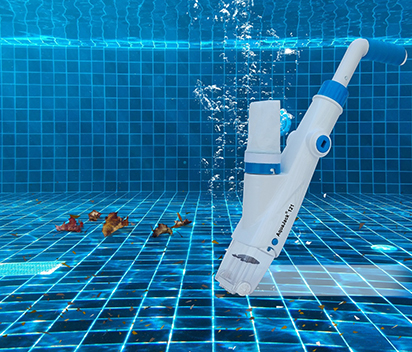
One of the most impressive features of robotic vacuums is their smart navigation system. These vacuums use sensors to scan the pool environment and create an efficient cleaning path.
They can detect walls, stairs, and obstacles to avoid collisions or getting stuck. Some models even remember the pool layout over time, improving their cleaning pattern with each use.
Have you ever wondered how a machine can clean every corner without missing a spot? It’s all thanks to these sensors that guide the vacuum precisely where it’s needed.
Credit: www.cnpoolstar.com
Benefits Of Automatic Pool Vacuums
Automatic pool vacuums bring a range of benefits that make pool maintenance easier and more effective. They help you save time, boost cleaning power, and cut down the physical effort needed to keep your pool spotless. Understanding these advantages can help you decide if an automatic vacuum fits your pool care routine.
Time-saving Features
One of the biggest perks of automatic pool vacuums is how much time they save you. Instead of spending hours scrubbing and vacuuming by hand, these devices work independently. You can set them up and let them clean while you focus on other tasks or simply relax.
Imagine finishing your morning coffee while your pool gets cleaned. This convenience means more free time without sacrificing the cleanliness of your pool.
Improved Cleaning Efficiency
Automatic vacuums are designed to cover every inch of your pool systematically. They use smart navigation patterns to avoid missing spots or going over the same area repeatedly. This leads to a more thorough clean compared to manual efforts.
They also handle debris of various sizes, from fine dust to leaves, ensuring your pool looks inviting and clear. How often do you notice leftover dirt after a manual clean? These devices reduce that problem significantly.
Reduced Manual Effort
Cleaning a pool manually can be tiring and physically demanding. Automatic vacuums eliminate much of this hard work. You don’t have to bend, scrub, or carry heavy equipment around the pool area anymore.
This ease of use encourages more regular pool cleaning, preventing buildup and potential damage. Would you clean your pool more often if it required less effort?
Maintenance Tips
Keeping your automatic pool vacuum in top shape means less hassle and better cleaning results. Maintenance is key to ensuring your device runs smoothly and lasts longer. Simple regular care can save you from costly repairs and unexpected breakdowns.
Regular Filter Cleaning
Your vacuum’s filter traps dirt and debris, so it clogs up quickly. Cleaning the filter after every few uses prevents reduced suction and keeps the vacuum working efficiently.
Rinse the filter with a hose, removing all trapped particles. If the filter is washable, soak it in a mild detergent solution occasionally for a deeper clean. Don’t forget to let it dry completely before putting it back.
Inspecting Brushes And Wheels
Brushes and wheels face constant wear and tear, especially if your pool has rough surfaces or lots of debris. Check them regularly for damage or buildup.
Remove leaves, hair, and other debris wrapped around the brushes and wheels to avoid strain on the motor. If you notice cracks or excessive wear, replacing these parts can prevent bigger problems down the line.
Storage Best Practices
How you store your vacuum affects its lifespan. Always store it in a cool, dry place away from direct sunlight to prevent plastic parts from warping or cracking.
After use, drain all water from the unit and disconnect any power sources. Wrapping cords loosely and avoiding sharp bends helps prevent damage. Have you noticed how a little extra care in storage extends your equipment’s life?

Credit: us.mammotion.com
Troubleshooting Common Issues
Automatic pool vacuums are designed to make pool maintenance effortless, but sometimes they run into issues that can stop them from working properly. Understanding how to troubleshoot common problems can save you time and keep your pool sparkling clean without calling a professional. Let’s look at some typical challenges and practical ways to fix them.
Loss Of Suction
If your pool vacuum suddenly loses suction, check for blockages first. Debris can clog the filter, hose, or the vacuum head, reducing water flow. Clean out any leaves, dirt, or hair that might be stuck, and inspect the hose for cracks or holes that could cause leaks.
Another cause might be an improperly connected hose or a loose fitting. Make sure all connections are secure and air-tight. Sometimes, air entering the system is the hidden culprit behind suction loss—have you ever noticed bubbles near the vacuum? That’s a sign to tighten seals or replace worn parts.
Navigation Problems
When your vacuum struggles to move around the pool or gets stuck, it’s usually a problem with its wheels or tracks. Check for tangled debris or hair wrapped around the moving parts. Cleaning these regularly keeps the vacuum agile and responsive.
Also, pay attention to the vacuum’s programming or sensors. If it’s not navigating properly, resetting the device or updating its software can help. Have you tried repositioning the vacuum or changing its cleaning pattern? Sometimes a simple adjustment can improve coverage dramatically.
Motor Malfunctions
A motor that won’t start or suddenly stops can be frustrating. First, verify that the power supply is stable and the vacuum is correctly plugged in. Inspect the motor for overheating signs, like a burning smell or excessive heat after use.
Motors need regular maintenance, including checking brushes and bearings for wear and tear. If your vacuum sounds louder than usual or vibrates excessively, these could be warning signs. Don’t ignore these noises—addressing them early can prevent expensive repairs.
Choosing The Right Vacuum
Choosing the right automatic pool vacuum is essential for keeping your pool clean with less effort. The best vacuum fits your pool’s size, shape, and your personal needs. It should also match your budget and energy preferences. Taking time to pick the right one saves money and improves pool care.
Pool Size And Shape Considerations
Different pool sizes need different vacuums. Small pools work well with compact models. Large pools may need powerful vacuums with longer cords. The shape also matters. Round pools need vacuums that move smoothly on curves. Pools with steps or corners require vacuums that can reach tight spots.
Budget And Features
Set a budget before choosing a vacuum. Basic models clean well but may lack extra features. Advanced models offer timers, remote controls, or smart sensors. These features add convenience but raise the price. Decide which features are worth the cost for you. Balance price with functionality for best value.
Energy Efficiency
Energy use affects your electricity bills. Choose vacuums with low power consumption. Some models use battery power, others plug into outlets. Check for energy-saving settings or modes. Efficient vacuums reduce costs and help the environment. Consider energy efficiency as a key factor in your choice.
Frequently Asked Questions
How Do Automatic Pool Vacuums Clean The Pool?
Automatic pool vacuums use suction to lift debris from the pool floor. They move around, collecting dirt and leaves. The debris is then sent to the pool’s filtration system or a collection bag. This process keeps the pool clean with minimal manual effort.
What Powers An Automatic Pool Vacuum?
Most automatic pool vacuums are powered by the pool’s pump or battery. Suction-side and pressure-side models rely on the pool’s pump. Robotic vacuums use rechargeable batteries. Power sources enable the vacuum to move and clean efficiently without external intervention.
Can Automatic Pool Vacuums Clean All Pool Surfaces?
Yes, automatic pool vacuums can clean various pool surfaces. They work effectively on vinyl, fiberglass, and concrete pools. Their brushes and suction adapt to different textures to remove dirt, algae, and debris. This versatility makes them suitable for most residential pools.
How Often Should I Use An Automatic Pool Vacuum?
Using an automatic pool vacuum once or twice a week is ideal. Frequent cleaning prevents dirt buildup and maintains water clarity. However, usage depends on pool size, debris amount, and weather conditions. Regular use ensures a cleaner, healthier swimming environment.
Conclusion
Automatic pool vacuums clean your pool with little effort. They move around, picking up dirt and debris. This keeps water clear and healthy. Using one saves time and energy. It helps maintain your pool’s beauty easily. Understanding how they work makes choosing one simple.
Regular use means less manual cleaning for you. A clean pool is more fun to enjoy. Simple, smart, and helpful tools for pool care.