Have you ever wondered what keeps your home warm and cozy during chilly days? Understanding how your boiler heating system works can give you more control over your comfort and energy bills.
Whether you’re curious about how heat travels through your pipes or want to know how to spot issues before they happen, this guide is made for you. By the end, you’ll see your boiler not just as a machine, but as a smart partner in keeping your home warm.
Ready to uncover the secrets behind your heating system? Let’s dive in.
Boiler System Basics
Boiler heating systems keep homes and buildings warm. They use water or steam to move heat. The system heats water inside the boiler. Then, the hot water or steam flows through pipes to radiators or heat exchangers.
Boilers work quietly and provide steady heat. They can use different fuels like gas, oil, or electricity. Understanding boiler basics helps you know how your heating works.
Key Components
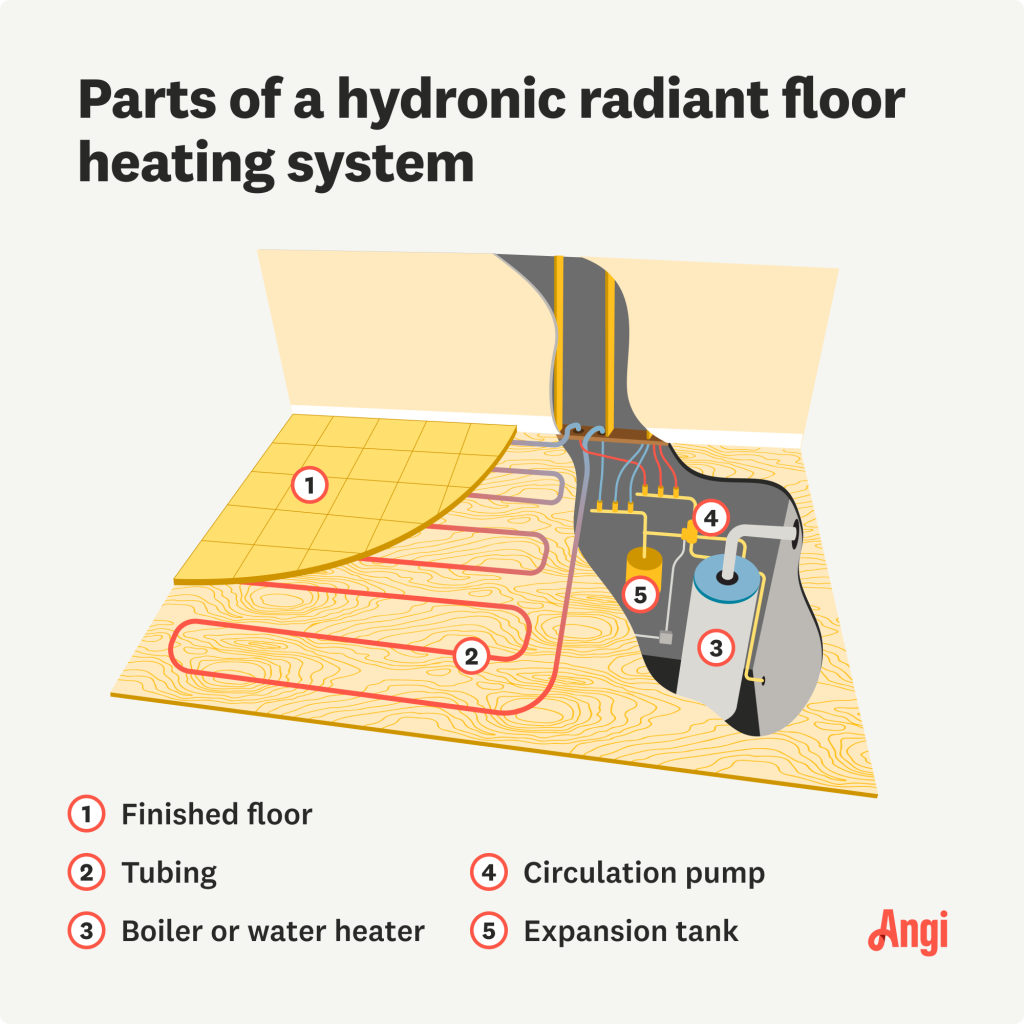
Boiler systems have many parts that work together. Each part plays a role in heating your space safely and efficiently.
- Boiler:The main unit that heats water or creates steam.
- Burner:Burns fuel to create heat for the boiler.
- Heat Exchanger:Transfers heat from the burner to the water.
- Pipes:Carry hot water or steam to radiators or baseboards.
- Radiators or Baseboards:Release heat into rooms.
- Expansion Tank:Manages pressure changes in the system.
- Thermostat:Controls the temperature by turning the boiler on or off.
Types Of Boilers
There are different types of boilers. Each uses a specific method to heat water or steam. Some are better for small homes, others for large buildings.
| Boiler Type | Fuel Used | Heat Transfer | Common Use |
|---|---|---|---|
| Hot Water Boiler | Gas, Oil, Electricity | Heats water for circulation | Homes and small buildings |
| Steam Boiler | Gas, Oil, Coal | Creates steam for heating | Older buildings, industrial |
| Combi Boiler | Gas, Oil | Instant hot water and heating | Small homes |
| Electric Boiler | Electricity | Heats water without fuel | Homes without gas lines |
Credit: www.pmmag.com
Heat Generation Process
Boiler heating systems create warmth by generating heat inside the boiler unit. This heat then moves through the system to warm water or air.
The process depends on burning fuel and transferring the heat efficiently to the heating medium.
Fuel Combustion
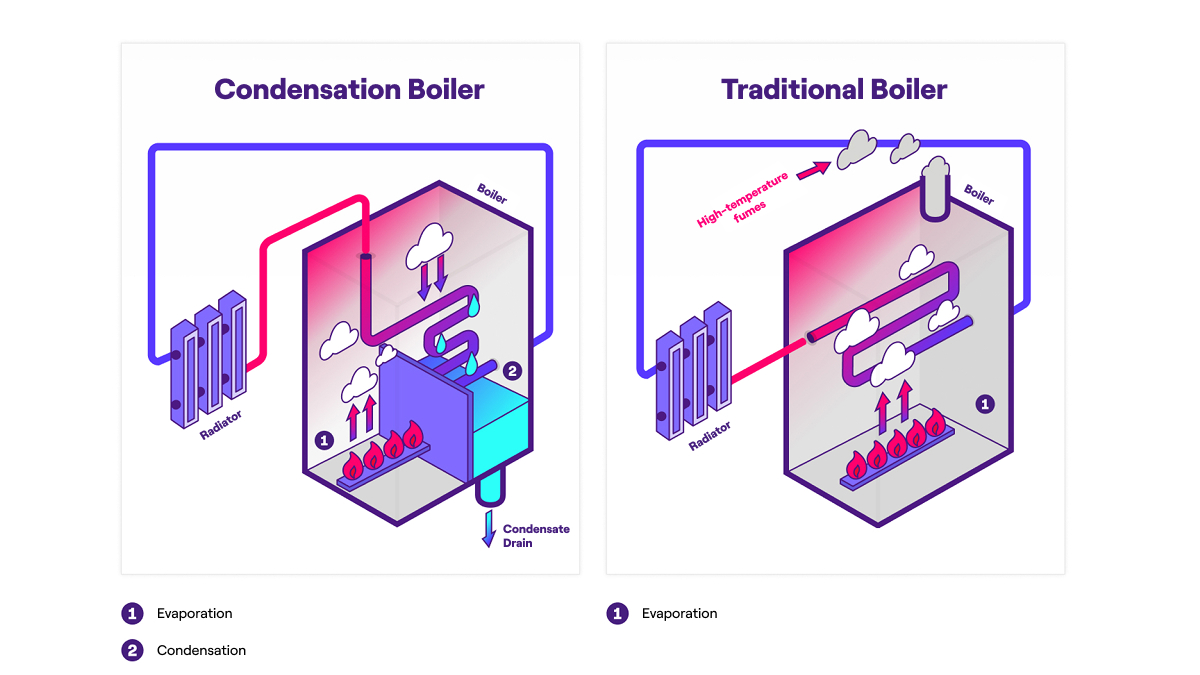
Fuel combustion is the first step in creating heat in a boiler. The fuel burns inside a combustion chamber, producing hot gases.
- Common fuels include natural gas, oil, coal, or wood.
- Burning fuel releases chemical energy as heat.
- The combustion must be controlled for safety and efficiency.
- Proper air supply helps the fuel burn completely.
- Exhaust gases leave through a flue or chimney.
Heat Transfer Methods
Heat moves from the hot gases to water or air by different methods. The main types are conduction, convection, and radiation.
| Method | Description |
| Conduction | Heat moves through solid materials like metal walls. |
| Convection | Heat transfers by moving fluids such as water or air. |
| Radiation | Heat travels as infrared waves without touching materials. |
Water Circulation And Heating
Boiler heating systems use water to move heat through your home. The system heats water, which then flows through pipes to warm rooms.
This method keeps homes warm and comfortable by using a closed loop of water circulation and heating.
Water Flow Mechanics
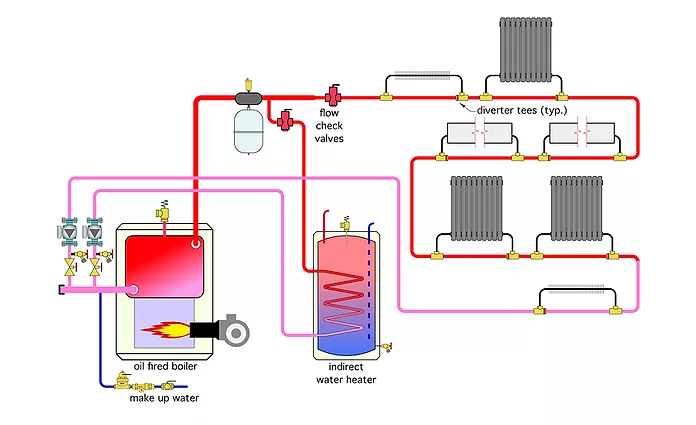
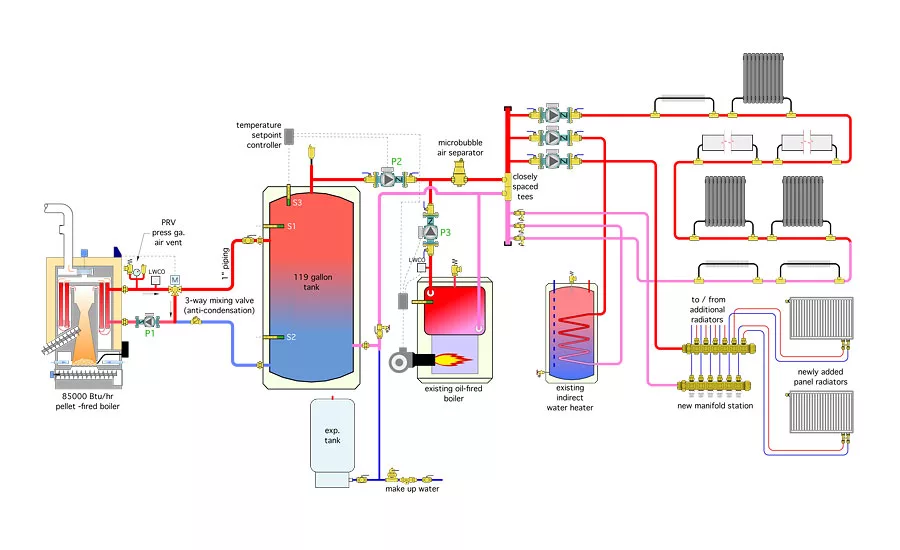
Water flows from the boiler through pipes to radiators or baseboards. The water releases heat into rooms and returns to the boiler.
A pump usually moves the water, helping it circulate evenly. Gravity can also help in some older systems without pumps.
- The boiler heats the water to a set temperature.
- The pump pushes hot water through the pipes.
- Water passes through radiators, warming the air.
- Cooled water returns to the boiler for reheating.
Steam Vs. Hot Water Systems
Steam systems boil water to create steam that moves through pipes. Hot water systems heat water but do not boil it.
Steam systems use steam pressure to move heat, while hot water systems use pumps to circulate warm water.
- Steam systems:Produce steam, use pressure, louder operation.
- Hot water systems:Use hot water, rely on pumps, quieter and more efficient.
Credit: www.pmmag.com
Control And Safety Features
Boiler heating systems have important control and safety parts. They keep the system running safely and efficiently.
These features help prevent accidents and make sure the heat is just right for your home.
Thermostats And Sensors
Thermostats control the temperature inside your home by telling the boiler when to turn on or off.
Sensors check the water temperature and pressure inside the boiler. They send data to the control system.
- Thermostats keep room temperature steady
- Temperature sensors monitor boiler heat
- Pressure sensors ensure safe water pressure
- They help avoid overheating and damage
Safety Valves And Shutdowns
Safety valves release extra pressure if it gets too high inside the boiler. This stops explosions.
Shutdown systems turn off the boiler automatically if there is a fault or danger detected.
- Pressure relief valves protect from too much pressure
- Automatic shutdown stops the boiler in emergencies
- Flame failure devices stop gas flow if the flame goes out
- Water level controls prevent dry firing
Energy Efficiency Tips
Boiler heating systems use water to warm your home. Saving energy helps lower bills and protect the environment.
Simple changes in how you care for your boiler can make a big difference in energy use.
Regular Maintenance
Keep your boiler clean and checked often. This helps it run smoothly and use less fuel.
Check for leaks and fix them quickly. Leaks waste energy and can cause damage.
- Clean the boiler’s heat exchanger yearly
- Inspect and bleed radiators to remove air
- Check pressure and adjust as needed
- Hire a professional for annual safety checks
Upgrading Components
New parts can make old boilers work better. Upgrades help save energy and money.
Consider replacing old thermostats and pumps. These parts control heat and flow efficiently.
- Install a programmable thermostat for better control
- Use a modern pump with variable speed settings
- Upgrade to a high-efficiency boiler if possible
- Insulate pipes to keep heat from escaping
Common Issues And Fixes
Boiler heating systems are reliable but can face some common problems. These issues often affect how well your home stays warm. Knowing the causes and fixes helps keep your boiler working well.
This guide explains two frequent issues: leaks and pressure problems, and ignition and flame troubles. Each section covers what to look for and simple fixes.
Leaks And Pressure Problems
Leaks and pressure problems cause your boiler to stop working properly. Leaks happen from pipes, valves, or the tank. Pressure issues make the boiler shut down or not heat enough.
- Leaks:Check for wet spots or dripping water around the boiler. Tighten loose fittings or replace damaged seals.
- Low Pressure:Pressure below 1 bar is too low. Add water to the system using the filling loop to raise pressure.
- High Pressure:Pressure above 2.5 bars can cause leaks. Bleed radiators or drain some water to reduce pressure.
- Pressure Gauge Fault:Sometimes the gauge shows wrong numbers. Replace the gauge if it is broken.
| Problem | Cause | Fix |
|---|---|---|
| Leak | Damaged seal or pipe | Replace or tighten parts |
| Low pressure | Water loss or leak | Refill water in system |
| High pressure | Too much water or heat | Bleed radiators or drain water |
| Faulty gauge | Broken pressure gauge | Replace gauge |
Ignition And Flame Troubles
Ignition and flame problems stop your boiler from heating water. These happen if the boiler fails to light or the flame goes out.
- No ignition:Check if the pilot light is out. Clean the ignition electrode and try again.
- Flame failure:The flame sensor may be dirty. Clean it gently with fine sandpaper.
- Gas supply:Make sure the gas valve is open and gas is available.
- Faulty thermostat:If the thermostat is bad, the boiler won’t ignite. Replace if needed.
Credit: www.enel.it
Frequently Asked Questions
How Does A Boiler Heating System Generate Heat?
A boiler heats water using fuel like gas or oil. The heated water circulates through pipes to radiators or underfloor systems, providing warmth throughout the home efficiently and evenly.
What Types Of Boilers Are Most Common?
The most common boilers are combi, system, and conventional. Combi boilers provide hot water on demand, while system and conventional boilers store hot water in tanks for later use.
How Is Heat Distributed In A Boiler System?
Heat is distributed via hot water or steam through pipes to radiators or underfloor heating. This circulation transfers warmth evenly across rooms, maintaining a comfortable indoor temperature.
What Are The Main Components Of A Boiler System?
A boiler system includes the boiler, heat exchanger, pipes, radiators, and controls. Together, these parts work to heat water and distribute warmth efficiently throughout the building.
Conclusion
Boiler heating systems move heat through water or steam. They warm your home by sending hot water to radiators or pipes. The boiler heats water using fuel like gas, oil, or electricity. A thermostat controls when the boiler turns on or off.
This system keeps your space cozy and comfortable. Understanding how boilers work helps you maintain them better. Regular checks can keep your boiler safe and efficient. Simple parts work together to provide steady, reliable heat. Boilers offer a quiet and consistent way to heat your home.