Have you ever wondered how ductless range hoods actually work to keep your kitchen fresh? If cooking smells and smoke tend to linger in your space, understanding these clever devices can make a big difference.
You might think they just look sleek, but there’s more happening behind the scenes than you realize. This guide will reveal exactly how ductless range hoods clean your air and why they could be the perfect fit for your kitchen.
Keep reading, and you’ll discover simple facts that can help you breathe easier every time you cook.
Ductless Range Hood Basics
Understanding the basics of ductless range hoods can help you decide if this kitchen appliance fits your cooking space and lifestyle. These hoods offer a unique way to manage smoke, odors, and grease without the need for external ductwork. Let’s break down what they are, their key parts, and how they stand apart from traditional ducted hoods.
What Is A Ductless Range Hood
A ductless range hood is a ventilation system that filters and recirculates air back into your kitchen instead of venting it outside. This makes it ideal for apartments or homes where installing ductwork isn’t possible or practical.
It captures cooking fumes and odors, cleans them, and releases fresh air. Think of it as a self-contained air purifier designed specifically for your cooking area.
Key Components
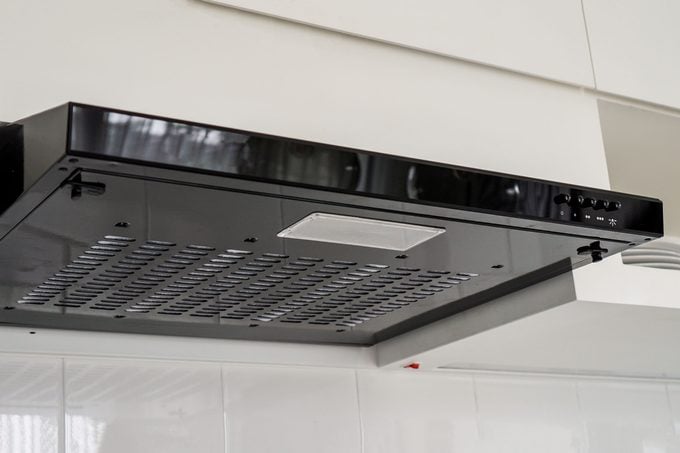
- Fan or Blower:Pulls in the air from your cooking surface.
- Grease Filters:Trap grease particles to prevent buildup inside the hood and kitchen.
- Charcoal or Carbon Filters:Remove odors and smoke by absorbing them before the air recirculates.
- Lighting:Provides visibility over your cooking area.
Each part plays a vital role in making sure your kitchen air stays cleaner and more pleasant.
How It Differs From Ducted Hoods
The main difference lies in air circulation. Ducted hoods expel air outside through ducts, removing all contaminants permanently.
Ductless hoods, on the other hand, clean and recirculate the air indoors. This means they rely heavily on high-quality filters and regular maintenance.
Could you handle replacing filters regularly to keep your kitchen fresh? This is a key consideration before choosing a ductless system.

Credit: www.searshomeservices.com
Air Filtration Process
The air filtration process in ductless range hoods is a vital part of keeping your kitchen air clean and fresh. Instead of venting smoke and odors outside, these hoods pull air through a series of filters to trap grease, smoke, and smells. This system helps maintain a comfortable cooking environment, especially if your kitchen lacks external ventilation.
Types Of Filters Used
Ductless range hoods commonly use two main types of filters: grease filters and charcoal filters. Grease filters, often made of aluminum or stainless steel, catch cooking grease and oil particles. These filters are washable and reusable, making them easy to maintain.
Charcoal filters focus on trapping odors and smoke particles. They are typically made from activated carbon, which is porous and highly effective at absorbing smells. Together, these filters ensure the air is cleaned before it circulates back into your kitchen.
Role Of Charcoal Filters
Charcoal filters play a crucial role in removing unpleasant odors from your cooking area. They absorb smells rather than just trapping particles, which helps eliminate strong scents from frying or grilling. Without charcoal filters, the air would quickly become stale and filled with lingering food smells.
Think about the last time you cooked fish or something spicy—did the smell stick around longer than you wanted? That’s where charcoal filters make a noticeable difference. They keep your kitchen smelling fresher for longer, improving your overall cooking experience.
Maintenance Of Filters
Keeping your filters clean is essential for your ductless hood to work effectively. Grease filters should be washed regularly, usually every one to three months depending on how often you cook. You can clean them with warm soapy water or place them in the dishwasher.
Charcoal filters, however, need to be replaced rather than washed. Their lifespan varies but generally ranges from six months to a year. Neglecting filter maintenance can reduce airflow and make your hood less efficient, so set a reminder to check your filters periodically.
Installation And Placement
Installing a ductless range hood requires careful thought about placement and setup. Proper installation ensures efficient air cleaning and easy use. This section explains where to place the hood, space needs, and handy tips for installation.
Ideal Locations
Place the ductless range hood above the cooking surface. The height should be between 24 and 30 inches from the stove. This position helps capture smoke and odors quickly. Avoid placing it too high or too far from the cooktop. Near a window or vent can cause airflow issues. Center the hood over the stove for best results.
Space Requirements
Ensure enough space around the hood for air circulation. The hood should cover the entire cooking area. Measure the stove width and match it with the hood size. Check the ceiling height and wall space for mounting. Leave room to open any filters or panels easily. Keep electrical outlets nearby for power connection.
Installation Tips
- Mount the hood on a strong wall or under a cabinet.
- Use proper anchors or screws for secure fitting.
- Follow the manufacturer’s instructions carefully.
- Seal gaps around the hood to prevent air leaks.
- Check electrical wiring is safe and meets codes.
- Test the hood after installation to confirm airflow.
Credit: www.familyhandyman.com
Benefits Of Ductless Range Hoods
Ductless range hoods offer a smart alternative to traditional vented models, especially if you want efficient kitchen ventilation without the hassle of ductwork. They capture and filter air directly above your stove, then recirculate it back into your kitchen. This setup brings several benefits that can improve your cooking experience and your home environment.
Improved Air Quality
Ductless range hoods use charcoal or carbon filters to trap smoke, odors, and grease particles. This means your kitchen air stays fresher, even during intense cooking sessions.
Unlike some ventilation systems that just push pollutants outside, these hoods clean the air before releasing it back. Have you noticed lingering smells after cooking? A ductless hood can help reduce that problem significantly.
Energy Efficiency
Without the need to vent air outside, ductless range hoods save energy by not letting heated or cooled air escape your home. This can lower your heating and cooling bills over time.
Since the system recirculates filtered air, your HVAC system doesn’t have to work as hard to maintain your indoor temperature. Could saving on energy costs be a reason to switch to a ductless option?
Ease Of Installation
Ductless range hoods are easier to install because they don’t require external venting. You won’t need to cut holes in walls or ceilings, which means less mess and lower installation costs.
This is especially helpful if you rent your home or have a kitchen layout that makes venting complicated. Wouldn’t it be great to upgrade your kitchen ventilation without a major renovation?
Limitations To Consider
Ductless range hoods offer convenience and easy installation. Yet, they have some limits that affect performance and maintenance. Knowing these helps in making the right choice for your kitchen.
Filter Replacement Frequency
Ductless hoods rely on filters to clean the air. These filters capture grease and odors. Over time, filters get dirty and lose efficiency. They need regular replacement or cleaning. Neglecting this can reduce air quality and hood function.
Most manufacturers suggest changing filters every 3 to 6 months. This depends on cooking frequency and type of food. Proper filter care keeps the hood working well and your kitchen fresh.
Noise Levels
Ductless range hoods usually have built-in fans. These fans can produce noticeable noise. The sound level varies by model and speed setting. Some models are quieter, but others can be loud.
Noise can be distracting during cooking or conversation. Choosing a hood with low noise ratings helps. Look for decibel (dB) levels in product specs for guidance.
Effectiveness Compared To Ducted Systems
Ductless hoods recirculate air through filters. They do not vent smoke or steam outside. This limits their ability to remove heat and moisture. Ducted systems vent air outdoors, offering better air quality.
Ductless models work best in small kitchens or spaces without vent options. They reduce odors and grease but may not fully clear heavy smoke. Consider cooking habits before choosing between ductless and ducted hoods.

Credit: www.kitchenaid.com
Choosing The Right Model
Choosing the right ductless range hood can make a huge difference in your kitchen’s air quality and overall cooking experience. You want a model that fits your space and needs perfectly without overspending. Let’s look at key factors that help you pick the best one for your home.
Sizing Guidelines
Size matters a lot when selecting a ductless range hood. The hood should be at least as wide as your cooktop or stove to capture all the smoke and odors effectively.
Think about the height too — if it’s too high, it won’t pull in air efficiently. A good rule is to install the hood 24 to 30 inches above your cooking surface. Have you measured your cooking area carefully before shopping? It can save you from buying a hood that doesn’t perform well.
Feature Comparisons
Not all ductless range hoods come with the same features. Some include multiple fan speeds, LED lighting, or even quiet operation modes. Consider what features matter most to you.
- Fan Speeds:More speeds mean better control over ventilation.
- Filters:Look for models with washable or replaceable carbon filters for odor removal.
- Noise Level:If your kitchen is open to living areas, a quieter model is a smart choice.
Which features will improve your cooking and cleaning routine? Sometimes, spending a bit more on convenience pays off in everyday comfort.
Budget Considerations
Your budget will narrow down your choices, but don’t let cost be the only deciding factor. A cheaper model may save money upfront but could cost more in filter replacements or electricity.
Balance price with quality and features. You might find mid-range hoods that offer good value without breaking the bank.
Ask yourself: How long do you want this hood to last? Investing in a reliable model now can prevent headaches later.
Tips For Cleaner Air
Keeping the air clean in your kitchen is important for health and comfort. Ductless range hoods help remove smoke and odors but need care to work well. Follow these tips to improve air quality and keep your kitchen fresh.
Regular Cleaning
Clean filters often to maintain strong airflow. Grease and dust block the hood’s efficiency. Wash metal filters with warm soapy water every month. Replace charcoal filters every 3 to 6 months, depending on use. Wipe the hood’s surface with a damp cloth to prevent buildup.
Proper Ventilation Practices
Run the hood during cooking to capture smoke quickly. Keep windows or doors open if possible. Avoid cooking on high heat without ventilation. Turn off the hood a few minutes after cooking to clear remaining odors. Position pots and pans directly under the hood for best results.
Combining With Other Air Purifiers
Use air purifiers alongside your ductless hood for cleaner air. HEPA filters capture tiny particles that hoods miss. Place purifiers in the kitchen or nearby rooms. This reduces allergens and improves overall air quality. Choose purifiers that match your kitchen size for best effect.
Frequently Asked Questions
How Do Ductless Range Hoods Remove Cooking Odors?
Ductless range hoods use charcoal filters to trap and neutralize cooking odors. They recirculate clean air back into the kitchen. This method is effective for kitchens without external venting options.
Are Ductless Range Hoods As Effective As Ducted Ones?
Ductless hoods are less powerful than ducted hoods at removing smoke and moisture. However, they efficiently filter odors and grease. They work well in apartments or where duct installation is difficult.
What Maintenance Do Ductless Range Hoods Require?
Ductless range hoods need regular filter cleaning or replacement. Charcoal and grease filters should be cleaned every 1 to 3 months. Proper maintenance ensures optimal air filtration and hood performance.
Can Ductless Range Hoods Reduce Kitchen Humidity?
Ductless range hoods do not remove humidity because they recirculate air. They mainly filter odors and grease particles. For moisture control, ducted range hoods are more effective.
Conclusion
Understanding ductless range hoods is simple. They filter air using charcoal. This removes odors and smoke. It’s a practical solution for many kitchens. No need for complicated installations. Just plug in and use. Maintenance is easy, too. Replace filters regularly for best performance.
Ductless hoods fit in small spaces. Perfect for apartments or older homes. They offer effective air cleaning. A great addition to any kitchen setup. Consider one for cleaner indoor air. Enjoy cooking without worry. Ductless range hoods make it easier.
Keep your kitchen fresh and inviting.