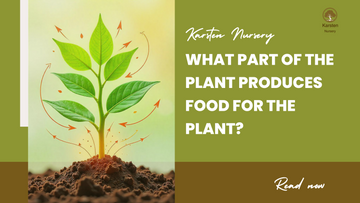
Have you ever wondered how green plants manage to feed themselves without moving an inch or hunting for food? It’s a fascinating process that happens right inside their leaves.
Understanding how green plants get their food can change the way you see the world around you. You’ll discover the simple yet amazing steps plants take to make their own nourishment. Keep reading, and you’ll unlock secrets that might even inspire you to grow your own green friends at home!

Credit: sizzlekidz.com
Photosynthesis Basics
Green plants make their own food using a special process. This process is called photosynthesis. It helps plants grow and produce oxygen for us to breathe.
In photosynthesis, plants use sunlight to turn water and air into food. This happens in the leaves where tiny parts called chloroplasts work like small factories.
What Photosynthesis Is
Photosynthesis is how green plants make food. They use sunlight to change water and carbon dioxide into sugar and oxygen. The sugar gives plants energy to grow.
- Sunlight provides energy
- Water comes from the soil
- Carbon dioxide comes from the air
- Chlorophyll in leaves captures sunlight
- Oxygen is released as a by-product
Key Ingredients Needed
| Ingredient | Role in Photosynthesis |
| Sunlight | Energy source to drive the reaction |
| Water (H₂O) | Supplies electrons and hydrogen |
| Carbon dioxide (CO₂) | Used to make glucose (plant food) |
| Chlorophyll | Captures sunlight in the leaves |

Credit: www.goseeko.com
Chlorophyll And Light Absorption
Green plants make their own food using sunlight. This process is called photosynthesis. Chlorophyll helps plants absorb light energy to start this process.
Light absorption is important because it gives plants the energy to turn water and carbon dioxide into food and oxygen.
Role Of Chlorophyll
Chlorophyll is a green pigment in plant leaves. It absorbs light mainly from the blue and red parts of the light spectrum. This pigment helps convert light energy into chemical energy.
- Chlorophyll gives plants their green color.
- It captures sunlight needed for photosynthesis.
- It helps produce glucose, the plant’s food.
- It releases oxygen as a byproduct.
How Plants Capture Light
Plants use special cells called chloroplasts to catch light. Inside chloroplasts, chlorophyll absorbs sunlight. The light energy excites electrons, which start the food-making process.
| Light Color | Absorbed by Chlorophyll |
|---|---|
| Blue | High absorption |
| Red | High absorption |
| Green | Low absorption (reflected) |
The Photosynthesis Process
Green plants make their food through a process called photosynthesis. This process uses sunlight to turn water and carbon dioxide into glucose and oxygen.
Photosynthesis happens in two main stages. These stages are the light-dependent reactions and the light-independent reactions.
Light-dependent Reactions
The light-dependent reactions take place in the chloroplasts. They need sunlight to work. Chlorophyll, the green pigment in plants, absorbs sunlight. This energy is then used to split water molecules.
When water molecules split, they release oxygen. The energy from the sunlight also helps create ATP and NADPH. These are energy carriers for the next stage.
- Happens in chloroplasts
- Needs sunlight
- Splits water molecules
- Releases oxygen
- Produces ATP and NADPH
Light-independent Reactions
The light-independent reactions do not need sunlight. They are also known as the Calvin cycle. This process takes place in the stroma of the chloroplasts.
During this stage, ATP and NADPH from the first stage help convert carbon dioxide into glucose. Glucose is the sugar plants use as food. This stage completes the photosynthesis process.
- Occurs in the stroma
- Does not need sunlight
- Uses ATP and NADPH
- Converts carbon dioxide into glucose

Credit: www.youtube.com
The Role Of Stomata
Green plants make their food through photosynthesis. Stomata are small openings on leaves. They help plants get gases needed for this process.
Stomata control how gases enter and leave the plant. They also help keep water inside the plant.
Gas Exchange Mechanism
Stomata open to let carbon dioxide into the leaf. Plants use this gas to make food. Oxygen, a byproduct, leaves through the stomata.
This exchange of gases is very important. It allows the plant to get what it needs for photosynthesis.
- Carbon dioxide enters through stomata
- Oxygen exits through stomata
- Helps with photosynthesis
Regulating Water Loss
Stomata also control water loss from the plant. They open and close to keep water inside. This helps the plant stay healthy.
On hot or dry days, stomata close to save water. This stops too much water from leaving the plant.
- Stomata open to release water vapor
- Close to prevent water loss
- Balance water and gas exchange
Factors Affecting Photosynthesis
Green plants make their food through photosynthesis. This process depends on many factors.
Understanding these factors helps us learn how plants grow and survive.
Light Intensity
Light provides energy for photosynthesis. When light is bright, plants make more food.
Low light slows down photosynthesis, so plants grow slower.
Carbon Dioxide Levels
Carbon dioxide is a key ingredient for photosynthesis. Plants take it from the air.
- More carbon dioxide means faster food production.
- Too little carbon dioxide limits photosynthesis.
- Plants in greenhouses often get extra carbon dioxide.
Temperature Effects
Temperature changes affect how well plants do photosynthesis.
| Temperature (°C) | Photosynthesis Rate |
|---|---|
| Below 10 | Very slow |
| 20 to 30 | Fast and efficient |
| Above 35 | Slows down, may stop |
Photosynthesis And Plant Nutrition
Green plants make their own food using a process called photosynthesis. They use sunlight, water, and carbon dioxide to create energy.
This food helps plants grow and stay healthy. Plants also need nutrients from the soil to stay strong.
Producing Glucose
Plants make glucose, a type of sugar, during photosynthesis. This happens in the leaves inside tiny cells called chloroplasts.
Chlorophyll, the green pigment in leaves, captures sunlight. Plants use this light energy to change water and carbon dioxide into glucose and oxygen.
- Sunlight provides energy
- Water comes from the soil
- Carbon dioxide enters through leaf pores
- Glucose is made for energy
- Oxygen is released into the air
Energy Storage In Plants
Plants store extra glucose as starch. Starch is a long chain of sugar molecules that plants keep in roots, stems, and leaves.
This stored energy helps plants grow when sunlight is not available. Animals and humans eat plants to get this stored energy.
- Glucose is used right away for energy
- Extra glucose is stored as starch
- Starch is kept in different parts of the plant
- Stored energy supports growth and repair
Photosynthesis In Different Plants
Green plants make their food using a process called photosynthesis. They use sunlight, water, and carbon dioxide to create food and oxygen.
Different plants use different ways to do photosynthesis. These ways help plants survive in many environments.
C3 Pathway
The C3 pathway is the most common way plants make food. Most plants use this method, including wheat, rice, and trees.
In C3 plants, the first product made in photosynthesis is a three-carbon molecule. These plants work best in cool, wet places.
C4 Pathway
C4 plants use a special way to save water and use carbon dioxide better. Corn, sugarcane, and sorghum use this method.
They first make a four-carbon molecule. This helps them do photosynthesis even in hot and dry places.
- Work well in hot weather
- Use water efficiently
- Grow faster in bright sunlight
Cam Pathway
CAM plants save water by opening their pores at night. They store carbon dioxide and use it during the day.
Succulents like cacti and some orchids use the CAM pathway. It helps them survive in very dry places.
- Open pores only at night
- Store carbon dioxide in cells
- Use stored carbon dioxide in daylight
Adaptations To Environment
Plants change their photosynthesis to live in different environments. These changes help them save water or use sunlight well.
Some plants grow thick leaves to store water. Others have thin leaves to get more sunlight. These help plants survive and grow.
- Thick leaves store water in dry areas
- Thin leaves catch more sunlight in shaded spots
- Deep roots find water underground
- Waxy surfaces reduce water loss
Impact On The Environment
Green plants make their own food through photosynthesis. This process uses sunlight, water, and carbon dioxide. It helps the environment in many ways.
Plants support life on Earth by producing oxygen and balancing gases in the air. Their role is vital for all living creatures.
Oxygen Production
Green plants release oxygen as a byproduct of photosynthesis. This oxygen is essential for animals and humans to breathe.
Without plants, oxygen levels would drop, making life difficult for many species. They keep the air clean and fresh.
- Plants take in carbon dioxide
- They release oxygen into the air
- Oxygen supports animal and human life
Carbon Cycle Contribution
Plants help control the amount of carbon dioxide in the air. They absorb this gas during photosynthesis to make food.
This process reduces greenhouse gases. It slows down global warming and keeps the climate stable.
- Plants absorb carbon dioxide from the atmosphere
- They store carbon in their leaves and roots
- Carbon returns to the soil when plants decay
- This cycle keeps carbon balanced in nature
Frequently Asked Questions
How Do Green Plants Make Their Own Food?
Green plants make food through photosynthesis. They use sunlight, water, and carbon dioxide to produce glucose and oxygen. Chlorophyll in leaves captures sunlight, enabling this process. This food provides energy for growth and survival.
What Role Does Sunlight Play In Plant Food Production?
Sunlight provides the energy green plants need for photosynthesis. Chlorophyll absorbs light, converting it into chemical energy. This energy helps plants synthesize glucose from carbon dioxide and water, sustaining their growth and metabolism.
Why Is Chlorophyll Important For Plant Nutrition?
Chlorophyll is a green pigment essential for photosynthesis. It captures sunlight and converts it into energy. Without chlorophyll, plants cannot produce food or oxygen, making it vital for their survival and growth.
How Do Plants Absorb Water For Food Synthesis?
Plants absorb water through roots from the soil. Water travels up the stem to leaves. It combines with carbon dioxide and sunlight during photosynthesis to produce food.
Conclusion
Green plants make their own food using sunlight, water, and air. This process is called photosynthesis. Leaves capture sunlight and turn it into energy. Plants use this energy to change water and carbon dioxide into food. This food helps plants grow and stay healthy.
Without this process, plants could not live or provide oxygen. Understanding how plants get food helps us appreciate nature more. It shows how life on Earth stays connected and balanced. Simple, yet amazing.