Have you ever wondered how green plants manage to feed themselves without buying groceries or visiting a restaurant? It might seem like magic, but there’s a fascinating process behind it that directly affects your life.
Understanding how plants produce their own food can change the way you see the world around you and even help you grow healthier plants at home. Keep reading, and you’ll discover the simple secrets green plants use every day to turn sunlight into energy.
This knowledge could surprise you and make you appreciate nature in a whole new way.

Credit: sizzlekidz.com
Basics Of Photosynthesis
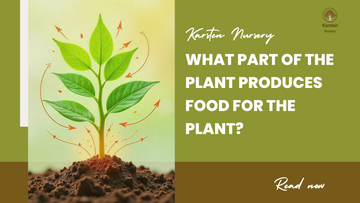
Green plants make their own food using a process called photosynthesis. This process helps them turn sunlight into energy. Photosynthesis happens mainly in the leaves of plants.
Plants need special parts and materials to do photosynthesis. They use sunlight, water, and carbon dioxide to create food and oxygen. The process is important for life on Earth.
Role Of Chlorophyll
Chlorophyll is a green pigment found in plant leaves. It helps plants absorb sunlight. Chlorophyll captures light energy needed for photosynthesis. Without chlorophyll, plants cannot make food.
The green color of leaves comes from chlorophyll. This pigment changes light energy into chemical energy. This energy drives the whole food-making process in plants.
Sunlight As Energy Source
Sunlight provides the energy plants need to make food. Plants absorb sunlight through their leaves. Light energy helps convert carbon dioxide and water into glucose and oxygen.
- Sunlight hits the chlorophyll in leaves
- Energy from light splits water molecules
- Energy drives the creation of sugar (glucose)
- Oxygen is released as a byproduct
Carbon Dioxide And Water Intake
Plants take in carbon dioxide from the air through tiny holes in their leaves. They absorb water from the soil through their roots. Both are essential for photosynthesis.
| Substance | Source | Role in Photosynthesis |
|---|---|---|
| Carbon Dioxide | Air | Used to make glucose |
| Water | Soil | Splits to release oxygen and provide hydrogen |
| Oxygen | Produced by plants | Released into the air |
Light-dependent Reactions
Green plants make food using sunlight in a process called photosynthesis. The first part is the light-dependent reactions. These reactions use light to create energy-rich molecules.
This energy will help plants build food in the next steps. The reactions happen in the chloroplasts, which contain special pigments to catch light.
Capturing Light Energy
Plants have pigments like chlorophyll that absorb sunlight. This light energy excites electrons, raising their energy level. The electrons then move through proteins in the chloroplast membrane.
- Chlorophyll absorbs blue and red light best
- Excited electrons carry energy to other molecules
- The energy starts chemical reactions to make food
Water Splitting And Oxygen Release
To replace lost electrons, plants split water molecules. This process releases oxygen gas as a byproduct. The splitting also provides electrons and protons for energy production.
| Process | Result |
| Water splitting | Electrons and protons released |
| Oxygen release | Oxygen gas exits plant leaves |
| Electron replacement | Keeps electron flow steady |
Formation Of Atp And Nadph
The energy from excited electrons helps make ATP and NADPH. These molecules store energy and carry it to the next stage of photosynthesis. ATP works like a battery, and NADPH carries electrons.
Key points about ATP and NADPH formation:
- Electrons move through the electron transport chain
- Protons flow creates ATP by chemiosmosis
- NADP+ accepts electrons to form NADPH
Light-independent Reactions
Light-independent reactions happen in the chloroplasts of green plants. These reactions do not need light directly. They use energy from light-dependent reactions to make food.
This process is also called the Calvin Cycle. It helps plants turn carbon dioxide into sugars. These sugars provide energy for the plant to grow.
Calvin Cycle Steps
The Calvin Cycle has three main steps. These steps repeat many times to make food. Each step changes molecules to build sugar.
- Carbon fixation
- Reduction
- Regeneration of RuBP
Carbon Fixation Process
Carbon fixation is the first step of the Calvin Cycle. It starts when the enzyme RuBisCO grabs carbon dioxide from the air. The carbon dioxide joins with a five-carbon sugar called RuBP.
This reaction makes a six-carbon compound. It breaks down into two three-carbon molecules called 3-phosphoglycerate (3-PGA). This process stores carbon in a form plants can use.
Sugar Production
In sugar production, the three-carbon molecules get energy from ATP and NADPH. These energy molecules come from the light-dependent reactions. They help convert 3-PGA into glyceraldehyde-3-phosphate (G3P).
| Molecule | Role in Sugar Production |
|---|---|
| ATP | Provides energy to convert 3-PGA to G3P |
| NADPH | Donates electrons to reduce 3-PGA |
| G3P | Used to form glucose and other sugars |
Some G3P molecules leave the cycle to form glucose. The rest help regenerate RuBP. This keeps the Calvin Cycle going to produce more sugar.
Factors Affecting Photosynthesis
Photosynthesis is the process by which green plants make their food. It depends on several factors. These factors affect how well plants can produce food.
Understanding these factors helps us learn how plants grow and survive. Light, carbon dioxide, temperature, and water all play important roles.
Light Intensity
Light provides energy for photosynthesis. When light intensity is low, the process slows down. As light gets stronger, photosynthesis speeds up to a point.
- Low light means less energy for plants
- Too much light can damage leaf cells
- Optimal light intensity helps plants make more food
Carbon Dioxide Levels
Plants take carbon dioxide from the air to make food. If carbon dioxide is low, photosynthesis slows. Higher levels can increase the rate, but only up to a limit.
| CO2Level | Effect on Photosynthesis |
| Low | Reduces food production |
| Medium | Supports normal photosynthesis |
| High | Increases rate until other factors limit |
Temperature Effects
Temperature affects the enzymes that help photosynthesis. If it is too cold, enzymes work slowly. If it is too hot, enzymes can break down and stop working.
Plants have an ideal temperature range for photosynthesis:
- Below 10°C, photosynthesis slows
- Between 20°C and 30°C, it works best
- Above 40°C, the process can stop
Water Availability
Water is a raw material in photosynthesis. Plants need enough water for the process to work. Lack of water causes the plant to close leaf pores and reduce photosynthesis.
- Water shortage limits food production
- Excess water can damage roots
- Balanced water supply supports healthy photosynthesis
Importance Of Photosynthesis
Green plants make their own food using sunlight, water, and carbon dioxide. This process is called photosynthesis.
Photosynthesis is important for life on Earth. It helps plants grow and supports many living things.
Oxygen Production
During photosynthesis, plants release oxygen into the air. This oxygen is essential for animals and humans to breathe.
- Plants take in carbon dioxide and water.
- Sunlight helps convert these into food and oxygen.
- Oxygen is then released into the atmosphere.
Basis Of Food Chains
Photosynthesis helps plants create food that animals eat. This starts the food chain, which supports all life.
| Organism | Role in Food Chain |
| Green Plants | Producers (make food) |
| Herbivores | Primary consumers (eat plants) |
| Carnivores | Secondary consumers (eat herbivores) |
Impact On Climate
Photosynthesis removes carbon dioxide from the air. This helps reduce greenhouse gases and slow climate change.
Key climate benefits of photosynthesis:
- Reduces carbon dioxide levels.
- Supports growth of forests that store carbon.
- Helps keep Earth’s temperature stable.

Credit: sustainableholly.com

Credit: www.youtube.com
Frequently Asked Questions
How Do Plants Make Their Own Food?
Green plants produce food through photosynthesis. They use sunlight, water, and carbon dioxide to create glucose and oxygen. Chlorophyll in leaves absorbs sunlight, driving the process. This glucose serves as energy for growth and development, while oxygen is released into the air.
Photosynthesis is vital for plant survival and ecosystem balance.
What Is Photosynthesis In Plants?
Photosynthesis is the process by which green plants create food. It involves converting sunlight, water, and carbon dioxide into glucose and oxygen. Chlorophyll absorbs sunlight, facilitating this transformation. This process provides energy for plants and oxygen for the environment. Photosynthesis is essential for plant growth and sustaining life on Earth.
Why Is Chlorophyll Important For Photosynthesis?
Chlorophyll is crucial because it captures sunlight, which is necessary for photosynthesis. This green pigment is found in plant leaves. It absorbs light energy, enabling the conversion of carbon dioxide and water into glucose. Without chlorophyll, plants couldn’t produce food, affecting their growth and the ecosystem’s oxygen supply.
What Role Does Sunlight Play In Photosynthesis?
Sunlight provides the energy required for photosynthesis. It is absorbed by chlorophyll in the plant leaves. This energy is used to transform carbon dioxide and water into glucose and oxygen. Without sunlight, the photosynthesis process cannot occur, hindering food production and energy supply for plants.
Conclusion
Green plants make their own food using sunlight, water, and air. This process is called photosynthesis. It helps plants grow and gives us oxygen to breathe. Without green plants, life on Earth would be very different. They are important for food chains and the environment.
Understanding how plants produce food helps us appreciate nature more. It shows the power of simple things working together. Nature’s way of feeding itself is smart and efficient. Green plants keep the world alive and healthy.