Have you ever wondered how your home stays warm and cozy during chilly days? Understanding how hot water heating systems work can help you appreciate the comfort they provide—and even save you money on energy bills.
You’ll discover the simple steps that make these systems tick. By the end, you’ll see how your heating system keeps your space warm and what you can do to keep it running smoothly. Ready to learn the secrets behind your home’s warmth?
Let’s dive in.
Basics Of Hot Water Heating
Hot water heating systems keep buildings warm by moving heat through water. These systems use heated water to warm rooms evenly and efficiently.
This type of heating is common in homes and buildings. It provides steady warmth without blowing air around.
Key Components
Hot water heating systems have several main parts. Each part plays a role in making and moving heat.
- Boiler:Heats the water to the desired temperature.
- Pipes:Carry hot water from the boiler to radiators or baseboards.
- Radiators/Baseboards:Release heat into the rooms.
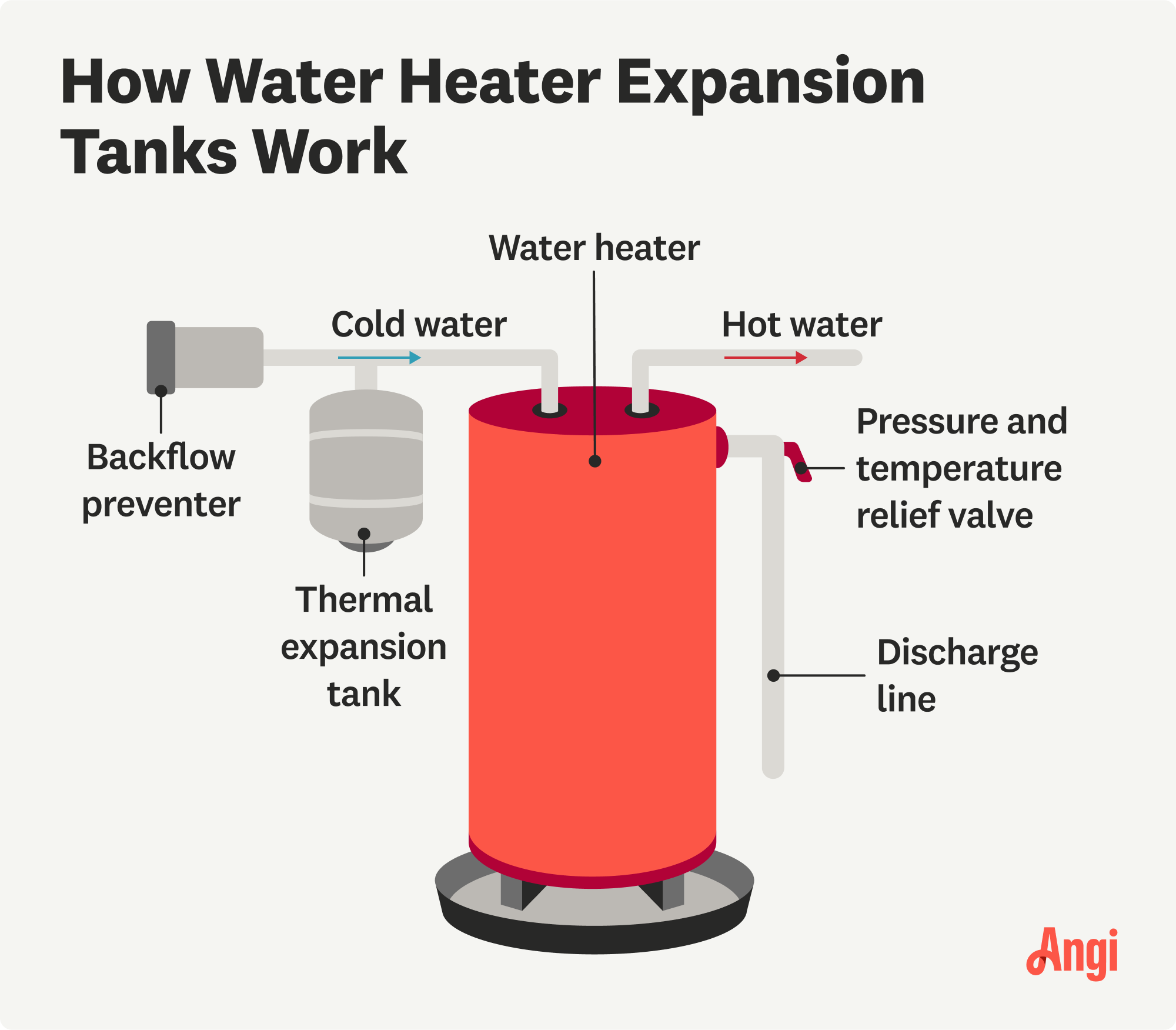
- Expansion Tank:Absorbs extra pressure as water heats and expands.
- Thermostat:Controls the system by turning the boiler on or off.
How Heat Is Generated
The boiler heats water using fuel or electricity. The water temperature rises inside the boiler’s chamber.
Fuel types include natural gas, oil, or propane. Electric boilers use heating elements. The heat moves into the water, making it hot.
- Fuel burns or electric elements heat the water.
- Water temperature is controlled by the thermostat.
- Hot water is ready to flow through the pipes.
Heat Distribution Methods
Hot water moves through pipes to reach radiators or baseboards. These parts give off heat to warm the room air.
The water then cools down and returns to the boiler. This cycle repeats to keep the space warm.
- Radiators:Large metal units that heat air by radiation and convection.
- Baseboard Heaters:Long units along walls that warm air near the floor.
- Underfloor Heating:Pipes under floors that heat rooms evenly from below.
Types Of Hot Water Systems
Hot water heating systems keep buildings warm by moving hot water through pipes. Different systems use various ways to heat and circulate water.
Understanding the types helps you choose the right system for your home or business.
Boiler Systems
Boiler systems heat water in a large tank or boiler. The hot water then flows through pipes to radiators or underfloor heating.
These systems use gas, oil, or electricity to heat the water. They keep a steady temperature for long periods.
- Central boiler heats all water
- Water moves through radiators or pipes
- Works well for large homes or buildings
Indirect Water Heaters
Indirect water heaters use a boiler to heat water stored in a tank. The water in the tank is used for taps and showers.
This system uses a heat exchanger inside the tank. It transfers heat from the boiler water to the stored water.
- Heats water quickly using boiler heat
- Keeps hot water ready in a storage tank
- Energy efficient because it uses existing boiler
Combi Boilers
Combi boilers heat water directly without a storage tank. They provide hot water on demand for heating and taps.
These boilers are compact and save space. They are ideal for small homes with limited space.
- Heats water instantly when needed
- No need for a separate hot water tank
- Saves space and reduces heat loss
Circulation Process
Hot water heating systems use a circulation process to move warm water through your home. This process helps spread heat evenly to keep rooms comfortable. The system relies on several key parts working together.
Understanding the circulation process shows how heat travels and returns in the system. It starts with the pump, flows through radiators, and ends with the return cycle.
Role Of The Pump
The pump pushes hot water from the boiler into the pipes. It keeps water moving steadily through the system. Without the pump, water would not flow, and heat would not reach the radiators.
- The pump creates pressure to move water.
- It controls the flow speed inside the pipes.
- It helps maintain consistent temperature in all rooms.
Flow Through Radiators
Hot water flows into radiators, where it releases heat. The metal surface warms the air around it. This warms the room by convection and radiation. Cooler water leaves the radiator and moves back to the boiler.
| Stage | Water Temperature | Function |
| Entering Radiator | High | Delivers heat to room |
| Inside Radiator | Medium | Transfers heat to metal |
| Leaving Radiator | Low | Returns cooler water |
Return Cycle
The return cycle sends cooled water back to the boiler. The boiler heats the water again, repeating the process. This cycle keeps the system running smoothly and efficiently.
- Cooled water flows through return pipes.
- Water reaches the boiler to be reheated.
- The cycle restarts with the pump pushing hot water out.

Credit: medium.com
Control Mechanisms
Hot water heating systems use control mechanisms to manage temperature and efficiency. These controls help keep your home comfortable while saving energy.
The main types of controls include thermostats, zone controls, and safety features. Each plays a key role in system operation.
Thermostats And Timers
Thermostats sense the room temperature and turn the heating on or off to keep it steady. Timers let you set heating schedules to fit your daily routine.
- Thermostats measure air temperature.
- Timers schedule when the heat turns on and off.
- Both save energy by avoiding unnecessary heating.
Zone Controls
Zone controls divide a building into parts called zones. Each zone has its own thermostat and valve to control heat separately.
| Zone | Control Method | Benefit |
| Living Room | Thermostat with valve | Comfort where used most |
| Bedrooms | Separate thermostat | Lower heat at night |
| Kitchen | Timer control | Heat only when cooking |
Safety Features
Safety features prevent damage and protect people. They stop the system if it gets too hot or if a fault appears.
- Pressure relief valves release excess pressure.
- Temperature limit switches stop overheating.
- Automatic shut-off prevents leaks or failures.
Energy Efficiency Tips
Hot water heating systems use water to warm your home. Saving energy helps lower bills and protects the environment.
You can make your system work better with simple changes. These tips focus on insulation, maintenance, and upgrades.
Insulation Techniques
Insulation keeps heat from escaping your pipes and tank. This saves energy and makes your system more efficient.
Use pipe insulation sleeves and wrap your water tank. This stops heat loss and reduces the energy needed.
- Wrap hot water pipes with foam sleeves
- Insulate the water tank with a jacket or blanket
- Seal gaps around the heating system to keep heat in
- Use reflective insulation in basements or crawl spaces
System Maintenance
Regular maintenance keeps your heating system running well. It helps find problems early and saves energy.
Flush the system to remove sediment, check for leaks, and inspect the boiler or heater parts.
- Flush the boiler yearly to remove buildup
- Check pipes and valves for leaks
- Test the pressure and temperature controls
- Clean the burner and heat exchanger
Upgrading Components
Replacing old parts with newer models can improve energy use. New parts often use less fuel or electricity.
Consider installing a modern boiler, thermostatic valves, or smart controls to save more energy.
- Upgrade to a high-efficiency boiler
- Install thermostatic radiator valves for better heat control
- Use smart thermostats to set heating schedules
- Replace old pipes with insulated, energy-saving versions
Common Issues And Fixes
Hot water heating systems can have problems that stop them from working well. Knowing common issues helps you fix them faster.
Below are some usual problems with hot water heating systems and ways to solve them safely.
Leaks And Corrosion
Leaks happen when pipes or valves get old or damaged. Corrosion makes metal parts weak and can cause leaks too.
Fix leaks by tightening loose connections or replacing worn parts. Clean or replace corroded sections to stop damage.
- Check pipes and joints for water drops
- Use pipe sealant or replace faulty valves
- Inspect metal parts for rust or wear
- Call a plumber if leaks continue
Air In The System
Air can get trapped inside the heating pipes. This stops hot water from moving well and causes cold spots.
Remove air by bleeding the radiators or using an automatic air vent. This makes your system heat evenly.
- Turn off the heating system first
- Open radiator bleed valves slowly
- Let air escape until water flows out
- Close valves tightly after bleeding
No Heat Problems
Your system may not heat if the boiler is off or the thermostat is low. Pump failures can also stop heat flow.
Check the boiler power and thermostat settings. Listen for the pump noise. Reset or replace parts if needed.
- Ensure boiler is switched on
- Set thermostat to desired temperature
- Check pump for unusual sounds
- Reset boiler or call a technician if problem persists
Installation Considerations
Installing a hot water heating system needs careful planning. It helps the system work well and last longer.
Consider different factors like size, boiler type, and who will do the installation. These choices affect cost and safety.
Sizing The System
Choosing the right size for your heating system is very important. A system too small will not heat well.
A system too large wastes energy and money. Calculate the heat needed for your home space and insulation.
- Measure the total area to be heated
- Check your home’s insulation quality
- Consider the local climate and temperature
- Use a heating professional for accurate sizing
Choosing The Right Boiler
Select a boiler that fits your home’s size and heating needs. Boilers come in different types and fuel options.
Look at efficiency ratings to save energy. Match the boiler with your existing pipes and radiators if possible.
- Gas boilers are common and efficient
- Electric boilers are easier to install but cost more to run
- Oil boilers work where gas is not available
- Check the boiler’s size and power output
Professional Vs Diy
Installing a hot water heating system can be complex. Professionals have experience to do it safely and correctly.
DIY installation may save money but risks mistakes. Improper work can cause leaks or damage to your home.
- Professionals follow local codes and rules
- They provide warranties and support
- DIY may lack tools and expertise
- Consider insurance and safety before DIY

Credit: www.dedietrich-heating.com
Credit: www.angi.com
Frequently Asked Questions
What Is A Hot Water Heating System?
A hot water heating system circulates warm water through radiators or baseboards. It uses a boiler to heat the water. This system provides consistent, efficient heating for homes and buildings. It is an energy-efficient choice for maintaining a comfortable indoor environment.
Regular maintenance ensures its optimal performance and longevity.
How Does A Boiler Heat Water?
A boiler heats water using natural gas, oil, or electricity. The heat source warms the water, which circulates through pipes. This heated water travels to radiators or baseboards, distributing warmth throughout the space. Once cooled, the water returns to the boiler for reheating, creating a continuous loop.
Are Hot Water Heating Systems Energy Efficient?
Yes, hot water heating systems are energy efficient. They provide consistent heat and are cost-effective. By evenly distributing warmth, they reduce energy waste. Modern systems have improved insulation and technology, enhancing efficiency. Regular maintenance and upgrades can further optimize energy use, saving money and reducing environmental impact.
What Are The Main Components Of These Systems?
The main components include a boiler, pipes, radiators or baseboards, and a thermostat. The boiler heats the water, which circulates through pipes. Radiators or baseboards distribute the heat. The thermostat controls the system, maintaining the desired temperature. Proper functioning of these components ensures effective and efficient heating.
Conclusion
Hot water heating systems warm homes by circulating hot water through pipes. The boiler heats water, then pumps it to radiators or floors. This method spreads heat evenly and keeps rooms comfortable. These systems use less energy than some other heating types.
Proper care helps them run efficiently and last longer. Understanding how they work can help you maintain them well. Hot water heating offers a reliable way to stay warm during cold seasons. Simple, steady, and effective.