
Is your air conditioner not cooling like it used to? You might be wondering, “How do I add Freon to my air conditioner?”
If your home feels warmer than it should, low Freon levels could be the reason. Adding Freon can bring back the cool comfort you need, but it’s important to do it right. You’ll learn simple, clear steps to safely add Freon to your AC.
Keep reading, and you’ll discover how to get your air conditioner running smoothly again—without unnecessary costs or confusion.
Credit: www.georgiaairrepair.com
Signs Your Ac Needs Freon
Reduced cooling performanceis a key sign your AC might need Freon. The air feels warm or not as cold as before. This happens because low Freon means less cooling power.
Ice formation on coilshappens when Freon is low. Ice builds up on the outside of the coils. This stops the AC from working well and can damage the system.
Hissing or bubbling noisesare signs of a Freon leak. These sounds come from the AC unit trying to hold pressure but losing Freon. It needs a check-up to avoid bigger problems.
Safety Precautions
Wear protective gearlike gloves and safety glasses. Freon can harm your skin and eyes. Protect yourself well before starting.
Work in a well-ventilated areato avoid breathing in harmful fumes. Open windows and doors or work outside. Fresh air keeps you safe.
Avoid overchargingthe air conditioner with Freon. Too much Freon can damage the system and cause leaks. Follow the recommended amount carefully.
Tools And Materials Needed
Freon refrigerant typemust match your air conditioner’s specifications. Check the label on the unit or manual for the correct type.
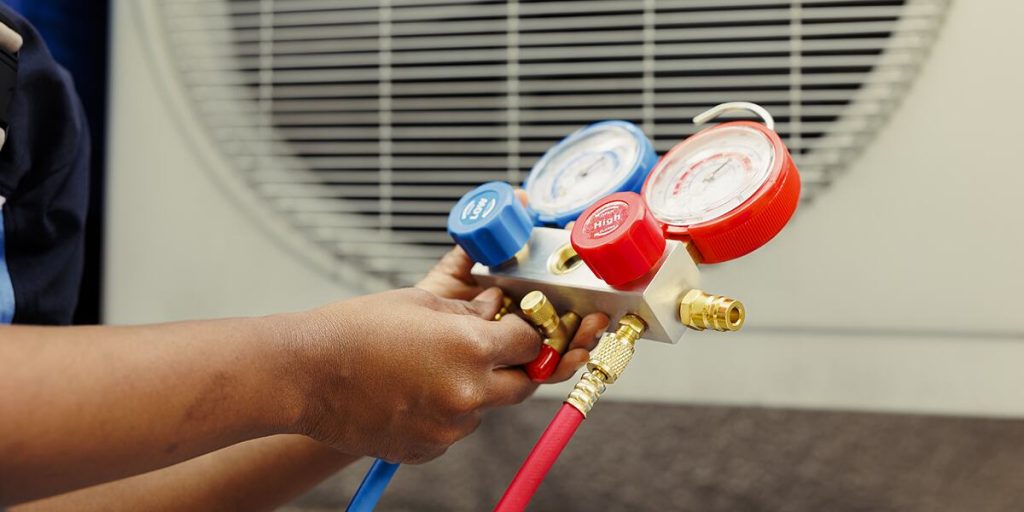
A manifold gauge sethelps measure pressure inside the AC system. It connects to the service ports for safe refilling.
Wear protective gloves and goggles. Freon is cold and can cause frostbite or eye injury on contact.
- Use the right Freon typefor your model.
- Manifold gauge setis needed for pressure checks.
- Gloves and gogglesprotect your skin and eyes.
Locating The Service Valve
The low-pressure portis a key point on your air conditioner. It controls the flow of Freon into the system. This port is usually smaller and has a plastic or metal cap. The cap might be blue or black, and it is often labeled. Look near the compressor or on the larger copper tubing. Identifying this port correctly is very important to avoid damage.
Safety is important when accessing the valve. Always turn off the air conditioner and unplug it. Wear gloves and eye protection to stay safe. Avoid touching any hot or moving parts. Use the right tools to open the cap carefully. Do not force the valve if it feels stuck. Make sure the area is dry and clean to avoid slipping or accidents.
Connecting The Manifold Gauges
Start by locating the low-pressure porton the air conditioner. It is usually smaller and marked with an “L”. Connect the blue hose from the manifold gauge set to this port. Make sure the connection is tightbut do not force it.
Next, check for leaks around the connection. Use a soap and water solution and apply it gently to the joint. If bubbles appear, there is a leak. Tighten the connection or replace faulty parts before proceeding.
Credit: m.youtube.com
Adding Freon To The Ac Unit
Turn on the AC unit to let it run for a few minutes. This warms up the system and prepares it for refrigerant.
Carefully attach the refrigerant can to the low-pressure port. Slowly open the valve to add Freon. Avoid adding too fast to prevent damage.
- Use a gauge to watch pressure levels closely.
- Keep pressure within the range shown on the AC label.
- Stop adding Freon if pressure gets too high.
Checking System Performance
Measure the temperature difference between the air coming out of the vents and the air going into the unit. A good system usually shows a difference of 15 to 20 degrees Fahrenheit. If the difference is less, the system might need more Freon or other maintenance.
Listen closely for any unusual noises near the air conditioner. Strange sounds like hissing, banging, or rattlingcan mean a problem with the system. These noises may indicate a leak or a mechanical issue that needs fixing before adding Freon.
Common Mistakes To Avoid
Overcharging the systemcan cause serious damage. Too much Freon raises pressure inside. This leads to leaks or compressor failure. Always check the recommended amount for your AC unit. Use a gauge to measure pressure carefully.
Ignoring leakswastes Freon and harms the environment. Leaks lower cooling power and raise energy bills. Find and fix leaks before adding Freon. Use soapy water or a leak detector to spot holes.
Using incorrect refrigerantharms your AC system. Different models need specific types of Freon. Using the wrong type can cause poor cooling or damage parts. Check your AC manual to know the correct refrigerant type.
When To Call A Professional
Complex repairs need special tools and skills. These jobs are not for beginners. Refrigerant leaks, compressor problems, or electrical faults require expert help. Trying to fix these can cause more damage.
Persistent cooling issues may signal bigger problems. If your air conditioner runs but feels warm, it could mean low refrigerant or blocked coils. Constantly running units may have a faulty thermostat or motor. These issues need a professional check.

Credit: www.youtube.com
Frequently Asked Questions
What Tools Do I Need To Add Freon?
To add Freon, you’ll need a refrigerant gauge set, refrigerant can, and safety goggles. These tools help ensure safe and efficient Freon addition. Always refer to your air conditioner’s manual for specific requirements and safety precautions.
Can I Add Freon Without A Professional?
While possible, adding Freon without a professional is not recommended. Incorrect handling can damage your unit or void warranties. Hiring a certified technician ensures proper handling and compliance with environmental regulations.
How Do I Know If My Ac Needs Freon?
Signs your AC needs Freon include reduced cooling efficiency and warm air from vents. If you notice these, check for ice on the refrigerant line. Consult a professional for accurate diagnosis and Freon addition.
Is Adding Freon A Diy-friendly Task?
Adding Freon is not typically DIY-friendly due to complexity and legal regulations. It’s best to hire a professional technician. They have the expertise to handle refrigerants safely and ensure your air conditioner functions optimally.
Conclusion
Adding Freon to your air conditioner helps it cool better. Always check the type of Freon your system needs. Use the right tools and follow safety steps carefully. Watch the pressure levels to avoid overcharging. If unsure, ask a professional to help.
Proper Freon levels keep your home comfortable and your AC running smoothly. Regular maintenance extends your air conditioner’s life. Stay cool and save energy by keeping Freon balanced. Simple care makes a big difference.