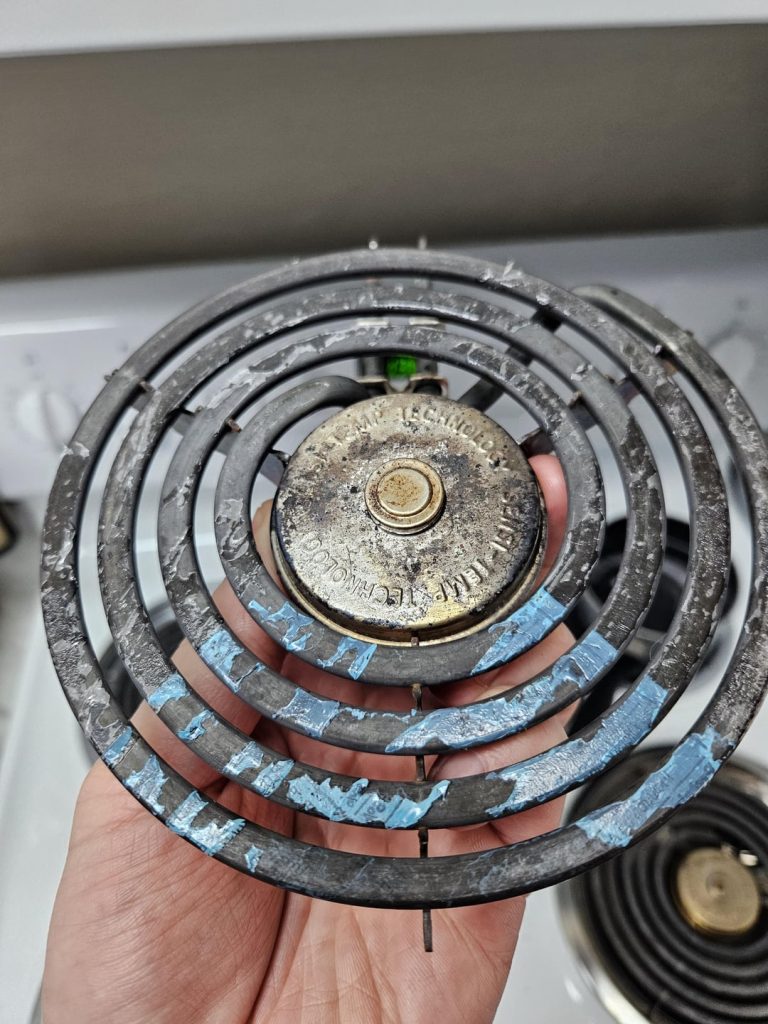
Have you ever accidentally melted plastic on your cooktop and felt stuck not knowing how to fix it? It’s a common and frustrating problem that can make your kitchen look messy and unsafe.
But don’t worry—you can clean that melted plastic without damaging your cooktop or spending hours scrubbing. You’ll discover simple, effective steps to get your cooktop looking like new again. Keep reading to learn exactly what you need to do right now.
Assessing The Damage
Assessing the damage is the first step after plastic melts on your cooktop. This helps you understand how serious the problem is. You can then choose the safest and most effective cleaning method. Careful inspection prevents further damage to your cooktop surface.
Start by letting the cooktop cool completely. Touching melted plastic while hot can cause burns and spread the mess. Once cool, look closely at the affected area. Note the size and thickness of the plastic residue. Check if the plastic is stuck only on the surface or if it has caused discoloration or scratches.
Assess the type of cooktop you have. Different materials like glass, ceramic, or electric coil need different cleaning approaches. Your cleaning method must match the cooktop material to avoid damage.
Look for any cracks or chips caused by the heat. These may require professional repair. If the plastic melted only lightly on the surface, it is easier to clean.
Identifying The Type Of Cooktop Surface
Know if your cooktop is glass, ceramic, or coil. This affects your cleaning choices. Glass and ceramic cooktops need gentle methods. Coil cooktops allow safer scraping without damage.
Checking The Extent Of Plastic Residue
Measure how much plastic remains. Thick chunks need careful removal. Thin layers may soften with heat or cleaners. Avoid pushing plastic deeper into cracks.
Inspecting For Heat Damage Or Scratches
Look for discoloration or marks. Heat can cause permanent stains. Scratches weaken the surface. Avoid abrasive tools on scratched cooktops.
Deciding If Professional Help Is Needed
Severe damage calls for experts. If plastic is burnt deep or cooktop cracks, do not try DIY fixes. Professionals have proper tools and knowledge.

Credit: www.reddit.com
Gathering Essential Tools
Cleaning melted plastic off a cooktop requires the right tools. Gathering these tools before starting helps you work safely and effectively. Having everything ready prevents frustration and speeds up the process.
Use simple tools that you can find at home or buy easily. Each tool plays a key role in removing the plastic without damaging your cooktop.
Protective Gloves
Wear protective gloves to keep your hands safe from heat and sharp edges. Gloves also protect your skin from harsh cleaning chemicals. Choose heat-resistant gloves if you need to handle warm surfaces.
Plastic Scraper Or Spatula
A plastic scraper or spatula helps lift melted plastic gently. Avoid metal tools as they can scratch your cooktop. Use a scraper with a flat edge for better control and safety.
Cleaning Cloths Or Paper Towels
Soft cloths or paper towels help wipe away residue and clean the surface. Use clean cloths to avoid spreading dirt or grease. Keep several cloths handy for different cleaning stages.
Rubbing Alcohol Or Vinegar
Rubbing alcohol or vinegar breaks down plastic residue effectively. These liquids also help remove sticky spots. Use them sparingly to avoid damaging the cooktop finish.
Plastic Bag Filled With Ice
A plastic bag filled with ice cools the melted plastic quickly. Cooling hardens the plastic, making it easier to scrape off. Wrap the ice pack in a cloth to avoid water drips.
Cooling The Cooktop
Cleaning melted plastic off a cooktop requires patience. The first crucial step is to let the cooktop cool down completely. Hot surfaces can cause burns and make the plastic stick even more. Cooling the cooktop makes the removal process safer and easier.
Turn Off The Cooktop And Unplug
Switch off the cooktop immediately after noticing melted plastic. Unplug it from the power source to avoid any accidents. This stops the cooktop from heating further and prevents injury.
Allow Ample Time To Cool
Wait at least 30 minutes or until the cooktop feels completely cool. Do not try to remove plastic while the surface is warm. Cooling hardens the plastic, making it easier to scrape off.
Create A Safe Environment
Keep children and pets away from the kitchen during cooling. Place a barrier around the cooktop if necessary. This avoids accidental contact with hot surfaces or melted plastic.
Check Temperature Before Cleaning
Touch the cooktop gently to ensure it is cool. Use the back of your hand for safety. If you feel heat, wait longer before starting the cleaning process.
Removing Large Chunks
Removing large chunks of melted plastic from your cooktop needs care and patience. Big pieces can scratch the surface if removed roughly. The goal is to lift them gently without causing damage. This process prepares the cooktop for deeper cleaning later. Follow simple steps to make your cooktop look clean and safe to use again.
Use A Plastic Scraper Or Spatula
A plastic scraper works best to remove big chunks. Metal tools may scratch the cooktop surface. Hold the scraper at a low angle. Gently push under the melted plastic. Lift slowly to avoid spreading the plastic around. Repeat until most of the large pieces come off.
Soften The Plastic With Heat
Softening plastic makes it easier to remove. Use a hairdryer on low heat. Aim the warm air at the plastic chunks. Heat for a minute or two. The plastic will become softer and less brittle. Use your scraper to lift softened pieces carefully.
Cool The Plastic For Easy Removal
Cooling the plastic can make it brittle and easier to chip off. Place an ice pack wrapped in a cloth on the plastic. Leave it for a few minutes. The plastic will harden and crack. Use the scraper to chip away the chunks gently.
Clean Residue After Chunk Removal
After lifting large chunks, some residue might remain. Use a soft cloth with warm, soapy water. Wipe the area gently to remove sticky bits. Avoid harsh chemicals that may damage the cooktop. Repeat cleaning until the surface feels smooth and clean.
Scraping Off Residue
Scraping off melted plastic residue from your cooktop requires patience and the right tools. Trying to remove it too quickly or with the wrong approach can damage the surface. Focus on gentle scraping to lift off the plastic without scratching your cooktop.
Using A Razor Blade
A razor blade is one of the most effective tools for scraping off melted plastic from a smooth cooktop. Hold the blade at a low angle—about 30 degrees—to avoid gouging the surface. Gently push the blade under the edge of the plastic and lift it off in small sections.
Be careful not to apply too much pressure, as this might scratch your glass or ceramic cooktop. If the plastic is stubborn, warm the area slightly with a hairdryer to soften it before scraping. Have patience and work slowly to protect your cooktop’s finish.
Applying A Plastic Scraper
If you’re worried about scratches, a plastic scraper is a safer alternative. These scrapers are designed to remove sticky residues and are less likely to damage delicate surfaces. Use the scraper with steady, gentle pressure to lift the melted plastic.
Plastic scrapers also work well for reaching corners and tight spots where a razor blade might be risky. Combine this with a bit of warm soapy water to help loosen the residue. Have you tried using a plastic scraper before? It might surprise you how effective it can be with minimal risk.

Credit: www.reddit.com
Cleaning With Baking Soda
Cleaning melted plastic off your cooktop can feel like a tough challenge, but baking soda offers a gentle yet effective solution. It’s a common household item that works as a mild abrasive, helping to lift stubborn residues without damaging your cooktop’s surface.
Making A Paste
Start by mixing baking soda with a small amount of water to create a thick paste. You want the consistency to be spreadable but not too runny, so it sticks to the melted plastic. This paste will help break down the plastic residue safely.
Use about three parts baking soda to one part water. If you add too much water, the paste won’t be as effective at scrubbing. You can always add a little more water if it’s too dry.
Wiping The Surface
Apply the baking soda paste generously over the melted plastic areas on your cooktop. Let it sit for 10 to 15 minutes to soften the plastic without causing any scratches. This waiting time is crucial—rushing this step can make your efforts less effective.
After waiting, use a soft cloth or a non-abrasive sponge to gently rub the paste in circular motions. You’ll notice the plastic starting to lift. If needed, add a bit more paste and repeat until the plastic is gone.
Have you ever thought about how many stubborn stains could be tackled with just baking soda? It’s worth keeping some on hand—not just for your cooktop but for other tough cleaning jobs too.
Applying Vinegar Solution
Applying a vinegar solution is a simple and safe way to remove melted plastic from your cooktop. Vinegar is mildly acidic, which helps break down the plastic residue without damaging the surface. This natural cleaner is easy to prepare and use. It softens the plastic, making it easier to wipe away.
Mixing The Solution
Start by mixing equal parts of white vinegar and warm water. Use a clean bowl or spray bottle for mixing. The warm water helps the vinegar work better. Stir or shake the mixture well to combine the ingredients evenly. Avoid using undiluted vinegar, as it can be too strong for some cooktops.
Spraying And Wiping
Spray the vinegar solution generously over the melted plastic. Let it sit for 5 to 10 minutes to soften the residue. Use a soft cloth or sponge to gently wipe the area. Avoid scrubbing hard to prevent scratches. Repeat spraying and wiping until the plastic loosens and comes off easily. Rinse the cooktop with clean water and dry with a soft towel.

Credit: www.reddit.com
Polishing The Cooktop
After you’ve carefully removed the melted plastic from your cooktop, polishing is the key to restoring its original shine. Polishing not only improves the look but also smooths out any minor scratches left behind. It’s a simple step that can make your cooktop look almost brand new again.
Choosing The Right Polish For Your Cooktop
Not all polishes are created equal. You want a polish specifically designed for glass or ceramic cooktops to avoid damage.
- Look for non-abrasive formulas to protect the surface.
- Check product labels to ensure they are safe for your cooktop type.
- Consider polishes with built-in cleaners for extra convenience.
Have you ever used a product that promised shine but left a dull film instead? Picking the right polish avoids that disappointment.
How To Apply Polish Effectively
Start with a clean, dry cooktop surface. Apply a small amount of polish to a soft cloth or applicator pad.
- Use gentle, circular motions to spread the polish evenly.
- Focus on areas with stains or dull spots for best results.
- Allow the polish to dry as per the instructions on the product.
Applying too much polish can leave residue, so less is often more. Does your current routine leave streaks? Adjusting your technique can make all the difference.
Buffing To A Perfect Shine
Once the polish has dried, buff the surface with a clean microfiber cloth. This step brings out the glossy finish and removes any leftover residue.
- Use light pressure and circular motions.
- Change cloth sides frequently to avoid smudges.
- Take your time; rushing can leave streaks.
Notice how a good buffing session transforms your cooktop? It’s satisfying to see the surface gleam like new, isn’t it?
Preventive Measures
Preventing melted plastic on your cooktop saves time and effort. Simple habits can stop accidents before they happen. These preventive measures keep your cooktop clean and damage-free.
Avoiding Plastic Items
Keep plastic containers and utensils away from hot burners. Use heat-resistant tools made of metal or silicone. Place plastic items far from cooktop edges. Never leave plastic wraps or bags near active burners. This lowers the risk of plastic melting onto the surface.
Regular Maintenance Tips
Clean the cooktop after each use to remove spills and crumbs. Use a soft cloth and mild cleaner designed for cooktops. Avoid abrasive pads that can scratch the surface. Check burner knobs and surrounding areas often. Keeping the cooktop clean reduces buildup that attracts plastic debris.
Frequently Asked Questions
How Do I Safely Remove Melted Plastic From Cooktop?
First, turn off the cooktop and let it cool completely. Use a plastic scraper gently to lift the melted plastic. Avoid metal tools to prevent scratches. Clean leftover residue with a soft cloth and mild cleaner. Repeat if necessary for thorough removal.
Can I Use Heat To Clean Melted Plastic Off Cooktop?
Yes, gently warming the plastic softens it for easier removal. Use a hairdryer or low heat setting on the cooktop. Avoid overheating to prevent damage. Then, carefully scrape off softened plastic with a plastic tool or cloth.
What Household Items Help Clean Melted Plastic On Cooktops?
Common items like baking soda, vinegar, and rubbing alcohol help remove plastic residue. Baking soda acts as a gentle abrasive, while vinegar and alcohol dissolve sticky bits. Always test on a small area first to ensure no damage occurs.
How To Prevent Cooktop Damage When Cleaning Melted Plastic?
Always wait until the cooktop cools before cleaning. Use non-abrasive tools like plastic scrapers or soft cloths. Avoid harsh chemicals or metal scrapers that can scratch or damage surfaces. Follow manufacturer cleaning guidelines for best results.
Conclusion
Cleaning melted plastic from your cooktop is simple with the right steps. Act quickly to avoid stains and damage. Use gentle tools like a plastic scraper and warm soapy water. Avoid harsh chemicals that can harm your cooktop’s surface. Patience helps; take your time removing all residue carefully.
Regular cleaning keeps your cooktop looking new and working well. Follow these tips to save effort and stress. A clean cooktop means safer cooking and a nicer kitchen. Keep these steps in mind for any future messes. Easy to do, easy to maintain.