
Are you tired of opening your Bosch dishwasher only to find that it’s not performing at its best? Maybe there’s a lingering odor, or perhaps your dishes aren’t coming out as sparkling clean as they used to.
You’re not alone, and the good news is that the solution is often simpler than you might think. Cleaning your Bosch dishwasher can not only improve its efficiency but also extend its lifespan. Imagine having spotless dishes every time and a fresh-smelling kitchen without the hassle.
Intrigued? Keep reading to discover the easy steps to keep your Bosch dishwasher in top-notch condition. Your dishwasher deserves a little TLC, and so do you!
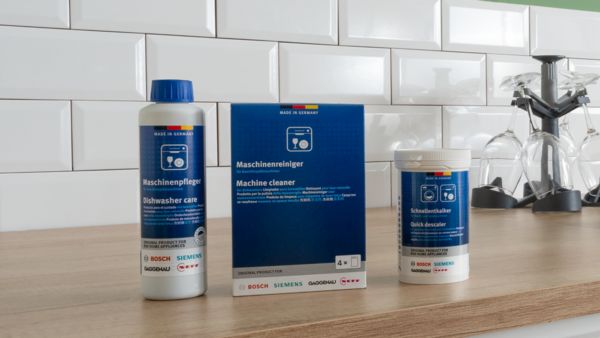
Credit: www.bosch-home.com.sg
Preparing Your Dishwasher
Preparing your Bosch dishwasher before cleaning is crucial to ensure every part gets the attention it needs. Skipping these initial steps can leave dirt and grime behind, reducing your dishwasher’s efficiency. Let’s break down what you need to do to get your dishwasher ready for a thorough clean.
Empty The Dishwasher
Start by removing all dishes, utensils, and racks from your dishwasher. This gives you full access to the interior and prevents any damage to your items. It also allows you to spot any stuck-on food or debris that could clog the system.
Remove And Clean Filters
Next, locate the filters at the bottom of the dishwasher. These filters trap food particles and need regular cleaning to avoid bad odors and poor washing results. Gently take them out and rinse under running water. If you notice stubborn residue, use a soft brush to scrub it off without damaging the mesh.
Check Spray Arms
Spray arms play a key role in washing your dishes properly. Check them for clogs or buildup by removing them and inspecting the holes. Use a toothpick or small brush to clear any blockages. This simple check ensures water sprays evenly and your dishwasher works like new.
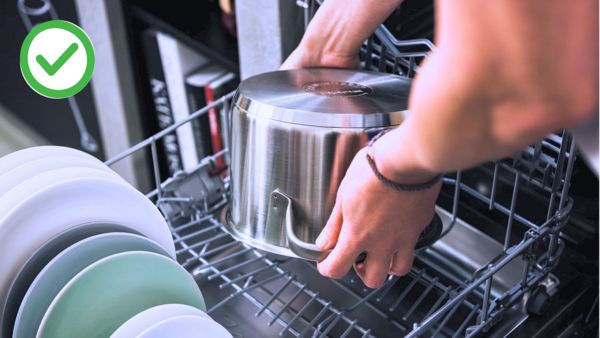
Credit: www.bosch-home.com.sg
Cleaning The Interior
Cleaning the interior of your Bosch dishwasher is key to keeping it running smoothly and your dishes sparkling clean. Over time, food particles and detergent residue can build up inside, affecting performance and causing unpleasant odors. Paying attention to specific areas inside the dishwasher helps you maintain its efficiency and extend its lifespan.
Wipe Down Door Seals
The door seals often trap moisture and food debris, which can lead to mold or mildew. Use a soft cloth dampened with warm, soapy water to gently wipe around the seals. Make sure to reach every corner and fold to remove hidden grime that you might not notice at first glance.
If you spot any stubborn residue, a toothbrush works well to clean those tight spots without damaging the seal. Keeping this area clean prevents leaks and keeps your dishwasher smelling fresh.
Clean The Detergent Dispenser
The detergent dispenser can get clogged with leftover detergent or rinse aid, which stops it from opening properly during a cycle. Open the dispenser and remove any visible residue using a damp cloth or sponge. Avoid using harsh chemicals that might damage the dispenser’s mechanism.
Pay attention to the small hinge and latch areas where buildup can occur. If your dispenser doesn’t open fully, your dishwasher won’t clean effectively—have you noticed your dishes coming out less clean lately?
Run A Cleaning Cycle
Running a cleaning cycle helps flush out hard-to-reach places inside the dishwasher. Bosch dishwashers often have a dedicated cleaning program—check your manual to find it. If your model doesn’t, you can run a hot water cycle with a dishwasher cleaner or a cup of white vinegar placed on the top rack.
This process breaks down grease, mineral deposits, and odors. After the cycle, take a moment to inspect the interior for any remaining spots and wipe them down if needed. How long has it been since you last ran a cleaning cycle? This simple step can make a big difference in your dishwasher’s performance.
Using Vinegar And Baking Soda
Cleaning a Bosch dishwasher with vinegar and baking soda keeps it fresh and running well. These two common household items remove buildup and odors without harsh chemicals. They work naturally to clear away grease and grime inside the machine.
Using vinegar and baking soda is simple and effective. The process helps maintain the dishwasher’s performance and extends its life. It also improves the smell, leaving your dishwasher clean and ready for the next load.
Add Vinegar For Deep Cleaning
Pour one cup of white vinegar into a dishwasher-safe container. Place the container on the top rack of your empty Bosch dishwasher. Run a hot water cycle to let vinegar wash away mineral deposits and soap scum.
Vinegar breaks down grease and dissolves residue inside the dishwasher. It helps clean spray arms and nozzles, improving water flow. This step refreshes the interior and removes stuck-on grime.
Sprinkle Baking Soda For Freshness
After the vinegar cycle, sprinkle one cup of baking soda on the bottom of the dishwasher. Run a short hot water cycle without detergent. Baking soda neutralizes odors and brightens the dishwasher’s interior.
This step leaves a fresh scent and removes any remaining stains. Baking soda also helps prevent future buildup. Your Bosch dishwasher will smell clean and look better after this treatment.
Maintaining The Exterior
Maintaining the exterior of your Bosch dishwasher keeps it looking clean and fresh. Regular care prevents dirt build-up and fingerprints. A neat exterior also helps the appliance last longer.
Wipe Control Panel And Door
Use a soft, damp cloth to clean the control panel. Avoid harsh chemicals that can damage buttons or display. Gently wipe the door surface to remove dust and smudges. Dry with a microfiber cloth to prevent streaks.
Polish Stainless Steel Surfaces
Apply a small amount of stainless steel cleaner or a mix of water and vinegar. Use a soft cloth to polish the surface in the direction of the grain. This reduces fingerprints and restores shine. Avoid abrasive materials that can scratch the finish.
Troubleshooting Common Issues
Facing issues with your Bosch dishwasher can be frustrating, especially when you rely on it daily. Troubleshooting common problems like odors, residue, and drainage can save you time and avoid costly repairs. Let’s dive into practical ways to tackle these problems and keep your dishwasher running smoothly.
Fixing Odors
Bad smells often mean food particles are trapped inside your dishwasher. Start by checking the filter and removing any stuck debris. You can clean the filter with warm, soapy water to eliminate odor-causing buildup.
Next, wipe down the door seals and spray arms. These areas often collect grime and mold, which contribute to unpleasant smells.
Try running a hot cycle with a cup of white vinegar placed on the top rack. Vinegar helps break down grease and neutralizes odors without harsh chemicals. Have you noticed a difference after this simple trick?
Dealing With Residue
Residue on your dishes usually means there’s a problem with detergent use or water temperature. Check if you’re using the correct amount and type of detergent recommended for your Bosch model.
Inspect spray arms for clogs and clean them if necessary. Blocked spray arms prevent water from reaching all dishes, leaving residue behind.
Hard water can also cause spotting and film. Adding a rinse aid or installing a water softener can improve cleaning results significantly. Have you tried adjusting these factors before?
Improving Drainage
Poor drainage can cause standing water at the bottom of your dishwasher and lead to bad smells. First, check the drain hose for kinks or blockages and straighten or clear it as needed.
Clean the drain pump area by removing any debris that might be blocking water flow. This step often resolves slow draining issues.
If your dishwasher still drains slowly, inspect the air gap (if installed) on your sink for clogs. Keeping these parts clear helps your Bosch dishwasher work efficiently and prevents water backup. When was the last time you checked these components?

Credit: www.youtube.com
Tips For Regular Maintenance
Keeping your Bosch dishwasher in top shape requires more than just loading and running it. Regular maintenance helps your machine work efficiently and extends its lifespan. Here are practical tips to keep your dishwasher clean and running smoothly.
Monthly Cleaning Routine
Set aside time each month to give your dishwasher a thorough cleaning. Start by removing the filter and rinsing it under warm water to clear trapped food particles. Next, wipe down the door seals and edges with a damp cloth to prevent mold buildup.
Run an empty cycle with a dishwasher cleaner or a cup of white vinegar placed on the top rack. This helps dissolve grease and mineral deposits. Do you notice any lingering odors? Regular cleaning can keep your machine smelling fresh and prevent unpleasant surprises.
Using The Right Detergent
Choosing the correct detergent is crucial for your Bosch dishwasher’s performance. Use detergents specifically designed for dishwashers, as regular dish soap creates excess suds that can damage your appliance. Look for phosphate-free options to protect your environment and your machine.
Pay attention to the detergent quantity. Adding too much won’t get your dishes cleaner and might leave residue. Too little can result in spots and film. How often do you check your detergent’s effectiveness? Adjusting the amount based on your water hardness can make a noticeable difference.
Avoiding Common Mistakes
Many dishwasher issues come from simple mistakes you can easily avoid. Don’t overload the racks; overcrowding blocks water flow and reduces cleaning power. Make sure dishes don’t block the spray arms, which need to spin freely.
Also, avoid rinsing dishes excessively before loading. Bosch dishwashers are designed to handle food residue, and rinsing wastes water. Have you ever paused to think about how your loading habits affect the results? Small changes can save you time and energy.
Frequently Asked Questions
How Often Should I Clean My Bosch Dishwasher?
You should clean your Bosch dishwasher every month to maintain efficiency. Regular cleaning prevents buildup of food debris and odors. It ensures optimal performance and extends the appliance’s lifespan.
What Is The Best Way To Clean Bosch Dishwasher Filters?
Remove the filters and rinse them under warm water. Use a soft brush to remove stuck debris gently. Clean filters improve water flow and dishwashing results.
Can I Use Vinegar To Clean My Bosch Dishwasher?
Yes, white vinegar is effective for cleaning your Bosch dishwasher. Run a cycle with a cup of vinegar placed in the bottom rack. It removes grease, odors, and mineral deposits safely.
How Do I Clean The Spray Arms In My Bosch Dishwasher?
Remove the spray arms and rinse them under running water. Use a toothpick to clear any clogged holes. Clean spray arms ensure proper water distribution for thorough cleaning.
Conclusion
Cleaning your Bosch dishwasher keeps it running well and lasts longer. Regular care stops bad smells and clogs from building up. Use simple steps like wiping filters and running cleaning cycles. This helps your dishes come out clean every time.
A clean dishwasher saves energy and water too. Small efforts now prevent big problems later. Keep your Bosch dishwasher fresh with easy, regular cleaning. Your kitchen will feel cleaner and work smoother. Try these tips often for the best results.