Are you ready to tackle your next home project but unsure how to cut Hardie board without making costly mistakes? Cutting this tough, fiber cement siding can seem tricky, but with the right tools and techniques, you can get clean, precise cuts every time.
In this guide, you’ll discover simple steps that save you time and effort while keeping your workspace safe. Keep reading to learn exactly how to handle your Hardie board like a pro and make your project look flawless from start to finish.
Tools For Cutting Hardie Board
Cutting Hardie board requires the right tools to make clean, accurate cuts. Using proper equipment helps you work faster and safer.
Different tools suit different types of cuts. You can use power tools for large jobs or hand tools for small cuts.
Essential Power Tools
Power tools make cutting Hardie board easier and quicker. They help you cut straight lines and curves with less effort.
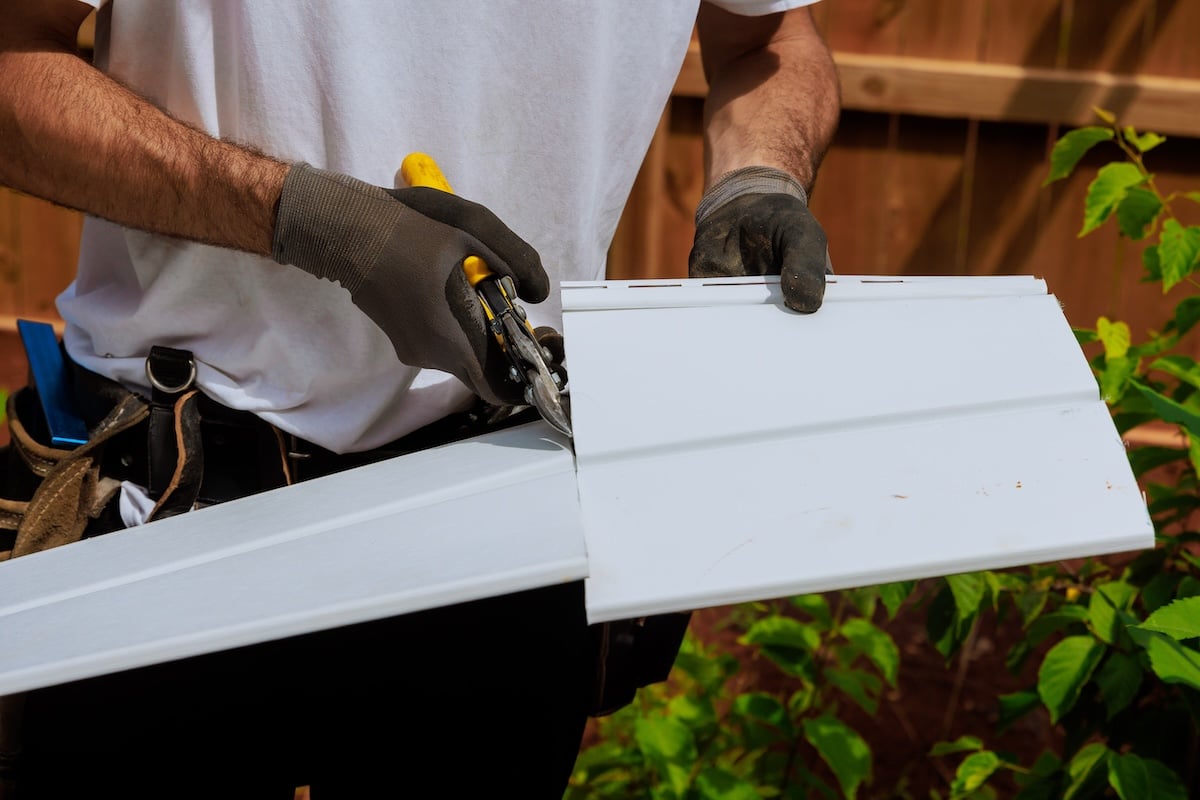
The most common power tools for cutting Hardie board include saws with diamond or carbide blades.
- Circular saw with a diamond blade for straight cuts
- Jigsaw with carbide-grit blades for curves and detailed cuts
- Oscillating multi-tool for small cuts and trimming
- Angle grinder with diamond blade for quick cuts
Hand Tools Options
Hand tools can work well for small or simple cuts on Hardie board. They are quiet and easy to control.
Using the right hand tools helps reduce dust and noise compared to power tools.
- Utility knife to score and snap thin Hardie board
- Hand saw with carbide teeth for straight cuts
- Fiber cement scoring tool to make clean snaps
Safety Gear To Use
Cutting Hardie board produces dust that can harm your lungs and eyes. Always wear safety gear to protect yourself.
Good safety gear keeps you safe and comfortable during cutting tasks.
- Respirator mask rated for silica dust
- Safety goggles or glasses
- Heavy-duty gloves to protect hands
- Hearing protection when using power tools
- Long sleeves and pants to avoid skin contact
Credit: bestexteriorsinc.com
Preparing Hardie Board For Cutting
Cutting Hardie board needs careful preparation. Proper steps help you get clean, accurate cuts.
Preparing the board well saves time and reduces mistakes during cutting.
Measuring And Marking
Start by measuring the Hardie board with a tape measure. Measure twice to avoid errors.
Use a pencil or chalk to mark the cutting line clearly. Make sure marks are straight and visible.
- Use a straight edge or ruler for accuracy
- Mark both sides if the board is thick
- Double-check measurements before cutting
Setting Up A Stable Workspace
Prepare a flat, stable surface to place the Hardie board on. Stability helps make clean cuts.
Use saw horses or a sturdy workbench. Secure the board with clamps to stop movement.
- Ensure the workspace is clear and well-lit
- Check that clamps hold the board firmly
- Keep tools and safety gear nearby
Cutting Techniques For Clean Edges
Cutting Hardie board cleanly is important for a neat finish. Using the right tools and methods helps get smooth edges. This guide explains easy ways to cut Hardie board.
Each technique works best for different shapes and cuts. Read below to find the best way for your project.
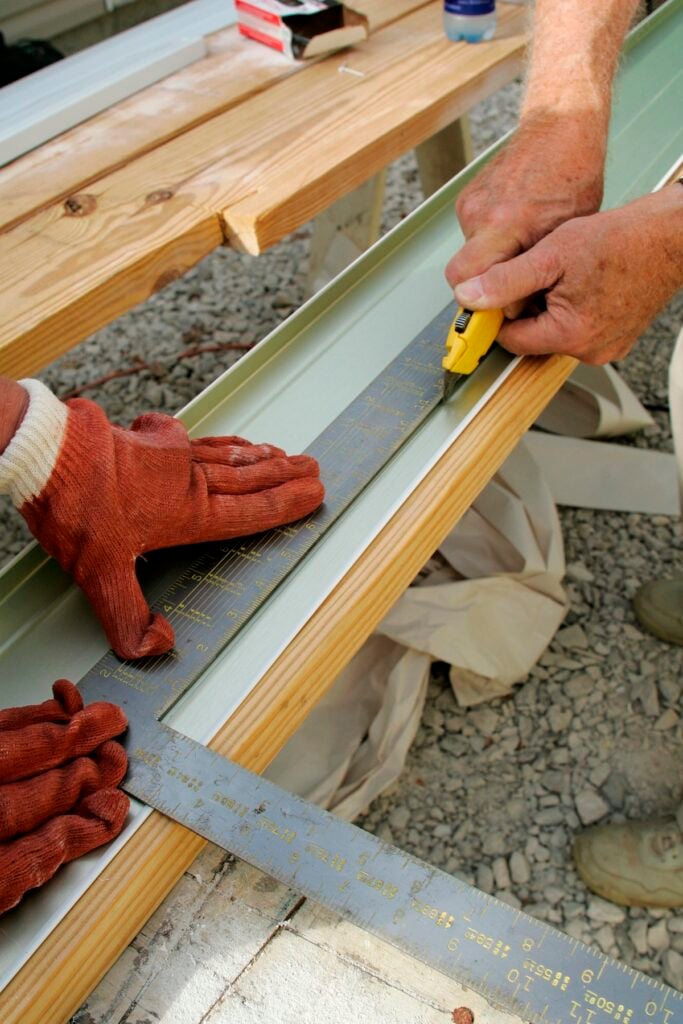
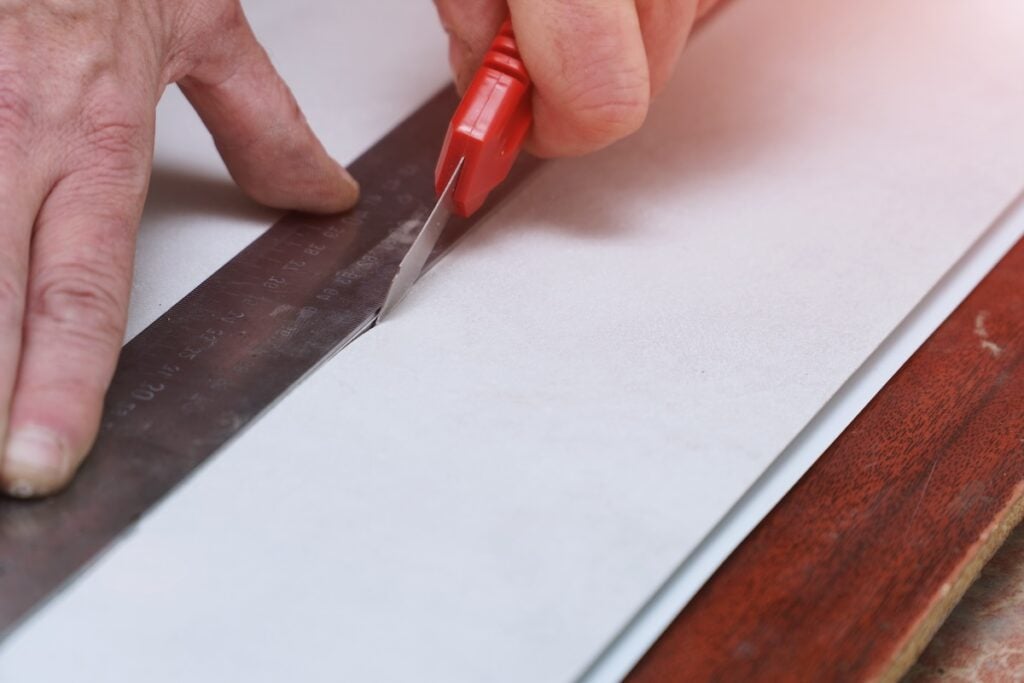
Scoring And Snap Method
This method works well for straight cuts on thin Hardie board sheets. It is simple and needs only a utility knife and a straight edge.
Score the board deeply along a straight line using the knife. Then, snap the board downwards to break it cleanly along the score.
- Place the board on a flat surface.
- Use a straight edge to guide the knife.
- Make several passes with the utility knife to score deeply.
- Lift the board and snap it downward.
- Smooth edges with sandpaper if needed.
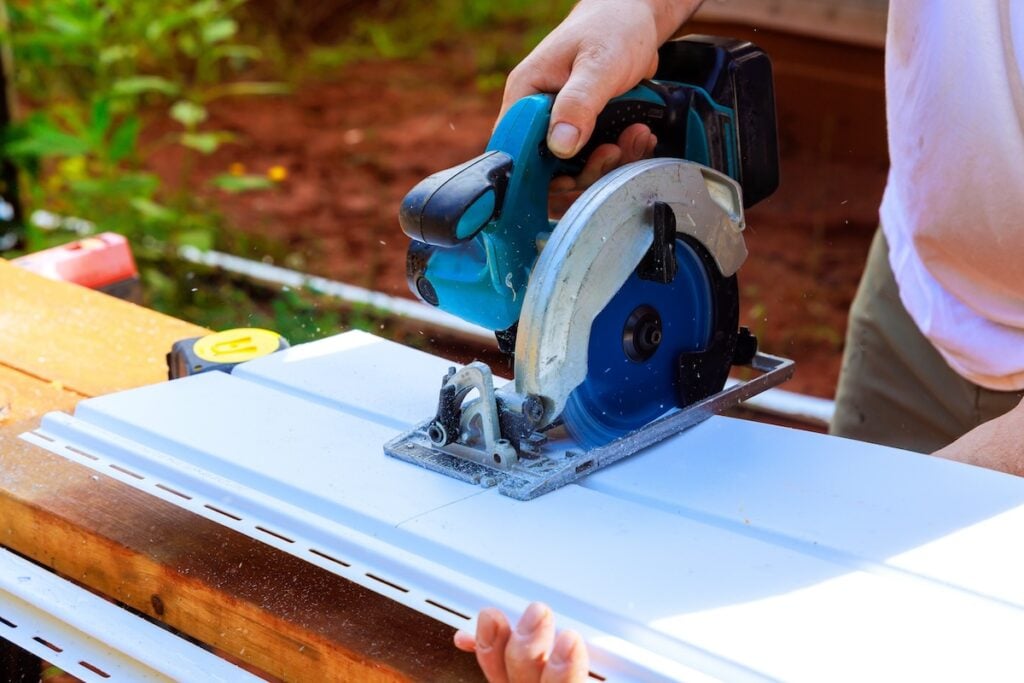
Using A Circular Saw
A circular saw gives fast, straight cuts on thicker Hardie board. Use a blade made for cement board for best results.
Set the saw depth to just pass through the board. Cut slowly and steadily to avoid chipping the edges.
- Wear safety gear like goggles and a mask.
- Clamp the board to keep it still.
- Mark your cut line clearly.
- Use a diamond or carbide blade.
- Cut along the line at a steady speed.
Using A Jigsaw For Curves
A jigsaw is best for curved or irregular cuts on Hardie board. Use a fine-toothed blade designed for cement board.
Cut slowly and follow the marked line carefully. Support the board well to keep it steady during cutting.
- Draw your curved cutting line on the board.
- Secure the board on a stable surface.
- Choose a jigsaw blade for cement or tile.
- Start cutting and guide the jigsaw along the line.
- Keep the board supported to avoid breaks.
Credit: bestexteriorsinc.com
Handling Dust And Debris
Cutting Hardie board creates a lot of dust and debris. This dust can be harmful if inhaled. It also makes a big mess in your work area.
It is important to control the dust and clean up properly. This helps keep you safe and your workspace tidy.
Dust Control Tips
Use these tips to reduce dust when cutting Hardie board:
- Wear a dust mask or respirator rated for silica dust.
- Cut the board outside or in a well-ventilated area.
- Use a saw with a dust collection attachment if available.
- Wet the board slightly before cutting to keep dust down.
- Keep children and pets away from the cutting area.
Proper Cleanup Methods
After cutting, clean the area to remove dust and debris safely. Use these methods:
| Cleanup Method | How to Do It |
|---|---|
| Vacuum | Use a vacuum with a HEPA filter to pick up dust. |
| Wet Wipe | Use damp cloths to wipe surfaces and tools. |
| Dispose | Put dust and debris in sealed bags before trashing. |
| Change Clothes | Remove dusty clothes to avoid spreading dust. |
Finishing Touches After Cutting
After cutting Hardie board, some finishing touches help improve durability and appearance. Taking time to smooth and protect the edges extends the life of your project.
Two key steps include sanding rough edges and sealing the cut surfaces properly. These steps prevent damage and help the board blend well with other materials.
Sanding Rough Edges
Cut edges of Hardie board often feel rough or sharp. Sanding them makes the edges safer and cleaner. Use medium-grit sandpaper for best results.
- Wear a dust mask and goggles before sanding.
- Use 80 to 100 grit sandpaper for initial smoothing.
- Sand along the edge to remove splinters and rough spots.
- Finish with finer grit, like 120, for a smooth surface.
- Clean dust off the board with a soft brush or cloth.
Sealing Cut Surfaces
Sealing the cut edges protects the board from moisture and damage. Use a high-quality acrylic latex caulk or a primer made for fiber cement.
| Sealing Material | Purpose | Application Tip |
| Acrylic Latex Caulk | Water resistance | Apply with caulking gun, smooth with finger |
| Fiber Cement Primer | Surface protection | Use brush or roller, cover all edges |
| Exterior Paint | Final finish | Apply after primer dries completely |
Common Mistakes To Avoid
Cutting Hardie board needs care and the right tools. Many people make mistakes that cause damage or waste material.
Knowing common mistakes helps you avoid them and get better results with your cuts.
Incorrect Tool Choices
Using the wrong tool can ruin the Hardie board or make the cut unsafe. Some tools create rough edges or dust that is hard to control.
Choose tools designed for fiber cement boards, like a carbide-tipped blade or score-and-snap tools.
- Never use dull blades; they cause chipping.
- Avoid standard wood saws; they wear out quickly.
- Use a dust mask with power saws to protect lungs.
Poor Measurement Practices
Incorrect measuring leads to wasted board and bad fits. Many people rush this step or measure only once.
Measure twice and mark clearly before cutting. Check your marks from different angles to avoid mistakes.
- Use a reliable tape measure with clear numbers.
- Mark the cutting line with a pencil or chalk.
- Double-check measurements before cutting.
Ignoring Safety Precautions
Cutting Hardie board creates dust that can harm your lungs. Not wearing safety gear is a big risk.
Always wear a dust mask, safety glasses, and gloves. Work in a well-ventilated area to reduce dust buildup.
- Wear a NIOSH-approved respirator mask.
- Use safety goggles to protect your eyes.
- Wear gloves to avoid cuts and splinters.
- Keep your work area clean to reduce slipping hazards.
Credit: bestexteriorsinc.com
Frequently Asked Questions
What Tools Do I Need To Cut Hardie Board?
To cut Hardie Board, you’ll need a circular saw with a carbide-tipped blade or a specialized fiber cement saw. Additionally, safety goggles, a dust mask, and a measuring tape are essential. For smaller cuts, you can use a utility knife or scoring tool.
Ensure all tools are in good condition.
Can I Use A Regular Saw For Hardie Board?
Using a regular saw is not recommended. Hardie Board is a fiber cement product, which can quickly dull standard blades. Instead, use a circular saw with a carbide-tipped blade. Specialized fiber cement saws are also suitable. Always prioritize safety by wearing protective gear to prevent inhalation of dust.
How Do I Make Straight Cuts On Hardie Board?
To make straight cuts, first mark your cutting line with a pencil. Use a straightedge as a guide, and cut slowly with a circular saw equipped with a carbide-tipped blade. Ensure the board is securely supported during cutting. For precision, double-check your measurements before making any cuts.
Is It Safe To Cut Hardie Board Indoors?
Cutting Hardie Board indoors is not recommended due to dust. Fiber cement dust can be harmful if inhaled. Always cut in a well-ventilated area, preferably outdoors. If indoors, use a HEPA filter-equipped vacuum to manage dust. Always wear a dust mask and safety goggles for protection.
Conclusion
Cutting Hardie board is easier with the right tools and steps. Measure carefully to avoid mistakes. Use a saw with a carbide blade for clean cuts. Always wear safety gear to protect your eyes and lungs. Take your time and work slowly for best results.
With practice, cutting Hardie board becomes less stressful. You can complete your project with confidence and accuracy. Remember, patience and safety go hand in hand. Keep these tips in mind for a smooth cutting experience.