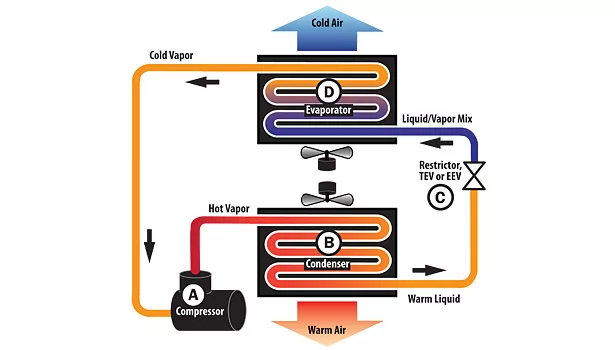
Is your air conditioner covered in ice, leaving you wondering what to do next? You’re not alone, and the good news is that defrosting your AC doesn’t have to be complicated or costly.
If you act quickly and follow the right steps, you can get your unit back to cooling your space efficiently. Keep reading to discover simple, effective ways to defrost your air conditioner and prevent future ice build-up. Your comfort depends on it!
Signs Your Ac Is Frozen
Your air conditioner may freeze during hot weather. This causes the unit to stop cooling properly.
Knowing the signs of a frozen AC helps you fix it early. It saves you from bigger problems.
Common Symptoms
Frozen AC units show clear signs. You can spot them without special tools.
- Ice forms on the outdoor or indoor coils
- Airflow from vents feels weak or cold
- Unit makes unusual noises like gurgling or hissing
- Cool air stops coming even when AC is on
- Higher energy bills without more cooling
These signs mean your AC needs attention fast. Ignoring them can cause damage.
Causes Of Freezing
Several reasons make your air conditioner freeze. Knowing these helps you avoid the problem.
- Low refrigerant levels reduce cooling power and cause ice build-up
- Dirty air filters block airflow and cause coils to freeze
- Blocked or closed vents limit air circulation
- Faulty blower fan fails to move air over the coils
- Thermostat set too low for long periods
- Leaking ducts let warm air mix with cool air
Regular maintenance and cleaning prevent freezing. Check these causes if your AC freezes.

Credit: fireandairaz.com
Safety Precautions Before Defrosting
Defrosting your air conditioner is important when ice builds up. It helps the unit work better and last longer.
Before you start defrosting, follow safety steps. This keeps you and the machine safe from harm.
Power Off The Unit
Always turn off your air conditioner before defrosting. This stops electricity from running through the unit.
Unplugging or switching off the power helps avoid electric shocks and damage to the system.
Gather Necessary Tools
Have the right tools ready before you start. This makes the process safer and easier.
- Towels to catch melting water
- A plastic scraper to remove ice
- A bucket to hold water
- Gloves to protect your hands
Step-by-step Defrosting Process
Ice can build up on your air conditioner and reduce its cooling power. Defrosting your AC helps it work better and last longer. Follow these simple steps to remove ice safely.
Take care during the defrosting process to avoid damaging the unit. Use gentle methods and clean parts to keep your air conditioner running smoothly.
Turn Off The Ac And Fan
First, switch off both the air conditioner and the fan. This stops the cooling cycle and prevents more ice from forming while you work. Unplug the unit if possible for safety.
Remove Ice Build-up
Use a plastic spatula or your hands to gently remove large chunks of ice. Do not use sharp tools that can damage the coils. Let smaller ice melt naturally or with warm water.
- Turn off the unit and unplug it.
- Remove loose ice by hand or with a plastic tool.
- Place towels to catch water from melting ice.
- Wait for remaining ice to melt before restarting.
Use Warm Water Or A Hair Dryer
Apply warm water on the icy areas to speed up melting. Use a cloth soaked in warm water and gently wipe the ice. Alternatively, a hair dryer on low heat can help melt ice safely.
| Method | Instructions | Precautions |
|---|---|---|
| Warm Water | Use a warm wet cloth on ice patches. | Avoid soaking electrical parts. |
| Hair Dryer | Blow warm air on ice at low heat. | Keep dryer moving; do not overheat coils. |
Check And Clean Air Filters
Dirty filters can cause ice build-up. Remove the filters and inspect them. Clean the filters with water and mild soap. Let them dry fully before reinstalling to improve airflow.
Preventing Future Freezing
Ice buildup on your air conditioner can cause poor cooling and damage. Preventing freezing helps your unit work well longer.
Use simple care steps to keep your air conditioner free from ice and running smoothly.
Regular Maintenance Tips
Clean or replace air filters every one to three months. Dirty filters block airflow and cause freezing.
- Check and clean evaporator and condenser coils yearly.
- Remove leaves and debris around the outdoor unit.
- Inspect refrigerant levels and fix leaks promptly.
- Schedule professional tune-ups once a year.
Proper Thermostat Settings
Set your thermostat to a comfortable temperature without making it too cold. Very low settings can cause freezing.
| Thermostat Setting | Effect |
| Too Low (below 68°F) | Risk of ice buildup |
| Ideal Range (68°F–75°F) | Good cooling, less freezing |
| Too High (above 75°F) | Less cooling, more energy use |
Improving Airflow Around The Unit
Clear space near your air conditioner to let air move freely. Blocked airflow causes the unit to freeze.
- Keep at least two feet of clearance around outdoor units.
- Trim plants and bushes away from vents.
- Do not cover or block air vents inside your home.
- Ensure fans and registers are open and clean.
When To Call A Professional
Defrosting your air conditioner can be done at home in many cases. Yet, some problems need expert care. Knowing when to get help saves time and prevents damage.
Read on to learn about signs of serious issues and why professional help is important.
Signs Of Serious Issues
Ice buildup can mean small or big problems. Watch for these signs that show you need a professional:
- Ice returns quickly after defrosting
- Air conditioner blows warm air
- Water leaks inside your home
- Unusual noises from the unit
- Frequent cycling on and off
- Higher energy bills without reason
Benefits Of Professional Help
A trained technician can find the root cause and fix it right. Here are some key benefits of calling a pro:
| Benefit | Description |
| Proper Diagnosis | Experts detect hidden issues quickly |
| Safe Repairs | Technicians handle refrigerants and wiring safely |
| Save Money | Prevent costly damage by fixing problems early |
| Longer AC Life | Professional care extends unit lifespan |
| Peace of Mind | Trust in quality work and warranties |

Credit: www.dreamden.ai
Credit: wheatandsons.com
Frequently Asked Questions
What Causes An Air Conditioner To Freeze?
An air conditioner can freeze due to low refrigerant levels or restricted airflow. Dirty filters or blocked vents can also lead to freezing. Regular maintenance and cleaning can prevent this issue. Ensure proper airflow and check refrigerant levels to avoid freezing problems.
How Can I Quickly Defrost My Air Conditioner?
To defrost, turn off your air conditioner and switch to fan mode. This allows the ice to melt naturally. It usually takes a few hours. Ensure good airflow by cleaning filters and removing obstructions. Regular maintenance helps prevent future freezing.
Is It Safe To Use Hot Water For Defrosting?
Using hot water to defrost is not recommended. It can cause thermal shock and damage components. Instead, turn off the unit and use fan mode. Let the ice melt naturally. Regularly clean the unit to prevent freezing.
How Often Should I Check My Air Conditioner?
Check your air conditioner every month, especially during peak usage. Clean or replace filters as needed. Regular inspections can help identify issues early. Proper maintenance ensures efficient operation and prevents freezing problems. Schedule professional servicing annually for optimal performance.
Conclusion
Defrosting your air conditioner keeps it working well and saves energy. Turn off the unit and let the ice melt naturally. Avoid using sharp tools to remove ice; it can cause damage. Regular cleaning of filters and coils helps prevent freezing.
Watch for signs like weak airflow or strange noises. Taking care of your AC improves comfort and lowers repair costs. Stay patient and gentle with your device. Your cool home depends on it.