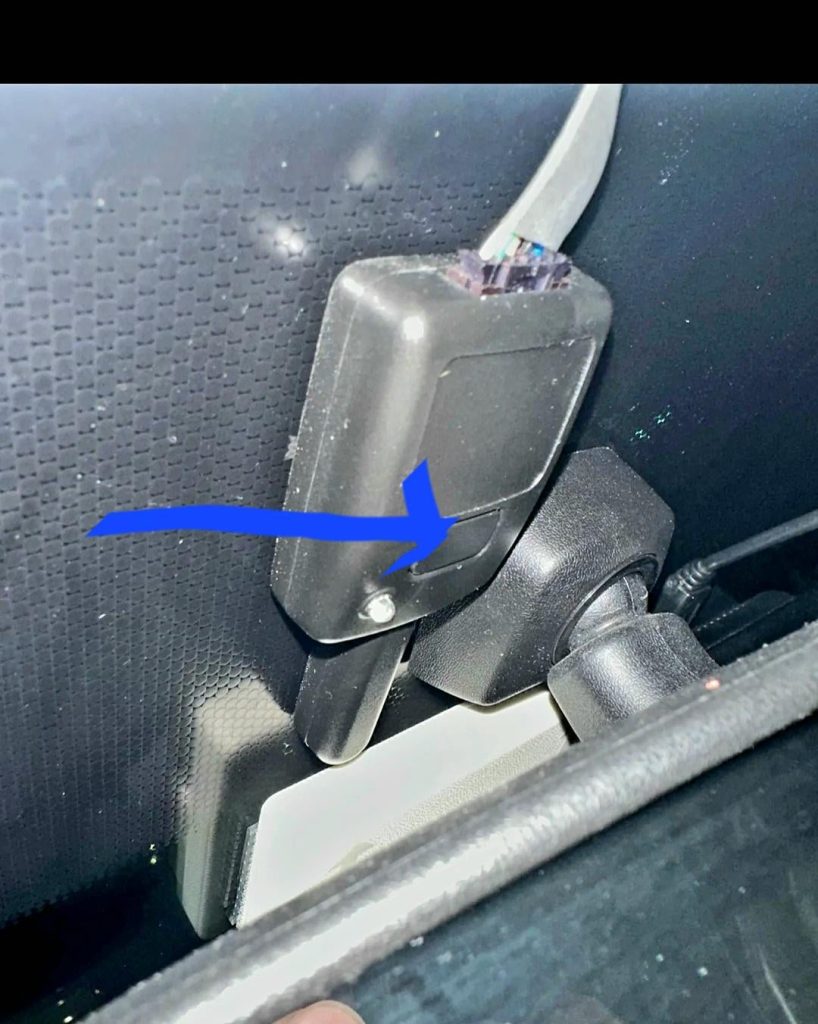
Is your car alarm blaring at the worst possible moment? You’re not alone.
Knowing how to quickly and safely disarm your car alarm can save you from frustration, embarrassment, and even angry neighbors. Whether it’s a false alarm or you’ve accidentally triggered it yourself, this guide will show you simple steps to regain control fast.
Keep reading to learn exactly what you need to do to silence that noisy alarm and get back on track.
Credit: www.maseratilife.com
Common Car Alarm Types
Car alarms help protect your vehicle from theft or damage. Different alarms work in different ways. Knowing the types helps you disarm them correctly.
This guide explains three common types of car alarms. Each type has unique features and disarming methods.
Factory Installed Alarms
Factory installed alarms come with the car when you buy it. They are built into the vehicle’s electrical system. These alarms often include the key fob or car key to disarm.
To disarm, use the car key or remote to unlock the doors. Some cars turn off the alarm when the ignition is turned on. Others stop the alarm when the correct key fob is near.
Aftermarket Alarm Systems
Aftermarket alarms are added after buying the car. They can have more features than factory alarms. Some use remote controls or smartphone apps to control the alarm.
Disarming these alarms usually needs the remote or a special code. If the remote battery dies, the alarm may need a manual reset from inside the car.
- Use the remote control to disarm
- Enter a code if required
- Check the manual for reset instructions
Keyless Entry Alarms
Keyless entry alarms use smart keys or key fobs. They unlock the car and disarm the alarm without pressing buttons. The car senses the key’s signal nearby.
To disarm, have the smart key with you. Open the door or press the unlock button on the handle. The alarm turns off automatically when the car detects the key.

Credit: www.reddit.com
Quick Ways To Disarm
Car alarms can be loud and annoying. Knowing how to stop them fast helps you avoid trouble. This guide shows easy ways to disarm your car alarm safely.
Try these simple methods before calling for help. Each way works for different car models and situations.
Using The Key Fob
The key fob is the remote control for your car. It can arm or disarm the alarm from a distance.
- Press the unlock button once to stop the alarm.
- If the alarm keeps ringing, press the lock button, then unlock again.
- Hold the unlock button for a few seconds if your car supports it.
- Replace the key fob battery if it does not respond.
Manual Door Unlock
If the key fob fails, use the physical key to unlock the door. This can stop the alarm on many cars.
| Action | Effect |
|---|---|
| Insert key into driver’s side door | Disables alarm sensor on door |
| Turn key to unlock position | Stops alarm from sounding |
| Open door gently | Prevents alarm from re-triggering |
Ignition Reset
Turning on the ignition can reset some car alarms. Use your car key to try this method.
- Insert the key into the ignition slot.
- Turn the key to the “on” position without starting the engine.
- Wait a few seconds for the alarm to stop.
- Turn the key back to the off position.
- Remove the key and check if the alarm is off.
Troubleshooting Alarm Issues
Car alarms sometimes stop working properly. This can make it hard to disarm your alarm.
Here are common problems and how to fix them. Understanding these helps you solve alarm issues fast.
Dead Key Fob Battery
If your key fob battery is dead, the alarm will not respond. The car won’t recognize the signal to disarm.
- Replace the battery with a new one matching the model.
- Test the key fob after battery change to ensure it works.
- Keep spare batteries in your car for emergencies.
Wiring Problems
Loose or damaged wires can stop the alarm system from working. This can cause false alarms or no response.
| Symptom | Possible Cause | Fix |
| Alarm won’t turn off | Disconnected wire | Check and reconnect wires |
| Alarm triggers randomly | Frayed wiring | Inspect and replace damaged wires |
| Key fob signal not received | Short circuit | Repair wiring harness |
Faulty Sensors
Faulty sensors may send wrong signals to the alarm. This keeps the alarm active or prevents disarming.
Check these common sensors:
- Door sensors
- Shock sensors
- Motion sensors
If a sensor is faulty, clean or replace it. Sensor testing tools can help find the problem.

Credit: www.youtube.com
Advanced Disarming Techniques
Car alarms are designed to keep your vehicle safe. Sometimes, you may need to disarm the alarm quickly. Advanced methods can help you do this without triggering the alarm further.
These techniques include bypassing the alarm system, using the valet switch, and disconnecting the battery. Each method requires care and attention to avoid damage.
Bypassing The Alarm System
Bypassing the alarm system means disabling the alarm sensors or control unit directly. This can stop the alarm from activating when you open the door or start the car.
- Locate the alarm control module under the dashboard.
- Find the wires connecting the sensors to the module.
- Disconnect or cut the sensor wires carefully.
- Use a bypass module if available for your alarm model.
- Test by opening the door to check if the alarm stays silent.
Using The Valet Switch
The valet switch allows you to turn off the alarm temporarily. It is often hidden near the steering column or under the dashboard.
| Location | How to Use |
| Under steering column | Press and hold for 5 seconds to disable alarm. |
| Behind dashboard panel | Flip switch to valet mode to silence alarm. |
| Near fuse box | Turn switch off to disarm alarm temporarily. |
Disconnecting The Battery
Disconnecting the battery cuts all power to the alarm. This method stops the alarm but may reset other car systems.
- Open the car hood and locate the battery.
- Use a wrench to loosen the negative terminal clamp.
- Remove the clamp from the battery post carefully.
- Wait a few minutes to ensure the alarm resets.
- Reconnect the battery terminal securely.
Preventing False Alarms
Car alarms can go off unexpectedly. False alarms cause annoyance and waste battery power.
Preventing false alarms helps keep your car and neighborhood peaceful.
Proper Sensor Calibration
Sensors detect motion and impacts to trigger the alarm. Calibrating them correctly reduces false alarms.
- Adjust sensitivity settings to avoid minor vibrations.
- Test sensors after installation or repair.
- Use professional help if unsure about calibration.
Regular System Maintenance
Keep your alarm system clean and updated. Dirt and damage can cause false triggers.
| Maintenance Task | Frequency | Reason |
| Check battery | Every 6 months | Ensures reliable power supply |
| Clean sensors | Every 3 months | Removes dust that may trigger alarms |
| Inspect wiring | Annually | Prevents short circuits causing false alarms |
Avoiding Triggering Factors
Some conditions can set off alarms by mistake. Being mindful helps avoid these triggers.
- Do not hit or shake the car unnecessarily.
- Park away from loud noises and vibrations.
- Keep windows and doors properly closed.
- Avoid placing heavy objects inside the car that can move.
When To Seek Professional Help
Disarming a car alarm can be easy in some cases. Yet, some situations need expert assistance. Knowing when to call a professional can save time and avoid damage.
This guide covers signs that mean you should get help from a car alarm expert. Learn about complex systems, persistent alarms, and upgrades.
Complex Alarm Systems
Modern cars often have advanced alarm systems. These systems have many parts that work together. Trying to disarm them without knowledge can cause problems.
- If your car alarm has remote start or smartphone control, seek help.
- If the alarm is linked to the car’s computer, do not try to disable it yourself.
- If you notice warning lights on the dashboard related to the alarm, call a professional.
Persistent Alarm Activation
Some alarms keep going off even after trying to turn them off. This can drain your car battery and annoy neighbors. Persistent alarms often mean a deeper issue.
| Cause | Possible Solution | Need for Professional Help |
|---|---|---|
| Faulty sensor | Replace or recalibrate sensor | Yes, for proper diagnosis |
| Wiring problems | Inspect and fix wiring | Yes, to avoid damage |
| Alarm module failure | Repair or replace module | Yes, complex repair |
Security System Upgrades
Upgrading your car’s security system can improve protection. But installing new systems can be tricky. Professionals have the right tools and knowledge.
Reasons to hire a professional for upgrades:
- Correct installation of new alarms or sensors
- Integration with existing car electronics
- Testing and programming remote controls
- Ensuring warranty and system reliability
Frequently Asked Questions
How Can I Quickly Disarm My Car Alarm?
Press your car key fob’s unlock button once to disarm the alarm quickly. This is the most common and effective way to stop the alarm immediately.
What If My Car Alarm Won’t Turn Off?
If the alarm won’t turn off, try locking and unlocking the car with the key. If this fails, disconnect the car battery or consult a professional.
Can I Disarm A Car Alarm Without The Key Fob?
Yes, you can disarm some alarms by inserting the key into the driver’s door and turning it. This action often resets the alarm system manually.
Why Does My Car Alarm Keep Going Off Randomly?
Random alarms often result from faulty sensors or wiring issues. Check the alarm sensors or have a technician inspect the system to prevent false triggers.
Conclusion
Disarming your car alarm can be quick and simple. Keep your remote key handy and follow the steps carefully. Understanding your car’s alarm system helps avoid confusion. Always stay calm and patient during the process. Regularly check your car manual for specific instructions.
Taking these small steps keeps your car safe and quiet. Practice disarming your alarm before emergencies happen. A little knowledge goes a long way in managing car alarms effectively.