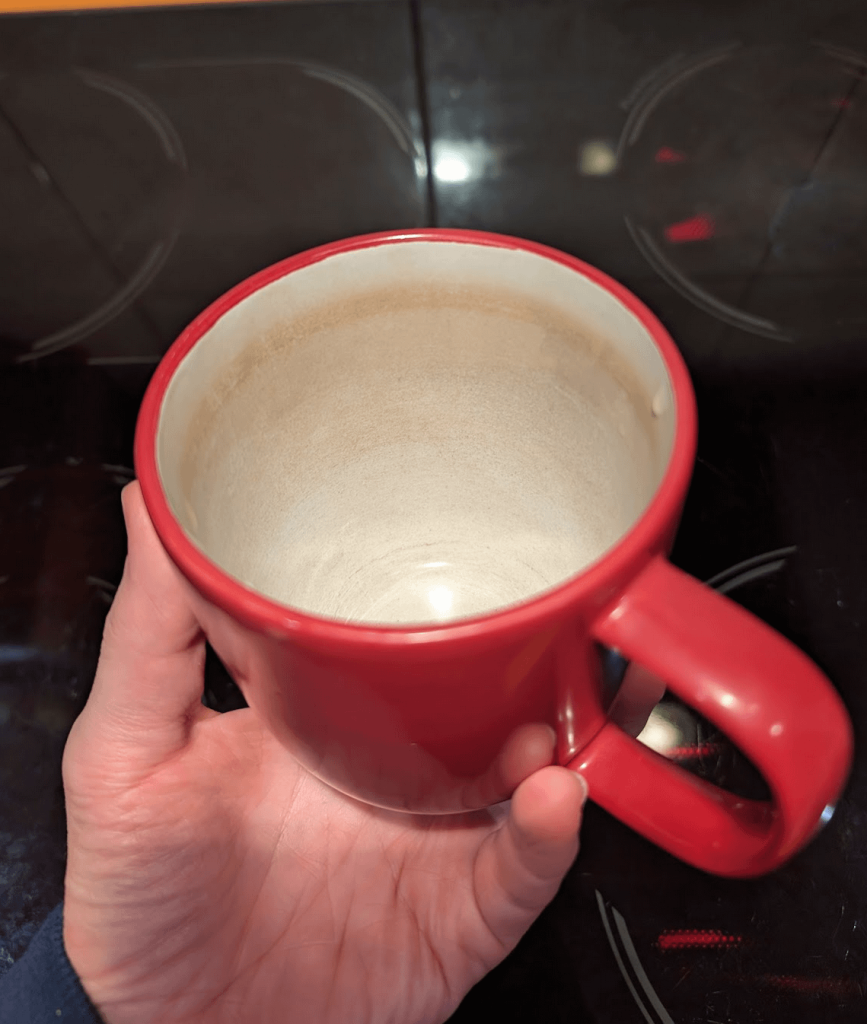
Do you ever notice those stubborn tea stains lurking inside your favorite cups? They can make your mugs look old and uninviting, no matter how carefully you wash them.
But don’t worry—you don’t have to toss them out or scrub endlessly. You’ll discover simple, effective ways to get rid of those tea stains for good. Imagine sipping your tea from a cup that looks as fresh as the day you bought it.
Keep reading, and you’ll learn easy tricks that save you time and keep your cups sparkling clean.
Common Causes Of Tea Stains
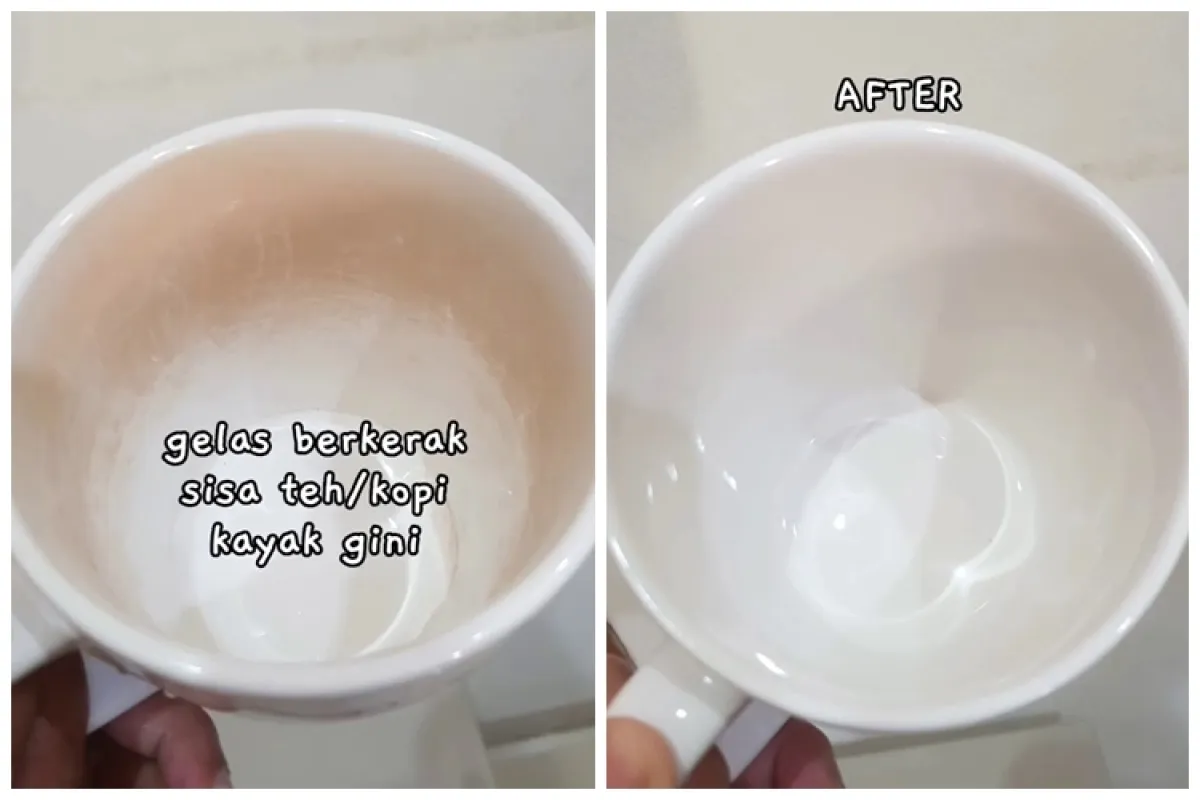
Tea stains appear often on cups after regular use. These stains can be hard to remove if you do not know their causes. Understanding the reasons behind tea stains helps in cleaning cups better.
Tea contains natural compounds that stick to cup surfaces. These compounds build up over time, making stains more visible and tougher to clean.
Tannins In Tea
Tannins are natural substances in tea leaves. They give tea its color and taste. When tea cools in a cup, tannins stick to the cup’s surface. This causes dark brown or yellow stains.
Porous Cup Surfaces
Some cups have rough or porous surfaces. These surfaces absorb tea more easily. Porous cups hold onto stains longer than smooth cups. This makes cleaning harder.
Lack Of Regular Cleaning
If you do not wash cups soon after use, stains form quickly. Dry tea leaves and tannins stick firmly to the cup. This builds up layers of stains over time.
- Leaving tea in the cup for a long time
- Not rinsing the cup immediately after drinking
- Using cold water only for cleaning
Water Hardness
Hard water contains minerals like calcium and magnesium. These minerals mix with tea and create stubborn stains. Hard water also makes soap less effective for cleaning.
| Cause | Effect on Tea Stains |
| Tannins | Stick to cup, form dark stains |
| Porous Surfaces | Absorb tea, hold stains longer |
| Delayed Cleaning | Build up thick stain layers |
| Hard Water | Create mineral-tea stains, reduce soap action |
Credit: en.brilio.net
Household Items For Stain Removal
Tea stains in cups can be tough to clean. Many common household items help remove these stains effectively. Using simple ingredients saves money and avoids harsh chemicals.
Below are easy methods using baking soda, vinegar, and lemon juice. These natural items brighten cups and remove stains safely.
Baking Soda Techniques
Baking soda is a gentle abrasive. It scrubs away tea stains without scratching cups. Mix baking soda with water to form a paste.
- Apply the paste on the stained area.
- Use a soft cloth or sponge to rub the stain.
- Rinse the cup well with warm water.
- Repeat if the stain is still visible.
Vinegar Solutions
White vinegar breaks down tea stains quickly. You can soak or scrub the cup with vinegar to remove marks.
| Method | How to Use |
| Soaking | Fill cup with equal parts vinegar and water. Let sit 15 minutes. |
| Scrubbing | Dip sponge in vinegar. Rub stains gently. |
| Rinsing | Wash cup with soap and water after treatment. |
Lemon Juice Methods
Lemon juice has natural acids that lighten stains. Use lemon with salt for added scrubbing power.
Try this simple lemon method:
- Cut a lemon in half.
- Sprinkle salt on the cut side.
- Rub lemon over the stained cup area.
- Let it sit for 10 minutes.
- Rinse cup with warm water.
Commercial Stain Removers
Tea stains in cups can be hard to remove with normal washing. Commercial stain removers help clean these stains quickly.
These products use special ingredients made to break down tea stains. They work better than soap alone.
Powdered Stain Removers
Powdered stain removers come in jars or packets. You add a small amount to water and soak the cup.
The powder helps lift tea stains by softening the dried residue. Soaking time is usually 10 to 30 minutes.
- Use warm water for better results
- Rinse the cup well after soaking
- Repeat if stains remain
Liquid Stain Removers
Liquid stain removers are easy to use. You can apply them directly to the stain or mix with water.
They often contain enzymes that break down tea stains fast. Let the liquid sit for a few minutes before rinsing.
- Apply with a cloth or sponge
- Wear gloves to protect skin
- Rinse thoroughly after use
Stain Removing Wipes
Stain removing wipes are ready to use. They are handy for quick cleaning of tea stains on cups.
Wipes contain cleaning agents that soften and remove stains with light scrubbing. They work well for fresh stains.
- Use gentle pressure to avoid scratching
- Dispose of wipes after use
- Not for heavy or old stains
Gel Stain Removers
Gel stain removers stick to the cup surface. They stay longer on tough tea stains to break them down.
Gels work well for vertical surfaces inside cups. Apply the gel, wait as directed, then rinse or scrub.
- Apply a thick layer of gel
- Allow time for stain removal
- Use a soft brush for scrubbing
Step-by-step Cleaning Process
Tea stains in cups can be stubborn and hard to remove. Following a clear cleaning process helps restore your cups to their clean, bright state.
This guide shows you the steps to get rid of tea stains using simple tools and cleaners.
Preparing The Cup
Start by emptying the cup and rinsing it with warm water. This removes loose tea leaves and residue. Check the cup for any cracks or damage before cleaning.
Applying The Cleaner
- Choose a cleaning agent like baking soda, vinegar, or lemon juice.
- Sprinkle baking soda inside the cup or pour vinegar or lemon juice to cover the stained areas.
- Let the cleaner sit for 10 to 15 minutes to break down the stains.
- Use a soft brush or sponge to scrub the cup gently, focusing on stained spots.
Rinsing And Drying
| Step | Action |
|---|---|
| 1 | Rinse the cup thoroughly with warm water to remove all cleaner residue. |
| 2 | Check if the stains are gone. Repeat cleaning if needed. |
| 3 | Dry the cup with a clean towel or let it air dry upside down. |
Preventing Future Tea Stains
Tea stains can make your cups look old and dirty. Stains build up if you do not clean your cups well. Taking simple steps helps keep your cups bright and fresh.
Here are ways to stop tea stains from forming again. These tips focus on good cleaning and protecting your cups.
Regular Cleaning Habits
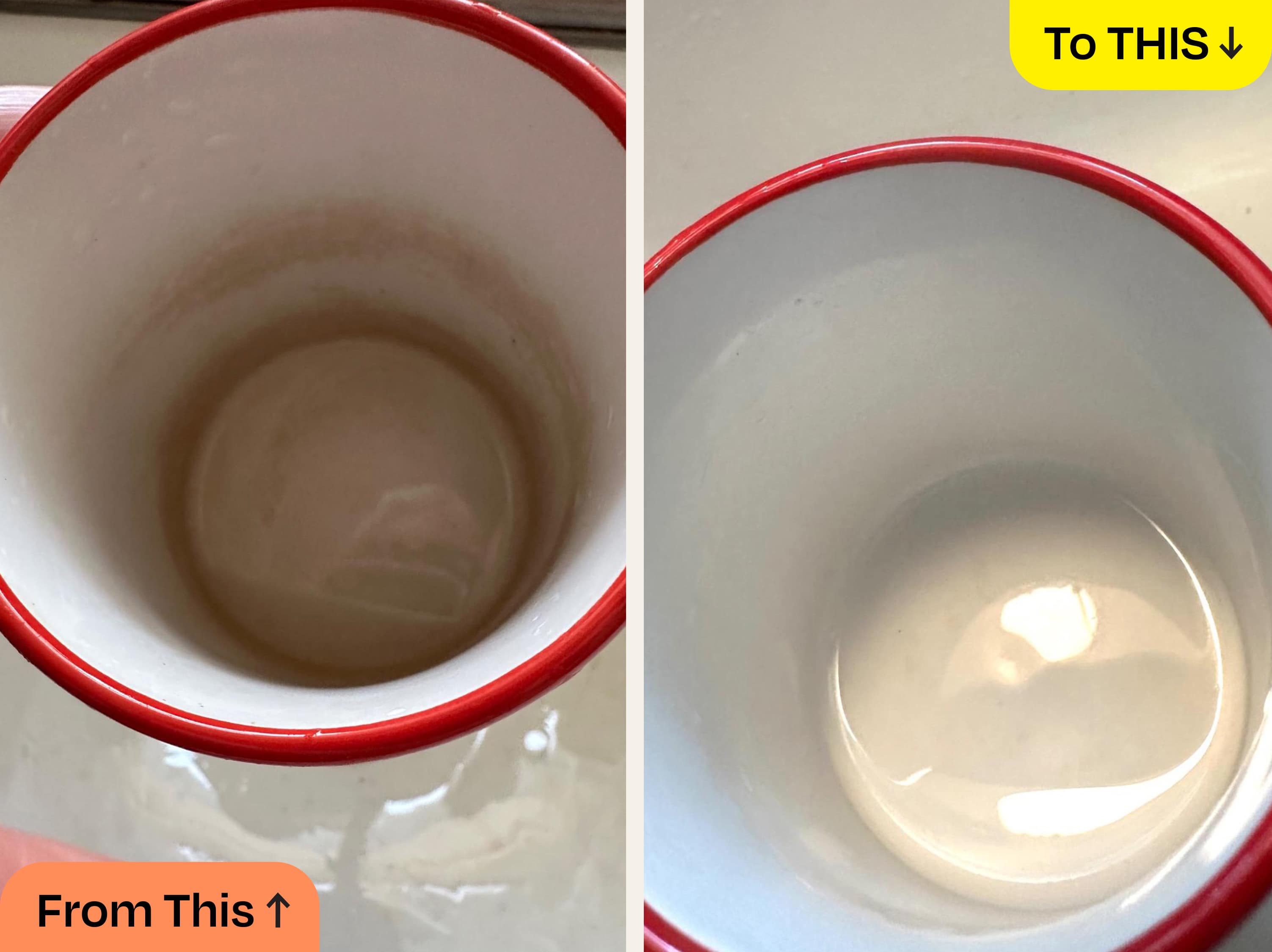
Cleaning your cups often helps stop stains from setting in. Wash your cup soon after drinking tea. Use warm water and soap. Avoid leaving tea in the cup for a long time.
- Rinse the cup right after use.
- Use a soft sponge or cloth to clean inside.
- Try gentle scrubbing to remove light stains.
- Wash cups daily if you drink tea often.
- Occasionally, soak the cup in baking soda and water to brighten it.
Using Protective Coatings
Protective coatings create a barrier on the cup’s surface. This makes it harder for stains to stick. Some coatings are safe and easy to apply at home.
| Type of Coating | How it Helps | Application |
| Food-safe silicone spray | Creates a smooth, water-repellent surface | Spray lightly on clean cup; dry fully |
| Beeswax polish | Forms a natural protective layer | Rub on cup exterior; buff gently |
| Mineral oil | Prevents tea from soaking into porous cups | Apply small amount with cloth; wipe excess |
Credit: www.thekitchn.com
Tips For Different Cup Materials
Tea stains can be hard to remove from cups. Different materials need different cleaning methods. Using the right method keeps your cups clean and safe.
Below are tips for ceramic cups, glass cups, and travel mugs. These will help you get rid of tea stains effectively.
Ceramic Cups
Ceramic cups often hold tea stains well. Baking soda is a gentle cleaner for these cups. Make a paste with water and scrub the stains softly.
- Mix baking soda and water into a paste
- Apply paste to stained areas
- Let it sit for 10 minutes
- Use a soft sponge to scrub gently
- Rinse well with warm water
Glass Cups
Glass cups can show stains clearly. White vinegar works well to remove these marks. Use vinegar diluted with water for cleaning.
| Cleaning Agent | How to Use | Notes |
| White Vinegar | Mix equal parts vinegar and water; soak cup 15 minutes | Rinse well after soaking |
| Lemon Juice | Rub lemon slice on stains; leave 10 minutes | Good for fresh stains |
| Baking Soda | Sprinkle on stains; scrub with damp cloth | Use for stubborn spots |
Travel Mugs
Travel mugs can trap stains in narrow spaces. Use a bottle brush and mild soap to clean them. Avoid harsh chemicals to protect seals.
- Fill with warm water and a few drops of dish soap
- Use a bottle brush to scrub inside
- For tough stains, add a spoon of baking soda
- Let it sit for 20 minutes before scrubbing
- Rinse thoroughly to remove all soap

Credit: www.reddit.com
Frequently Asked Questions
How To Remove Tea Stains From Cups Naturally?
To remove tea stains naturally, use baking soda and water. Make a paste with a tablespoon of baking soda and a few drops of water. Apply the paste to the stain, scrub gently, and rinse thoroughly. Repeat if necessary for stubborn stains.
What Household Items Can Clean Tea Stains?
Household items like vinegar, baking soda, and lemon juice effectively clean tea stains. Mix equal parts of vinegar and water, or use lemon juice to scrub the stains. Baking soda can also be used as a paste. Rinse well after cleaning.
Can Vinegar Remove Tea Stains From Cups?
Yes, vinegar can effectively remove tea stains from cups. Mix equal parts of white vinegar and water. Soak the stained area or scrub gently with the solution. Rinse thoroughly afterward to remove any vinegar residue.
Are Baking Soda And Lemon Effective On Tea Stains?
Baking soda and lemon are highly effective for removing tea stains. Apply a paste of baking soda and water, or use lemon juice directly on the stain. Scrub gently and rinse thoroughly. Repeat if the stain persists.
Conclusion
Tea stains in cups can be removed with simple household items. Baking soda, vinegar, or lemon juice work well. Scrub gently to avoid scratching the cup. Regular cleaning stops stains from building up. Clean cups look fresh and taste better.
Try these easy steps and enjoy your tea time. Keeping cups clean takes little effort but makes a big difference. Give your cups a quick clean today. No need to buy special cleaners or tools. Simple, natural methods do the job nicely.