
Curious about your kitchen appliances and wondering, “How do I know if I have an induction cooktop?” You’re not alone.
Many people find themselves in a similar situation, especially when moving into a new home or considering an upgrade. Identifying your cooktop type can be confusing, but it’s crucial for optimizing your cooking experience and ensuring safety. Imagine the convenience of knowing exactly what you’re working with, allowing you to cook efficiently and confidently.
We’ll guide you through simple steps to determine if your cooktop is induction, helping you unlock its potential and transform your cooking adventures. Stay with us as we unravel the mystery and elevate your kitchen knowledge.
What Is An Induction Cooktop
An induction cooktop is a modern cooking surface that uses electromagnetic energy to heat pots and pans. Unlike traditional gas or electric stoves, it heats the cookware directly. This makes cooking faster and more energy-efficient. The cooktop itself stays cool to the touch, which adds safety and ease of cleaning.
The induction cooktop requires special magnetic cookware to work. If the cookware is not compatible, the cooktop will not heat. This is because the magnetic field creates heat only in metals like cast iron or some stainless steel. Non-magnetic materials like glass or aluminum will not work on an induction surface.
How Does An Induction Cooktop Work?
Electric currents pass through a coil beneath the cooktop’s surface. This creates a magnetic field. The magnetic field heats the metal of the cookware directly. Heat is transferred from the cookware to the food. The cooktop surface itself does not get hot, only the pot or pan does.
Features Of An Induction Cooktop
- Flat, smooth glass surface
- Quick heating and precise temperature control
- Automatic shut-off when no cookware is detected
- Energy-efficient operation
- Easy to clean because spills don’t burn on
Benefits Of Using An Induction Cooktop
- Faster cooking times compared to gas or electric
- Safer since the surface stays cool
- More energy-efficient and cost-effective
- Better temperature control for delicate dishes
Credit: www.maytag.ca
Visual Features To Spot
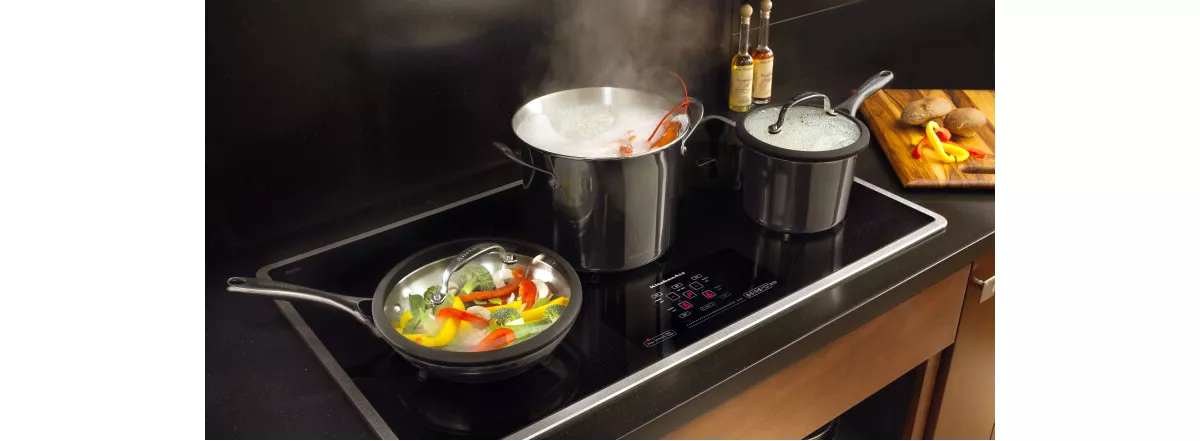
Visual features help identify an induction cooktop quickly. These cooktops stand out by their sleek and modern design. You do not need to guess or test to know if your cooktop is induction. Simple visual clues reveal the technology beneath the surface.
Smooth Glass Surface
Induction cooktops have a smooth, flat glass surface. It looks like a solid black or dark panel. There are no raised burners or coils. The glass is easy to clean and gives a polished look to the kitchen.
No Visible Heating Elements
No glowing coils or exposed heating parts appear on induction cooktops. The cooking zones are marked on the glass but contain no physical heating elements. The heat only activates when a compatible pot touches the surface.
Control Panel Design
The control panel on an induction cooktop is often touch-sensitive. It uses buttons or sliders embedded on the glass surface. You won’t find traditional knobs. The digital display shows power levels and timer settings clearly.
How Induction Cooktops Work
Understanding how induction cooktops work can help you decide if your kitchen has one and how to use it effectively. Unlike traditional stoves that use flames or electric coils, induction cooktops use a unique process to generate heat directly in the cookware. This means the cooktop surface stays cooler, and cooking becomes faster and more energy-efficient.
Magnetic Heating Process
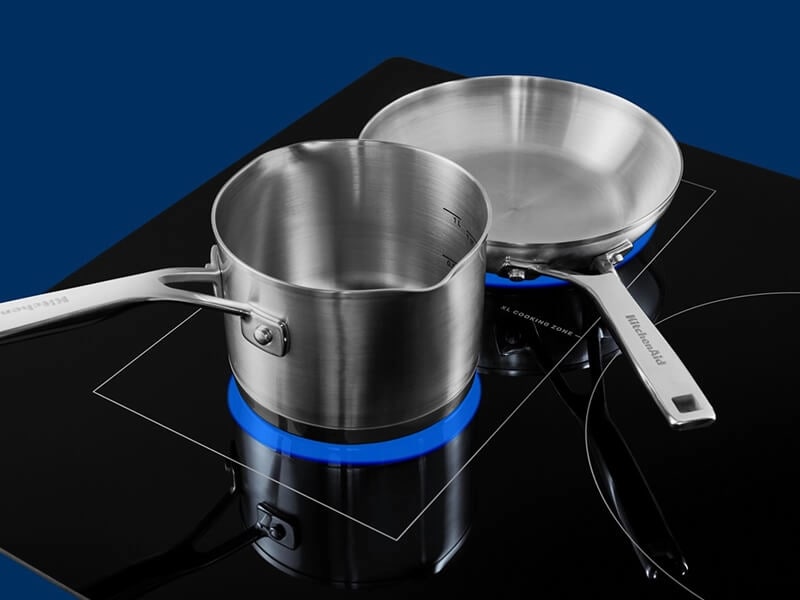
Induction cooktops use electromagnetic fields to create heat. When you place compatible cookware on the cooktop, an electric current flows through a coil beneath the surface. This current produces a magnetic field that transfers energy directly to the cookware.
This magnetic field causes tiny electric currents, called eddy currents, to flow inside the metal of the pot or pan. These currents generate heat right where you need it—inside the cookware itself, not on the cooktop surface.
Heat Generation In Cookware
The key to induction cooking is the type of cookware you use. Cookware must be made of a magnetic material, like cast iron or certain stainless steels, to work with the cooktop. If your pan isn’t magnetic, the cooktop won’t heat it.
Because the heat is generated directly in the pot or pan, it heats up quickly and evenly. This means you can cook food faster and have more precise temperature control. Have you ever noticed how quickly water boils on an induction cooktop compared to a gas stove? That’s the difference this technology makes.
Credit: www.maytag.com
Testing Your Cooktop Type
Determining whether your cooktop is an induction model can be surprisingly simple with a couple of quick tests. These checks help you avoid guesswork and ensure you use the right cookware for your cooking needs. Let’s walk through easy ways you can test your cooktop type right now.
Using A Magnet Test
Grab a small magnet from your fridge or a magnetic clip. Place it on the surface of your cooktop. If the magnet sticks firmly, your cooktop likely has an induction or traditional electric coil beneath the surface.
Induction cooktops require magnetic cookware to work, so this test quickly tells you if your cooktop is induction-compatible. If the magnet doesn’t stick, your cooktop might be ceramic or glass electric, which won’t heat magnetic pots effectively.
Heating Response Check
Try heating a pot of water on your cooktop. Induction cooktops heat cookware very quickly and the surface around the pot remains relatively cool. Traditional electric or gas cooktops heat the entire burner area, so you’ll notice the surface getting hot even without a pot.
Watch how fast the water boils and how the cooktop feels during heating. If you see rapid boiling and the surface stays cool, you’re likely using induction. This check helps you understand your cooktop’s heating pattern and efficiency firsthand.
Benefits Of Induction Cooking
Induction cooking offers many advantages that make it a popular choice for modern kitchens. It uses magnetic fields to heat pots and pans directly. This method brings several benefits that improve cooking efficiency and safety.
Energy Efficiency
Induction cooktops use less energy than traditional gas or electric stoves. They heat only the pan, not the air around it. This reduces energy waste and lowers electricity bills. Faster cooking times also save energy overall.
Safety Features
Induction cooktops stay cool to the touch since only the pan heats up. This reduces the risk of burns and accidents. They often have automatic shut-off features. The cooktop turns off when no pan is detected, adding extra safety.
Quick Heating
Induction cooking heats food faster than other methods. The direct energy transfer speeds up boiling and frying. This saves time in the kitchen. Precise temperature control helps prevent overcooking and burning.

Credit: www.artisanwestappliance.com
Common Misconceptions
Many people confuse induction cooktops with other types of stoves, leading to wrong assumptions about how they work and what they look like. These misconceptions can make it harder for you to identify if your kitchen has an induction cooktop. Let’s clear up some common myths so you can better understand the reality behind these modern cooking appliances.
Induction Cooktops Look Just Like Regular Electric Stoves
You might think induction cooktops have a unique design, but they often resemble traditional electric glass-ceramic tops. The smooth, flat surface with circular cooking zones can be misleading. The key difference is what happens underneath the glass: induction uses magnetic fields to heat cookware directly, not the cooktop surface itself.
Any Cookware Works On An Induction Cooktop
A lot of people assume induction cooktops can heat any pot or pan. That’s not true. Only magnetic cookware, like cast iron or some stainless steel, works. If your pan isn’t magnetic, the cooktop won’t heat up, no matter how powerful it is.
Induction Cooktops Heat The Cooktop Surface
Many believe the surface of an induction cooktop gets hot like a regular stove. Actually, it stays relatively cool because it heats the pan directly through magnetic energy. The surface only gets warm from the heat transferred back from the cookware.
Induction Cooking Is Complicated And Hard To Use
You might worry that induction cooktops are tricky or require special skills. In reality, they are user-friendly with precise temperature controls. Once you try it, you may find cooking faster and easier than with gas or electric stoves.
Induction Cooktops Are Unsafe Around Electronics
Some people fear that induction cooktops can interfere with pacemakers or other electronics. While it’s true they use magnetic fields, modern induction cooktops are designed with safety features to minimize risks. Still, if you have a pacemaker, consulting your doctor before using one is a smart move.
Frequently Asked Questions
How Can I Identify An Induction Cooktop At Home?
Look for a smooth, flat glass surface with no visible coils. Induction cooktops use magnetic fields to heat pots directly. Check if a magnet sticks to the cookware; if yes, it’s likely induction-compatible.
What Cookware Works With An Induction Cooktop?
Induction cooktops require magnetic cookware like cast iron or stainless steel. Non-magnetic materials like aluminum or glass won’t heat. Use a magnet test to confirm if your pots and pans are suitable.
Does An Induction Cooktop Heat Differently Than Other Stoves?
Yes, induction cooktops heat cookware directly through magnetic energy. This makes cooking faster and more energy-efficient. The cooktop surface stays cooler, reducing burn risks compared to gas or electric stoves.
Can I Use Any Pot On An Induction Cooktop?
No, only pots with a magnetic base work on induction cooktops. If a magnet sticks firmly to the pot’s bottom, it will work. Otherwise, the cooktop won’t recognize or heat the pot.
Conclusion
Knowing if you have an induction cooktop is easier than it seems. Check for a smooth, glass surface with no visible coils or flames. Try placing a magnet on the cooktop; it should stick firmly. Induction cooktops heat only magnetic pans, not regular ones.
These signs help you identify your cooktop type quickly. Understanding your cooktop ensures safe and efficient cooking. Keep these tips in mind for future kitchen tasks. Simple steps make a big difference in your cooking experience.