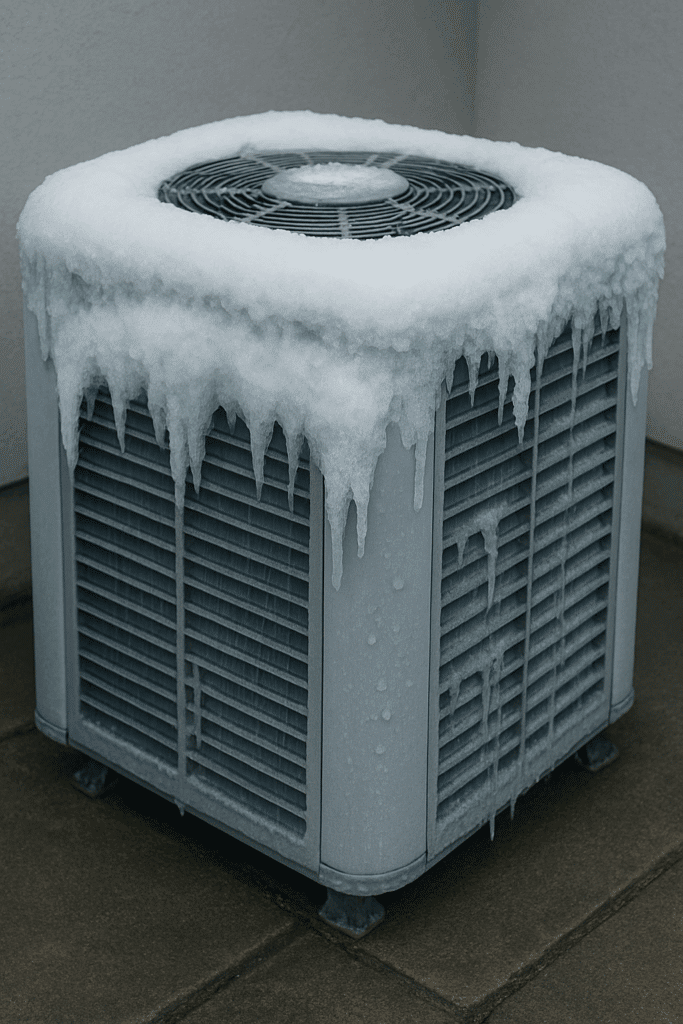
Is your air conditioner suddenly blowing warm air or not working as well as before? You might be dealing with a frozen AC.
But how do you know for sure if your air conditioner is frozen? Recognizing the signs early can save you from costly repairs and keep your home cool when you need it most. You’ll learn exactly what to look for and what steps to take if your AC is frozen.
Keep reading to protect your comfort and avoid unexpected breakdowns.
Signs Of A Frozen Ac
Your air conditioner can freeze up when it is not working right. Knowing the signs helps you fix it fast. This stops damage and keeps your home cool.
Look for these common signs to know if your AC is frozen. Early detection saves money and time.
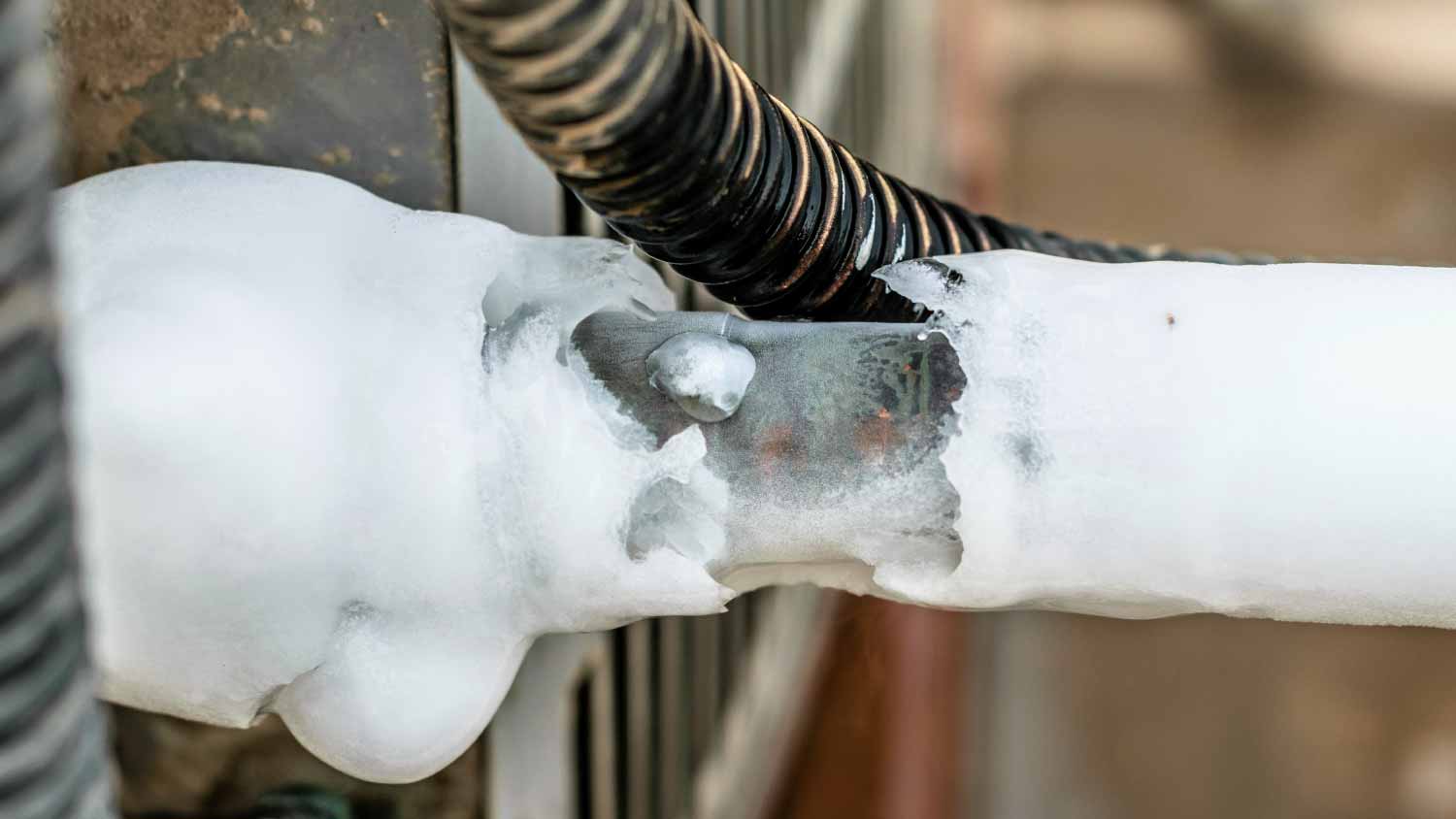
Ice On The Evaporator Coil
The evaporator coil is inside your AC unit. If it is frozen, you will see ice or frost on it. Ice blocks air from flowing through the coil.
Ice forms when the coil gets too cold or airflow is low. This stops your AC from cooling the air properly.
Reduced Airflow
If your AC is frozen, you will feel less air coming from the vents. The ice blocks air movement through the system.
This means your AC can’t cool your home well. Reduced airflow shows a problem inside the unit.
Warm Air From Vents
Frozen AC coils can make your vents blow warm air. The system cannot cool air if ice blocks the cooling process.
Warm air means your AC needs attention. It is not working as it should.
Water Leaks Around Unit
When ice on the coil melts, water may leak around your AC unit. This can cause puddles near or under the system.
Water leaks show that ice was blocking the unit. Check for leaks to catch frozen AC early.
Unusual Noises
Frozen coils can cause strange sounds from your AC. You might hear hissing, banging, or gurgling noises.
These noises happen because the system is stressed. Listen carefully to notice if your AC sounds different.
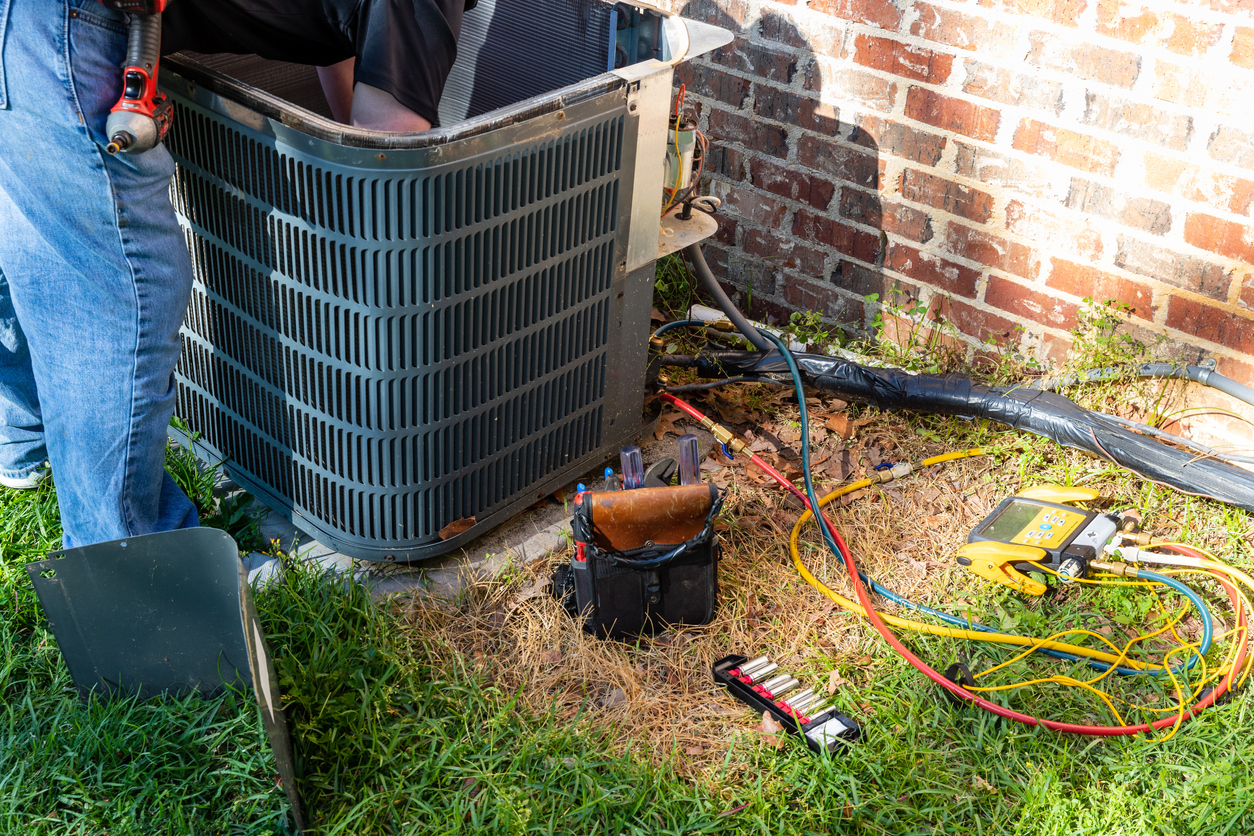
Credit: wheatandsons.com
Common Causes Of Freezing
Air conditioners can freeze up for several reasons. Knowing the common causes helps you fix the problem fast.
Freezing affects the AC’s cooling and can damage the system. Watch for these usual issues.
Dirty Air Filters
Dirty air filters block airflow inside your AC. This causes the coils to get too cold and freeze.
- Air filters trap dust and dirt.
- If not cleaned, air cannot flow properly.
- Restricted air causes the evaporator coil to freeze.
Low Refrigerant Levels
Refrigerant cools the air inside the AC. Low levels make the coils too cold and cause ice.
Leaks or poor charging lead to low refrigerant. This needs professional repair.
Blocked Airflow
Blocked airflow can come from many places. It reduces cooling and causes freezing.
| Cause | Effect |
| Closed vents | Less air moves through the system |
| Obstructed ducts | Air cannot circulate properly |
| Dirty coils | Heat exchange is less efficient |
Thermostat Issues
A faulty thermostat can cause the AC to run too long. This cools the coils too much and freezes them.
Check if the thermostat shows correct temperature and cycles the AC properly.
Faulty Blower Fan
The blower fan moves air across the coils. If it breaks, airflow stops and ice forms quickly.
Signs of a bad blower fan include:
- Weak airflow from vents
- Strange noises from the AC unit
- System shuts down unexpectedly
Quick Fixes To Thaw Your Ac
If your air conditioner is frozen, it can stop cooling your home. You may notice ice on the coils or reduced airflow. Thawing your AC quickly can prevent damage and restore comfort.
Try these easy fixes to get your AC working again without delay. Most do not require special tools or skills.
Turn Off The Unit
First, switch off your air conditioner. This stops the compressor and lets the ice melt naturally. Keep the fan running if possible to help thaw faster. Avoid using sharp tools to remove ice.
Replace Or Clean Filters
Dirty filters block airflow and cause freezing. Check your AC’s filter and either clean or replace it. Clean filters help air move freely and prevent ice build-up.
- Turn off the AC before handling filters.
- Remove the filter carefully.
- Use a vacuum or wash with water if reusable.
- Let the filter dry completely before reinstalling.
- Replace disposable filters with new ones.
Check And Clear Vents
Blocked vents reduce airflow and cause freezing. Make sure all vents inside your home are open and clean. Remove any objects or dust that may block air.
| Common Vent Issues | How to Fix |
| Closed vents | Open vents fully |
| Dust buildup | Clean vents with a brush or vacuum |
| Furniture blocking vents | Move items away from vents |
Reset The Thermostat
A faulty thermostat can cause your AC to freeze. Reset it by turning it off and on again. Set the temperature slightly higher to allow the unit to thaw. Check if the thermostat batteries need replacement.
Inspect Refrigerant Levels
Low refrigerant can cause your AC to freeze. Look for signs like hissing sounds or oily spots on pipes. You may need a professional to check and refill refrigerant safely.
Credit: www.angi.com
Preventing Future Freezing
Frozen air conditioners can stop working and cause damage. You can stop freezing by caring for your AC system regularly.
Follow simple steps to keep your air conditioner running well and avoid ice buildup.
Regular Maintenance Schedule
Check and clean your air conditioner often. Dirt and dust can block airflow and cause freezing.
Change or clean filters every 1 to 3 months. This keeps air moving and stops ice from forming.
Keep Vents Unobstructed
Make sure air vents are open and clear of furniture or curtains. Blocked vents reduce airflow and cause freezing.
Check vents inside and outside your home. Keep them clean and free from debris for best airflow.
Monitor Refrigerant
Low refrigerant levels can cause your AC to freeze. Watch for less cooling or longer run times.
Have a professional check your refrigerant. Fix leaks quickly to avoid ice buildup on coils.
Professional Inspections
Schedule yearly inspections by an HVAC expert. They find small problems before they get worse.
Experts clean coils, check parts, and test refrigerant. This helps keep your AC from freezing.
Use Correct Thermostat Settings
Set your thermostat to a comfortable temperature. Avoid very low settings that make the AC work too hard.
Use the fan mode sometimes. It helps air move and stops ice from forming inside the unit.

Credit: www.reddit.com
Frequently Asked Questions
How Can I Tell If My Ac Is Frozen?
If your AC is blowing warm air or has ice on the coils, it may be frozen. Listen for unusual noises and check for water leaks near the unit. Reduced airflow is another common sign. Address these issues promptly to avoid further damage.
What Causes An Air Conditioner To Freeze?
An AC can freeze due to low refrigerant levels or restricted airflow. Dirty filters or blocked vents can contribute to freezing. Ensure proper maintenance and clean filters regularly. A malfunctioning thermostat or fan can also be culprits. Regular inspections help prevent these issues.
How Do I Fix A Frozen Air Conditioner?
First, turn off the AC to let it thaw. Check and replace dirty filters. Ensure vents are unblocked for proper airflow. If the issue persists, contact a professional to inspect refrigerant levels and system components. Regular maintenance can prevent freezing.
Can A Frozen Ac Damage The Unit?
Yes, a frozen AC can cause significant damage if ignored. Ice buildup may lead to compressor failure. This can result in costly repairs or replacements. Address freezing issues immediately to protect your AC’s longevity. Regular maintenance helps prevent damage.
Conclusion
A frozen air conditioner shows clear signs you should not ignore. Thick ice on the coils or reduced cooling means trouble. Turn off the system and let it thaw to avoid damage. Regular cleaning and proper airflow help prevent freezing.
Watch your AC closely during hot months to catch problems early. Taking small steps keeps your home cool and saves money. Stay aware of your unit’s condition for comfortable living all year.