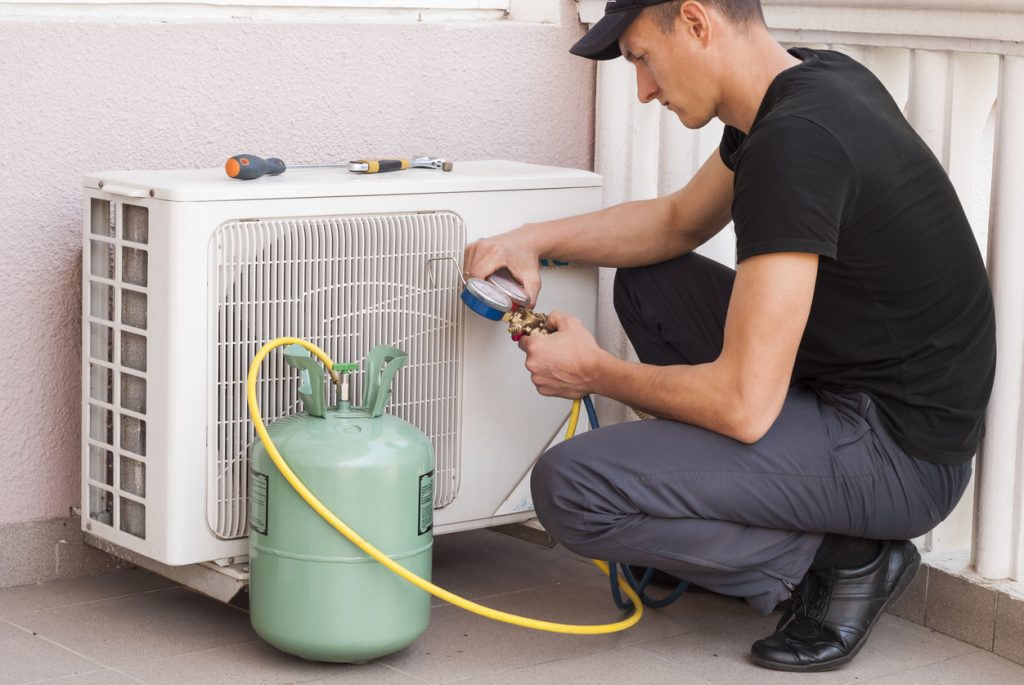
Is your air conditioner not cooling like it used to? You might be wondering if it needs recharging.
Knowing the signs can save you from uncomfortable days and costly repairs. You’ll learn simple ways to tell if your AC is low on refrigerant and what steps to take next. Keep reading to make sure your home stays cool and comfortable all summer long.
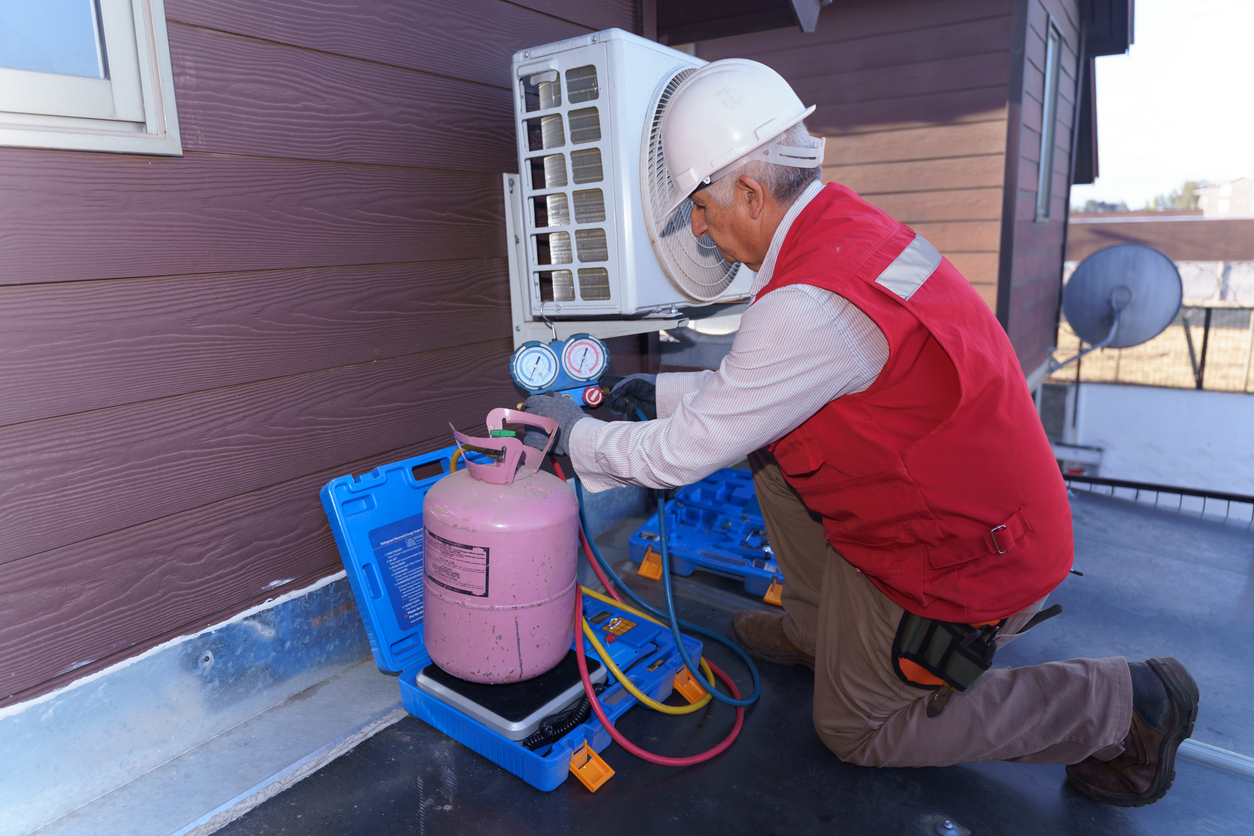
Credit: www.superior-air.com
Signs Of Low Refrigerant
Low refrigerant in your air conditioner causes it to lose cooling power. It is important to spot the signs early to avoid bigger problems.
Refrigerant helps remove heat from your home. When it runs low, your AC works harder but cools less.
Warm Air From Vents
If you feel warm air blowing from the vents, your AC might be low on refrigerant. The system can’t cool the air properly without enough refrigerant.
Check for these signs:
- Air feels warmer than usual
- Rooms take longer to cool down
- Fan runs but no cold air blows
Longer Cooling Cycles
Low refrigerant makes your AC run longer to cool the house. This wastes energy and increases your bills.
Here is a simple table comparing normal and longer cooling cycles caused by low refrigerant:
| Condition | Cooling Cycle Time |
|---|---|
| Normal Refrigerant | 15-20 minutes |
| Low Refrigerant | 30 minutes or more |
Ice Formation On Coils
Ice can build up on the AC coils if refrigerant is low. This happens because the coils get too cold without enough heat exchange.
- Look for white or blue ice on the coils
- Check for frost on the refrigerant lines
- Ice may cause the AC to stop working
Credit: www.proformanceutah.com
Common Causes Of Refrigerant Loss
Refrigerant loss can reduce your air conditioner’s cooling power. Knowing why refrigerant escapes helps you spot problems early.
Leaks or damage can cause refrigerant to drain away. Some causes come from installation or natural wear over time.
Leaks In The System
Leaks are the most common reason for losing refrigerant. They happen when tiny holes or cracks form in pipes or coils.
- Corrosion can eat through metal parts.
- Vibration from the compressor loosens joints.
- Physical damage from accidents or pests.
- Wear on seals and gaskets over time.
Improper Installation
If the air conditioner is not installed correctly, refrigerant may leak faster. Poor connections or wrong pipe fittings cause problems.
| Installation Issue | Effect on Refrigerant |
| Loose fittings | Allow refrigerant to escape |
| Wrong pipe size | Increase pressure leaks |
| Improper brazing | Create weak spots in pipes |
Wear And Tear Over Time
Parts wear down with use and age. This causes seals to crack and metal to weaken, letting refrigerant leak out slowly.
Checking Refrigerant Levels
Knowing if your air conditioner needs recharging starts with checking its refrigerant levels. Low refrigerant causes poor cooling and higher energy use.
This guide explains how to check refrigerant using tools like pressure gauges and professional diagnostic devices.
Using Pressure Gauges
Pressure gauges measure the refrigerant pressure inside your AC system. Proper pressure shows the system has enough refrigerant.
- Connect the gauge to the service port on the AC unit.
- Read the pressure values on the gauge dial.
- Compare readings to the manufacturer’s recommended pressure range.
- Low pressure indicates the need for refrigerant recharge.
- High pressure could mean a blockage or overcharge.
Professional Diagnostic Tools
Technicians use advanced tools to accurately test refrigerant levels and system health.
| Tool | Purpose | Benefit |
| Digital Refrigerant Gauge | Measures precise pressure and temperature | Improves accuracy over manual gauges |
| Leak Detector | Finds refrigerant leaks | Prevents refrigerant loss and system damage |
| Manifold Gauge Set | Measures pressure on both high and low sides | Helps balance refrigerant charge |
Impact Of Low Refrigerant On Ac Performance
Low refrigerant in an air conditioner can cause many problems. It makes the AC work less effectively and can increase costs.
Knowing the signs of low refrigerant helps you fix the AC early. This stops bigger damage and keeps your home cool.
Reduced Cooling Efficiency
When refrigerant is low, the AC cannot cool the air properly. You may notice the room stays warm even when the AC runs.
The cold air flow becomes weaker and uneven. The system struggles to reach the set temperature.
Increased Energy Bills
Low refrigerant makes your AC work harder than usual. It runs longer to cool the space, using more electricity.
This extra effort causes your energy bills to rise. Fixing the refrigerant level can help save money on power.
Potential Damage To Compressor
The compressor is the heart of your AC system. Low refrigerant can cause it to overheat and fail.
If the compressor breaks, repairs are costly. Keeping refrigerant at the right level protects this important part.
When To Call A Professional
Knowing when to call a professional to recharge your air conditioner is important. Recharging requires skill and care to avoid damage.
Some issues with your AC need expert help. This guide explains key reasons to seek professional service.
Safety Concerns
Air conditioner refrigerants can be dangerous. They are harmful if inhaled or touched. A professional knows how to avoid these risks.
- Refrigerants can cause frostbite on skin contact.
- Leaks may release harmful gases into the air.
- Handling refrigerants needs special protective gear.
- Incorrect handling can cause fire or explosion.
Proper Handling Of Refrigerants
Recharging an AC means adding refrigerant to the system. This process must be precise to avoid damage.
| Task | Why a Professional Is Needed |
| Detecting leaks | Needs special tools and experience |
| Measuring refrigerant levels | Requires accurate gauges |
| Adding refrigerant | Must match system specifications |
| Disposing old refrigerant | Must follow environmental laws |
Ensuring Accurate Recharge
Too little or too much refrigerant harms the AC unit. Professionals use tools to get the right amount.
- They check pressure with special gauges.
- They refill refrigerant according to manufacturer specs.
- They test the system after recharge for leaks.
- They ensure the AC runs efficiently and safely.

Credit: www.a-1comfortcare.com
Preventive Measures To Avoid Recharge
Knowing when your air conditioner needs recharging can save you money and keep your home cool. Taking steps to prevent the need for recharge helps your system run longer and better.
Simple care and quick fixes stop small problems from turning into big ones. This guide shows easy ways to avoid recharging your AC.
Regular Maintenance Tips
Keep your air conditioner clean and check it often. Regular care helps catch problems early and keeps the system working well.
Change filters every 1-3 months to keep air flowing. Clean the coils and fins to stop dust build-up. Clear any debris around the unit outside.
- Replace air filters on schedule
- Clean evaporator and condenser coils
- Remove leaves and dirt near outdoor unit
- Keep vents and registers open and clean
Leak Detection Methods
Leaks cause refrigerant to escape, making your AC less effective. Finding leaks early stops the need for frequent recharging.
Look for oily spots or stains on pipes and coils. Listen for hissing sounds near connections. Use a leak detector or soapy water to find bubbles.
- Check pipes and coils for oily residue
- Listen for unusual hissing noises
- Apply soapy water to joints and watch for bubbles
- Use electronic leak detectors for accuracy
Timely Repairs
Fix small problems fast to stop bigger damage. Timely repairs keep your AC running smoothly and avoid refrigerant loss.
Call a professional if you see signs of leaks or poor cooling. Repair damaged parts and recharge only if needed after fixing leaks.
- Address leaks and damaged parts quickly
- Check system pressure after repairs
- Recharge refrigerant only after fixing leaks
- Schedule regular professional check-ups
Frequently Asked Questions
How Can I Tell If My Ac Needs Recharging?
If your AC blows warm air or cools unevenly, it might need recharging. Low refrigerant causes poor cooling efficiency. Check for ice buildup or hissing sounds, indicating leaks. A professional inspection confirms if recharging is necessary.
What Are Common Signs Of Low Ac Refrigerant?
Common signs include weak airflow, warm air, and longer cooling cycles. You may also notice higher energy bills and frequent cycling. These symptoms suggest your AC refrigerant is low and may need recharging.
How Often Should Ac Be Recharged?
Typically, AC systems only need recharging if there’s a refrigerant leak. Properly sealed systems usually don’t require frequent recharges. Annual maintenance checks help identify any refrigerant loss early.
Can I Recharge My Ac Myself?
Recharging AC requires handling refrigerants, which needs specialized tools and knowledge. DIY recharging can be dangerous and illegal without certification. It’s best to hire a professional HVAC technician for safe and effective recharging.
Conclusion
Keeping your air conditioner in top shape is crucial. Regular checks can prevent bigger issues. Listen for unusual noises. Check for weak airflow. Notice if it’s not cooling well. These are signs it might need recharging. Call a professional if needed.
They can assess and recharge it safely. Proper maintenance ensures your unit runs efficiently. Saves money too. Avoids discomfort during hot days. Stay proactive with your air conditioner care. Enjoy a cool and comfortable home environment. Always.