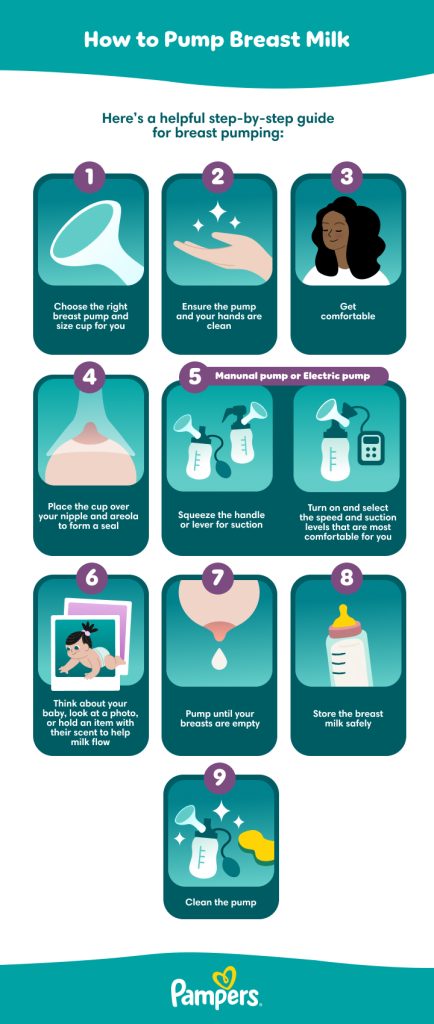
Pumping breast milk can be a helpful way to feed your baby. But many moms wonder, how do I know if my breast is empty after pumping? This question is common and important. Knowing when your breast is empty helps you pump enough milk and care for your breasts well.
Why Does It Matter If Your Breast is Empty?
When you breastfeed or pump, milk flows from your breast. If you don’t empty your breast, it may feel full and uncomfortable. Also, your body may slow milk production if milk stays in your breast for a long time.
Emptying your breast helps keep milk flowing. It also prevents problems like clogged milk ducts or infections.
Signs Your Breast is Empty After Pumping
How do you know when your breast is empty? Here are some simple signs:
- Milk flow slows down or stops. At first, milk comes out fast. Then it slows and stops. When no more milk comes, your breast is likely empty.
- Your breast feels softer. Before pumping, your breast may feel full or hard. After pumping, it should feel softer and less heavy.
- Pumping becomes less comfortable. At the start, pumping may feel strong. When your breast is empty, the feeling is lighter or less tight.
- You see less milk in the bottle. The amount of milk in your bottle will slow down and not increase much, even if you pump longer.
How Long Should You Pump?
The time it takes to empty your breast can vary. Most moms pump for 15 to 20 minutes per breast. Some need less time, some more. Watch your milk flow and breast feel instead of time only.
If milk flow stops before 15 minutes, you can stop pumping. If milk keeps flowing, keep pumping until it slows or stops.

Credit: www.legendairymilk.com
What If My Breast Doesn’t Feel Empty?
Sometimes, your breast may still feel full after pumping. This can happen for many reasons:
- Milk is still in the breast. Some milk always stays in the breast. Your breast may never feel completely empty.
- Milk ducts may be full. Milk moves through ducts. These may feel full even if most milk is out.
- Improper pump use. If the pump does not fit well or suction is low, you may not empty your breast fully.
Remember, your breast does not have to be 100% empty every time. The goal is to remove enough milk to keep you comfortable and keep milk supply strong.
Tips to Help Empty Your Breast Better
Try these simple tips for better pumping:
- Use the right pump size. The flange (breast shield) should fit your nipple well, not too tight or loose.
- Start with gentle suction. Begin slow, then increase suction as milk starts to flow.
- Massage your breast. Gently massage while pumping to help milk flow.
- Switch breasts often. Pump one breast for a few minutes, then the other. Repeat if needed.
- Relax and stay comfortable. Stress can slow milk flow. Find a quiet place and sit comfortably.

Credit: www.reddit.com
How to Check If Milk Flow Is Good?
Milk flow changes during pumping. It starts fast, then slows. This is normal. Watch your bottle. If milk fills quickly, flow is good. If milk flow is very slow or stops quickly, try these:
- Check pump settings and suction.
- Change breast position.
- Massage your breast again.
- Take short breaks to relax.
Signs of Too Much Milk Left in Breast
If you often feel full or painful breasts, milk may be left inside. Other signs include:
- Swelling or lumps in breast.
- Red or warm skin on breast.
- Breast feels hard or tender.
If you see these signs, try pumping again or see a healthcare provider. Avoid letting milk build up too much to prevent problems.
What About Feeding Your Baby After Pumping?
Even if your breast is not fully empty, your baby can get enough milk. Breast milk adjusts to your baby’s needs. Your body makes milk all day.
Trust your body. Babies often feed more milk in the beginning and less later.
Common Questions About Pumping and Emptying
Here are a few quick points to remember:
| Question | Answer |
|---|---|
| Is my breast ever fully empty? | No, some milk always stays inside your breast. |
| How often should I pump? | Every 2-3 hours or as needed to keep milk supply. |
| What if milk flow stops early? | Try massaging or changing pump settings. |
| Can I pump both breasts at the same time? | Yes, double pumping saves time and may increase milk supply. |
| Does pumping hurt? | It may feel strange but should not hurt. Adjust pump if painful. |
Final Thoughts
Knowing if your breast is empty after pumping is helpful. But remember, your breast does not need to be totally empty. Watch how milk flows and how your breast feels.
Use a good pump, relax, and take your time. Your body knows how to make milk for your baby. Trust yourself and your body’s signals.
If you have concerns, talk to a lactation expert or doctor. They can help you find the best way to pump and feed your baby.
With practice, pumping will feel easier. You will learn your body’s signs. And your baby will get the milk they need.
Frequently Asked Questions
How Can I Tell If My Breast Is Fully Emptied After Pumping?
Look for slower milk flow and softer breast feel after pumping.
Does Breast Softness Mean It’s Empty After Pumping?
Yes, a softer breast usually means most milk is removed.
How Long Should I Pump To Empty My Breast?
Pump for about 15-20 minutes or until milk slows significantly.
Can I Feel When My Breast Is Empty?
You can feel less fullness and softer breast skin.