
Are you wondering what refrigerant your air conditioner uses? Knowing this simple detail can save you time and money when it’s time for maintenance or repair.
But how do you find out without getting overwhelmed by technical jargon? You’ll discover easy, clear steps to identify your AC’s refrigerant quickly. By the end, you’ll feel confident and ready to take the right action for your cooling system.
Keep reading to unlock the secrets behind your AC’s cooling power!
Common Refrigerants In Ac Units
Air conditioning systems use different types of refrigerants to cool your home. Knowing the common refrigerants helps you identify what your AC unit uses. Each refrigerant has unique features and environmental effects. Some are being replaced due to new rules.
Types Of Refrigerants
- R-22 (Freon):Used in older AC units, but being phased out.
- R-410A (Puron):Common in new systems, more efficient and eco-friendly than R-22.
- R-134a:Found in some small air conditioners and refrigerators.
- R-32:A newer refrigerant with lower environmental impact, gaining popularity.
Environmental Impact
Some refrigerants harm the ozone layer and contribute to global warming. R-22 damages the ozone layer and has a high global warming potential (GWP). R-410A does not harm the ozone but still has a high GWP. Newer refrigerants like R-32 have lower GWP and are less harmful. Choosing the right refrigerant helps protect the environment.
Phase-out Schedules
Many countries have rules to stop using harmful refrigerants. Production of R-22 is banned or limited in most places. New AC units cannot use R-22 refrigerant anymore. R-410A is expected to be phased out in the future due to its GWP. New refrigerants with lower environmental impact will replace them gradually. Checking your AC unit’s refrigerant type is important for future service and repairs.
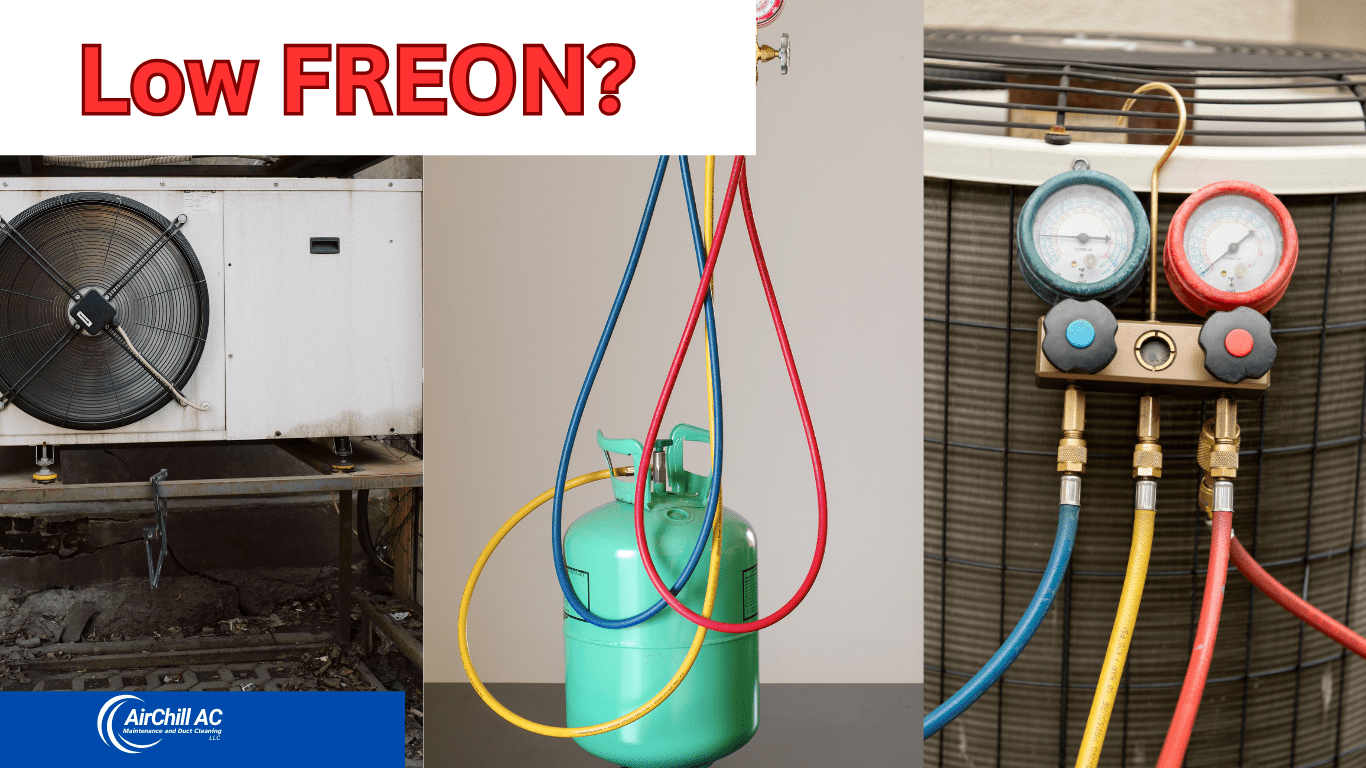
Credit: airchillac.com
Locating The Refrigerant Label
Finding the refrigerant label is important to know the type of refrigerant your AC uses. This label has key information about your unit’s cooling system. It helps in maintenance, repair, and refilling the refrigerant correctly. The label is usually on the AC unit itself, either outside or inside.
Checking The Outdoor Unit
The outdoor unit is the large box outside your home. Look on the sides or back of this unit. The refrigerant label is often a sticker or metal plate. It shows the refrigerant type, such as R-22 or R-410A. The label also lists other details like model number and electrical specs.
Inspecting The Indoor Unit
The indoor unit is often inside your home, in the air handler or furnace area. Open the access panel carefully. The refrigerant label might be inside this panel. It may be on the blower housing or near the evaporator coil. Check for a clear sticker or plate with refrigerant info.
Reading The Manufacturer’s Plate
The manufacturer’s plate is a small metal tag on your AC unit. It contains important data about your system. Find the plate and read it closely. It lists the refrigerant type and charge amount. This plate helps technicians use the right refrigerant for your AC.
Using The Owner’s Manual
Using the owner’s manual is the easiest way to find out what refrigerant your AC uses. The manual holds important details about your air conditioner’s parts and specifications. It provides clear and accurate information directly from the manufacturer.
Most manuals include a section dedicated to refrigerant type and charge. This section helps you avoid confusion or mistakes when servicing your unit. The manual also guides you on maintenance and safety tips related to refrigerants.
Finding Refrigerant Information
Look for a label or table in the manual that lists refrigerant details. This label often shows:
- Type of refrigerant (like R-22 or R-410A)
- Amount of refrigerant required
- Pressure ratings and safety warnings
This information helps technicians refill or check your AC system properly.
Model Number And Specs
Your AC’s model number appears on the manual’s cover or inside pages. Use this number to match specific refrigerant needs. Each model may use a different refrigerant, even within the same brand.
Check the specs section to understand your unit’s capacity and features. These details confirm the right refrigerant type and amount for your AC.
Online Resources
If the manual is lost or unclear, online resources can help. Visit the manufacturer’s website and enter your model number. Many brands offer downloadable manuals or product specs online.
Online forums and HVAC websites also provide useful tips about refrigerants for your specific AC model. Ensure the source is reliable to avoid wrong information.
Credit: www.bryant.com
Identifying By Model Number
Identifying the refrigerant type your AC uses can be much easier by checking the model number. The model number holds key information about the unit, including the refrigerant type. This number is usually found on the nameplate or sticker on the side or back of your air conditioner.
Once you have the model number, you can uncover details about your AC’s refrigerant. The process requires some decoding and research but is straightforward and reliable.
Decoding Model Numbers
Model numbers often include codes that indicate the refrigerant type. Each manufacturer uses a unique system, but common refrigerants like R-22 or R-410A are usually identifiable by specific letters or numbers.
Look for sections of the model number that contain “R22,” “R410A,” or similar. These strings often point to the refrigerant used. Some models might use abbreviations or codes that require a guide to understand.
Manufacturer Websites
Manufacturer websites are a great resource for decoding model numbers. Most brands provide detailed product specifications online. You can enter your model number on their site to find exact refrigerant information.
Check the support or product pages for searchable databases or downloadable manuals. These documents often list the refrigerant type along with other unit details.
Contacting Customer Support
Customer support can provide quick answers about your AC’s refrigerant. Have your model number ready when you call or email. Support teams can confirm the refrigerant type and offer additional guidance.
Many manufacturers also offer live chat or online help forms. This makes it easier to get accurate information without waiting long.
Signs Of Incorrect Refrigerant
Using the wrong refrigerant in your AC can cause several problems. These problems often show up as clear signs. Spotting these signs helps you know if your AC uses incorrect refrigerant.
Performance Issues
Your AC may cool less or stop cooling altogether. It might take longer to reach the set temperature. Energy bills can rise because the system works harder. Uneven cooling in rooms is another sign. These problems often mean the refrigerant is wrong or low.
Unusual Noises
Listen for strange sounds coming from your AC. Buzzing, hissing, or rattling noises are common with refrigerant issues. These noises happen when the refrigerant leaks or pressure is off. Ignoring these sounds can cause more damage to your AC.
Ice Formation
Ice or frost on the coils is a major warning. It usually forms on the evaporator coil or refrigerant lines. Wrong refrigerant can cause the coil to get too cold. This stops the AC from working properly and can harm parts. Check for ice to avoid costly repairs.
When To Call A Professional
Knowing when to call a professional for your AC refrigerant needs is important. Handling refrigerants requires skill and special tools. Mistakes can cause damage or health risks. Some tasks need certified technicians who understand safety rules and local laws.
Signs like strange noises, poor cooling, or visible leaks mean you should get expert help. Professionals can identify the right refrigerant type quickly. They use proper equipment to avoid harm and keep your system running smoothly.
Handling Refrigerants Safely
Refrigerants can be harmful if not handled correctly. Professionals wear protective gear and follow safety steps. They prevent leaks that can damage the environment. Proper disposal is also part of safe handling. Never try to open or fix refrigerant lines yourself.
Leak Detection
Leaks are common in older or damaged AC units. Experts use special tools like electronic leak detectors or UV dye. These tools find even small leaks that are hard to see. Early leak detection stops bigger problems and saves money on repairs.
Recharging The System
Adding refrigerant needs precise measurement. Too much or too little can harm your AC. Professionals use gauges to check pressure and add the correct amount. They ensure your system works efficiently and lasts longer. Avoid DIY recharging to prevent system damage.

Credit: www.lochardplumbingheatingandcooling.com
Frequently Asked Questions
How Can I Find My Ac Refrigerant Type?
Check the AC unit’s nameplate or label. It usually lists the refrigerant type clearly. You can also find this info in the user manual or service guide of your AC system.
Where Is The Refrigerant Label Located On My Ac?
The refrigerant label is often on the outdoor condenser unit. Look for a sticker or metal plate with specifications and refrigerant details.
Can I Identify Refrigerant By The Ac Model Number?
Yes, the model number can help. Search the model number online or in the manual to find the exact refrigerant type used.
Why Is Knowing My Ac Refrigerant Important?
Knowing your refrigerant type ensures safe handling and proper servicing. It prevents damage and helps maintain cooling efficiency.
Conclusion
Knowing your AC’s refrigerant helps you maintain it properly. Check the label on the unit or user manual first. You can also ask a professional technician for help. Using the correct refrigerant keeps your AC running well and saves energy.
Avoid guessing to prevent damage or poor cooling. Keep this information handy for future repairs or refills. Taking simple steps today can save you time and money later. Stay informed and take care of your AC with confidence.