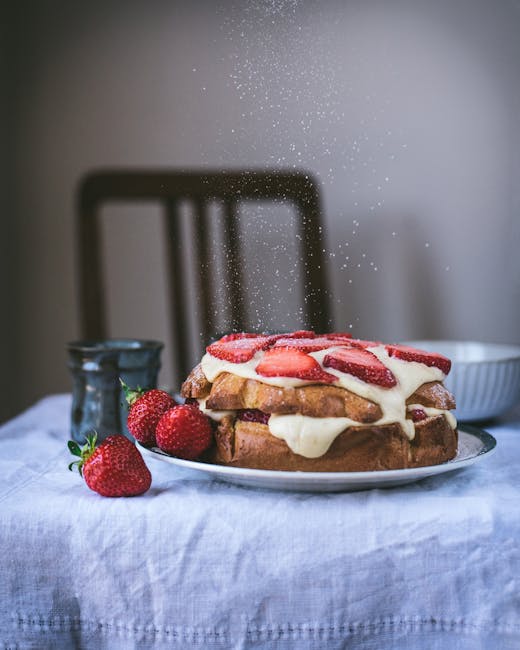
Craving something sweet to top off your homemade cakes or cookies? You’re in the right place.
Icing made from powdered sugar is not only delicious but also incredibly easy to whip up. Imagine transforming your baked goods into irresistible treats with just a few simple steps. Do you want to know the secret to achieving that perfect, glossy finish?
This guide will show you how to make icing out of powdered sugar, and you won’t need to be a professional baker to do it. Stick around to discover the process that will elevate your desserts and have everyone asking for seconds.
Credit: heirloomedblog.com
Ingredients Needed
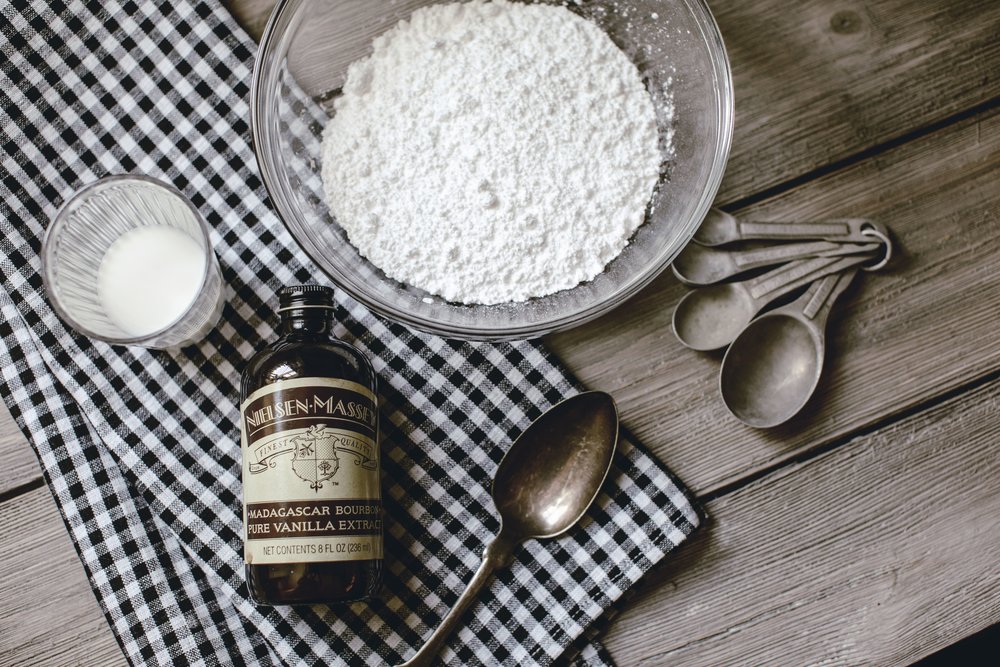
Creating icing from powdered sugar requires just a few simple ingredients. Each plays a vital role in texture and taste. Understanding these basics helps you make smooth, tasty icing every time.
Powdered Sugar
Powdered sugar is the main ingredient for icing. It is very fine and dissolves easily. This sugar gives the icing its sweet flavor and smooth texture. Use sifted powdered sugar to avoid lumps in your icing.
Liquid Options
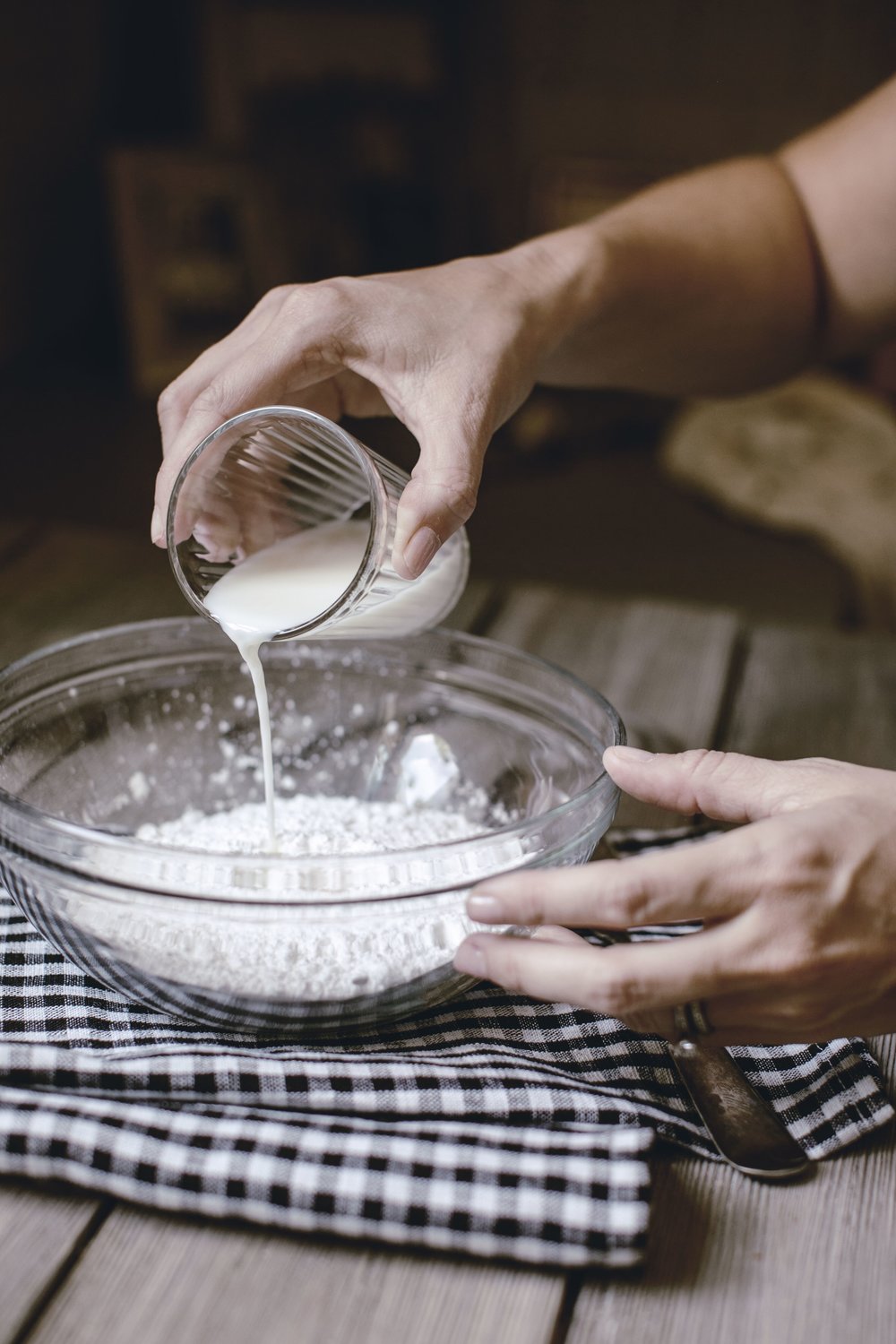
Liquids help mix the powdered sugar into a spreadable form. Water is the simplest choice and keeps the flavor pure. Milk adds creaminess and a richer taste. Lemon juice or fruit juice gives a fresh, tangy twist. Add liquids slowly to control the icing thickness.
Flavor Enhancers
Small amounts of flavor enhancers improve icing taste. Vanilla extract is the most common and adds sweetness. Almond or peppermint extract gives unique flavors. A pinch of salt balances the sweetness and brightens the flavor. Use these in tiny amounts to avoid overpowering the icing.
Choosing The Right Powdered Sugar
Choosing the right powdered sugar is key for making smooth, tasty icing. Not all powdered sugars are the same. The type you pick affects how your icing turns out. Texture, sweetness, and ease of mixing depend on the sugar you use. Let’s explore the options and their impact on your icing.
Different Types Available
- Confectioners’ Sugar:The most common type, finely ground with a bit of cornstarch to prevent clumps.
- Superfine Powdered Sugar:Extra fine texture, dissolves quickly, ideal for silky icing.
- Organic Powdered Sugar:Made without additives, offers a natural taste but may have a coarser texture.
- Glucose Powdered Sugar:Contains glucose for extra sweetness and smoothness, used in specialty recipes.
How It Affects Texture
Powdered sugar texture changes icing feel. Finely ground sugars create smooth and creamy icing. Coarser sugars may cause a grainy texture. Cornstarch in confectioners’ sugar helps thicken and stabilize icing. Too much cornstarch can make icing dry or stiff. Superfine sugar dissolves faster, giving a light and fluffy result. Choosing the right sugar balances sweetness and texture perfectly.
Basic Icing Recipe
Making icing from powdered sugar is simple and quick, perfect for decorating cookies, cakes, or cupcakes. The basic icing recipe requires only a few ingredients and offers a smooth, sweet finish that you can customize to your taste. With just powdered sugar, a liquid, and a bit of flavoring, you can create a versatile icing that sticks well and looks great.
Step-by-step Instructions
- Start by placing 1 cup of powdered sugar in a bowl. Make sure the sugar is sifted to avoid lumps.
- Add 1 to 2 tablespoons of liquid, such as milk, water, or lemon juice, depending on the flavor you want.
- Mix the ingredients with a spoon or whisk until smooth. The consistency should be thick but spreadable.
- If the icing is too thick, add a little more liquid, a few drops at a time, until it reaches the desired texture.
- For extra flavor, add a few drops of vanilla extract or almond essence and mix well.
Mixing Tips
Use a small whisk or fork for mixing to get a smooth texture without lumps. Avoid adding too much liquid at once; it’s easier to thin the icing gradually than fix a runny mess.
Keep your bowl clean and dry before starting to prevent the sugar from clumping. If you want a glossy finish, beat the icing a little longer until it becomes shiny.
Have you noticed how changing the liquid alters the taste and texture? Experiment with lemon juice for tanginess or even coffee for a rich twist. What new flavor will you try next?
Adjusting Consistency
Adjusting the consistency of your powdered sugar icing is key to getting the perfect finish on your baked goods. Too thick, and it won’t spread smoothly; too thin, and it will run off your cake or cookies. Finding the right balance lets you create icing that looks great and tastes just right.
Thickening The Icing
If your icing feels runny or too soft, you can easily thicken it by adding more powdered sugar. Add it gradually—about a tablespoon at a time—and mix thoroughly. This helps you control the texture without making the icing grainy or dry.
Be careful not to add too much at once, or your icing could become crumbly. A thicker icing works well for piping detailed designs or creating firm borders on cakes. Have you ever struggled with icing that just won’t hold its shape? This simple trick can save your decorating.
Thinning The Icing
If your icing is too thick and hard to spread, thin it out with a few drops of liquid. Water is the most common choice, but you can also use milk or lemon juice for extra flavor. Add the liquid slowly, mixing after each drop, until you reach the desired consistency.
Thin icing is perfect for glazing cookies or drizzling over pastries. It flows smoothly and gives a shiny finish. Think about the last time your icing cracked or looked dull—thinning it just a bit might have fixed that.
Adding Flavors And Colors
Adding flavors and colors to your powdered sugar icing transforms a simple topping into a personalized delight. You have the power to tailor your icing to suit any occasion or taste preference. Whether you want a subtle hint of flavor or a vibrant pop of color, the choices you make will affect both the look and taste of your final creation.
Natural Flavor Options
Enhance your icing with natural flavors that are easy to find and use. Vanilla extract is a classic choice, giving a rich, sweet aroma without overpowering the sugar’s taste. Almond extract adds a nutty depth, perfect for cakes or cookies with a hint of sophistication.
For a fresh twist, try citrus zest like lemon or orange. It brightens the icing and adds a refreshing zing that pairs well with fruit-based desserts. You can also experiment with a small amount of brewed coffee or cocoa powder for a richer, deeper flavor.
Have you ever considered using spices like cinnamon or ginger? They can add warmth and complexity to your icing, especially during the cooler months. Just a pinch can make your icing stand out without making it too spicy.
Using Food Coloring
Color plays a big role in making your icing visually appealing. Gel food coloring is a smart choice because it delivers vibrant shades without thinning the icing. Start with a tiny amount and add more until you reach your desired hue.
Liquid food coloring works too but can sometimes make the icing runnier. If you use liquid colors, you might need to adjust the powdered sugar amount to keep the consistency thick and spreadable. Natural color options like beet juice or matcha powder offer a gentle tint and a subtle flavor boost.
Have you tried mixing colors to create custom shades? It’s an easy way to match your icing to party themes or seasonal decorations. Remember, patience is key—colors deepen over time, so let your icing sit for a few minutes before deciding if you want to add more color.
Credit: heirloomedblog.com
Common Mistakes To Avoid
Making icing from powdered sugar sounds simple, but small mistakes can turn your smooth frosting into a sticky mess or a grainy disaster. Knowing what to watch out for saves time and frustration. Let’s look at common pitfalls and how you can easily fix or avoid them.
Lumpy Icing Fixes
Lumps in your icing usually come from powdered sugar that hasn’t been sifted. If you’ve ever rushed and skipped this step, you know how those hard clumps ruin the texture.
To fix lumpy icing, try whisking vigorously or using a hand mixer on low speed. Adding a tiny splash of warm liquid, like milk or water, can help dissolve stubborn clumps. If lumps persist, pass the icing through a fine mesh sieve for a silky finish.
Have you ever wondered why your icing sometimes looks grainy despite using fresh sugar? It’s often because the sugar wasn’t sifted. Take the extra minute to sift powdered sugar—it’s a game-changer.
Over-thinning Or Over-thickening
The balance of liquid to sugar is delicate. Adding too much liquid makes icing runny and hard to spread, while too little makes it stiff and crumbly.
If your icing is too thin, sprinkle in more powdered sugar one tablespoon at a time until it firms up. If it’s too thick, add a few drops of liquid gradually. Avoid dumping in large amounts at once; slow adjustments give you better control.
Think about the last time your icing slid off a cupcake or cracked when you spread it. Did you add too much liquid or skip adjusting the thickness? Paying attention to texture while mixing keeps your icing perfect and your patience intact.
Tips For Storing Icing
Storing icing properly can save you time and reduce waste. Whether you’ve made more than you need or want to prepare ahead for your next baking session, knowing how to keep your icing fresh is key. Here are some practical tips to help you store your powdered sugar icing effectively.
Short-term Storage
For icing you plan to use within a day or two, keep it in an airtight container. This prevents the icing from drying out or absorbing odors from the fridge. Store the container in the refrigerator to maintain freshness and texture.
Before sealing, press a piece of plastic wrap directly onto the surface of the icing. This extra layer minimizes the chance of a crust forming. When you’re ready to use it again, give the icing a quick stir to restore its smooth consistency.
Reusing Stored Icing
Have you ever noticed stored icing becoming too thick or stiff? Don’t toss it—simply adjust the texture by adding a small amount of milk or water, then whisk it until smooth. This can bring the icing back to its original spreadable state.
If you find your icing too runny after rehydrating, add a bit more powdered sugar gradually. This balancing act helps maintain the perfect consistency for decorating or frosting.
Storing icing correctly means you can reuse leftovers with ease. What creative ways could you try to incorporate saved icing into your next dessert?

Credit: thecurlyspoonblog.com
Creative Icing Uses
Icing made from powdered sugar is more than just a sweet topping. It offers many creative uses that can transform simple desserts into eye-catching treats. This versatile icing lets you play with colors, textures, and designs. You can create unique looks that impress friends and family. Let’s explore some fun ways to use this icing in your baking projects.
Cake Decoration Ideas
Use powdered sugar icing to cover your cakes smoothly. It gives a shiny and smooth finish perfect for any occasion. Try these ideas to decorate your cakes:
- Spread a thin layer for a clean, simple look.
- Use food coloring to make bright, fun shades.
- Pipe delicate patterns like flowers or swirls.
- Add sprinkles or edible glitter on top for extra sparkle.
- Write messages or names for personalized cakes.
Experiment with different piping tips to create unique textures and shapes. This icing dries fast, so work quickly for the best results.
Cookie Icing Techniques
Powdered sugar icing is perfect for decorating cookies. It hardens nicely, making cookies look neat and polished. Here are some techniques to try:
- Outline cookies with a thicker icing to create borders.
- Flood the inside with thinner icing for a smooth surface.
- Mix colors to paint designs directly on the icing.
- Use stencils and dust powdered sugar for patterns.
- Add small candies or chocolate chips while icing is wet.
Practice simple shapes first, then move to more detailed designs. This icing helps cookies stay fresh longer by sealing in moisture.
Frequently Asked Questions
How Do I Make Basic Icing From Powdered Sugar?
To make basic icing, mix powdered sugar with a small amount of milk or water. Stir until smooth. Adjust liquid for desired thickness. Add vanilla extract for extra flavor if desired.
What Liquid Is Best For Powdered Sugar Icing?
Milk, water, or lemon juice work well. Milk creates a creamy texture. Water thins the icing. Lemon juice adds a tangy flavor and helps set the icing.
How Can I Thicken Powdered Sugar Icing?
Add more powdered sugar gradually while stirring. This absorbs excess liquid and thickens the icing. Avoid adding too much liquid to keep the right consistency.
Can I Flavor Icing Made From Powdered Sugar?
Yes, add extracts like vanilla, almond, or lemon. You can also mix in cocoa powder or food coloring for variety.
Conclusion
Making icing from powdered sugar is simple and quick. Just mix sugar with a little liquid until smooth. Adjust the thickness by adding more sugar or liquid. You can add vanilla or cocoa for extra flavor. Use this icing to decorate cakes, cookies, or cupcakes easily.
Homemade icing tastes fresh and looks great. Try it today and enjoy baking even more!