Are you ready to catch more fish but unsure how to set up your fishing line the right way? Knowing how to rig a fishing line properly can make all the difference between a day full of bites and hours of frustration.
Whether you’re a beginner or just want to improve your skills, this guide will walk you through simple steps that anyone can follow. By the end, you’ll feel confident and ready to reel in your next big catch. Keep reading, because mastering this skill is easier than you think—and it will change your fishing game forever.

Credit: greatdaysoutdoors.com
Choosing The Right Fishing Line
Picking the right fishing line is important for a good fishing experience. It helps you catch fish without breaking or tangling.
Different lines work better for certain fish and water types. Knowing how to choose can save time and improve your catch rate.
Types Of Fishing Lines
There are three main types of fishing lines. Each has its own strength and use.
Choosing the right type depends on the fish you want and the water you fish in.
- Monofilament:Made from one type of plastic. It is stretchy and easy to handle.
- Fluorocarbon:Sinks faster and is less visible in water. Good for clear water.
- Braid:Very strong and thin. It does not stretch much, so it is sensitive.
Selecting Line Strength
Line strength is measured in pounds. It shows how much weight the line can hold before breaking.
Pick a line strength based on the fish size you want to catch. Stronger lines hold bigger fish but are thicker.
- Use light lines (2-6 lbs) for small fish like trout.
- Medium lines (8-15 lbs) work for bass and similar fish.
- Heavy lines (20+ lbs) are good for big fish like catfish or pike.
Considering Water Conditions
Water type affects how your fishing line behaves. Clear, murky, or salty water all need different lines.
Think about water clarity and obstacles like weeds or rocks when choosing your line.
- Clear water:Use low-visibility lines like fluorocarbon.
- Murky water:Thicker lines or bright colors help you see the line.
- Saltwater:Use lines that resist salt damage, like braid or fluorocarbon.

Credit: mysterytacklebox.com
Essential Tools And Materials
Rigging a fishing line is an important skill for anglers. You need the right tools and materials to succeed. Let’s explore what you need.
Having the correct equipment helps you catch more fish. Let’s look at the essentials for rigging a line.
Fishing Rod And Reel
Your fishing rod and reel are crucial. They determine how you cast and retrieve your line.
Choose a rod and reel that suit your fishing style. This will make your fishing experience more enjoyable.
- Spinning reels are easy for beginners
- Baitcasting reels offer more precision
- Different rod lengths suit various fishing environments
Hooks And Sinkers
Hooks and sinkers are essential for catching fish. They affect how your bait moves in the water.
Choose the right size and weight for your target fish. This helps your bait stay at the right depth.
- Smaller hooks are for smaller fish
- Heavier sinkers help in strong currents
- Use barbless hooks for catch and release
Swivels And Floats
Swivels and floats help manage your line. They prevent tangling and keep your bait visible.
Swivels let your bait move freely. Floats keep your bait at the desired depth.
| Type | Function |
| Barrel Swivel | Reduces line twist |
| Slip Float | Adjustable depth control |
| Fixed Float | Stays in one position |
Basic Knot Techniques
Tying the right knot is key to rigging a fishing line well. Good knots hold tight and do not slip.
Learn a few basic knots to get started. These knots work for many fishing situations.
Improved Clinch Knot
The Improved Clinch Knot is strong and easy to tie. It fastens the line to a hook or lure securely.
Start by threading the line through the hook eye. Wrap the tag end around the main line five times.
- Pass the tag end through the small loop near the hook eye
- Then pass it through the big loop you just made
- Moisten the knot and pull tight
Palomar Knot
The Palomar Knot is known for its strength. It works well with braided or monofilament lines.
Double about six inches of line and pass it through the hook eye. Tie a loose overhand knot.
- Pass the hook through the loop
- Pull the loop tight over the hook
- Moisten and pull both ends to secure
Loop Knot Variations
Loop knots let the lure move freely. This creates a natural action in the water.
The Non-Slip Loop Knot is a popular choice. It keeps the loop open and strong around the lure.
- Make an overhand knot in the line
- Pass the tag end through the hook eye
- Thread the tag end back through the overhand knot
- Tighten the knot while holding the loop size
Step-by-step Rig Setup
Setting up your fishing line rig correctly helps you catch fish more easily. Follow simple steps to prepare your rig for a successful fishing trip.
This guide covers attaching the line to the reel, adding terminal tackle, and adjusting line length and tension.
Attaching The Line To The Reel
Start by threading the fishing line through the reel’s guides. Tie a secure knot to hold the line firmly in place.
- Open the reel bail to allow line attachment.
- Wrap the line around the reel spool two or three times.
- Tie an arbor knot tightly to secure the line.
- Close the bail and pull the line to test the knot.
Adding Terminal Tackle
Terminal tackle includes hooks, sinkers, swivels, and floats. These parts help present the bait and control the rig’s action.
| Terminal Tackle | Purpose |
| Hook | Holds the bait and catches fish |
| Sinker | Keeps the rig at the desired depth |
| Swivel | Prevents line twist |
| Float | Keeps bait suspended and visible |
Adjusting Line Length And Tension
Proper line length and tension improve bait movement and hook setting. Adjust these before casting.
Follow these tips for adjustment:
- Keep the line length suitable for your fishing spot.
- Apply gentle tension to prevent slack but avoid too tight.
- Test tension by pulling lightly on the line.
- Use the reel drag to control tension when a fish bites.
Tips For Different Fishing Styles
Fishing lines need to be rigged differently for each fishing style. The right rig helps catch more fish and keeps the line strong.
Learn how to rig your line for casting, bottom fishing, and fly fishing. Each style has unique tips that improve your chances.
Casting Rigs
Casting rigs use weights and lures to throw the line far. You want a smooth cast and good control over the bait.
- Use a swivel to prevent line twist.
- Choose a weight that fits your casting distance.
- Attach a leader line for better bait presentation.
- Check knots for a strong hold before casting.
Bottom Fishing Rigs
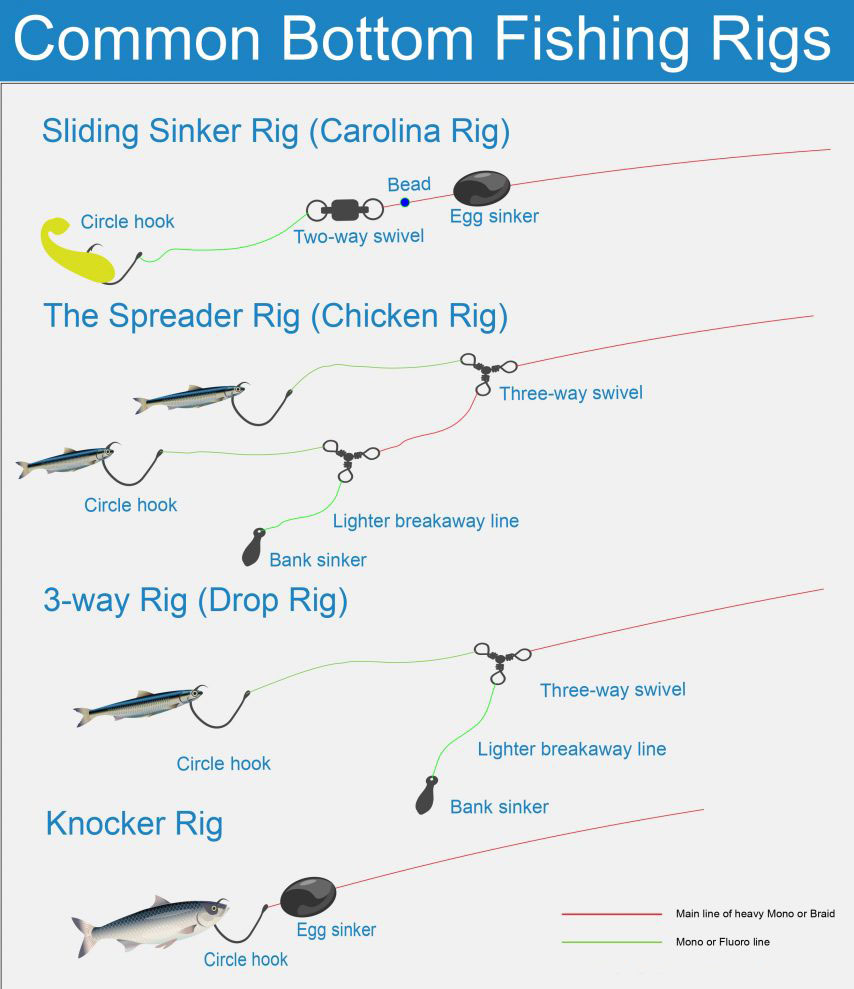
Bottom fishing rigs hold the bait near the water floor. It’s perfect for fish that stay close to the bottom.
| Rig Type | Use | Key Tip |
| Slip Sinkers | Easy to cast and good for deep water | Use a bead to protect the knot |
| Fish Finder Rig | Keeps bait off the bottom | Use a leader to avoid tangles |
| Paternoster Rig | Good for multiple hooks | Space hooks evenly on the leader |
Fly Fishing Lines
Fly fishing lines are different. You use light flies and the line helps cast them gently on the water.
Tips for rigging fly fishing lines:
- Choose a line weight that matches your rod.
- Use a tapered leader for smooth fly presentation.
- Attach the fly with a strong knot like the improved clinch knot.
- Check the line for any damage before fishing.
Maintaining And Inspecting Your Line
Taking care of your fishing line keeps it strong and reliable. Regular checks help you catch problems early.
Good maintenance prevents line breaks and lost fish. Spend time inspecting your line before every trip.
Checking For Wear And Tear
Look closely at your line for small cuts or frays. These weak spots can cause your line to snap.
Check the entire length of the line, especially near knots and guides on your rod.
- Run the line through your fingers to feel for rough spots
- Look for discoloration or thinning areas
- Inspect knots carefully for damage
- Check for any dirt or debris that may weaken the line
Replacing Damaged Sections
Cut out any damaged parts to keep your line strong. Replace these sections with new line.
Use proper knots to connect new sections. This helps avoid weak points in your rig.
- Cut at least two inches beyond the damaged area
- Tie secure knots like the double uni knot
- Trim excess line after tying knots
- Test your knots by pulling firmly
Proper Storage Techniques
Store your fishing line in a dry, cool place. Avoid sunlight to prevent weakening the line.
Use spools or line holders to keep the line neat. This stops tangles and line memory problems.
- Keep line away from direct sunlight
- Store in a sealed container to prevent moisture
- Use a spool to avoid knots and tangles
- Check stored line regularly for signs of damage
Common Mistakes To Avoid
Rigging a fishing line correctly is important for a good catch. Many anglers make simple mistakes that can ruin their fishing experience.
Knowing what to avoid helps you rig your line better and fish more successfully.
Overloading The Line
Putting too much weight or too big a lure on your line can cause it to break. The line has a limit called “line strength.”
Exceeding this limit stresses the line and weakens it over time. Always check the recommended weight for your line.
- Use weights and lures that match your line’s strength
- Avoid heavy baits if your line is light
- Replace old lines that show wear or damage
Improper Knot Tying
Tying knots incorrectly is a common mistake. Bad knots can slip or break when you catch a fish.
Learn simple knots like the improved clinch knot and practice them often. Always wet the line before tightening the knot.
- Make sure the knot is tight and neat
- Trim excess line after tying
- Test the knot by pulling hard before fishing
Ignoring Environmental Factors
Not paying attention to water conditions can lead to poor rigging choices. Water type and weather affect what rig works best.
Saltwater needs stronger lines than freshwater. Wind and current also change how your rig behaves in the water.
- Check water type before choosing line and tackle
- Adjust your rig for strong currents or waves
- Consider water clarity to pick lure color and size

Credit: mysterytacklebox.com
Frequently Asked Questions
How Do I Choose The Right Fishing Line?
Choose fishing line based on your target fish and water conditions. Consider line strength, material, and visibility for best results.
What Tools Do I Need To Rig A Fishing Line?
You need hooks, sinkers, swivels, bobbers, and a suitable fishing rod and reel to rig a fishing line properly.
How Do I Tie A Fishing Line Knot?
Use knots like the improved clinch or Palomar knot. These are strong, easy to tie, and secure your hook well.
Can I Rig A Fishing Line For Different Fish Types?
Yes, adjust your rigging by changing hook size, line strength, and bait type for different fish species.
Conclusion
Rigging a fishing line takes practice and patience. Start with the right tools and knots. Check your line for strength before casting. Keep your setup simple at first. Small mistakes can cost big catches. Enjoy the process and learn each step.
Fishing gets easier as you gain experience. Try different rigs to find what works best. Stay safe and respect nature while fishing. Keep practicing, and your skills will grow.