Are you ready to catch more fish but unsure how to rig your fishing line the right way? Getting your line set up correctly is the key to a successful fishing trip.
When you know how to rig a fishing line properly, you increase your chances of landing that big catch. In this guide, you’ll discover simple, step-by-step instructions that anyone can follow. Whether you’re a beginner or just need a quick refresher, this article will help you master the basics and boost your confidence by the water.
Keep reading, and you’ll be ready to fish like a pro in no time!

Credit: mysterytacklebox.com
Choosing The Right Fishing Line
Picking the right fishing line is key for a good fishing experience. The line must suit the fish you want to catch and the conditions you fish in.
This guide helps you understand the types of fishing lines, their strength, diameter, and how to match them to fish species.
Types Of Fishing Lines
There are three main types of fishing lines. Each has special features that fit different fishing needs.
- Monofilament:Made of one strand of material, it is stretchy and easy to handle.
- Fluorocarbon:Nearly invisible underwater and sinks faster than other lines.
- Braid:Made of many strands woven together, it is very strong and thin.
Line Strength And Diameter
Line strength is the amount of weight a line can hold before breaking. Diameter is the thickness of the line.
| Line Type | Common Strength Range (lbs) | Diameter Range (inches) |
| Monofilament | 2 to 30 | 0.005 to 0.035 |
| Fluorocarbon | 4 to 40 | 0.006 to 0.040 |
| Braid | 10 to 80 | 0.006 to 0.020 |
Matching Line To Fish Species
Different fish need different line strengths. Use lighter lines for small fish and stronger lines for big fish.
- Small fish like trout or panfish: 2 to 6 lbs test line
- Medium fish like bass or walleye: 8 to 15 lbs test line
- Large fish like pike or catfish: 20 to 40 lbs test line
Essential Rigging Tools
Rigging a fishing line needs the right tools. Good tools make fishing easier and more fun.
This guide covers the basic tools you need to rig your fishing line properly.
Fishing Rod And Reel Setup
Your fishing rod and reel are the main tools for rigging a line. Choose the right size for your fishing type.
A smooth reel helps you cast and retrieve line easily. Match the rod and reel to your fishing style.
- Light rods for small fish and freshwater
- Medium rods for general fishing
- Heavy rods for big fish and saltwater
- Spinning or baitcasting reels based on preference
Knots And Tying Tools
Strong knots keep your rig secure. Use tools to help tie neat and tight knots.
Common tools include knot tying pliers and line cutters. They save time and improve knot strength.
- Knot tying pliers for tight grips
- Line cutters for clean cuts
- Loop tools to make loops quickly
- Needle-nose pliers for small parts
Additional Accessories
Extra accessories help make rigging easier and more organized. Keep them handy while fishing.
These tools include tackle boxes, bobbers, and weights. They help customize your fishing line setup.
- Tackle box for storing hooks and lures
- Bobbers to keep bait at the right depth
- Weights for sinking the line
- Swivels to prevent line twisting
Basic Rigging Techniques
Rigging a fishing line is an important skill for any angler. It helps you prepare your gear for fishing trips.
This guide covers simple ways to rig your line properly. You will learn how to attach the line, tie knots, and add sinkers or floats.
Attaching The Line To The Reel
Start by threading the fishing line through the reel guides. Then, wrap the line around the spool of the reel.
Secure the line by tying a simple knot or using the reel’s locking mechanism. This keeps the line tight and ready to fish.
Tying Strong Knots
Strong knots keep your line from breaking when a fish pulls hard. Learn a few basic knots to make your rig secure.
- Improved Clinch Knot: Good for tying hooks and lures
- Palomar Knot: Easy and very strong
- Loop Knot: Allows bait to move freely
Practice tying these knots until they are tight and neat. Wet the line before tightening to avoid damage.
Adding Sinkers And Floats
Sinkers help your bait sink deeper in the water. Floats keep your bait near the surface and show when a fish bites.
- Slide sinkers onto the line for adjustable weight
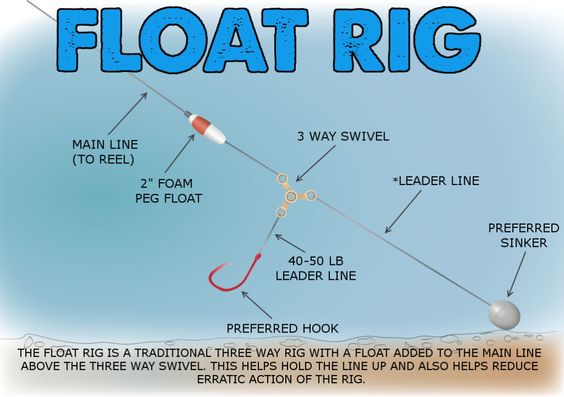
- Attach floats above the hook to control bait depth
- Use split shot sinkers for small, precise weight
Choose sinkers and floats based on fishing conditions and target fish. Balance your rig for the best results.

Credit: fishingbooker.com
Popular Fishing Rigs
Fishing rigs help you catch fish by arranging your line and bait in a smart way. Different rigs work better for different kinds of fish and water conditions.
Here are three popular rigs you can try. Each rig has its own setup and use. Learning them will improve your fishing experience.
Slip Bobber Rig
The slip bobber rig uses a floating bobber that slides up and down your line. This rig is great for fishing at different depths.
It lets you cast far and adjust how deep your bait goes without changing the rig. This is useful when fish swim at different levels.
- Attach a small bead to your line
- Add a bobber stop above the bead
- Thread the bobber onto the line
- Tie a hook below the bobber
- Add weight if needed
Carolina Rig
The Carolina rig is good for fishing on the bottom of lakes or rivers. It lets your bait move freely and attract fish near the floor.
This rig has a heavy sinker, a bead, a swivel, and a leader with a hook. It works well for bass and other bottom feeders.
- Slide a bullet sinker on your main line
- Add a bead after the sinker
- Tie a swivel below the bead
- Attach a leader line to the swivel
- Tie your hook to the leader
Drop Shot Rig
The drop shot rig holds your bait above the bottom. It is good for catching fish that swim close to the floor but not on it.
It uses a hook tied above a weight. The bait stays in the water while the weight rests on the bottom, keeping the rig steady.
- Tie a hook with a Palomar knot on your line
- Leave 12-18 inches of line below the hook
- Attach a weight at the end of the line
- Hook your bait on the hook
- Drop the rig so the weight rests on the bottom
Tips For Line Maintenance
Keeping your fishing line in good shape helps you catch more fish. Regular care prevents line breaks and tangles.
This guide shows how to inspect, store, and replace your fishing line for best results.
Inspecting For Damage
Check your line often for signs of wear. Look for nicks, frays, or discoloration. Damaged line weakens your setup and may break easily.
- Run the line through your fingers to feel for rough spots
- Look closely for cracks or cuts in the line
- Check for faded or discolored sections that may be weak
- Inspect knots carefully as they are common break points
Proper Storage Methods
Store your line where it stays dry and away from sunlight. Heat and moisture can damage the line material over time.
| Storage Tip | Reason |
| Keep line in a sealed container | Prevents moisture buildup |
| Avoid direct sunlight | UV rays weaken the line |
| Store in a cool place | Reduces material degradation |
| Keep line on spools | Prevents tangling and kinks |
Replacing Old Line
Replace your fishing line regularly to keep it strong. Old line loses strength and can snap under pressure.
- Remove the old line completely from your reel
- Check the reel for dirt or damage before adding new line
- Spool new line evenly to avoid tangles
- Test the new line by pulling gently to check strength
Common Mistakes To Avoid
Rigging a fishing line correctly is very important for a good fishing experience. Many anglers make simple mistakes that cause trouble.
Knowing what to avoid helps you rig your line better and catch more fish.
Overloading The Reel
Putting too much line on the reel can cause problems. The reel may not work smoothly and can cause tangles.
Overloading makes it hard to cast and may damage the reel parts.
- Do not fill the reel past its capacity line mark.
- Use the right line length for your reel size.
- Keep some space on the spool for smooth casting.
Using Incorrect Knots
Using the wrong knot can make your line weak. It might break when you catch a fish.
Some knots slip or do not hold well on certain lines. Learning strong knots is very important.
- Use knots like Improved Clinch or Palomar for most lines.
- Practice tying knots so they are tight and neat.
- Wet the knot before tightening to avoid damage.
Ignoring Line Compatibility
Not all lines work well with every rod or reel. Ignoring line compatibility can cause poor fishing results.
Choosing the wrong type or strength of line can cause breaks or reduce casting distance.
- Match line strength to the rod and reel specifications.
- Choose line types like monofilament, fluorocarbon, or braided based on fishing style.
- Check if the line works well with your fishing environment.

Credit: greatdaysoutdoors.com
Frequently Asked Questions
How Do I Attach A Hook To A Fishing Line?
To attach a hook, use a secure knot like the improved clinch knot. Thread the line through the hook eye, wrap it around five times, then pass the tag end through the loop and tighten. This ensures the hook stays firmly in place.
What Is The Best Knot For Rigging Fishing Lines?
The improved clinch knot is the most popular and reliable knot. It is easy to tie and holds strong under pressure. This knot prevents line slippage and maintains strength, making it ideal for most fishing rigs.
How Do I Rig A Fishing Line For Beginners?
Start by selecting the right hook and sinker. Tie the hook with a secure knot, add a swivel to prevent line twist, and attach a sinker below the swivel. This simple setup works well for various fishing conditions.
Can I Rig A Fishing Line Without A Swivel?
Yes, but using a swivel helps prevent line twisting and tangles. If you skip it, be sure to frequently check your line and untwist it manually to avoid knots and weak spots.
Conclusion
Rigging a fishing line is simple with practice. Start with the basics. Choose the right hook, line, and bait. Secure knots tightly to prevent slipping. Practice casting techniques for better accuracy. Always check local fishing regulations. Keep safety in mind while fishing.
Remember, patience is key in fishing. The more you practice, the better you’ll get. Enjoy the time spent outdoors and the thrill of the catch. Fishing is not just about catching fish. It’s about the experience and connection with nature.
Happy fishing!