Are your car’s tires wearing out faster than you expected? If you drive a front-wheel-drive car, rotating your tires regularly is one of the easiest ways to extend their life and keep your ride smooth and safe.
But how exactly do you rotate tires on a front-wheel-drive car? You might be wondering if it’s something you can do yourself or if you need a professional. You’ll discover simple, step-by-step tips to help you rotate your tires the right way.
By the end, you’ll feel confident in maintaining your tires and saving money on repairs. Ready to get started? Let’s dive in!
Why Rotate Tires
Tire rotation means moving tires from one position to another. It helps your tires wear out evenly. This is very important for front-wheel-drive cars.
Front tires do most of the work in turning and driving. They wear out faster than rear tires. Rotating tires can fix this problem.
Benefits Of Tire Rotation
Rotating tires gives many benefits. It makes your tires last longer. It also improves how your car handles and drives.
- Even tire wear extends tire life
- Better traction and handling on the road
- Improved fuel efficiency by reducing tire drag
- Balanced tire wear helps avoid vibrations
- Maintains warranty coverage on some tires
Signs Tires Need Rotation
You should rotate your tires if you see certain signs. These signs mean your tires are wearing unevenly and need attention.
- Tires look more worn on one side than the other
- Your car pulls to one side while driving
- Vibration or shaking felt in the steering wheel
- Noise from tires when driving at high speed
- It has been 5,000 to 8,000 miles since last rotation
Tools Needed
Rotating tires on a front-wheel-drive car helps your tires wear evenly. This keeps your car safe and running well.
To rotate tires, you need the right tools. These tools make the job easier and safer.
Essential Equipment
You need some basic tools to lift and move the tires. These tools help you do the job correctly.
- Jack: To lift the car off the ground
- Jack stands: To support the car safely
- Lug wrench: To remove and tighten lug nuts
- Torque wrench: To tighten lug nuts to the correct tightness
- Wheel chocks: To prevent the car from rolling
- Gloves: To protect your hands
Safety Gear
Safety gear protects you while working on your car. Always use safety gear to avoid injuries.
- Protective gloves: Keep your hands safe from cuts and dirt
- Safety glasses: Protect your eyes from dust and debris
- Closed-toe shoes: Protect your feet from heavy tools or tires
- Work clothes: Wear clothes that cover your skin
Tire Rotation Patterns
Rotating tires helps them wear evenly and last longer. Different cars need different rotation patterns.
Knowing the right pattern keeps your car safe and improves tire performance.
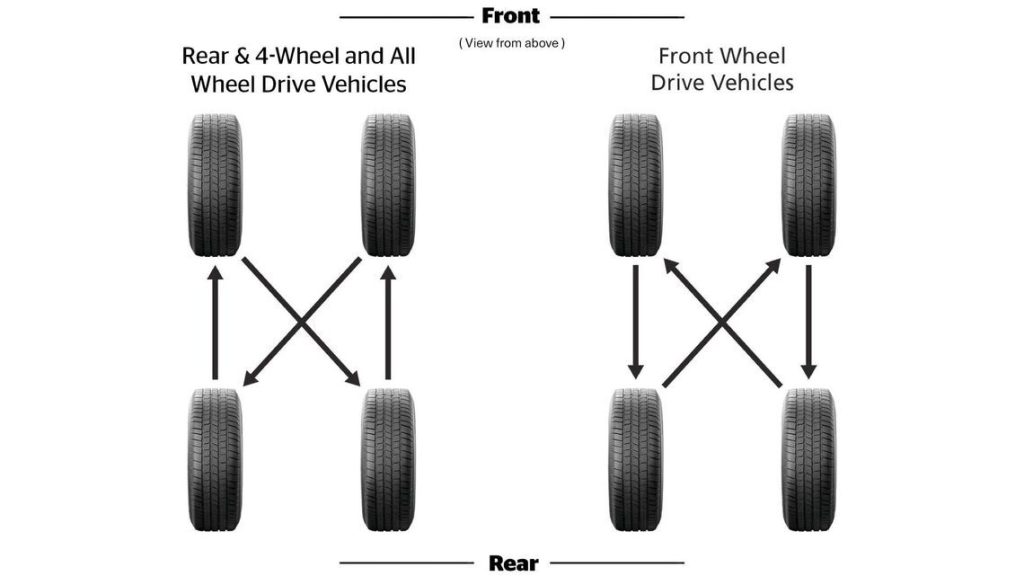
Front-wheel-drive Pattern
Front-wheel-drive cars wear front tires faster than rear tires. The front tires handle steering and power.
To balance wear, rotate tires in a special pattern. This helps all tires wear evenly over time.
- Move the front tires straight to the rear on the same side.
- Move the rear tires to the front but swap sides (left rear to right front).
Common Rotation Methods
Besides the front-wheel-drive pattern, there are other common ways to rotate tires. Each suits different drivetrains.
Using the right method keeps tire wear balanced and extends tire life.
- Rearward Cross:Rear tires move straight forward. Front tires cross to the rear opposite sides.
- X-Pattern:All tires switch sides and positions diagonally.
- Forward Cross:Front tires cross to the rear opposite sides. Rear tires move straight forward.

Credit: www.reddit.com
Step-by-step Rotation
Rotating tires on a front-wheel-drive car helps your tires wear evenly. This keeps your car safe and improves tire life.
Follow these steps to rotate your tires correctly and safely at home.
Preparing Your Car
Park your car on a flat, stable surface. Engage the parking brake to stop the car from moving.
Gather all tools you need: a jack, jack stands, and a lug wrench.
Loosening Lug Nuts
Before lifting the car, loosen the lug nuts on all four tires. Use the lug wrench to turn each nut counterclockwise.
Do not remove the nuts yet; just break them loose to make removal easier later.
Lifting The Vehicle
Place the jack under the car’s frame near a tire you want to lift. Use the jack to raise the car until the tire is off the ground.
Put jack stands under the car for safety. Never work under a car only supported by a jack.
Removing And Swapping Tires
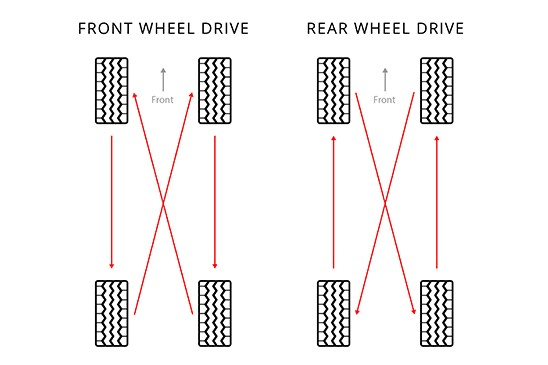
Remove the loosened lug nuts and take off the tire. On front-wheel-drive cars, move the front tires straight back to the rear.
Move the rear tires to the front but switch sides. This means the left rear tire goes to the right front, and the right rear goes to the left front.
- Front Left tire → Rear Left position
- Front Right tire → Rear Right position
- Rear Left tire → Front Right position
- Rear Right tire → Front Left position
Tightening Lug Nuts
Put the lug nuts back on the tires by hand. Tighten them as much as you can by hand first.
Lower the car from the jack stands. Use the lug wrench to fully tighten the nuts in a star pattern to keep the wheel balanced.
- Tighten one nut
- Move across to the opposite nut
- Repeat until all nuts are tight
Post-rotation Checks
After rotating tires on a front-wheel-drive car, some checks help keep you safe. These checks ensure your tires and wheels work well.
Two key points to check are the torque specifications and tire pressure. Proper attention here prevents problems on the road.
Torque Specifications
Tightening lug nuts to the right torque is very important. Too tight or too loose can cause damage or accidents.
| Vehicle Model | Lug Nut Torque (ft-lbs) |
| Compact Cars | 80 – 100 |
| Sedans | 90 – 110 |
| SUVs | 100 – 120 |
| Trucks | 120 – 140 |
Use a torque wrench to tighten lug nuts evenly in a crisscross pattern. This step prevents wheel warping.
Tire Pressure Adjustment
Check tire pressure after rotation. Proper pressure keeps tires safe and improves fuel efficiency.
- Use a reliable tire pressure gauge.
- Check pressure when tires are cold.
- Compare to the recommended pressure found in the owner’s manual or door sticker.
- Adjust pressure by adding or releasing air as needed.
Proper tire pressure helps tires wear evenly and improves car handling. Check pressure monthly for best results.
Credit: www.autoblog.com
Rotation Frequency
Rotating tires keeps your front-wheel-drive car’s tires wearing evenly. This helps your tires last longer and improves safety.
How often you rotate your tires depends on several factors. Knowing the right frequency helps you maintain your car well.
Recommended Intervals
Most car makers suggest rotating tires every 5,000 to 7,500 miles. This range fits normal driving conditions.
- Check your car owner’s manual for exact mileage.
- Rotate tires during oil changes for convenience.
- Follow a regular schedule to avoid uneven wear.
Factors Affecting Frequency
Some conditions can change how often you should rotate tires. These include driving style, road types, and tire quality.
| Factor | Effect on Rotation Frequency |
| Rough Roads | Rotate tires more often |
| Heavy Loads | Increase rotation frequency |
| Fast Driving | More frequent rotations needed |
| All-Season Tires | Standard rotation intervals |
| Performance Tires | Rotate more often |
Common Mistakes To Avoid
Rotating tires on a front-wheel-drive car helps your tires last longer. It also keeps your car safe to drive.
Many people make mistakes when rotating tires. These mistakes can cause uneven tire wear or damage.
Using The Wrong Rotation Pattern
Front-wheel-drive cars need a special tire rotation pattern. Using the wrong pattern can wear tires unevenly.
The correct pattern usually moves front tires to the back on the same side. Back tires cross to the front.
- Front left tire moves to back left
- Front right tire moves to back right
- Back left tire moves to front right
- Back right tire moves to front left
Not Checking Tire Pressure
Many forget to check tire pressure before and after rotation. Wrong pressure causes poor handling and faster wear.
Always measure tire pressure and inflate tires to the car maker’s recommended level. This keeps tires balanced.
Failing To Tighten Lug Nuts Properly
Lug nuts hold the tires on the car. If they are too loose, the tire can come off while driving.
Use a torque wrench and tighten lug nuts to the exact level in the car manual. Do not guess or guess too tight.
Skipping Tire Inspection
Some do not check tires for damage during rotation. This can miss problems like cracks or uneven wear.
Look for cuts, bubbles, or worn tread. Replace tires if damage is found to stay safe on the road.
Rotating Tires Too Late Or Too Early
Rotating tires at the wrong time reduces their life. Too early wastes time; too late causes uneven wear.
Follow the car’s service schedule. Usually, rotate tires every 5,000 to 7,000 miles for best results.

Credit: www.bfgoodrichtires.com
Frequently Asked Questions
How Often Should I Rotate Tires On A Front-wheel-drive Car?
Tire rotation is recommended every 5,000 to 7,500 miles. Regular rotation ensures even tire wear and extends tire life.
What Is The Correct Tire Rotation Pattern For Front-wheel-drive Cars?
For front-wheel-drive cars, use the forward cross pattern. Move front tires straight back and rear tires diagonally forward.
Can I Rotate Tires Myself Or Need A Professional?
You can rotate tires yourself if you have proper tools and knowledge. Otherwise, seek professional help for safety and accuracy.
Why Is Tire Rotation Important For Front-wheel-drive Vehicles?
Tire rotation balances tire wear, improves handling, and extends tire life. Front tires wear faster on front-wheel-drive cars, needing regular rotation.
Conclusion
Rotating tires on a front-wheel-drive car helps them wear evenly. This keeps your car safe and improves tire life. Check your owner’s manual for the right rotation pattern. Use simple tools and take your time doing it. Regular tire rotation saves money on replacements.
It also helps your car drive smoothly. Keep a schedule and stick to it. Small care steps make a big difference on the road.