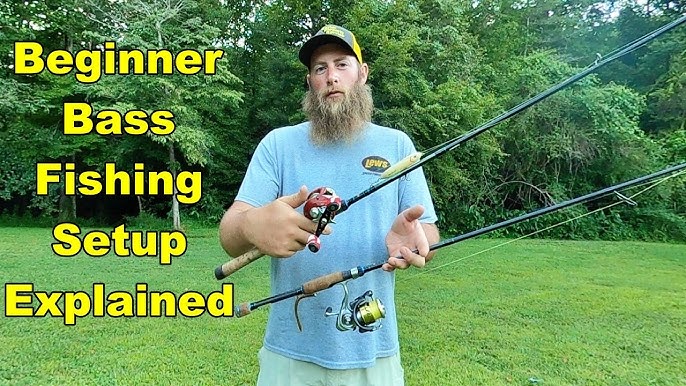
Setting up a fishing rod might seem tricky at first, but once you know the steps, it becomes quick and simple. Whether you’re a beginner or just need a refresher, this guide will help you get your fishing rod ready to catch fish in no time.
You’ll learn how to put everything together the right way, so you can spend less time struggling and more time enjoying your fishing adventure. Keep reading, and by the end, you’ll feel confident and ready to cast your line like a pro.
Choosing The Right Rod
Setting up a fishing rod begins with choosing the right one. The type of rod you select can affect your fishing success. Here are some factors to consider.
Types Of Fishing Rods
Fishing rods come in various types. Each type has its own strengths and weaknesses. Understanding these can help you make a good choice.
- Spinning Rods: Easy to use and great for beginners.
- Baitcasting Rods: Offer more control and precision.
- Fly Rods: Ideal for catching fish on fly baits.
- Trolling Rods: Best for deep-sea fishing adventures.
Selecting Based On Fish Species
The type of fish you aim to catch should guide your rod choice. Different fish require different rod characteristics for optimal results.
| Fish Species | Recommended Rod Type |
| Trout | Spinning Rod |
| Bass | Baitcasting Rod |
| Salmon | Fly Rod |
| Tuna | Trolling Rod |
Matching Rod Length And Power
Rod length and power are crucial for effective fishing. These features impact how you cast and manage fish on the line.

Credit: fishgenix.com
Gathering Essential Gear
Setting up a fishing rod needs the right gear. Good gear helps you catch fish easier.
Start by knowing what tools you need. Each part plays a key role in fishing success.
Picking The Right Reel
Choose a reel that fits your fishing style. Spinning reels are easy for beginners. Baitcasting reels give more control for skilled anglers.
- Spinning reels: Best for light lures and small fish
- Baitcasting reels: Good for heavy lures and big fish
- Spincast reels: Simple to use, great for kids and beginners
Selecting The Fishing Line
Pick a line that matches your reel and fishing type. The line strength, called test, shows how much weight it can hold.
| Line Type | Best Use | Strength (Test) |
| Monofilament | General fishing, flexible | 4-20 lbs |
| Fluorocarbon | Clear water, less visible | 6-30 lbs |
| Braid | Strong and thin, good for heavy cover | 10-50 lbs |
Choosing Hooks And Baits
Hooks come in many sizes. Match hook size to the fish you want. Baits attract fish and need to suit your fishing area.
- Small hooks for small fish like trout
- Large hooks for big fish like bass or catfish
- Live bait like worms or minnows work well
- Artificial baits include plastic worms and lures
Assembling The Rod
Setting up a fishing rod is simple if you follow the right steps. You need to put the parts together carefully.
This guide will help you attach the reel, thread the line, and tie strong knots.
Attaching The Reel
First, find the reel seat on the rod handle. It is usually near the bottom.
Place the reel foot into the seat and tighten the locking rings. Make sure the reel is secure and does not move.
Threading The Line
Pull the fishing line from the reel spool. Pass the line through each guide ring on the rod.
Start from the bottom near the reel and go to the tip of the rod. Make sure the line runs straight without twists.
Tying Secure Knots
Use strong knots to tie the line to the hook or lure. A common knot is the improved clinch knot.
Make sure the knot is tight and trim extra line to avoid tangles.
- Pass the line through the hook eye
- Wrap the line around itself 5 times
- Thread the end through the loop near the eye
- Pull tight and trim excess line

Credit: www.battlbox.com
Setting Up The Tackle
Setting up your fishing rod tackle is key to catching fish. The tackle helps your bait reach the right depth and stay in place.
Learn how to add weights, attach bobbers, and prepare bait or lures for a good fishing experience.
Adding Weights And Sinkers
Weights and sinkers help your bait sink to the fish’s depth. They keep your line steady in the water.
Choose the weight size based on the water current and type of fish you want to catch.
- Pinch or slide the weight onto your fishing line.
- Place it about 6 to 12 inches above the hook.
- Use heavier weights in fast water or strong wind.
- Use lighter weights in calm water or shallow spots.
Attaching Bobbers
Bobbers float on the water and show when a fish bites. They keep the bait suspended at the right depth.
Attach the bobber to your line above the hook. You can move it to change the depth of your bait.
- Clip or tie the bobber to the line.
- Set the bobber 1 to 3 feet above the hook.
- Adjust the bobber depth based on where fish swim.
- Watch the bobber for any sudden movement.
Preparing Bait And Lures
Choose the right bait or lure for the fish you want. Proper preparation helps attract fish better.
Hook the bait securely so it stays on the line while casting and fishing.
- For live bait, hook through the body or lips carefully.
- For artificial lures, attach them using the provided hooks or rings.
- Use fresh bait to attract more fish.
- Check bait often and replace if it falls off or dies.
Adjusting For Casting
Setting up your fishing rod correctly helps you cast better. Small adjustments make a big difference.
This guide covers key steps to adjust your rod for smooth, accurate casts.
Balancing The Rod
Balance your rod so it feels comfortable in your hand. A well-balanced rod reduces fatigue.
Hold the rod at the handle and check if it tilts forward or backward. Adjust the reel position if needed.
- Make sure the rod does not tip too much forward or back
- Move the reel closer or further from the handle to improve balance
- Test the feel before casting
Checking Line Tension
Line tension affects how far and smooth your cast will be. Too loose or too tight line causes problems.
Pull the line gently to feel the tension. Adjust the drag on your reel to set the right tightness.
- Line should pull out smoothly but with some resistance
- Too tight tension can break the line
- Too loose tension reduces casting distance
Practicing Casting Techniques
Practice helps you control the rod and improve your casting accuracy. Start with slow, smooth motions.
Try casting in an open area. Focus on timing your release and following through with the rod.
- Hold the rod firmly but not too tight
- Swing the rod back then forward in one smooth motion
- Release the line at the right moment for best distance
- Repeat until your casts feel natural
Maintaining Your Setup
Keeping your fishing rod and reel in good shape helps them last longer. Regular care makes your setup work better each time you fish.
Simple maintenance tasks can prevent damage and save you money. Let’s look at some key ways to care for your gear.
Cleaning The Rod And Reel
After fishing, rinse your rod and reel with fresh water. This removes salt, dirt, and debris that cause wear.
Use a soft cloth to wipe everything dry. Avoid harsh chemicals that can damage the finish.
- Rinse rod guides and reel parts gently
- Dry all parts with a soft towel
- Use mild soap if needed, then rinse well
- Clean the reel spool and line regularly
Replacing Worn Components
Check your rod and reel for worn parts often. Replace broken guides, handles, or line to keep fishing smooth.
Old fishing line can snap easily. Change it when it looks frayed or weak.
- Inspect guides for cracks or rough spots
- Replace damaged reel handles or knobs
- Change fishing line after several uses
- Keep spare parts handy for quick fixes
Storage Tips For Longevity
Store your rod and reel in a dry, cool place. Avoid direct sunlight to prevent fading and damage.
Keep your gear off the floor and away from heavy objects. Use a rod rack or case to protect it during storage.
- Store rods vertically or horizontally on racks
- Keep reels covered to avoid dust buildup
- Loosen drag on reels before storing
- Use rod sleeves or tubes for extra protection

Credit: fishingbooker.com
Frequently Asked Questions
How Do I Choose The Right Fishing Rod?
Choose a fishing rod based on your target fish species and fishing style. Consider rod length, power, and action for best results.
What Are The Basic Steps To Set Up A Fishing Rod?
Attach the reel, thread the line through guides, tie a hook or lure, and adjust the drag. Test for smooth line flow.
How Do I Properly Spool A Fishing Reel?
Secure the reel, attach the line, and wind it evenly on the spool. Maintain tension to avoid line twists and tangles.
What Type Of Fishing Line Should I Use?
Select line based on fishing conditions and target fish. Monofilament suits beginners, braid offers strength, and fluorocarbon is nearly invisible.
Conclusion
Setting up a fishing rod is easier than it seems. Follow each step carefully to avoid mistakes. Choose the right rod, reel, line, and hook. Attach them properly for smooth casting and reeling. Practice a few times before going fishing.
A well-prepared rod helps you catch more fish. Enjoy your time outdoors with confidence. Keep your gear ready for your next trip. Simple steps lead to great fishing fun.