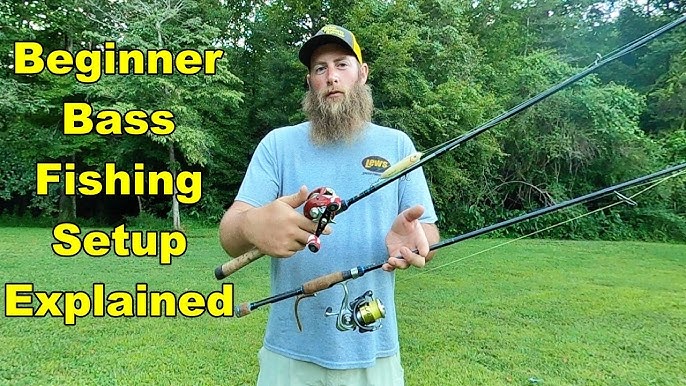
Setting up your fishing rod the right way can make all the difference between a great day on the water and a frustrating one. You might feel unsure about where to start or worried you’ll miss a step.
Don’t worry—this guide will walk you through every part of setting up your rod, quickly and simply. By the end, you’ll feel confident and ready to catch your next big fish. Keep reading, and you’ll discover easy tips that even beginners can follow to get your gear working perfectly for you.
Credit: www.texaskayakfisher.com
Choosing The Right Rod
Picking the right fishing rod is key to having a good fishing trip. The rod affects how you cast, feel the fish, and land your catch.
Different rods fit different fishing styles and fish types. Learning about rods helps you choose the best one for your needs.
Types Of Fishing Rods
Fishing rods come in several types. Each type works well for certain fishing situations and techniques.
- Spinning rods are good for beginners and light lures.
- Baitcasting rods offer control for heavier lures and big fish.
- Fly rods are used for fly fishing with lightweight flies.
- Trolling rods work for fishing from moving boats.
Choose the rod type that matches how you want to fish and where you plan to fish.
Selecting Based On Fish Species
Different fish need different rods. Small fish need light rods. Big fish need strong, heavy rods.
- Light rods for trout, panfish, and small bass.
- Medium rods for larger bass, walleye, and catfish.
- Heavy rods for pike, muskie, and saltwater fish.
Match the rod power to the size and strength of the fish you want to catch.
Material And Length Considerations
Fishing rods are made from different materials. Each material changes how the rod feels and performs.
- Fiberglass rods are durable and flexible. Good for beginners.
- Graphite rods are light and sensitive. Good for feeling bites.
- Composite rods mix both materials for balance.
Rod length matters too. Short rods are easier to control. Long rods cast farther.
- Short rods (5-6 feet) are good for fishing in tight spaces.
- Medium rods (6-7 feet) work well for most fishing types.
- Long rods (7-9 feet) help cast far in open water.
Gathering Essential Equipment
Setting up a fishing rod starts with having the right equipment. Good tools make fishing easier and more fun.
You need to pick a reel, line, and hooks that fit the fish you want to catch. Let’s look at these parts.
Fishing Reel Options
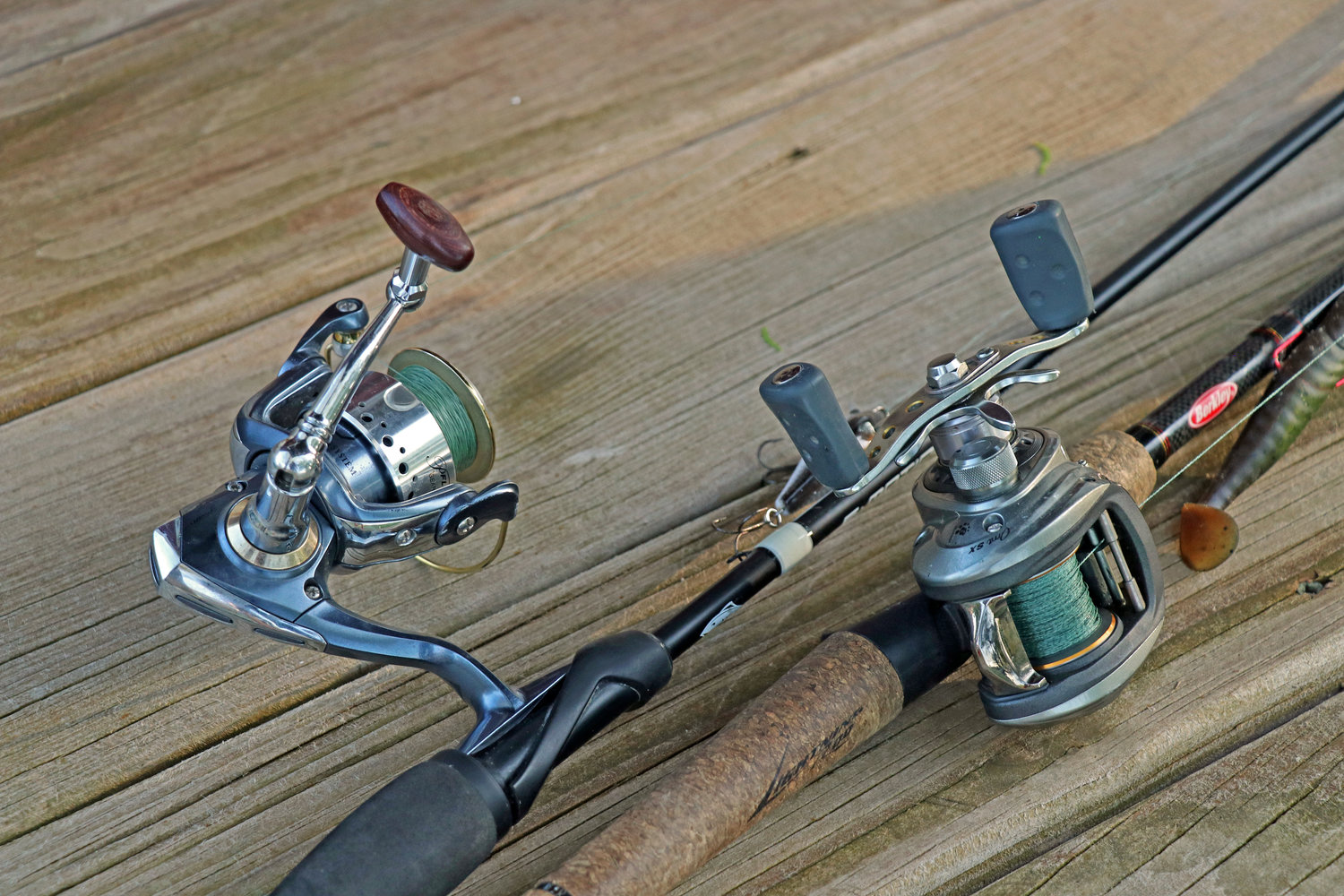
A fishing reel holds the fishing line and helps you cast and reel in fish. There are different types for different fishing styles.
Spinning reels are good for beginners. They are easy to use and work for many fish. Baitcasting reels offer more control for skilled fishers. Spincast reels are simple and low maintenance.
- Spinning reels: easy, versatile
- Baitcasting reels: precise, for experienced users
- Spincast reels: simple, good for kids
Fishing Line Varieties
Fishing lines connect your rod to the hook. Choose a line that is strong enough for your fish but still easy to cast.
Monofilament lines are soft and stretch a little. Fluorocarbon lines are harder to see underwater. Braided lines are very strong and thin.
- Monofilament: stretchy, good for beginners
- Fluorocarbon: nearly invisible, sinks fast
- Braided: very strong, no stretch
Hooks, Baits, And Lures
Hooks catch the fish. Baits and lures attract fish to bite. Pick sizes and types that suit your target fish.
Live bait like worms works well for many fish. Artificial lures come in many shapes and colors to copy real prey. Match your bait or lure to the fish’s food.
- Hooks: choose size based on fish type
- Live bait: worms, minnows, insects
- Lures: spoons, spinners, soft plastics
Assembling The Rod
Setting up your fishing rod correctly helps you enjoy fishing more. Each part must be attached properly for best use.
This guide covers attaching the reel, threading the line, and securing the hook and bait.
Attaching The Reel
Start by fitting the reel into the reel seat of the rod. Make sure it fits snugly without wobbling.
Tighten the locking mechanism to hold the reel firmly in place. Check that the reel handle turns freely.
Threading The Line
Pull the fishing line from the reel spool. Pass the line through each guide on the rod, starting from the bottom.
- Start with the guide closest to the reel.
- Thread the line through every guide until you reach the tip.
- Keep the line straight and tight during threading.
Securing The Hook And Bait
Attach a hook to the end of the line using a secure knot. The improved clinch knot is a good choice.
| Knot Type | Ease of Tying | Strength |
|---|---|---|
| Improved Clinch Knot | Easy | Strong |
| Palomar Knot | Moderate | Very Strong |
| Loop Knot | Moderate | Strong |
Once the hook is tied, add bait carefully. Use natural bait or artificial lures depending on your fishing style.

Credit: fishgenix.com
Setting The Drag System
The drag system on a fishing rod helps control the tension on the line. Setting it right keeps your line from breaking.
Adjusting the drag correctly makes fishing easier and safer for both you and the fish.
Purpose Of Drag
The drag system lets the fishing line pull out smoothly. It stops the line from snapping under pressure.
It also tires out the fish by giving it some line to pull. This helps you reel in the fish more easily.
Adjusting For Different Fish
Set the drag stronger for big, strong fish. A weak drag can break the line quickly.
Use a lighter drag for small fish to avoid tearing the bait or line.
- Big fish: Tighten drag for more resistance
- Small fish: Loosen drag for gentle pressure
- Always test drag by pulling line before fishing
Casting Techniques
Learning how to cast your fishing rod well helps you catch more fish. Good casting sends your bait to the right spot with ease.
This guide covers basic casting steps, tips for better aim, and common mistakes to avoid.
Basic Casting Steps
Follow these simple steps to cast your fishing rod correctly and safely every time.
- Hold the rod firmly with your dominant hand.
- Open the bail arm on the reel to release the line.
- Pull the line back slightly with your other hand.
- Swing the rod forward smoothly toward your target.
- Release the line by letting go with your finger at the right time.
- Close the bail arm after the lure lands in the water.
Tips For Accurate Casting
Accuracy helps place your lure where fish are likely to bite. Try these tips to improve your aim.
- Look at your target before casting.
- Use a smooth and steady motion.
- Practice short casts to build control.
- Adjust your stance to stay balanced.
- Keep your wrist firm but flexible.
Common Casting Mistakes
| Mistake | Effect | How to Fix |
|---|---|---|
| Releasing line too early | Short or weak cast | Watch timing and release at full forward swing |
| Not opening bail arm | Line tangles or breaks | Always open bail before casting |
| Overusing wrist | Less power and accuracy | Use whole arm for smooth motion |
| Wrong stance | Loss of balance | Stand with feet shoulder-width apart |

Credit: fishingbooker.com
Maintaining Your Fishing Rod
Taking care of your fishing rod helps it last longer. Regular maintenance keeps it working well.
Simple steps like cleaning, storing, and checking can protect your rod. Follow these tips to keep your gear ready.
Cleaning After Use
Clean your fishing rod after every trip. Dirt, salt, and debris can damage it over time.
Use fresh water and a soft cloth to wipe the rod and guides. Avoid harsh chemicals that can harm the finish.
- Rinse with fresh water to remove salt and dirt
- Use mild soap if needed for sticky spots
- Dry the rod completely before storing
Storage Tips
Store your fishing rod in a dry, cool place to prevent damage. Avoid places with high heat or humidity.
Keep rods upright or in a special rack to stop them from bending or warping.
- Use a rod holder or rack for support
- Keep rods away from direct sunlight
- Cover rods with a cloth or case to protect from dust
Regular Inspections
Check your fishing rod often for damage. Look at guides, reel seats, and the rod blank.
Fix small issues early to avoid bigger problems later.
- Look for cracks or chips on the rod
- Check guides for bent rings or rust
- Tighten reel seat and handle parts
Frequently Asked Questions
How Do I Assemble A Fishing Rod Correctly?
Start by attaching the reel to the rod’s reel seat firmly. Next, thread the fishing line through each guide from tip to base. Finally, tie the appropriate knot to secure your lure or hook.
What Type Of Fishing Line Should I Use?
Choose a fishing line based on your target fish size. Monofilament lines suit beginners; braided lines offer strength, and fluorocarbon lines provide invisibility underwater.
How Do I Tie A Fishing Hook To The Line?
Use a strong knot like the improved clinch knot. Pass the line through the hook eye, wrap it around five times, then pull tight to secure.
How To Set The Drag On A Fishing Reel?
Adjust the drag by turning the knob near the reel handle. Set it tight enough to tire fish but loose enough to prevent line breakage.
Conclusion
Setting up a fishing rod is easier than it seems. Follow the steps carefully and take your time. Choose the right reel, line, and hook for your fishing style. Make sure the line is strong and tied well. Check the rod guides for smooth casting.
Practice casting in an open area before fishing. Enjoy the process and learn from each try. Soon, you will feel confident and ready to catch fish. Fishing brings peace and fun to many people. Now, grab your rod and start your fishing adventure!