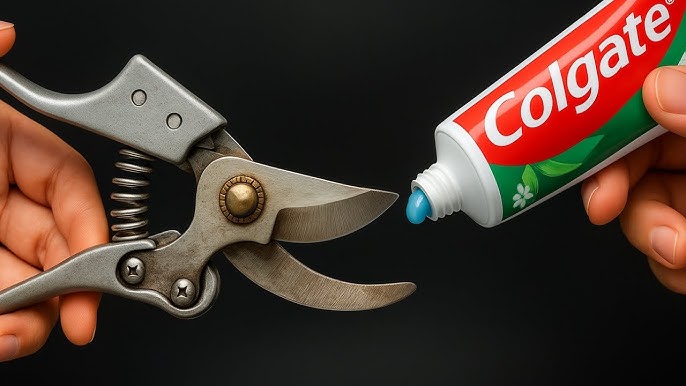
Are your pruning shears feeling dull and making your gardening chores harder than they should be? You might not realize it, but sharp shears can make a huge difference in how cleanly and easily you cut your plants.
If you want your garden to thrive, keeping your tools in top shape is key. In this guide, you’ll discover simple, step-by-step ways to sharpen your pruning shears quickly and safely. By the end, you’ll be ready to tackle your next pruning task with confidence and ease.
Let’s get started!

Credit: m.youtube.com
Tools Needed
Sharpening pruning shears keeps them cutting clean and easy. Using the right tools helps you do the job well.
Here are the main tools you will need to sharpen pruning shears safely and effectively.
Essential Sharpening Tools
You need tools that will sharpen the blade and make it smooth. Each tool has a specific role in the process.
- Sharpening Stone:Use a fine-grit stone for a sharp edge.
- Diamond File:Good for hard or very dull blades.
- Lubricating Oil:Helps the blade move smoothly during sharpening.
- Cleaning Brush:Removes dirt and sap before sharpening.
- Cloth Rag:For wiping the blade clean after sharpening.
Safety Equipment
Safety is important when sharpening pruning shears. The tools can be sharp and cause injury if not handled well.
- Protective Gloves:Wear gloves to protect your hands from cuts.
- Safety Glasses:Prevent small metal particles from getting in your eyes.
- Stable Work Surface:Use a solid table or bench to keep tools steady.
Preparing The Shears
Keeping your pruning shears sharp is essential for clean cuts. Preparing them properly makes the sharpening process easier and more effective.
Before sharpening, ensure your shears are ready. This involves cleaning and possibly disassembling them.
Cleaning The Blades
Clean blades cut better and last longer. Dirt and sap can dull them quickly.
- Use a damp cloth to wipe off dirt.
- Apply rubbing alcohol to remove sap.
- Dry the blades with a clean towel.
Disassembling If Necessary
Sometimes you need to take shears apart. This helps you reach hidden areas for cleaning and sharpening.
Refer to the manual for disassembly instructions. Be careful with small parts.
| Tool | Purpose |
| Screwdriver | Remove screws |
| Wrench | Loosen nuts |
| Brush | Clean small parts |
Sharpening Techniques
Pruning shears need sharp blades to cut cleanly and safely. Dull blades can damage plants and make cutting hard.
There are several ways to sharpen pruning shears. Each method suits different tools and skill levels.
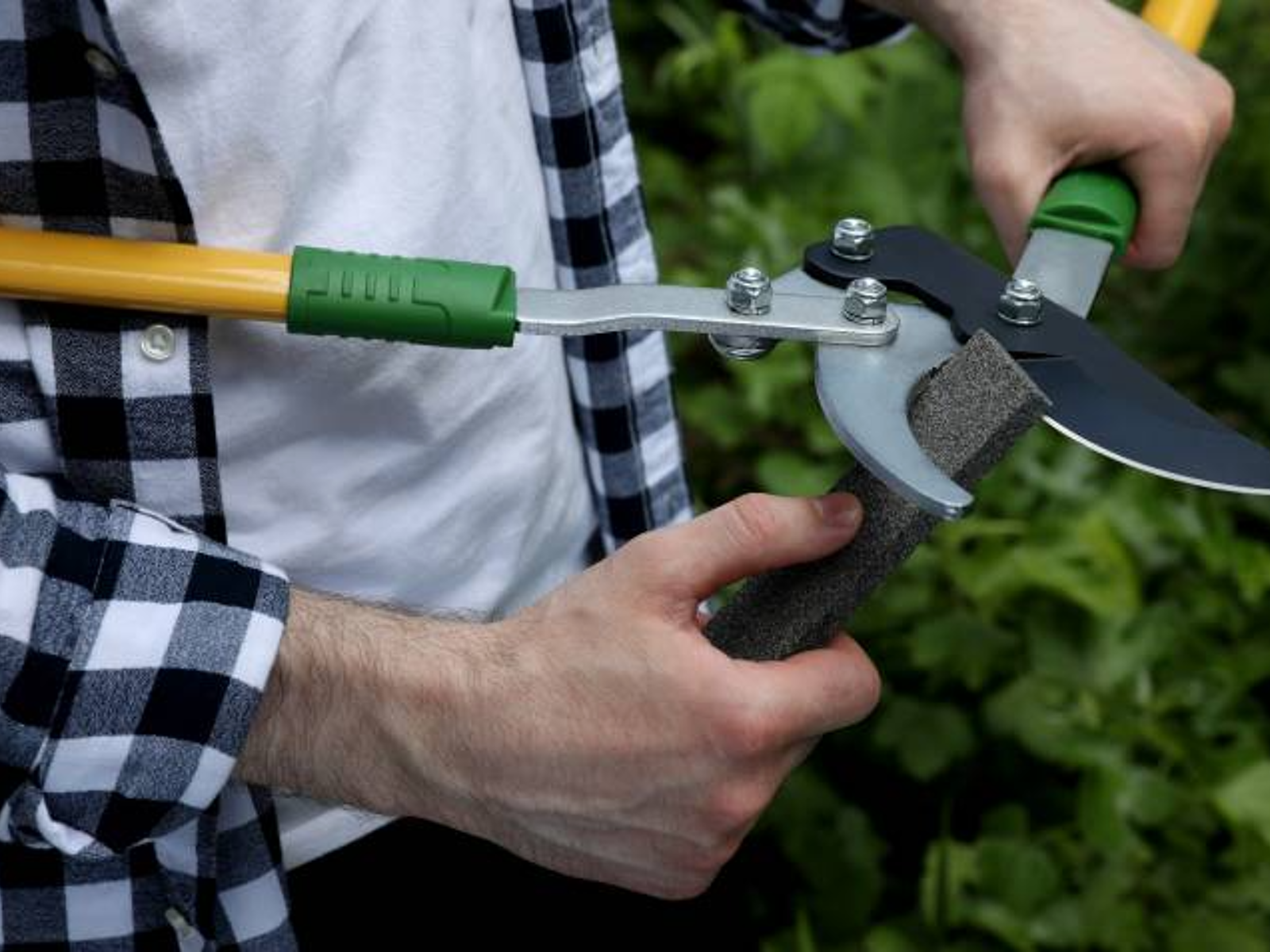
Using A Sharpening Stone
Sharpening stones are simple and effective. They come in coarse and fine grits for different sharpening stages.
To use a sharpening stone:
- Clean the shears to remove dirt and sap.
- Soak the sharpening stone in water for 5 to 10 minutes if it is a water stone.
- Hold the blade at a 20 to 30-degree angle against the stone.
- Move the blade back and forth across the stone, keeping the angle steady.
- Repeat until the blade feels sharp, then switch to the finer grit stone for finishing.
- Wipe the blade clean and oil it to prevent rust.
Using A Diamond File
Diamond files are good for hard metals and quick touch-ups. They last long and do not wear down.
Follow these tips for using a diamond file:
- Hold the pruning shear firmly on a stable surface.
- File the blade edge in one direction, away from your body.
- Use smooth, even strokes to avoid uneven edges.
- Check the sharpness often to avoid over-filing.
- Clean and oil the blade after sharpening.
Using A Sharpening Tool
Sharpening tools come in different types like pull-through sharpeners and electric sharpeners.
| Tool Type | How to Use | Best For |
|---|---|---|
| Pull-Through Sharpener | Pull blade through slots several times | Quick sharpening |
| Electric Sharpener | Hold blade to rotating sharpening wheels | Fast and easy sharpening |
| Manual Sharpener | Move blade against abrasive surface | Controlled sharpening |
Always follow the tool’s instructions. Keep the blade angle steady and do not rush the process.

Credit: www.reddit.com
Sharpening Steps
Keeping pruning shears sharp makes cutting plants easier. Dull blades tear branches and hurt plants. Follow simple steps to sharpen your pruning shears well.
Sharpening requires attention to the blade angle, stroke direction, and how many passes you make. Checking sharpness helps you know when to stop.
Angle And Stroke Direction
Hold the sharpening tool at the same angle as the blade edge. This angle is usually around 20 to 30 degrees. Keeping the right angle helps keep the blade sharp and strong.
Use smooth, even strokes in one direction along the blade. Do not saw back and forth. Stroke away from your body to stay safe and keep the edge clean.
- Hold the file or stone at 20-30 degrees
- Stroke the blade edge in one direction
- Avoid sawing back and forth
- Move away from your body for safety
Number Of Passes
Make several passes with the sharpening tool on the blade edge. Too few passes will not sharpen well. Too many can damage the blade.
Start with about 5 to 10 passes. Check the blade edge often. Add more passes if needed, but do not overdo it.
- Begin with 5 to 10 passes
- Check the blade edge after passes
- Add more passes if blade is still dull
- Stop if edge feels sharp and smooth
Checking Sharpness
Test sharpness by gently slicing a piece of paper or a thin branch. The blade should cut cleanly and easily. If it tears or slips, sharpen more.
Look closely at the blade edge. A sharp blade has no dents or rough spots. Use your finger carefully to feel for smoothness, but be cautious.
- Cut paper or thin branch to test sharpness
- Blade should cut cleanly without tearing
- Check blade edge for dents or rough spots
- Feel edge gently for smoothness
Finishing Touches
Sharpening pruning shears is not complete without the finishing touches. These steps help keep your shears working smoothly and lasting longer.
After sharpening, take time to remove burrs, lubricate the blades, and reassemble your shears carefully.
Removing Burrs
Sharpening can leave small metal burrs on the blade edges. These burrs reduce cutting quality and can cause damage.
Use a fine file or sharpening stone to gently remove burrs. Lightly run it along the blade edge until smooth.
- Hold the blade steady.
- Work on the opposite side of the sharpened edge.
- Use gentle, even strokes.
Lubricating The Blades
Lubrication helps pruning shears move easily and stops rust from forming. Use a light oil made for garden tools.
Apply a small amount of oil on both blades. Open and close the shears several times to spread the oil evenly.
- Wipe off any extra oil with a clean cloth.
- Focus on the pivot area for smooth action.
- Lubricate regularly to keep blades in good shape.
Reassembling The Shears
After cleaning and oiling, put your pruning shears back together carefully. Check that all parts fit correctly.
Tighten screws or bolts without forcing them. The blades should open and close smoothly without wobbling.
- Align the blades properly before tightening.
- Test the shears on a small branch to check cutting.
- Adjust tension if the shears feel loose or stiff.
Credit: www.airtasker.com
Maintenance Tips
Keeping your pruning shears sharp and clean helps them last longer. Regular care makes cutting easier and safer.
Follow simple steps to maintain your shears well. These tips cover cleaning, storage, and knowing when to sharpen again.
Regular Cleaning
After each use, clean your pruning shears to remove sap and dirt. This prevents rust and keeps the blades sharp.
- Wipe blades with a damp cloth
- Use soapy water for sticky residue
- Dry blades thoroughly to avoid rust
- Apply a light coat of oil to blades and pivot
Storage Suggestions
Proper storage protects your pruning shears from damage and rust. Keep them in a dry, safe place.
| Storage Tip | Benefit |
| Keep shears in a dry toolbox | Prevents rust |
| Store blades closed and locked | Protects blade edges and safety |
| Use blade covers if available | Prevents accidental cuts and damage |
When To Sharpen Again
Sharpen pruning shears when cutting feels hard or blades crush stems. Sharp blades cut cleanly and reduce plant damage.
- Check blade sharpness before each gardening session
- Sharpen blades if they slip or tear plant stems
- Regularly sharpen to keep blades in top condition
Frequently Asked Questions
How Often Should I Sharpen Pruning Shears?
Sharpen pruning shears every few months or after heavy use. Regular sharpening keeps blades effective and prolongs tool life. Dull blades cause damage and make cutting harder.
What Tools Do I Need To Sharpen Pruning Shears?
Use a sharpening stone, diamond file, or sharpening tool. Clean shears before sharpening. Choose tools based on blade type and condition for best results.
Can I Sharpen Pruning Shears Myself Safely?
Yes, sharpening pruning shears at home is safe. Wear gloves, use steady hands, and follow proper techniques. Keep blades clean and sharp for optimal performance.
How Do I Know When Pruning Shears Need Sharpening?
If cutting feels tough or blades crush stems, sharpen them. Inspect blades for nicks, rust, or dull edges. Sharp shears make clean cuts easily.
Conclusion
Sharpening pruning shears keeps them working well and safe. Use a sharpening tool often to cut cleanly every time. Clean your shears before and after sharpening to stop rust. A sharp blade helps plants heal faster and grow strong. Taking care of your tools saves money and time.
Simple steps can make your gardening easier and more fun. Keep practicing to get better at sharpening your shears. Good tools make a big difference in your garden work.