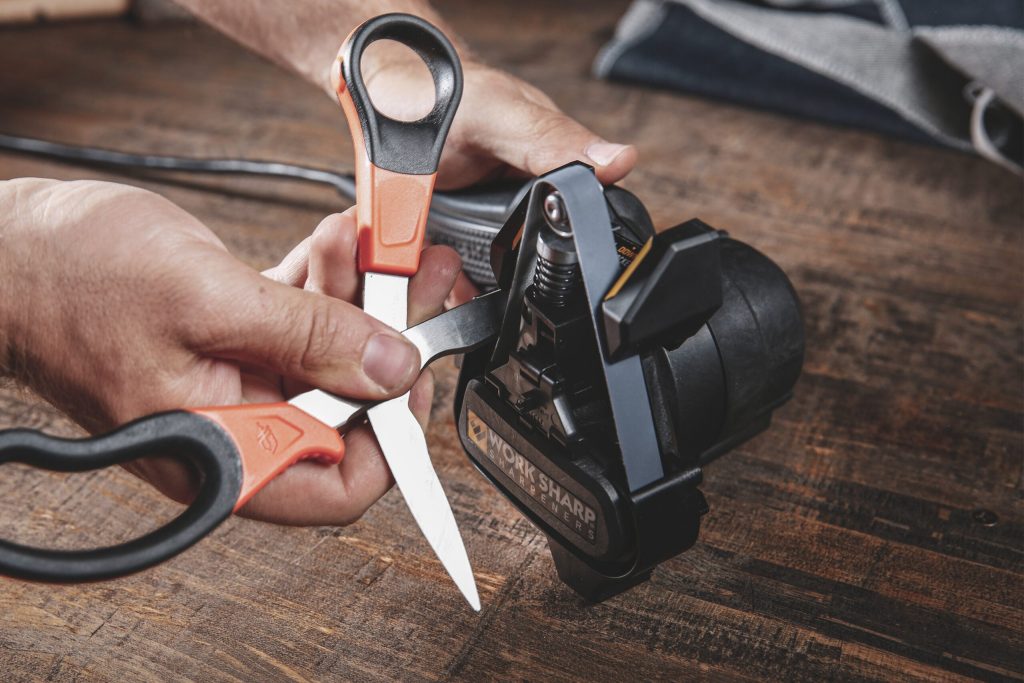
Are your shears not cutting as smoothly as they used to? You might think it’s time to buy new ones, but what if you could bring them back to life with a simple sharpening trick?
Sharpening your shears isn’t as hard as you might think. In fact, with the right steps, you can save money and enjoy perfect cuts every time. Keep reading, and you’ll discover easy methods to sharpen your shears quickly—so your tools work like new again.
Don’t let dull blades hold you back!
Tools Needed
Sharpening shears requires the right tools to make the process easy and safe. Using proper equipment helps keep your shears sharp and ready for use.
This guide covers the types of sharpening tools and the safety equipment you need before starting.
Types Of Sharpening Tools
There are several tools you can use to sharpen shears. Each tool works differently and suits different skill levels.
- Whetstone:A flat stone used to grind and hone edges. It offers good control and a smooth finish.
- Sharpening Steel:A rod used mainly for straightening blades rather than sharpening.
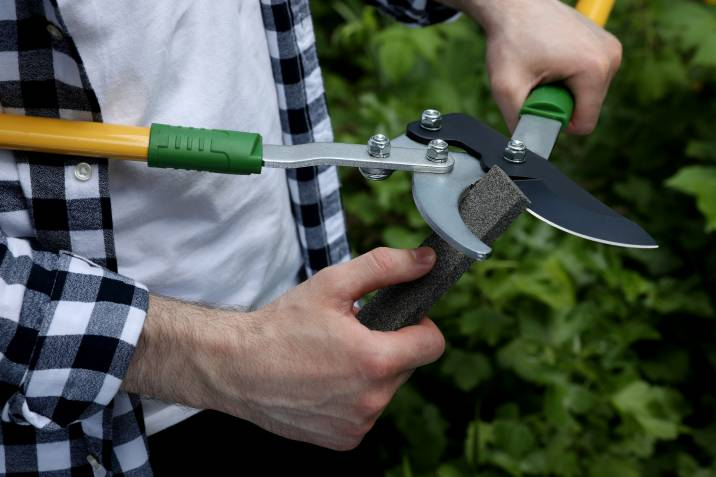
- Diamond Sharpener:A small, handheld tool with diamond-coated surfaces for quick sharpening.
- File:A metal tool with a rough surface for removing nicks and reshaping blades.
- Electric Sharpener:A powered tool that quickly sharpens blades but requires careful use.
Safety Equipment
Safety gear protects you from injuries while sharpening your shears. Always wear the right equipment before starting.
| Safety Item | Purpose |
| Protective Gloves | Shield hands from sharp edges and accidental cuts |
| Safety Glasses | Protect eyes from flying metal particles or dust |
| Dust Mask | Prevent inhalation of fine sharpening dust |
| Stable Work Surface | Keep tools steady to avoid slips and accidents |

Credit: www.youtube.com
Prepare The Shears
Sharpening shears starts with good preparation. This step ensures better results and safety.
Proper care before sharpening helps the blades last longer and work smoothly.
Clean The Blades
Remove dirt, sap, and rust from the blades before sharpening. Clean blades sharpen evenly and safely.
- Use warm, soapy water to wash the blades.
- Scrub gently with a soft brush or cloth.
- Dry the blades fully to prevent rust.
- Apply a light oil coat to stop corrosion.
Disassemble If Possible
Take the shears apart if you can. This gives better access to the blades and parts.
| Part | Reason to Disassemble |
| Blades | Sharpen each blade fully and clean edges |
| Spring | Check for damage and clean it |
| Pivot Screw | Remove to separate blades and adjust tension |
Sharpening Techniques
Sharpening shears is important for clean cuts. Dull shears can damage plants and make work harder.
There are different ways to sharpen your shears. Here are some common techniques you can use.
Using A Sharpening Stone
A sharpening stone is a simple tool. It is great for sharpening the blades of your shears.
First, wet the stone with a little water. Hold the shear blade at a 10-degree angle and rub it against the stone.
- Ensure even pressure for consistent sharpening
- Move the blade across the stone in one direction
- Repeat on the other blade for balanced sharpness
Using A Sharpening File
A sharpening file is another option. It is easy to use and effective for shears.
Clamp the shear blade in a vice for stability. File along the edge of the blade following its original angle.
- Use long, smooth strokes
- File both sides of the blade evenly
- Check sharpness after a few strokes
Using A Sharpening Rod
A sharpening rod is useful for quick touch-ups. It is handy for maintaining the edge of your shears.
Hold the rod in one hand and the shear in the other. Run the blade along the rod several times.
- Maintain a consistent angle
- Use light pressure to avoid damaging the blade
- Repeat on the other blade for even sharpness

Credit: www.reddit.com
Sharpening Process
Sharpening shears keeps them cutting cleanly and safely. It requires attention to detail and the right technique.
Understanding the proper angle, stroke direction, and pressure helps extend the life of your shears.
Angle To Maintain
Keeping the correct angle is key for sharpness. Most shears need a 30 to 40 degree angle on the blade edge.
Use a sharpening stone or file that matches this angle. Consistency prevents damage and ensures a fine edge.
Stroke Direction And Pressure
Move the sharpening tool in one smooth direction. Avoid back and forth strokes that can dull the edge.
- Start from the base of the blade
- Stroke towards the tip
- Use light, even pressure
- Repeat evenly on both blades
Checking Sharpness
| Method | How to Check |
|---|---|
| Paper Test | Cut a sheet of paper cleanly without tearing. |
| Visual Inspection | Look for a smooth, even edge with no nicks. |
| Fingernail Test | Gently drag the blade on your nail to feel for a bite. |
Reassemble And Test
After sharpening your shears, it is important to put them back together carefully. Testing them ensures they work well and cut smoothly.
Follow each step to reassemble your shears and check their sharpness before using them again.
Reattach Blades
Place the blades back in their correct positions. Make sure the sharp edges face each other and align properly.
Secure the blades with the screw or bolt you removed earlier. Tighten it enough to hold the blades firmly but allow smooth movement.
Adjust Tension
Check the tension of the blades by opening and closing the shears. They should move easily without wobbling.
Use the tension screw to tighten or loosen the blades. Proper tension helps the shears cut cleanly without damaging the material.
- If blades feel loose, tighten the screw slightly.
- If blades feel stiff, loosen the screw a little.
- Find a balance where blades move smoothly and stay aligned.
Cut Test Materials
Try cutting different materials to test sharpness. Use paper, fabric, or thin cardboard for best results.
Watch for smooth, clean cuts without tearing or snagging. If cuts are rough, you may need to sharpen the blades again.
- Cut a sheet of paper in a straight line.
- Try cutting a piece of fabric gently.
- Check if the shears slide through materials easily.
Credit: www.airtasker.com
Maintenance Tips
Keeping your shears sharp makes cutting easier and safer. Good maintenance helps your shears last longer.
Regular care includes cleaning, storing, and sharpening your shears properly.
Regular Cleaning
Clean shears after each use to remove sap, dirt, and hair. This prevents rust and buildup on blades.
Use a soft cloth and warm soapy water to wipe the blades. Dry them completely before storing.
- Wipe blades with a damp cloth
- Use mild soap for sticky residue
- Dry blades thoroughly to stop rust
- Apply a light oil to keep blades smooth
Proper Storage
Store shears in a dry, safe place to avoid damage. Keep blades closed and locked if possible.
A sheath or blade cover protects the edges and prevents accidents. Avoid tossing shears in a drawer.
- Keep shears in a clean, dry area
- Use blade covers or cases
- Store away from children and pets
- Do not leave shears in damp places
Routine Sharpening
Sharpen shears regularly to maintain a clean cut. Dull blades damage plants and require more force.
Use a sharpening stone or tool made for shears. Follow the blade angle and sharpen both sides evenly.
- Check blade sharpness before use
- Use the correct sharpening tools
- Maintain the original blade angle
- Sharpen blades gently and evenly
- Test cut on a scrap before heavy use
Frequently Asked Questions
How Often Should I Sharpen My Shears?
Sharpen shears when they feel dull or cut unevenly. Regular use may require sharpening every 3-6 months. Proper maintenance extends their lifespan and ensures clean cuts.
What Tools Do I Need To Sharpen Shears?
Use a sharpening stone, fine-grit sandpaper, or a diamond file. Additionally, have a screwdriver for blade adjustment and oil for lubrication after sharpening.
Can I Sharpen Shears At Home Safely?
Yes, sharpening shears at home is safe with proper tools and care. Follow step-by-step instructions and wear protective gloves to avoid injuries.
How Do I Know If My Shears Need Sharpening?
Check if your shears tear or snag fabric instead of cutting smoothly. Dull blades also require more effort and cause uneven cuts.
Conclusion
Sharpening shears keeps them working well and cuts clean. Use the right tools and follow safe steps each time. Regular sharpening saves money and makes your work easier. A sharp blade means less effort and better results. Take care of your shears, and they will last longer.
Try sharpening soon to see the difference yourself. Simple care leads to smooth, precise cutting every day.