Are you tired of losing fish because your hook isn’t tied properly? Knowing how to tie a hook on a fishing line is one of the most important skills every angler needs.
It’s simple, yet it makes a huge difference in your fishing success. Imagine feeling confident that your hook won’t slip or come loose just when you get a bite. You’ll learn easy, step-by-step methods to tie your hook strong and secure.
Keep reading, and you’ll be ready to catch more fish on your next trip.

Credit: n1outdoors.com
Choosing The Right Fishing Hook
Choosing the correct fishing hook is important for a successful catch. The right hook fits the fish size and bait type well.
Many hooks come in different shapes and sizes. Knowing the options helps you pick the best one for your fishing needs.
Types Of Fishing Hooks
Fishing hooks vary in design. Each type works best for certain fish and bait. Here are common hook types:
- J-Hook: Classic design, good for most fishing styles.
- Circle Hook: Curved shape, reduces fish injury.
- Treble Hook: Three points, used for lures.
- Siwash Hook: Single hook with an open eye, often on spoons.
- Octopus Hook: Short shank, works well for live bait.
Factors To Consider
| Factor | Details |
|---|---|
| Fish Size | Choose a hook size that matches the fish you want to catch. |
| Bait Type | Match the hook shape and size to the bait for better hooking. |
| Fishing Location | Consider water type and fish species in the area. |
| Hook Strength | Stronger hooks are needed for bigger or stronger fish. |
| Hook Point Style | Sharp points help in better penetration and holding fish. |
Selecting The Appropriate Fishing Line
Choosing the right fishing line is important before tying a hook. The line must be strong enough and suit the type of fishing.
Using the proper line helps catch fish better and prevents losing the hook or fish.
Different Types Of Fishing Lines
There are several types of fishing lines. Each type works well in different situations.
- Monofilament: This line is flexible and easy to handle. It is good for beginners.
- Fluorocarbon: This line is nearly invisible underwater. It is strong and sinks fast.
- Braid: This line is very strong and thin. It lasts a long time and resists abrasion.
Choose a type based on water clarity, fish type, and fishing method.
Choosing The Right Strength
Fishing line strength is measured in pounds. It tells how much weight the line can hold before breaking.
Pick a line strength that matches the fish you want to catch. Too weak and the line breaks. Too strong and the fish may not bite.
- Light strength (2-6 lb): Good for small fish and light tackle.
- Medium strength (8-14 lb): Best for most freshwater fish.
- Heavy strength (15+ lb): Used for big fish or saltwater fishing.
Essential Tools For Tying A Fishing Hook
Tying a fishing hook properly keeps your bait secure and helps catch fish. Using the right tools makes tying easier and faster.
This guide explains the basic tools you need and some optional accessories that can help with tying hooks on fishing lines.
Basic Tools Needed
You need a few simple tools to tie a fishing hook well. These are easy to find and use for any fishing trip.
- Fishing Hook – Choose the right size for your catch.
- Fishing Line – Nylon, fluorocarbon, or braided line works well.
- Scissors or Line Cutter – To trim excess line after tying.
- Needle-Nose Pliers – Helps pull and tighten knots if needed.
Having these tools ready saves time and makes your knot strong and neat.
Optional Accessories
Some extra tools can make tying hooks easier or faster. These are not required but useful, especially for beginners.
- Knot Tying Tool – Assists in making tight and secure knots.
- Hook Sharpener – Keeps your hooks sharp for better catches.
- Hook Holder or Vice – Holds the hook steady while tying.
- Water Spray Bottle – Keeps the line wet to reduce friction when tightening knots.
Using these accessories can improve your fishing experience and help you tie better knots.

Credit: greensafaris.com
Preparing The Fishing Line
Preparing your fishing line is important before tying a hook. A well-prepared line helps you catch fish more easily.
Take time to get your line ready. This makes the whole fishing experience better and safer.
Cutting The Line
Cut the fishing line to the right length before tying the hook. Use sharp scissors or a line cutter.
Make a clean cut to avoid frayed ends. Frayed lines can weaken your knot and cause it to slip.
- Measure the line length needed for your fishing setup.
- Use sharp tools to cut the line cleanly.
- Trim any frayed or damaged ends after cutting.
Inspecting The Line For Damage
Check your fishing line for damage before tying the hook. Look for cracks, nicks, or weak spots.
A damaged line can break easily and cause you to lose fish. Replace any weak sections.
- Run the line through your fingers slowly.
- Look for cuts, abrasions, or thin spots.
- Remove or replace damaged parts before fishing.
The Improved Clinch Knot Method
Tying a hook on a fishing line is easy with the improved clinch knot. This knot is strong and holds well under pressure.
This knot works great for most fishing lines and hooks. It helps keep your hook secure while fishing.
Step-by-step Guide
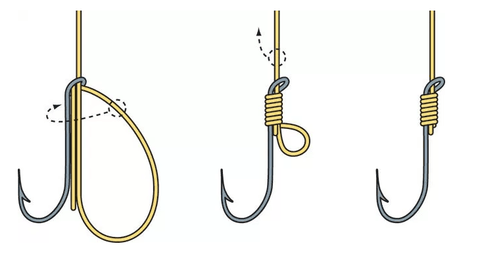
Start by threading the line through the hook eye. Leave enough line to work with.
Wrap the loose end around the standing line five to seven times. Keep the wraps tight and neat.
Pass the loose end through the small loop near the hook eye. Then, pass it back through the big loop created by the last step.
Moisten the knot with water or saliva. Pull both ends slowly to tighten the knot.
Trim the excess tag end close to the knot. Make sure the knot is tight and secure before fishing.
- Thread line through hook eye
- Wrap line 5-7 times around standing line
- Pass loose end through small loop
- Pass loose end through big loop
- Moisten and tighten knot
- Trim excess line
Common Mistakes To Avoid
Not wetting the knot before tightening can weaken it. Always moisten the knot.
Wrapping the line too few or too many times reduces knot strength. Stick to five to seven wraps.
Pulling the line too fast can cause the knot to slip. Tighten the knot slowly and evenly.
- Do not skip moistening the knot
- Avoid too few or too many wraps
- Pull line slowly to tighten
- Trim tag end close but not too short
- Check knot tightness before use
Alternative Knot Tying Techniques
Tying a hook on a fishing line is key for a good catch. Different knots work better for certain lines and hooks.
Here are two useful knots you can try besides the usual ones. They are strong and simple to tie.
Palomar Knot
The Palomar knot is strong and easy. It works well with braided and monofilament lines.
This knot keeps the line from slipping and holds the hook tightly. It is a favorite for many anglers.
- Double the line and pass it through the hook eye.
- Make a loose overhand knot with the doubled line.
- Pass the hook through the loop.
- Pull the line to tighten the knot.
- Trim the extra line close to the knot.
Snell Knot
The Snell knot is great for hooks with a straight eye. It keeps the hook aligned with the line.
This knot is strong and works well with fluorocarbon and monofilament lines.
- Lay the line along the hook shank.
- Wrap the tag end around the shank and line 5-7 times.
- Pass the tag end through the loop near the hook eye.
- Pull the main line to tighten the wraps.
- Trim the tag end close to the knot.
Testing The Knot’s Strength
Tying a fishing hook securely is important. Testing the knot’s strength helps avoid losing fish.
You can check if the knot holds well by pulling the line firmly. This step is simple but effective.
How To Test The Knot
After tying the hook, pull the line hard to test the knot. The knot should not slip or loosen.
Use your fingers to grip the knot and pull with steady pressure. Try to feel if it moves.
- Hold the hook steady.
- Pull the line away from the hook.
- Check if the knot stays tight.
- If the knot moves, retie it.
Troubleshooting Weak Knots
Weak knots can break easily and lose fish. Look for common problems to fix them.
Knots may be weak if the line is twisted or the knot is not pulled tight. Wetting the line helps.
- Make sure the knot is tight before pulling.
- Wet the line to reduce friction while tying.
- Use enough wraps around the hook or line.
- Cut excess tag ends close to the knot.

Credit: www.wikihow.com
Safety Tips For Beginners
Tying a hook on a fishing line is an important skill for anglers. Beginners should focus on safety to avoid injuries. Understanding how to handle hooks and lines helps keep you safe.
This guide shares simple safety tips for beginners. Follow these to protect your fingers and eyes while fishing.
Handling Hooks Safely
Hooks are sharp and can easily cause cuts or punctures. Always hold hooks by the shank, not the point. Use pliers or a hook remover when needed.
Keep hooks in a tackle box when not in use. Avoid carrying loose hooks in your pockets. Be careful when tying knots to prevent accidental pokes.
- Handle hooks slowly and with care
- Keep hooks covered or stored safely
- Use tools to remove hooks from fish
- Wear eye protection if possible
Avoiding Line Injury
Fishing lines can cut your skin if pulled too hard or snapped. Keep your fingers away from the line during tension. Do not use damaged or frayed lines.
Wear gloves to protect your hands when handling lines. Always check your line before casting. Replace old lines to reduce the chance of breakage.
- Do not wrap line tightly around fingers
- Check line for wear before use
- Wear gloves for extra protection
- Release tension slowly to avoid snapbacks
Frequently Asked Questions
How Do I Tie A Fishing Hook Securely?
To tie a fishing hook securely, use the improved clinch knot. Thread the line through the hook eye, wrap it five times, then pass the end through the loop and tighten firmly. This knot offers strong hold and is easy to tie.
What Is The Best Knot For Fishing Hooks?
The improved clinch knot is the best for fishing hooks. It provides excellent strength and reliability. This knot is simple, quick, and works well with most fishing lines and hook types.
How Do I Avoid Slipping When Tying A Hook?
Avoid slipping by wetting the line before tightening the knot. This reduces friction and prevents line damage. Pull the knot slowly and evenly to secure the hook firmly without slipping.
Can I Tie A Hook On Braided Fishing Line?
Yes, you can tie a hook on braided fishing line. Use the Palomar knot for braided lines because it maintains strength and resists slipping. It’s quick and reliable for various fishing conditions.
Conclusion
Tying a hook on a fishing line is simple with practice. Use the right knot to keep your hook secure. Take your time and follow each step carefully. Strong knots help catch more fish and avoid lost tackle. Try different knots to see which works best for you.
Keep practicing until it feels easy and natural. Fishing becomes more fun when your gear works well. Now, you are ready to enjoy your next fishing trip with confidence.