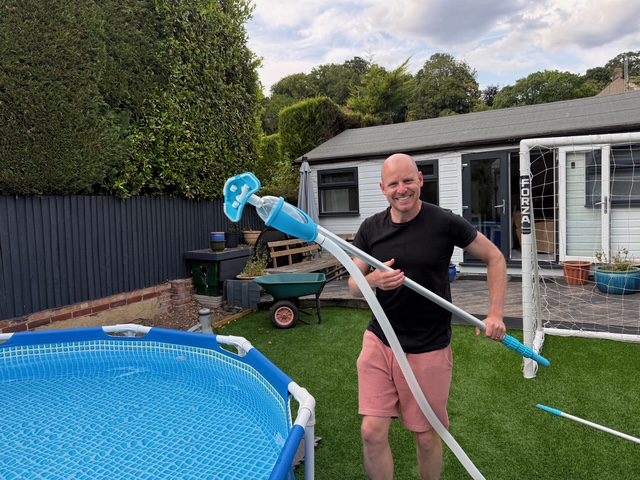
Are you staring at your pool, wondering how to keep it sparkling clean without hiring an expensive service? You’re not alone.
Many pool owners are unsure about how to use a pool vacuum effectively. The good news is, you can easily learn how to do it yourself, saving both time and money. Imagine diving into crystal-clear water, knowing you achieved it all on your own.
Sounds satisfying, right? In this guide, we’ll break down the steps to using a pool vacuum into simple, easy-to-follow instructions, ensuring you become the master of your pool’s cleanliness. Ready to transform your pool into the oasis you’ve always dreamed of? Let’s dive right in!

Credit: www.mavaquadoc.com
Choosing The Right Pool Vacuum
Choosing the right pool vacuum is key to keeping your pool clean and clear. Different vacuums serve different needs. Picking one that fits your pool size and cleaning habits saves time and effort. Understanding the types and features helps you make a smart choice.
Manual Vs Automatic Vacuums
Manual vacuums require you to push or pull the device across the pool floor. They give you control over cleaning spots but need more effort. Automatic vacuums move on their own, cleaning the pool with little help. They save time but may miss tight corners.
Vacuum Types And Features
- Pressure-side vacuums:Use water pressure to move and collect debris.
- Suction-side vacuums:Connect to the pool’s skimmer and use suction to clean.
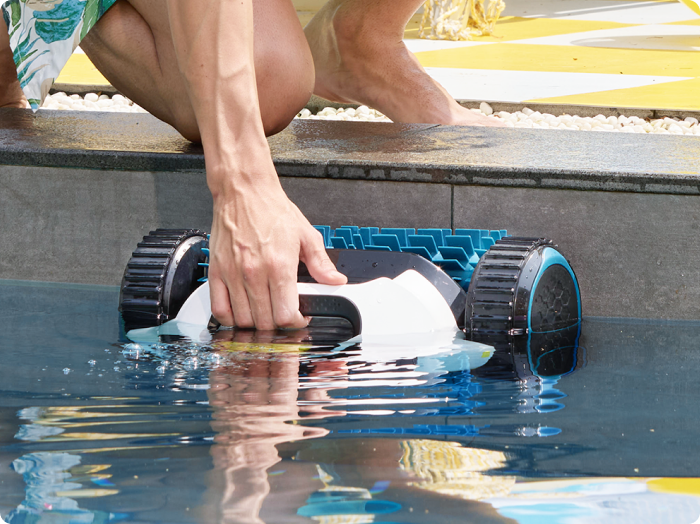
- Robotic vacuums:Self-contained units with built-in motors and filters.
Look for features like large debris bags, easy filter cleaning, and quiet operation.
Selecting Based On Pool Size
Small pools work well with manual or small robotic vacuums. Medium pools benefit from suction or pressure-side models. Large pools often need powerful robotic or pressure-side vacuums for faster cleaning. Match the vacuum’s capacity with the pool size for best results.
Credit: us.mammotion.com
Preparing Your Pool For Vacuuming
Preparing your pool before vacuuming helps ensure a thorough clean. Taking a few simple steps makes the process easier and more effective. Your pool water will look clearer and healthier after vacuuming.
Removing Debris From Surface
Start by removing leaves, twigs, and other floating debris. Use a skimmer net to scoop out these items. This prevents clogging the vacuum and filter system. Removing debris also helps the vacuum reach the pool floor better.
Checking Pool Equipment
Inspect your pool pump and filter before vacuuming. Make sure the pump is running smoothly. Check the filter for any blockages or dirt. Clean or replace filters if needed. Proper equipment function improves vacuum performance and water flow.
Adjusting Water Level
Check the water level in your pool. It should be at least halfway up the skimmer opening. Low water can cause the pump to run dry and damage it. Add water if the level is too low. Proper water level helps the vacuum work efficiently.
Setting Up The Vacuum
Setting up your pool vacuum correctly ensures efficient cleaning and saves time. The process starts with assembling the vacuum parts. Next, you connect the vacuum to the hose. Finally, priming the hose removes air, allowing smooth water flow. Each step prepares the vacuum for optimal performance.
Assembling Vacuum Components
Gather all vacuum parts: the head, telescopic pole, vacuum plate, and hose adapter. Attach the vacuum plate to the vacuum head. Connect the telescopic pole to the vacuum head firmly. Ensure all parts fit tightly to avoid leaks or disconnections.
Connecting The Vacuum To The Hose
Attach one end of the vacuum hose to the hose adapter on the vacuum head. Secure the connection by pushing the hose firmly onto the adapter. Connect the other end of the hose to the pool’s skimmer or suction port. Make sure the hose is straight and untangled for proper suction.
Priming The Hose Properly
Lower the vacuum head slowly into the pool, allowing water to fill the hose. Hold the open end of the hose underwater to remove trapped air. Once water flows steadily through the hose, connect it to the skimmer or suction port. This step prevents air bubbles and ensures strong suction.
Vacuuming Techniques
Vacuuming a pool keeps it clean and safe for swimming. Using the right techniques helps remove dirt and debris efficiently. Proper vacuuming saves time and effort while protecting your pool surfaces. Follow these steps for the best results.
Starting The Vacuum
First, connect the vacuum head to the telescopic pole. Attach the vacuum hose to the head and fill the hose with water. Submerge the hose slowly to remove air bubbles. Connect the hose to the pool’s suction port or skimmer. Turn on the pump to start the vacuum suction.
Effective Vacuuming Patterns
Use slow, steady movements to clean well. Vacuum in straight lines across the pool floor. Overlap each pass slightly to avoid missing spots. For corners and steps, move the vacuum gently to reach all areas. Avoid quick jerks or lifting the vacuum off the surface.
Cleaning Different Pool Surfaces
Adjust your vacuuming technique based on the surface type. For concrete or plaster, use firm pressure to remove dirt. On vinyl or fiberglass, be gentle to avoid damage. Use a brush attachment for walls and steps if needed. Regular cleaning prevents buildup and keeps surfaces smooth.
Maintaining Your Vacuum Equipment
Keeping your pool vacuum in good shape is essential for smooth cleaning sessions and extending the life of your equipment. Regular care helps you avoid unexpected breakdowns and ensures your pool stays sparkling clean without extra hassle. Let’s dive into how you can maintain your vacuum equipment effectively.
Cleaning And Storing The Vacuum
After each use, rinse your vacuum head and hose with clean water to remove dirt and chemicals. This prevents buildup that can clog or damage parts over time.
Allow the vacuum to dry completely before storing it to avoid mold and mildew growth. Store the vacuum in a cool, dry place away from direct sunlight to protect plastic components from cracking.
Have you noticed how keeping your vacuum clean makes your next cleaning session easier? It’s a simple habit that saves time and frustration.
Troubleshooting Common Issues
If your vacuum isn’t picking up debris, check for blockages in the hose or the vacuum head. Small leaves or dirt can sometimes get stuck, reducing suction power.
Another common problem is a loss of suction, which may be caused by a loose connection or air leak. Make sure all parts are securely attached and sealed tightly.
Have you ever paused cleaning to inspect your equipment only to find a simple fix? These quick checks can keep your vacuum working smoothly without calling for repairs.
Regular Maintenance Tips
- Inspect the vacuum hose for cracks or holes every few weeks and replace it if damaged.
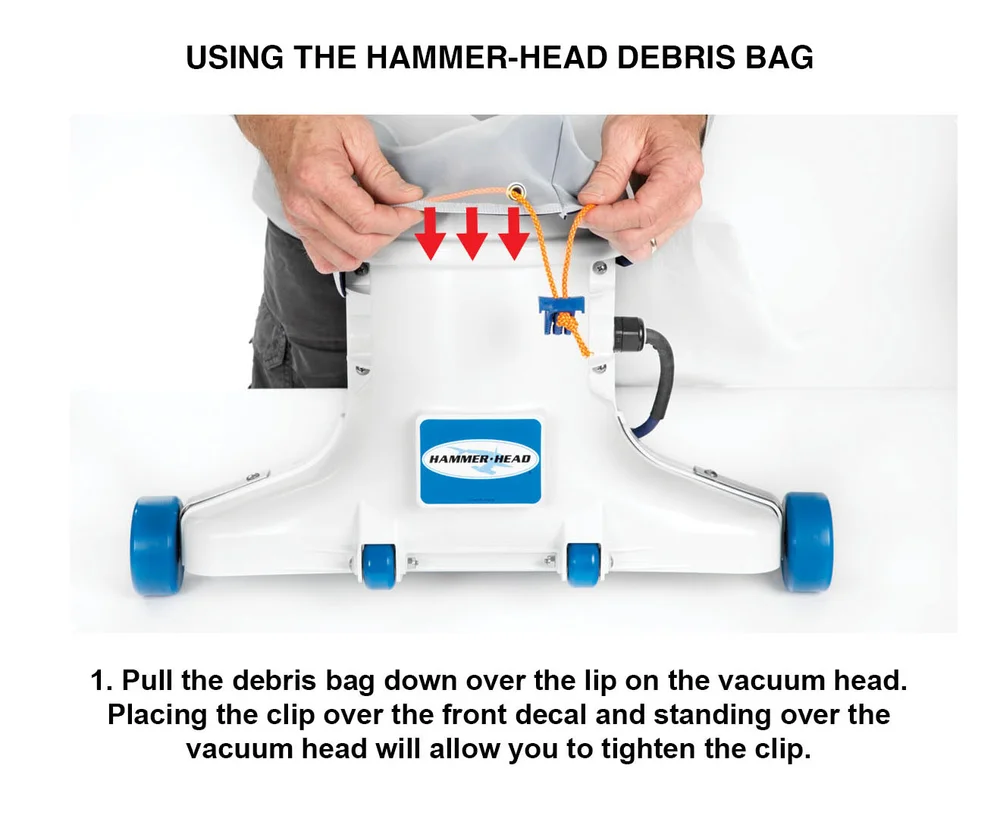
- Clean or replace the vacuum bag or filter regularly to maintain suction.
- Lubricate moving parts, like wheels or joints, to prevent wear and tear.
- Check your vacuum’s manual for specific maintenance recommendations.
Taking a few minutes to maintain your vacuum can prevent costly repairs and keep your pool cleaning hassle-free. What small maintenance step could you add to your routine today?
Credit: www.hammerheadvac.com
Frequently Asked Questions
How Do I Connect A Pool Vacuum Hose?
Attach one end of the hose to the vacuum head. Connect the other end to the skimmer or suction port. Ensure all connections are tight to maintain suction. Prime the hose by filling it with water before submerging to avoid airlocks.
How Often Should I Vacuum My Pool?
Vacuum your pool at least once a week during swimming season. More frequent cleaning is needed if debris accumulates quickly. Regular vacuuming helps maintain clear water and prevent algae growth. Adjust frequency based on pool usage and surrounding environment.
Can I Use An Automatic Pool Vacuum?
Yes, automatic pool vacuums efficiently clean pool floors and walls. They save time and effort compared to manual vacuums. Choose a model compatible with your pool size and type. Regular maintenance ensures optimal performance and longevity.
What Is The Best Time To Vacuum A Pool?
Vacuum your pool in the early morning or late evening. This timing avoids strong sunlight, which can cause algae growth. It also prevents stirring up debris during peak swimming hours. Ensure the pool pump runs during vacuuming for proper suction.
Conclusion
Using a pool vacuum keeps your pool clean and safe. Regular cleaning saves time and effort later. Attach the vacuum correctly and move it slowly for best results. Clean the filter after each use to keep it working well. A clean pool looks inviting and lasts longer.
Enjoy your swimming with less worry about dirt and debris. Simple steps make pool care easy and effective. Keep your pool fresh all season long.