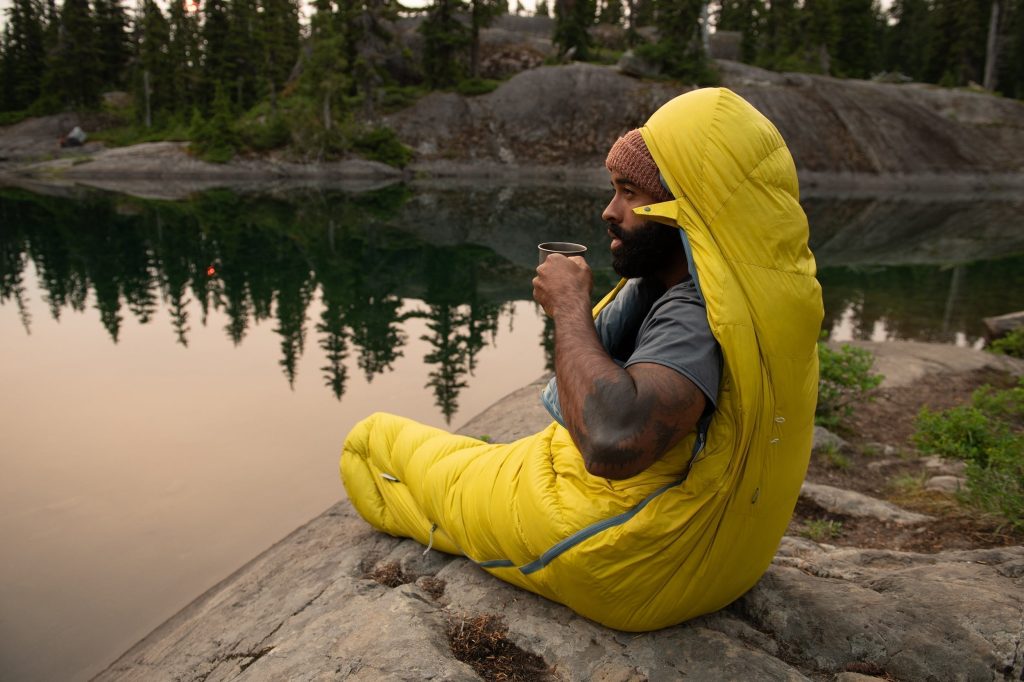
Your sleeping bag is your trusty companion on every outdoor adventure. But after countless nights under the stars, it needs a good clean to stay fresh and comfortable.
You might wonder, “How do I wash a sleeping bag without ruining it? ” Washing it the wrong way can damage its insulation or fabric, making it less cozy when you need it most. In this guide, you’ll discover simple, step-by-step tips to clean your sleeping bag safely and effectively.
Keep reading to learn how to make your sleeping bag feel like new again, so your next trip is as comfortable as the last.
Choosing The Right Cleaning Method
Cleaning a sleeping bag properly keeps it fresh and lasts longer. Different materials and fills need different care. Choosing the right method helps avoid damage.
Check the label on your sleeping bag before washing. It tells if you can machine wash, hand wash, or need dry cleaning. Use gentle products and avoid harsh detergents.
Machine Wash Vs Hand Wash
Machine washing is quick and good for synthetic bags. Use a front-loading machine to avoid damage. Use cold water and a gentle cycle. Avoid fabric softeners and bleach.
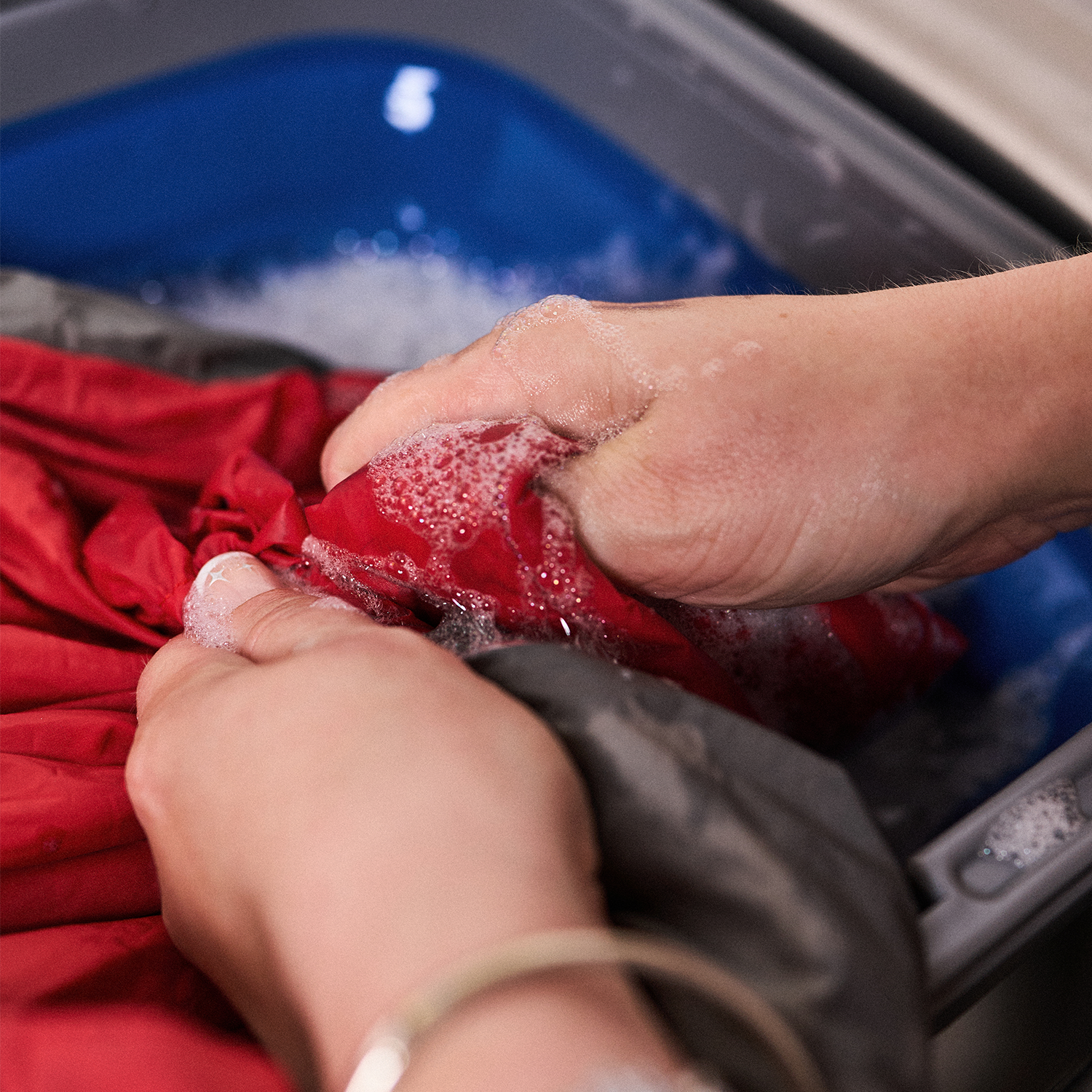
Hand washing is best for delicate or down-filled bags. It takes more time but is gentler. Use a bathtub or large basin with mild soap. Rinse well to remove all detergent.
- Use cold or lukewarm water
- Apply gentle soap or cleaner made for sleeping bags
- Gently squeeze out water, do not wring
- Rinse thoroughly to avoid soap residue
- Dry flat or hang in a shaded, airy place
When To Dry Clean
Dry cleaning is rare for sleeping bags but may be needed for some silk or specialty fabrics. Always read the care label. Dry cleaning can remove tough stains without water.
| Material | Recommended Cleaning |
| Synthetic Fill | Machine or Hand Wash |
| Down Fill | Hand Wash Preferred |
| Silk or Specialty | Dry Clean Only |
Spot Cleaning Tips
Spot cleaning saves time and protects your sleeping bag. Use a soft cloth with mild soap and water. Dab gently on stains and avoid rubbing hard. Let dry completely before packing.
- Use mild soap
- Test on a small area first
- Dab, do not rub
- Rinse with clean water
- Air dry fully before storing

Credit: www.gearaid.com
Preparing Your Sleeping Bag
Washing a sleeping bag is not as simple as doing laundry. Proper preparation is key. Follow these steps to ensure your sleeping bag is ready for washing.
It’s important to take care of your sleeping bag. Preparing it properly will help maintain its quality and extend its life.
Empty All Pockets
Check every pocket in your sleeping bag. Remove all items to prevent damage during washing.
Items left inside can cause tears or stains. Make sure the pockets are completely empty.
Close Zippers And Velcro
Ensure all zippers are closed. This prevents snagging during the wash cycle.
Check the Velcro tabs as well. Secure them to avoid sticking to the fabric.
Check For Damage
Inspect your sleeping bag for any damage. Look for tears or weak spots in the fabric.
Repair any damage before washing. This will prevent further tearing or loss of filling.
Selecting The Best Detergent
Washing a sleeping bag needs care. Choosing the right detergent helps keep it clean and safe. The detergent should not harm the fabric or insulation.
Using the wrong detergent can damage your sleeping bag. It can reduce its warmth and make it less comfortable. Picking the best detergent is key for long use.
Avoid Harsh Chemicals
Harsh chemicals can break down the fabric and insulation. Detergents with bleach or strong enzymes can cause damage. They remove natural oils that keep the bag soft.
Choose detergents that are gentle and free from strong chemicals. This protects the sleeping bag’s materials. It also keeps the filling fluffy and warm.
Use Specialized Cleaners
Specialized cleaners are made for sleeping bags and outdoor gear. They clean well without harming the materials. These cleaners keep the insulation working properly.
Look for detergents labeled for down or synthetic sleeping bags. They help maintain water resistance and softness. Using these cleaners can extend the life of your bag.
Eco-friendly Options
Eco-friendly detergents use natural ingredients. They do not harm the environment or water systems. These detergents are gentle on fabrics and safe for sensitive skin.
Choosing eco-friendly options helps nature and keeps your sleeping bag clean. These products often avoid artificial fragrances and dyes. They work well for regular washing needs.
Washing Instructions
Cleaning your sleeping bag properly keeps it fresh and lasts longer. Follow simple steps for safe washing.
Using the right washer settings helps protect the fabric and insulation inside your bag.
Setting The Washer
Use a front-loading washing machine if possible. Top loaders can damage the sleeping bag.
Choose a large capacity washer to give the bag space to move during washing.
- Do not overload the washer
- Use gentle agitation
- Add extra rinse cycles if available
Gentle Cycle Tips
Pick the gentle or delicate cycle to keep the bag safe. This cycle uses slow spinning and soft motions.
Hand washing is an option if your machine is too rough or too small.
- Use mild soap made for down or synthetic bags
- Rinse well to remove all soap
- Press water out gently, do not wring
Water Temperature Guidelines
Cold or warm water is best for washing sleeping bags. Hot water can damage the insulation.
Check the sleeping bag label for exact temperature instructions. Follow these to avoid shrinking or clumping.
- Use cold water for down bags
- Warm water works for some synthetic bags
- Never use hot water unless label says so
Drying Your Sleeping Bag
Drying your sleeping bag properly keeps it warm and fresh. Wet sleeping bags can get smelly and lose their fluff.
Choose the right drying method to protect the fabric and insulation inside your bag.
Air Drying Techniques
Air drying is the safest way to dry your sleeping bag. You need a clean, dry place with good airflow.
- Hang your sleeping bag on a sturdy clothesline or drying rack.
- Keep it away from direct sunlight to avoid fabric damage.
- Turn the bag often to help it dry evenly.
- Make sure the room has good ventilation to speed drying.
Using A Dryer Safely
You can use a dryer, but keep the heat low. High heat can damage the bag’s insulation.
- Set your dryer to a low or no-heat setting.
- Add clean tennis balls or dryer balls to stop clumping.
- Check the bag often to prevent overheating.
- Remove the bag while still slightly damp to finish air drying.
Preventing Clumping
Clumping happens when the insulation inside your bag sticks together. This lowers warmth and comfort.
| Tip | How It Helps |
| Use dryer balls or tennis balls in dryer | Breaks up insulation clumps |
| Shake and fluff the bag during drying | Redistributes insulation evenly |
| Air dry after machine drying | Allows insulation to regain shape |
| Store dry and loosely packed | Prevents future clumping |
Maintaining Freshness Between Washes
Washing a sleeping bag too often can harm its insulation and fabric. Keeping your sleeping bag fresh between washes helps it last longer.
Simple habits can reduce odors and dirt. Use proper storage, liners, and spot cleaning to keep your sleeping bag clean.
Proper Storage Solutions
Store your sleeping bag loosely to keep its shape and loft. Avoid tight compression for long periods.
Use a large cotton or mesh storage sack instead of the small stuff sack that comes with the bag.
- Hang the bag on a wide hanger in a dry place
- Keep it away from direct sunlight and damp areas
- Ensure the storage area has good air circulation
Using A Sleeping Bag Liner
A sleeping bag liner adds a layer between you and the bag. It keeps the bag cleaner by catching sweat and dirt.
Liners are easy to wash and dry faster than the sleeping bag. They help reduce how often you must wash the entire bag.
- Choose liners made of cotton or silk for comfort
- Use liners to protect the inside of your sleeping bag
- Wash liners regularly to keep your bag fresh
Regular Spot Cleaning
Spot cleaning removes dirt and stains from small areas. It helps keep the sleeping bag fresh without full washing.
Use mild soap and water with a soft cloth or sponge. Gently clean the dirty spots and let the bag air dry.
- Focus on areas that contact skin the most
- Do not soak the whole sleeping bag during spot cleaning
- Dry the cleaned spots completely before storing
Common Mistakes To Avoid
Washing a sleeping bag needs care. Doing it wrong can damage the bag. It lowers warmth and comfort.
Learn the common mistakes to avoid. This helps keep your sleeping bag in good shape for years.
Overwashing
Washing your sleeping bag too often wears it out. It can break down the insulation and fabric.
- Wash only when the bag is dirty or smells bad.
- Spot clean small stains instead of full washing.
- Use a gentle wash cycle and mild detergent.
Using Fabric Softeners
Fabric softeners hurt sleeping bags. They coat fibers and reduce loft. This lowers warmth.
Effects of Fabric Softeners on Sleeping Bags:
| Effect | Description |
|---|---|
| Reduced Loft | Softener clogs fibers, cutting insulation power. |
| Water Resistance Loss | Softener can stop water from beading on fabric. |
| Material Damage | Breaks down delicate down or synthetic fill. |
Ignoring Manufacturer’s Instructions
Every sleeping bag comes with care instructions. Ignoring them risks damage and voids warranties.
- Check the label before washing.
- Use recommended detergents and water temperature.
- Follow drying instructions carefully.
- Do not use bleach unless stated safe.
Credit: www.ellis-brigham.com

Credit: www.halfwayanywhere.com
Frequently Asked Questions
How Often Should I Wash My Sleeping Bag?
Wash your sleeping bag after every 3-4 uses or if it smells or looks dirty. Regular cleaning maintains insulation and hygiene. Avoid overwashing to prevent wear and tear.
Can I Machine Wash My Sleeping Bag Safely?
Yes, use a front-loading washing machine with a gentle cycle. Use cold water and mild detergent specifically for down or synthetic bags to protect insulation.
What Detergent Is Best For Washing Sleeping Bags?
Use a mild, non-detergent cleaner designed for sleeping bags or outdoor gear. Avoid regular detergents and fabric softeners as they damage insulation and water repellency.
How Do I Dry A Sleeping Bag Properly?
Air dry your sleeping bag flat or hang it in a shaded area. For down bags, use a large dryer on low heat with clean tennis balls to restore loft.
Conclusion
Washing a sleeping bag keeps it clean and fresh for your trips. Use gentle soap and cold water to protect its material. Avoid harsh detergents or hot water to prevent damage. Dry it completely before storing to stop mold and bad smells.
Treat your sleeping bag with care to make it last longer. Clean bags help you sleep better outdoors. Follow these simple steps, and your bag will stay ready for your next adventure. Easy care means more comfort on every camping trip.